The Driftwood Garden Club wishes you Peace, Love, Hope, and Joy during this Holiday Season. Since we can’t have a Holiday House Tour due to Covid19, please share some pictures with us. Stay warm, stay safe, stay healthy! Happy New Year 2021!


Established in 1952 as a volunteer, non-profit organization, the DGC maintains the Abbot Public Library gardens and provides educational opportunities in gardening and support of our environment.
The Driftwood Garden Club wishes you Peace, Love, Hope, and Joy during this Holiday Season. Since we can’t have a Holiday House Tour due to Covid19, please share some pictures with us. Stay warm, stay safe, stay healthy! Happy New Year 2021!
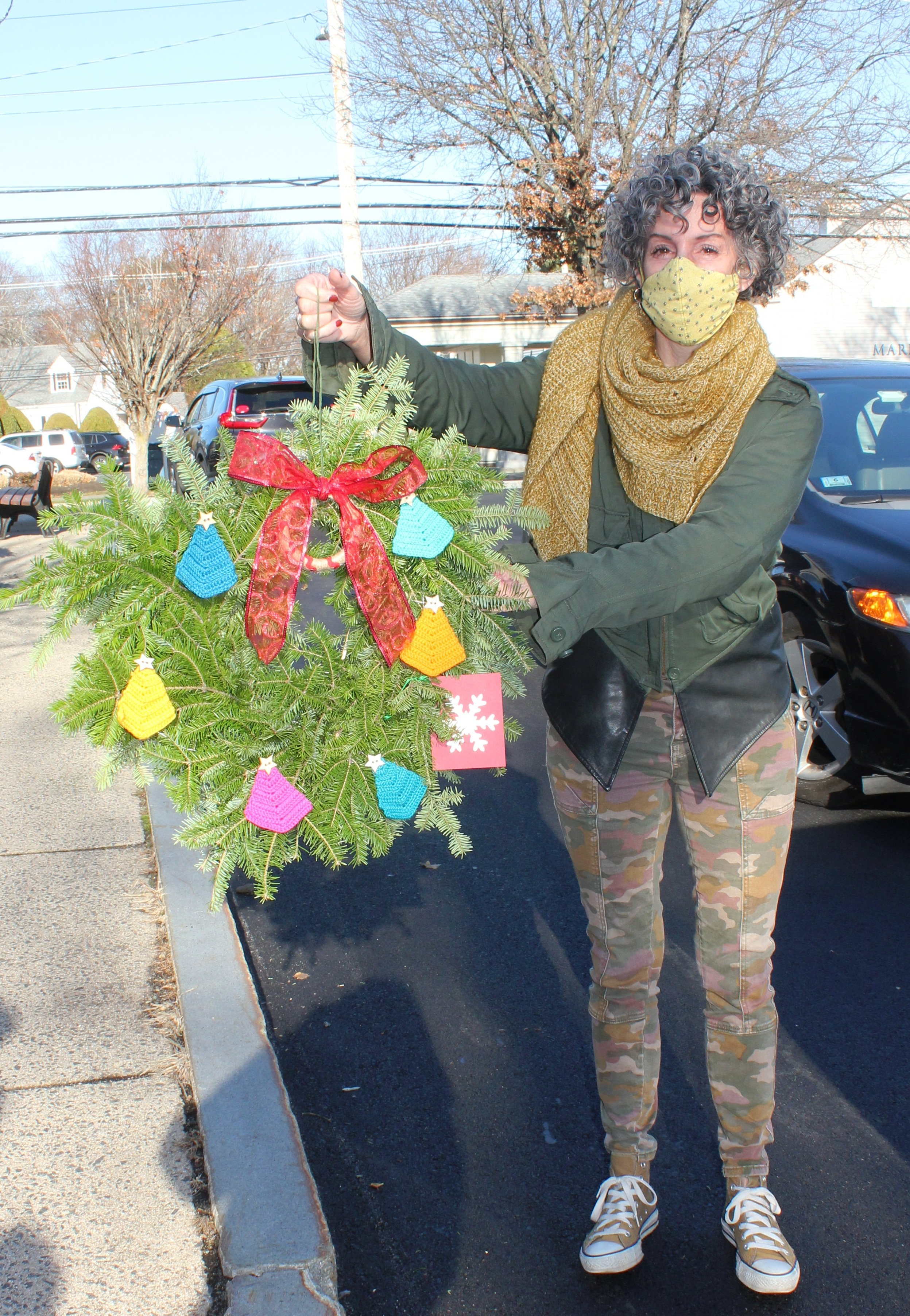
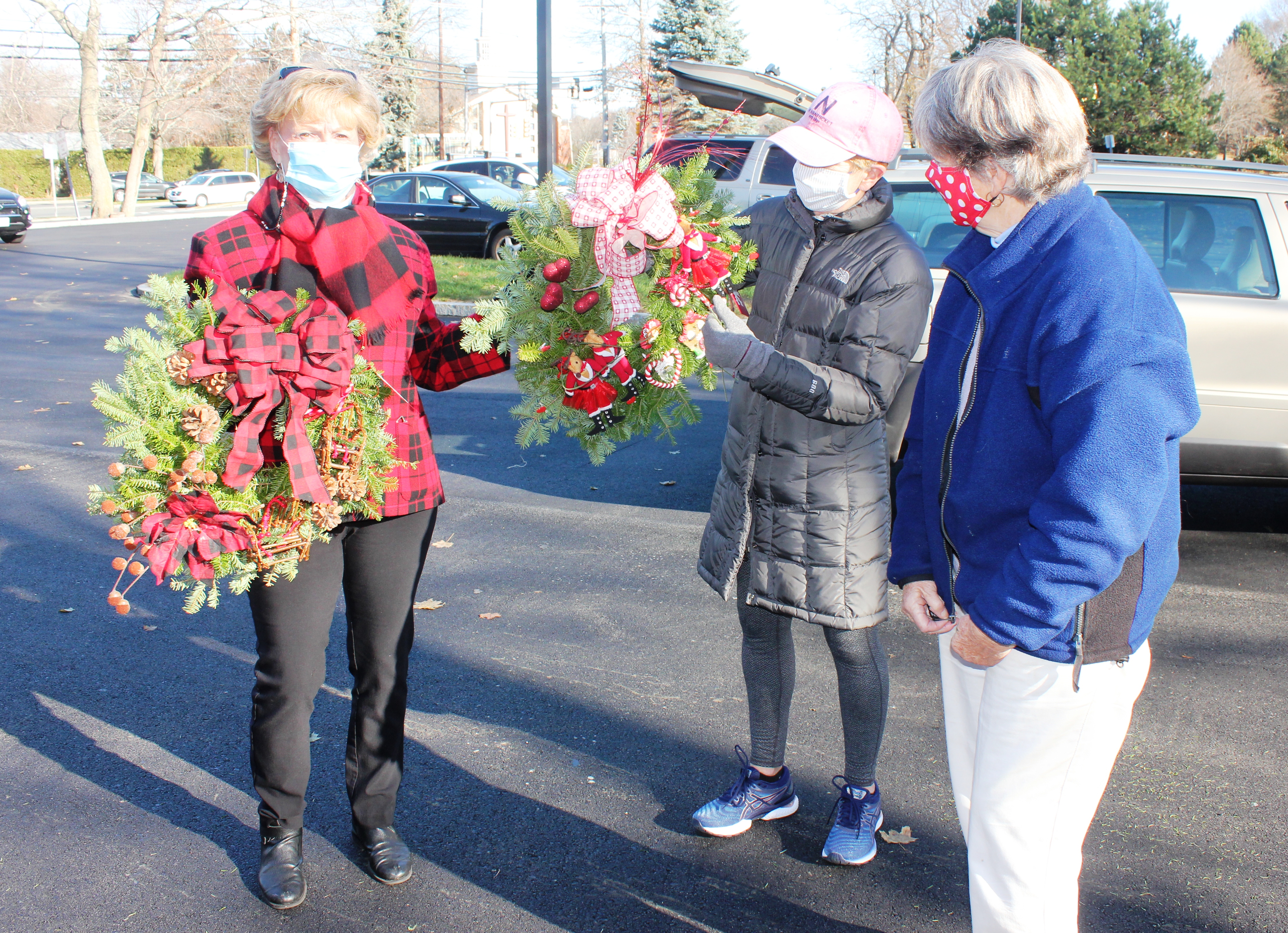
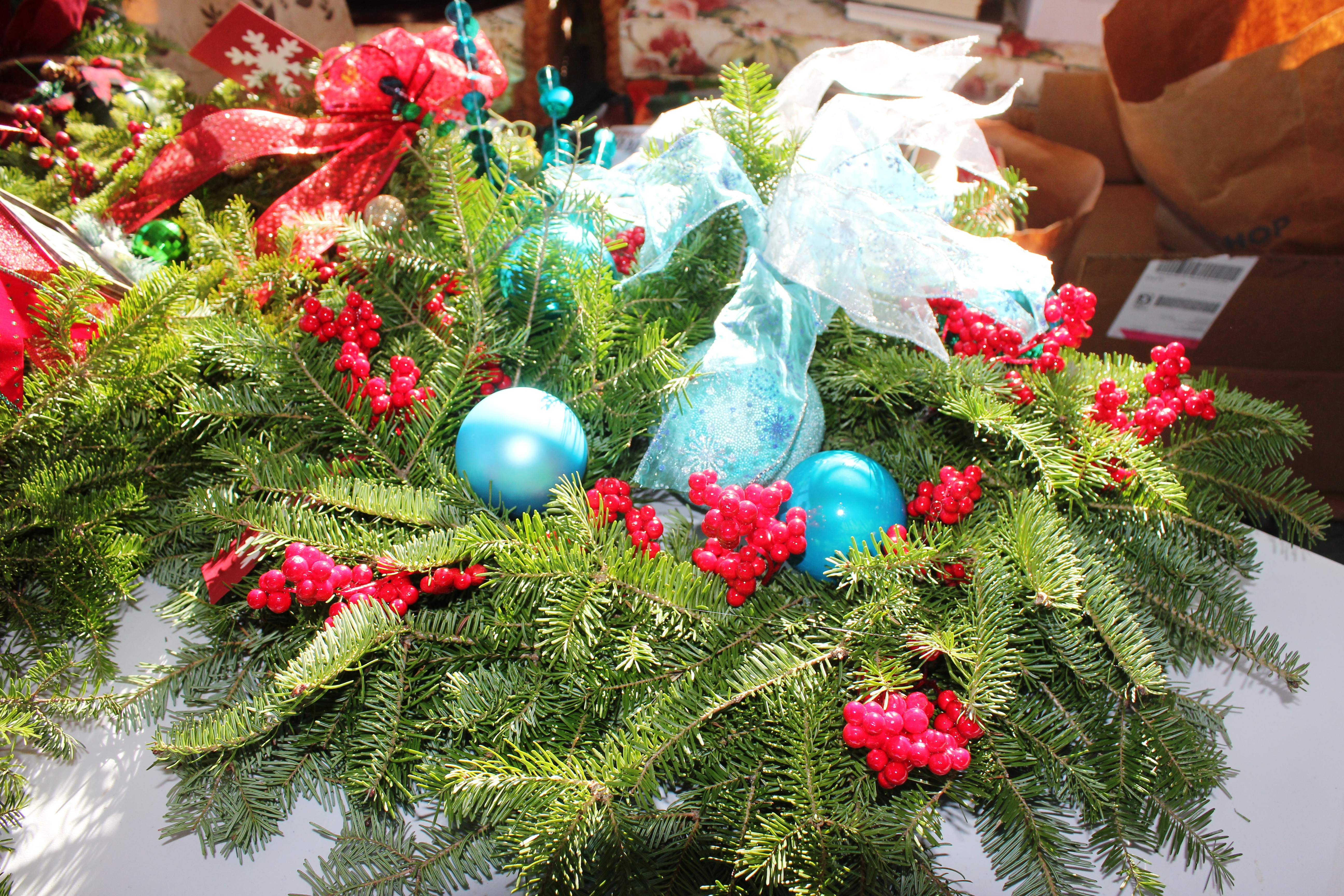
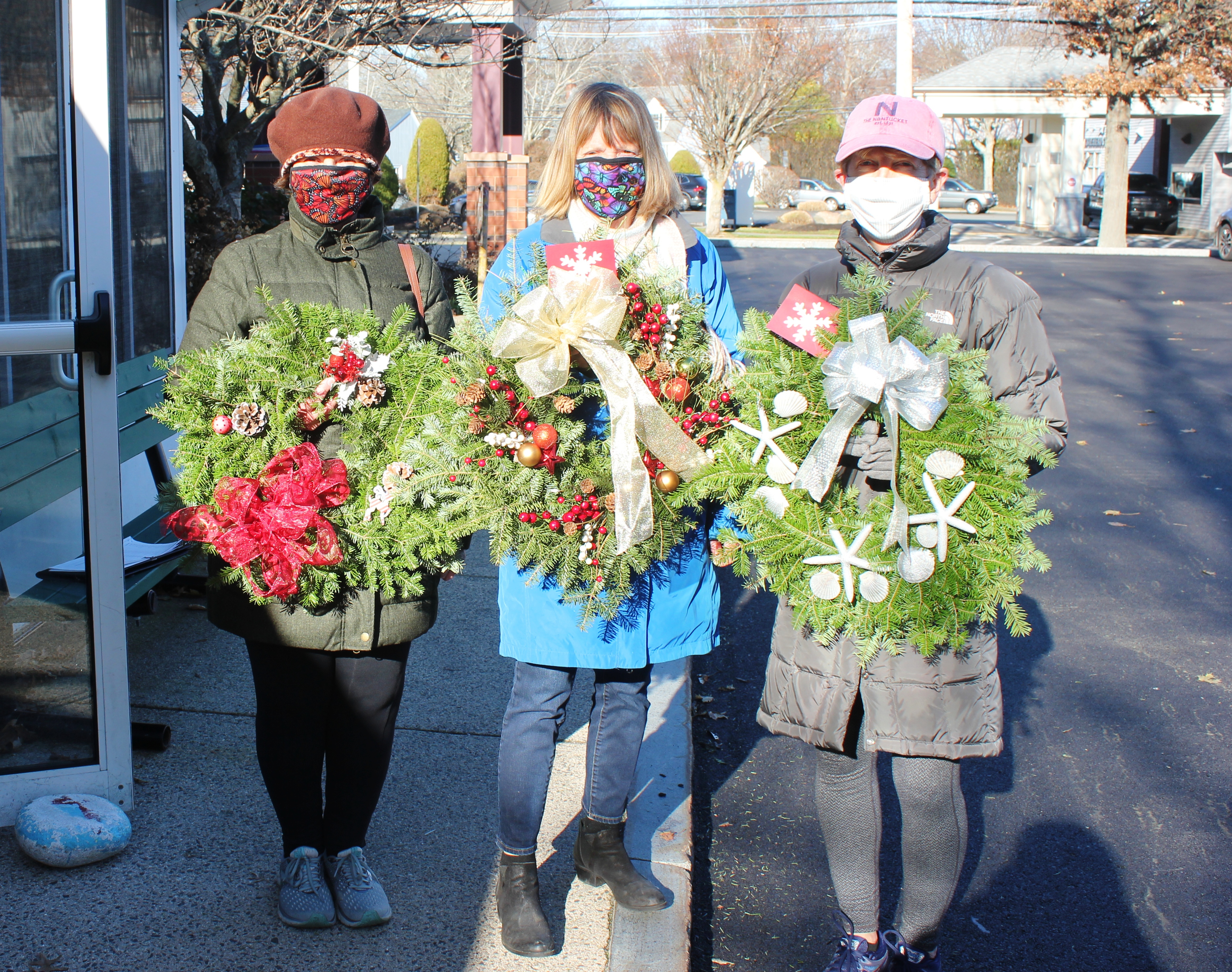
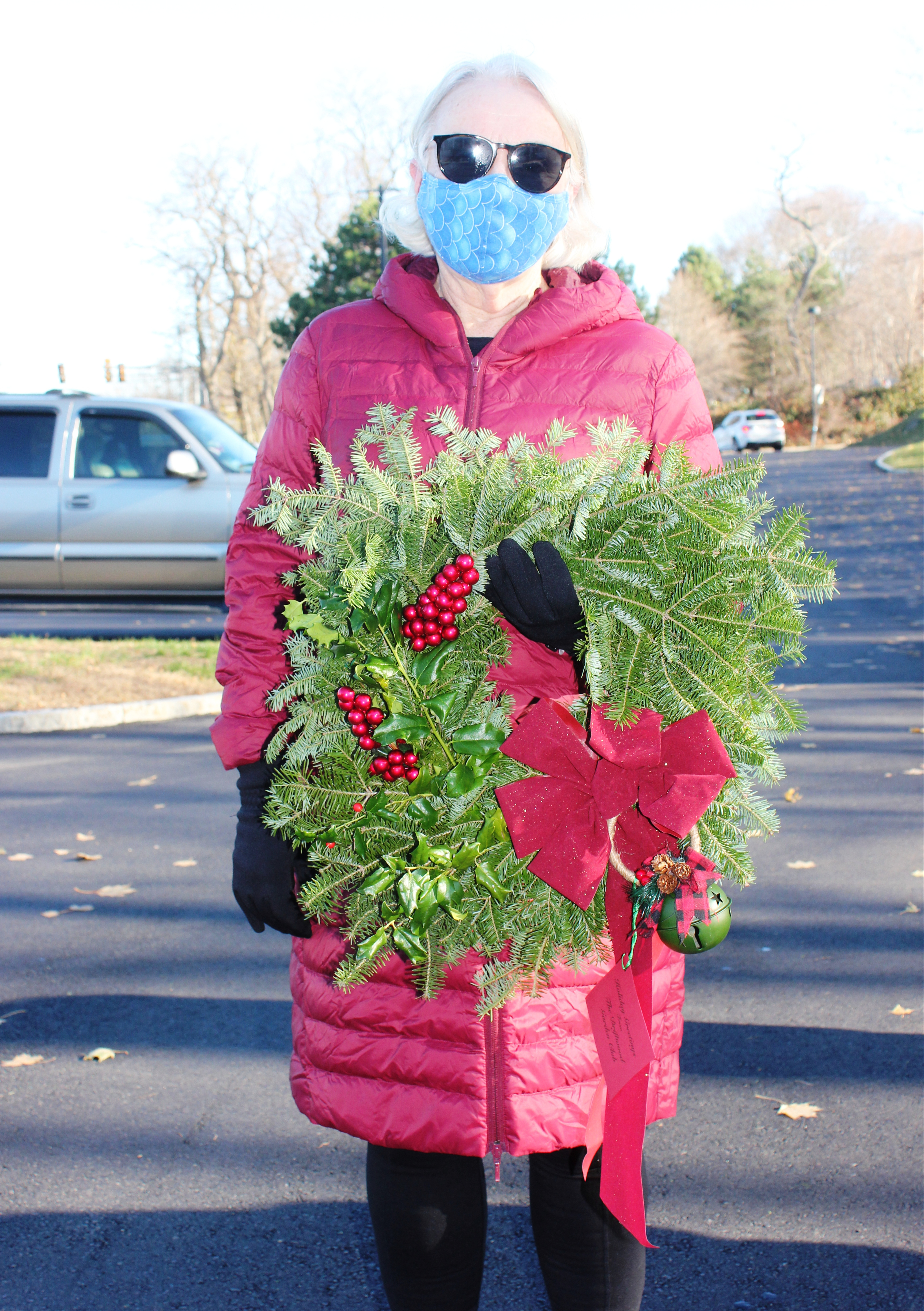
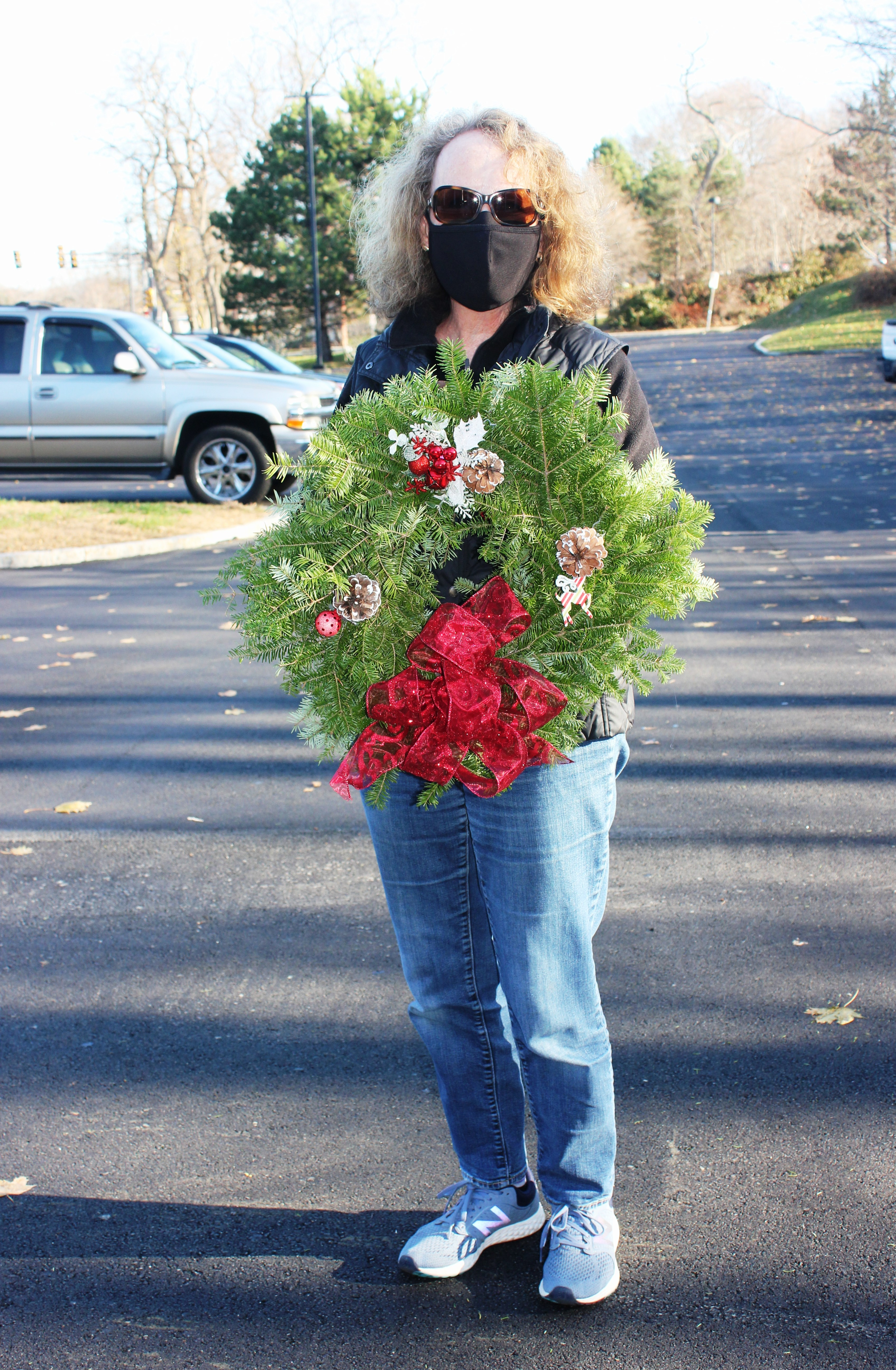
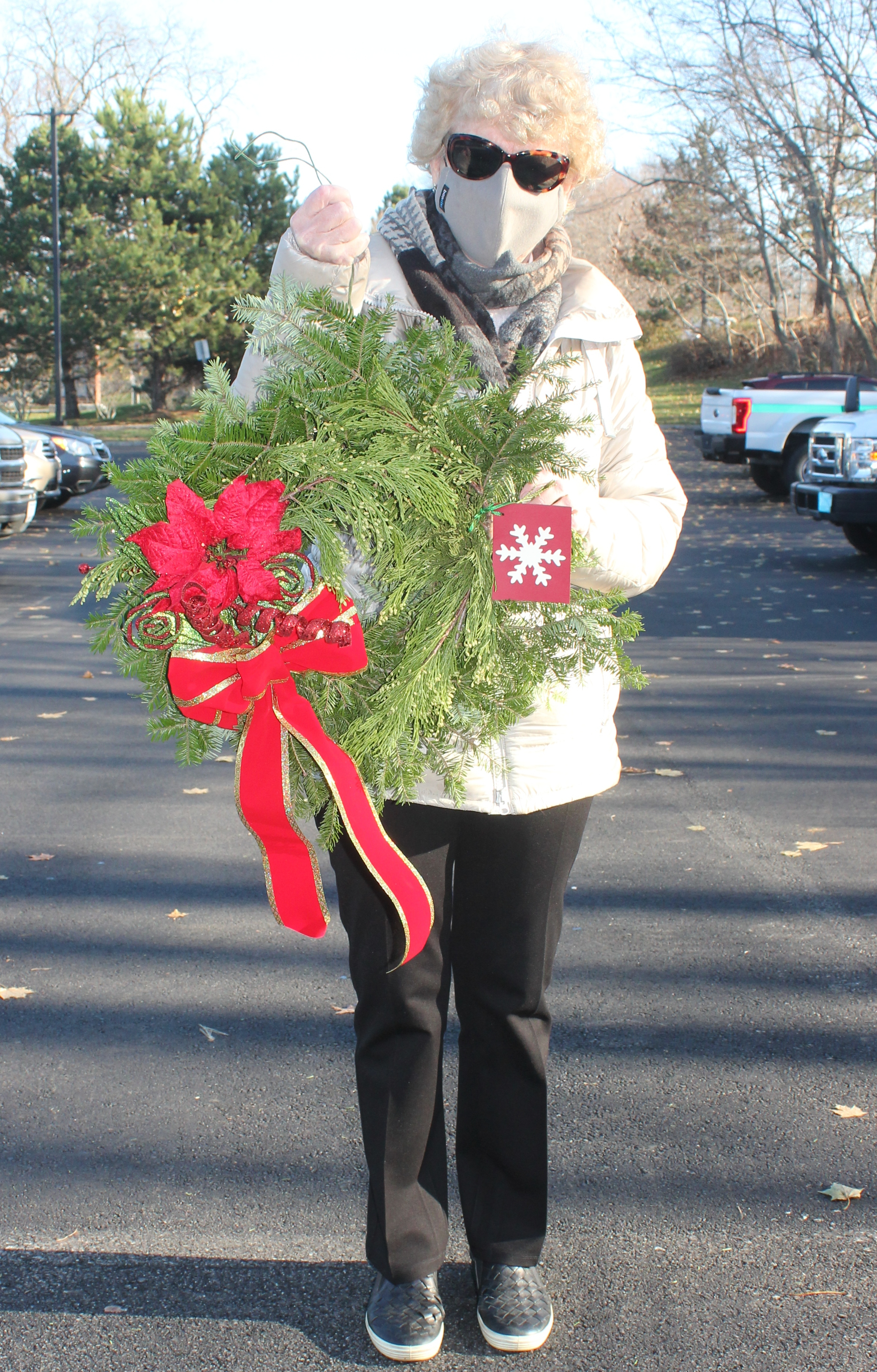
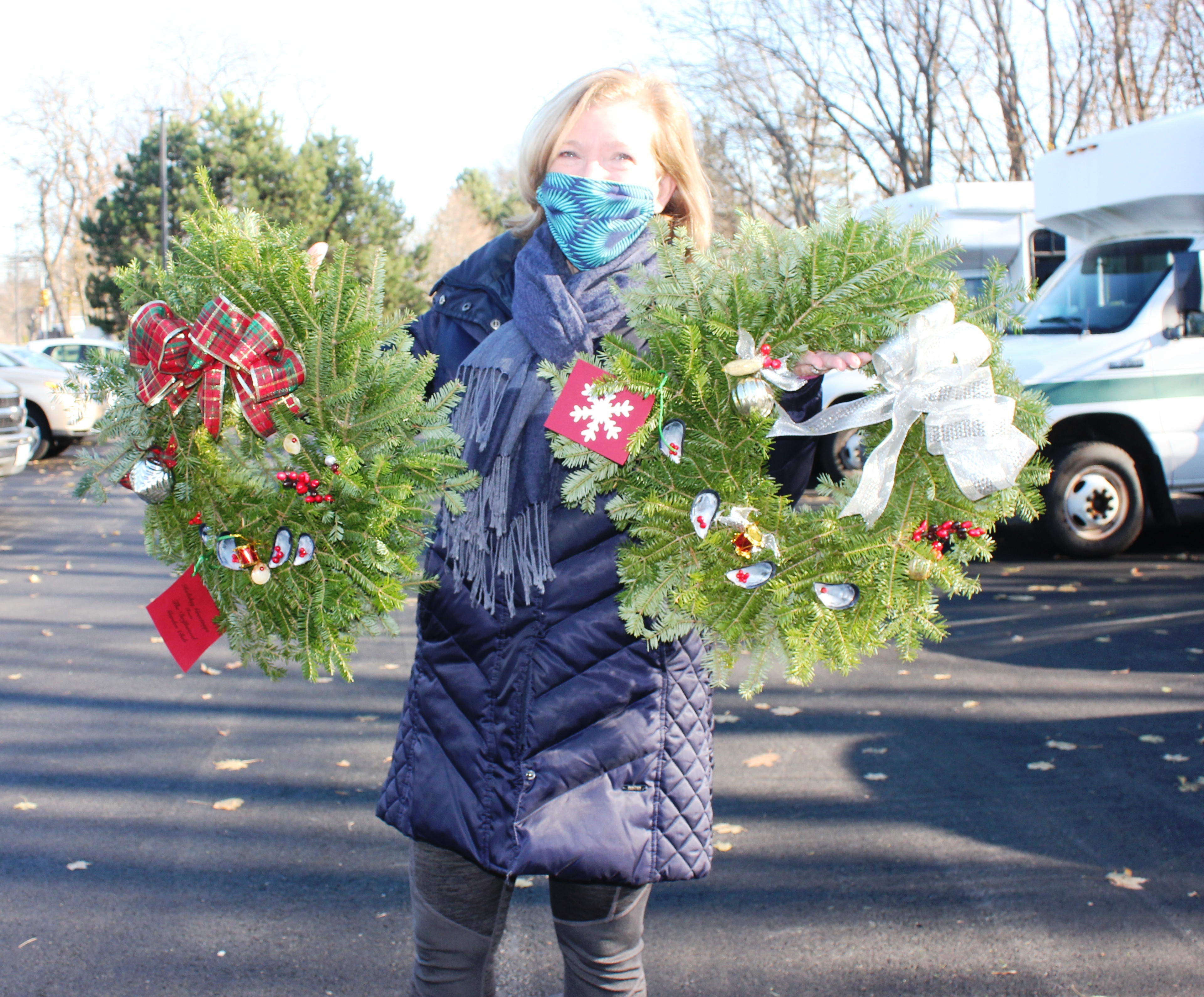
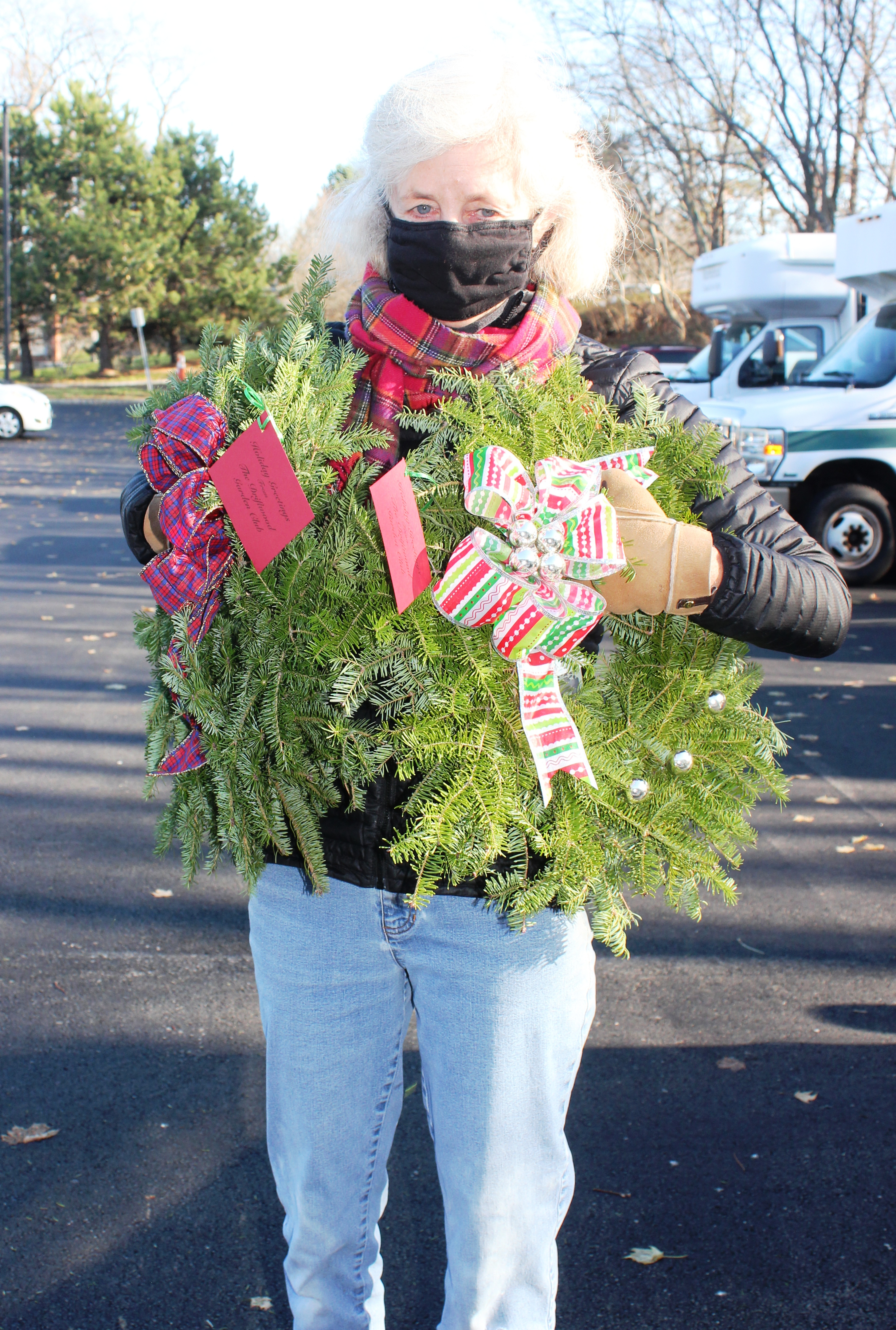
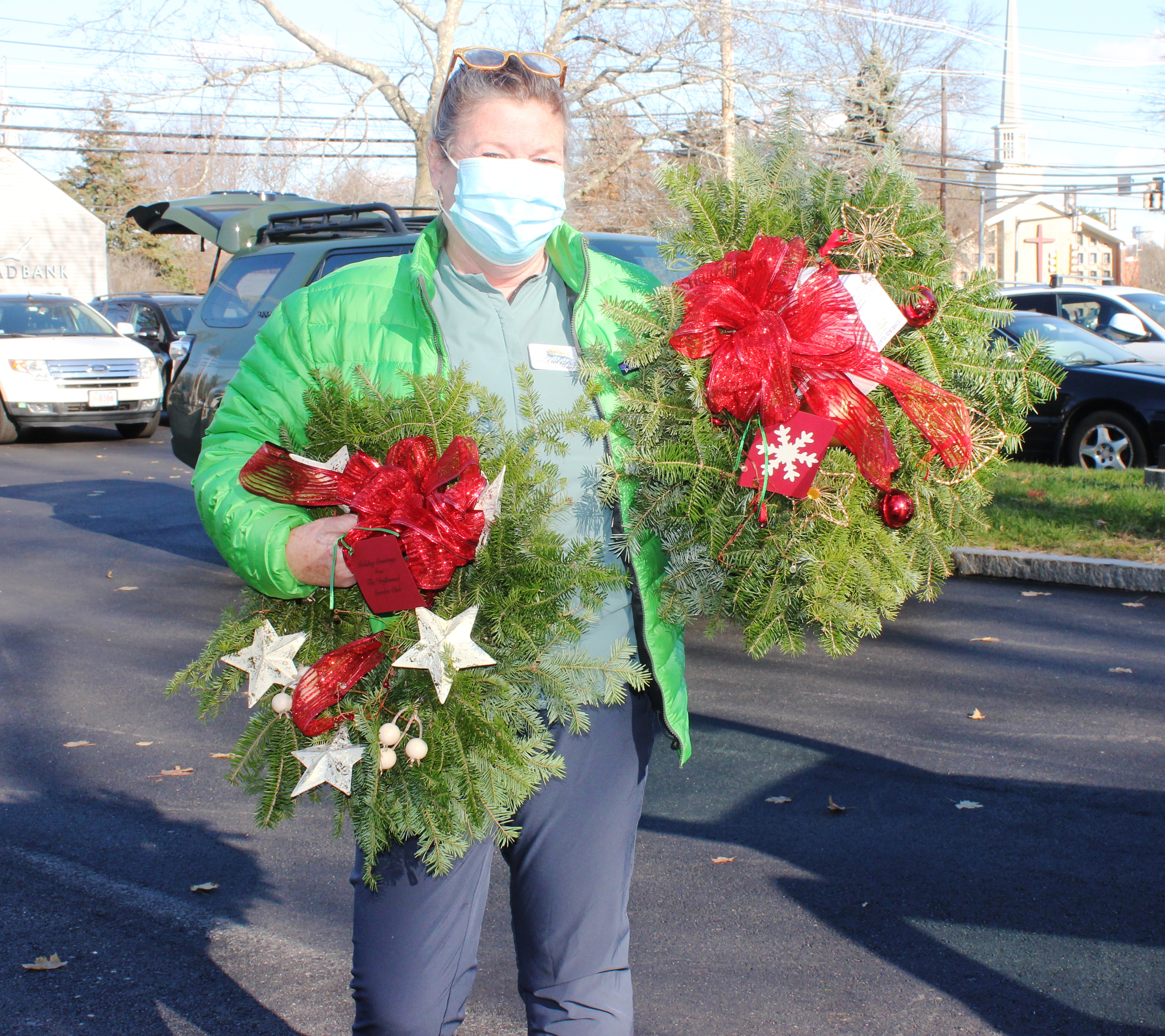
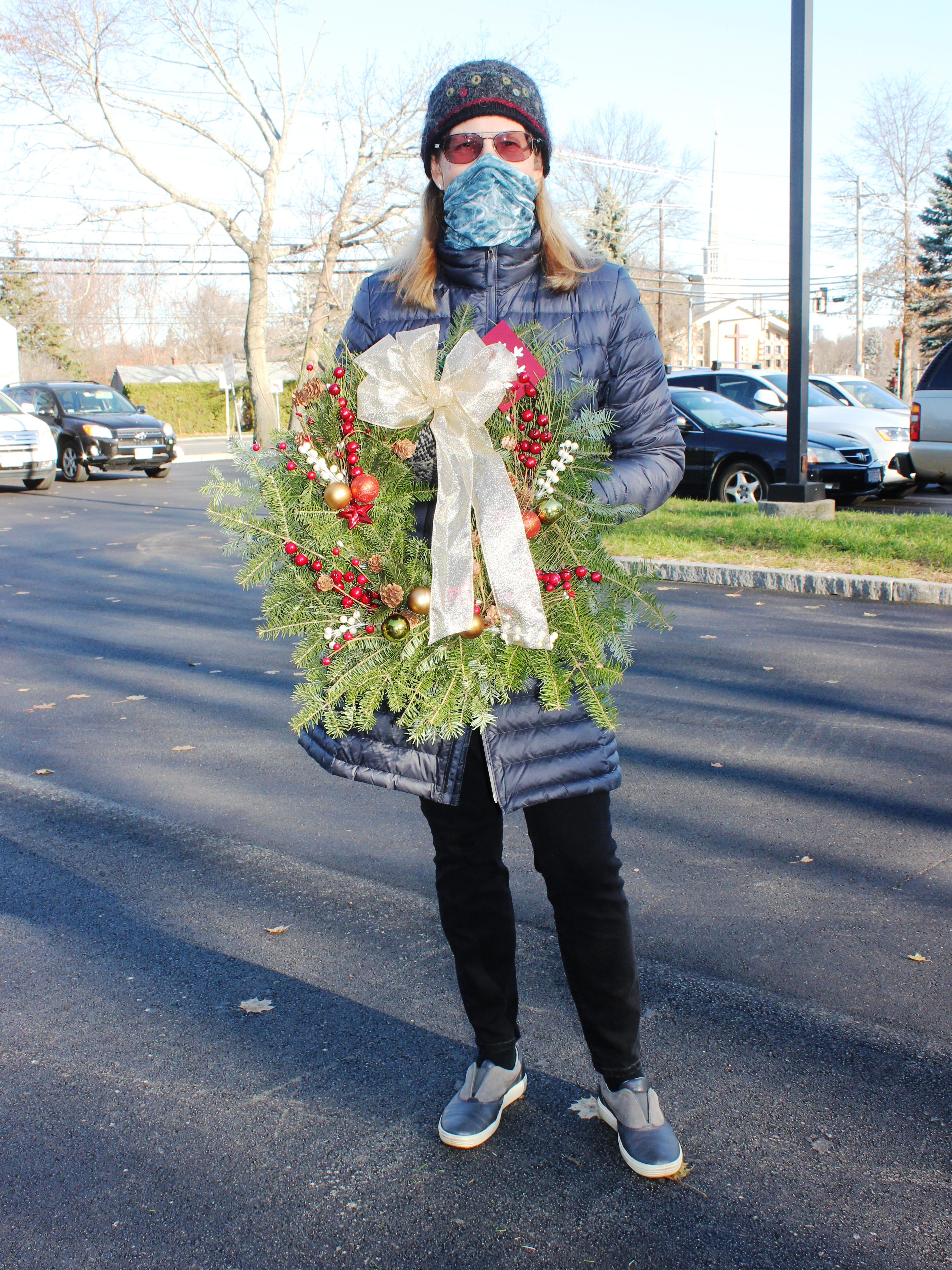
Twenty-seven DCG members created one-of-a-kind wreaths for seniors in the Bagged Lunch Program at the Council on Aging (COA). For the past five years, members have worked together at the COA, but this year the task was performed at homes because of COVID-19 protocols. These constraints didn’t slow down our dear members: they picked up bare wreaths, decorated them beautifully, and then delivered them to COA for distribution.






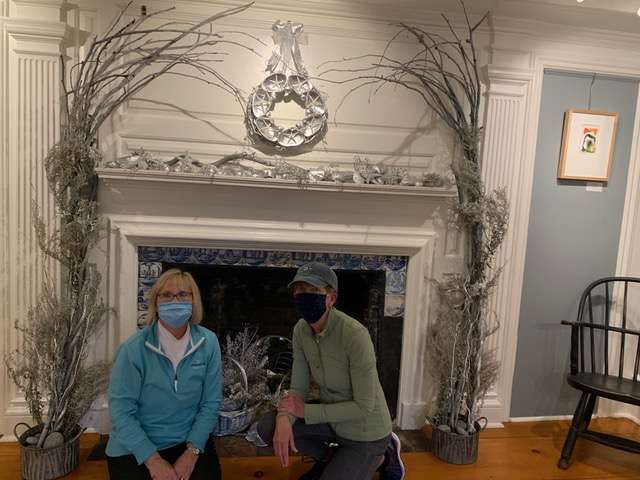
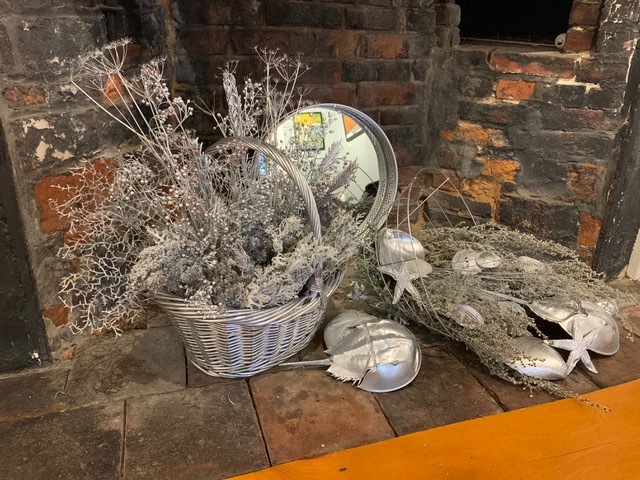
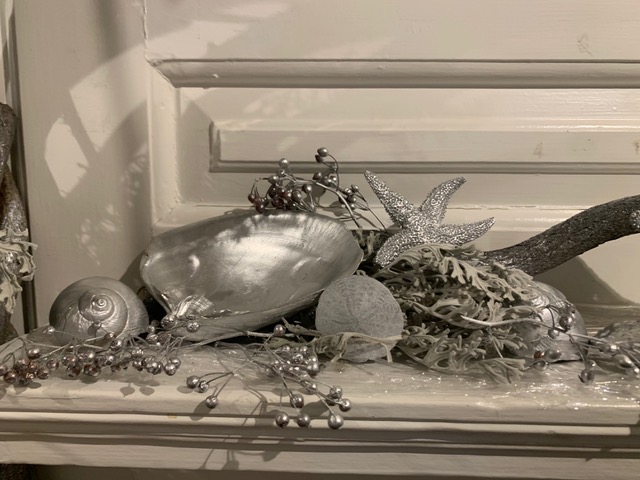
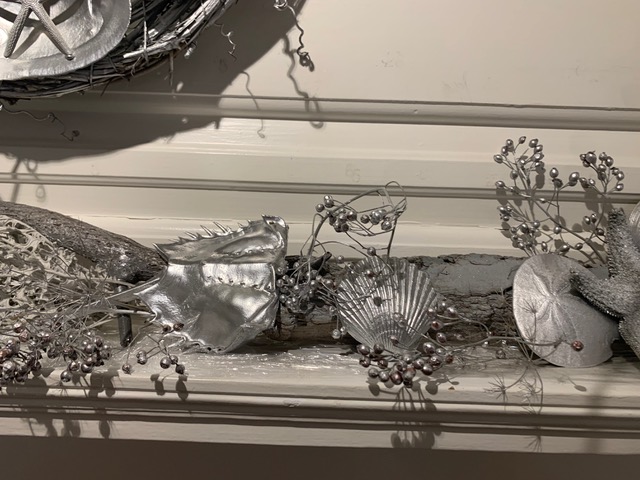
For over ten years the Driftwood Garden Club has collaborated with other garden clubs in Marblehead to decorate the historic King Hooper Mansion, home of the Marblehead Arts Association, for the holiday season.
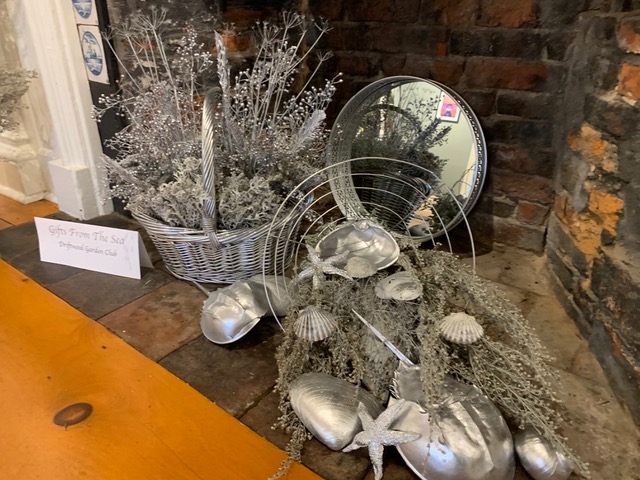
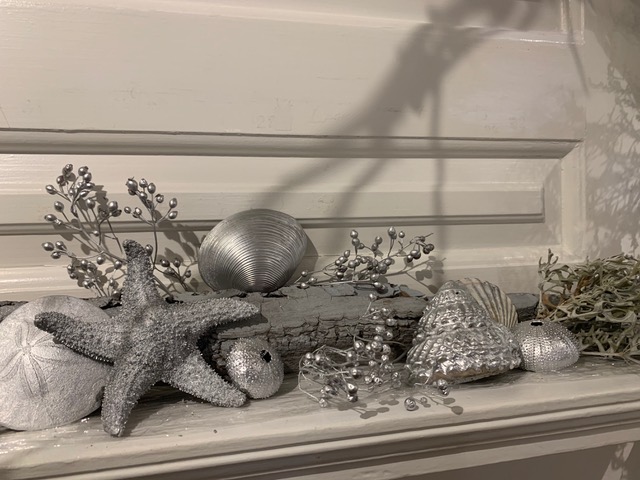
This year talented DGC members Laurie Boggis and Ginny von Rueden designed and installed the display in the first-floor dining room. Their ‘Gifts From The Sea’ silver-themed décor includes fallen branches, driftwood, starfish, sea urchins, shells, beach stones, and hermit crabs found on Cape Cod. Foliage sprays include different types of artemisia, dried cow parsley, and rose hips…wired together and sprayed silver. The ‘Gifts From The Sea’ display is gorgeous!
Please join the preview of holiday décor on Friday, December 4th, 2020, from 5-7 PM to enjoy all the decorated rooms, current MAA art exhibits, and see some of your gardening friends!





Last spring we asked members to submit reflections on how our gardens help us cope with the isolation we may feel due to the Covid-19 virus. We received several responses which will be posted during the next few months. The submission from Harriet Magee below is perfect for Thanksgiving.
With Thanksgiving approaching, it’s time to thank our gardens for keeping us somewhat sane through the pandemic. Unlike nearly every other aspect of our lives since last winter—working, shopping, socializing, volunteering, taking classes—gardening has allowed us to experience real, not virtual, life. So much of the pandemic has seemed like a delusion. Efforts to bypass the terror of catching COVID 19 have driven some to spraying and wiping groceries and quarantining trick or treat candy. Such efforts seemed nutty and like whistling in the dark. People seemingly aren’t satisfied with the droplet theory of transmission, which has held its own over these long months.
Let’s celebrate that our gardens didn’t need to get cancelled, Zoomified, sanitized. Instead, as always, we dealt with poor dirt, weeds, the odd groundhog, and the endless rocks the New England soil never stops gifting. We produced lots of beauty and happiness using the same old tools and techniques. And we’re planning on making next year’s garden finally perfect. Or almost.
Meanwhile, should the desperate hope for a vaccine in the second quarter prove naïve, we’ll need to remember that the low-grade loneliness and boredom the pandemic has infected us all with has a powerful antidote. Come April and May, we’ll not need to social distance in our gardens. Unmasked, we can get real close to our beloved plants, and open up our needy, lonely selves to green shoots in the brown dirt.
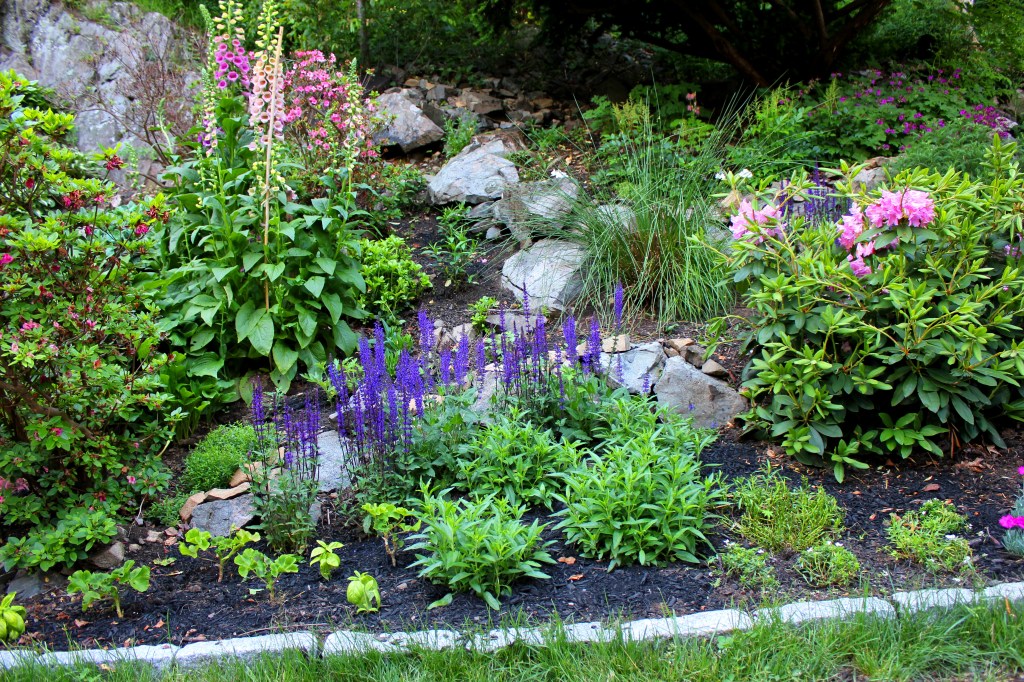
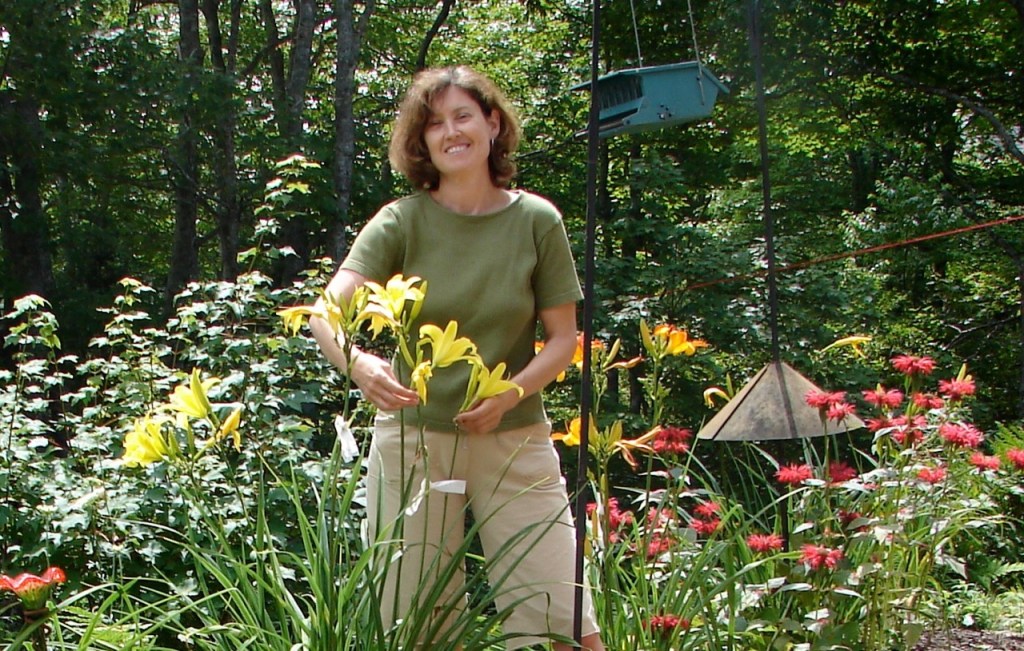
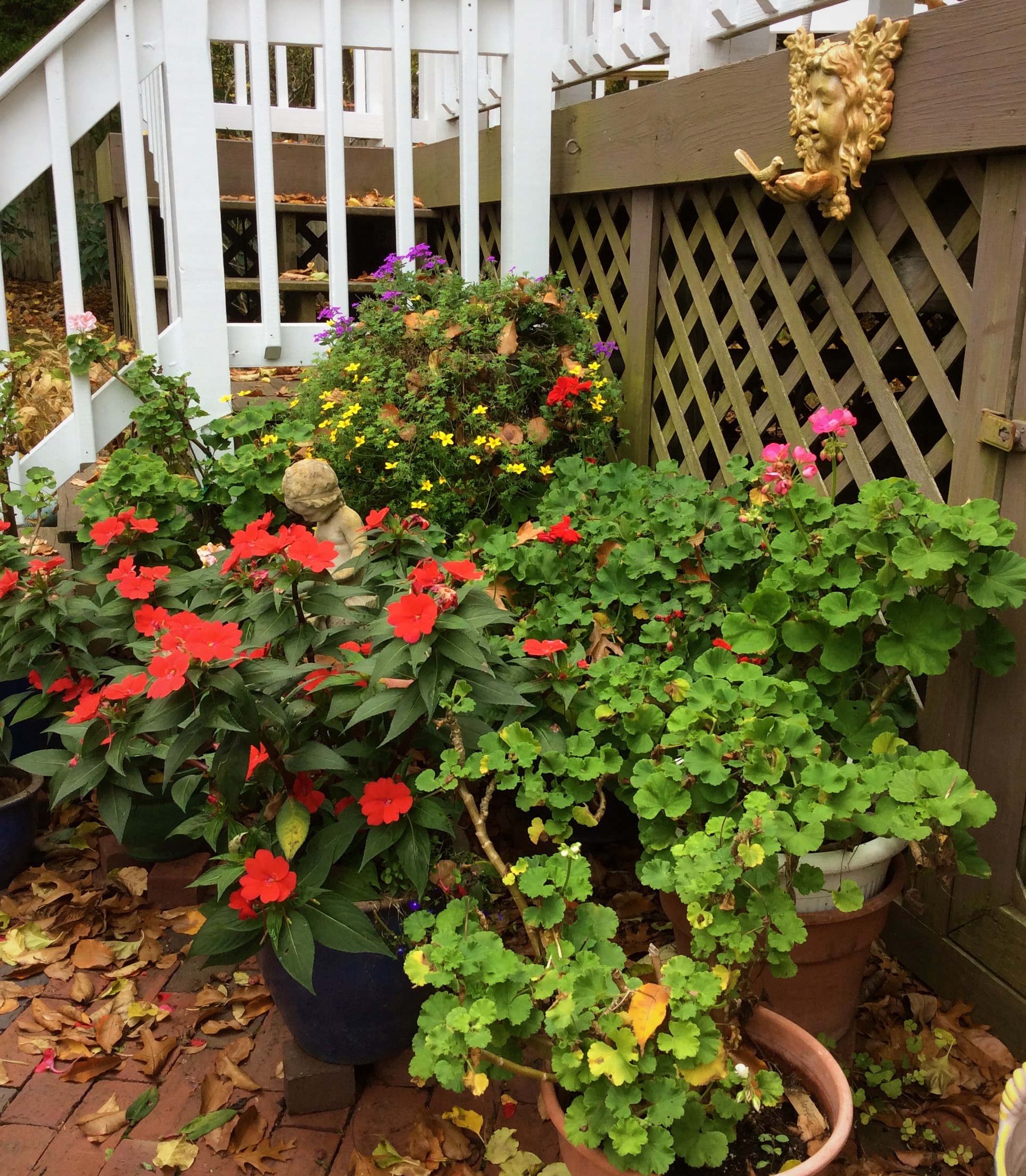
The two photos are of Harriet’s garden.
If you would like to submit reflections on how your garden restored your spirit during the past months please send your thoughts to: driftwoodgardenclub50@gmail.com
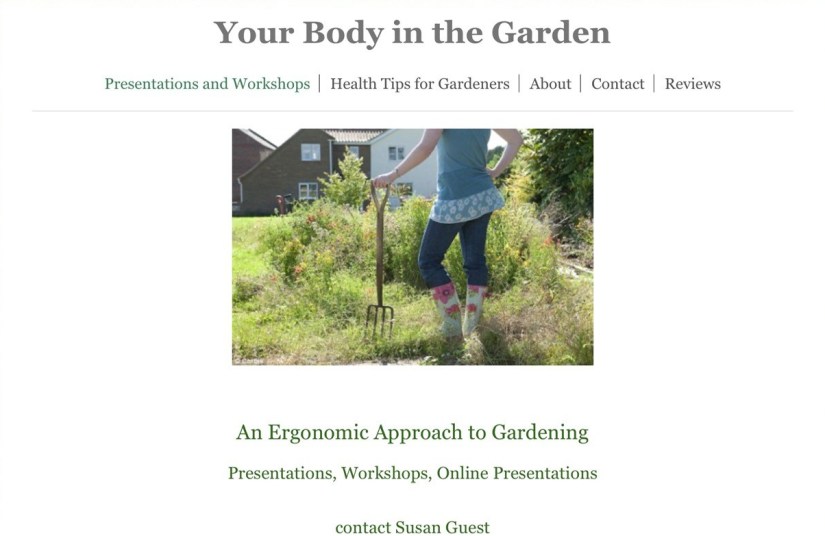
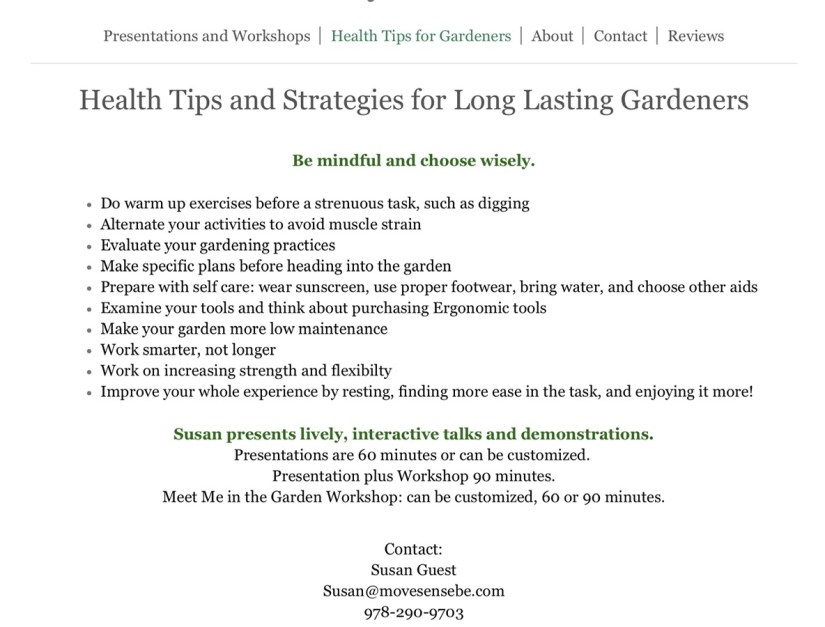
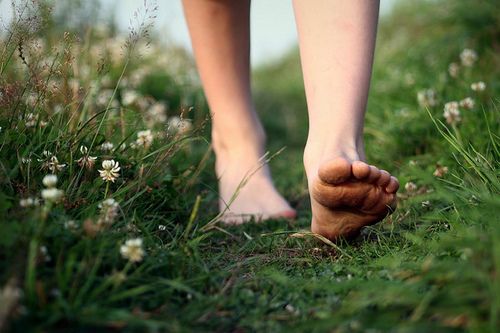
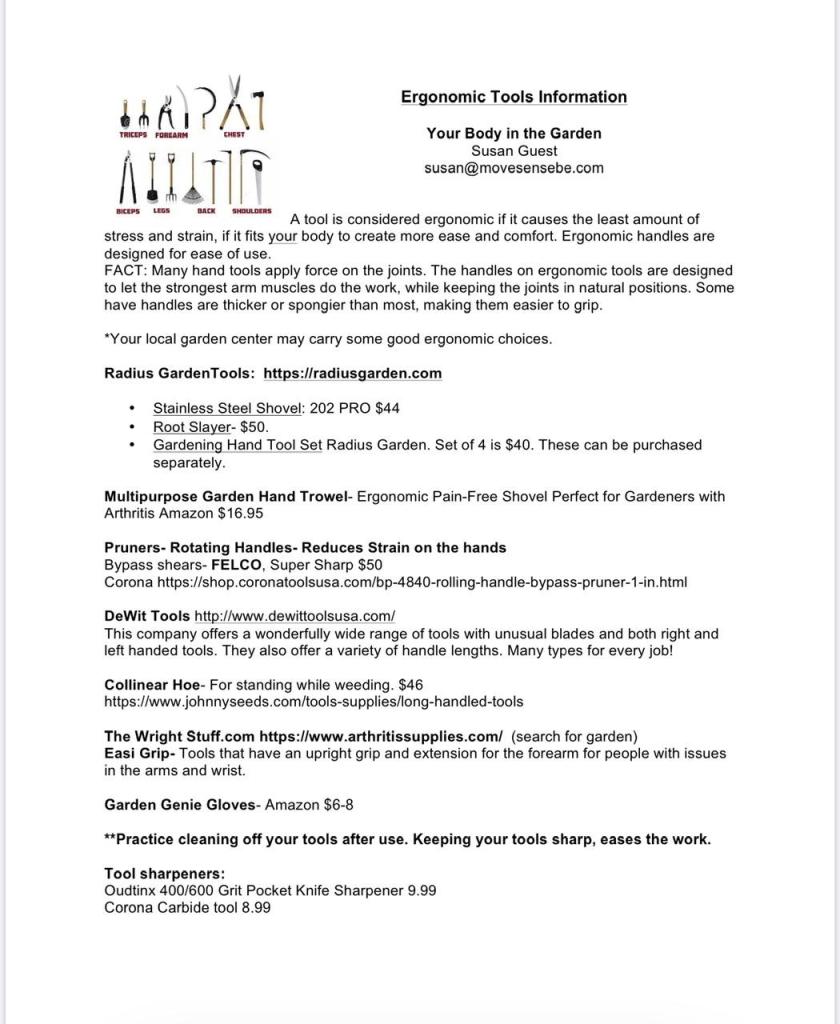
The Driftwood Garden Club of Marblehead’s November 2020 meeting was a robust Zoom presentation by Susan Guest entitled “Your Body in the Garden.” Susan, who has a background in physical fitness, highlighted practical information to keep us injury-free while we work in the garden. We all know gardening can be demanding on the body. She showed us a variety of ergonomic tools to bring more awareness to our posture, improve our strength and flexibility, and avoid muscle strain. Don’t forget your wide-brimmed hat and sunscreen! She also emphasized the importance of enjoying the experience, and walking barefoot on your grass to connect with nature. As always, our meeting was a time for us to learn valuable information and to reconnect with fellow garden club members.


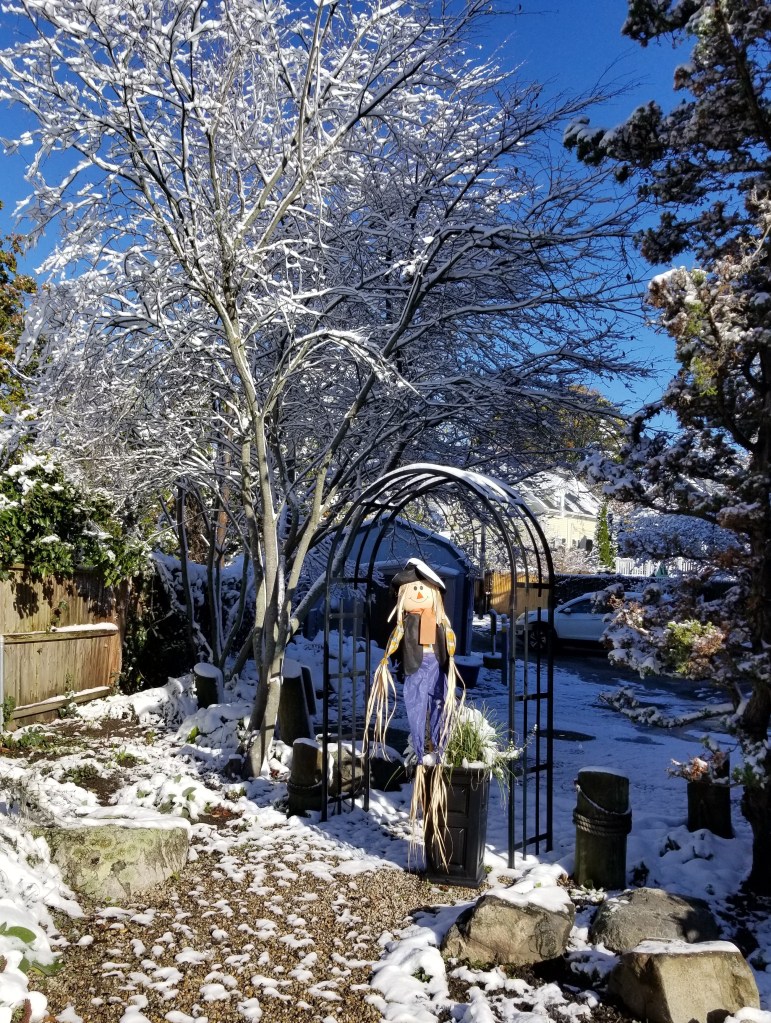
Snow arrived early this year, in time to decorate the Abbot gardens for Halloween; or provide picture perfect images for Christmas cards. With often ignored details outlined in new ways and limbs hanging heavy, the spaces become magical. Luckily the temps over the next few days will melt the snow and we will once again be greeted with the normal late fall views.




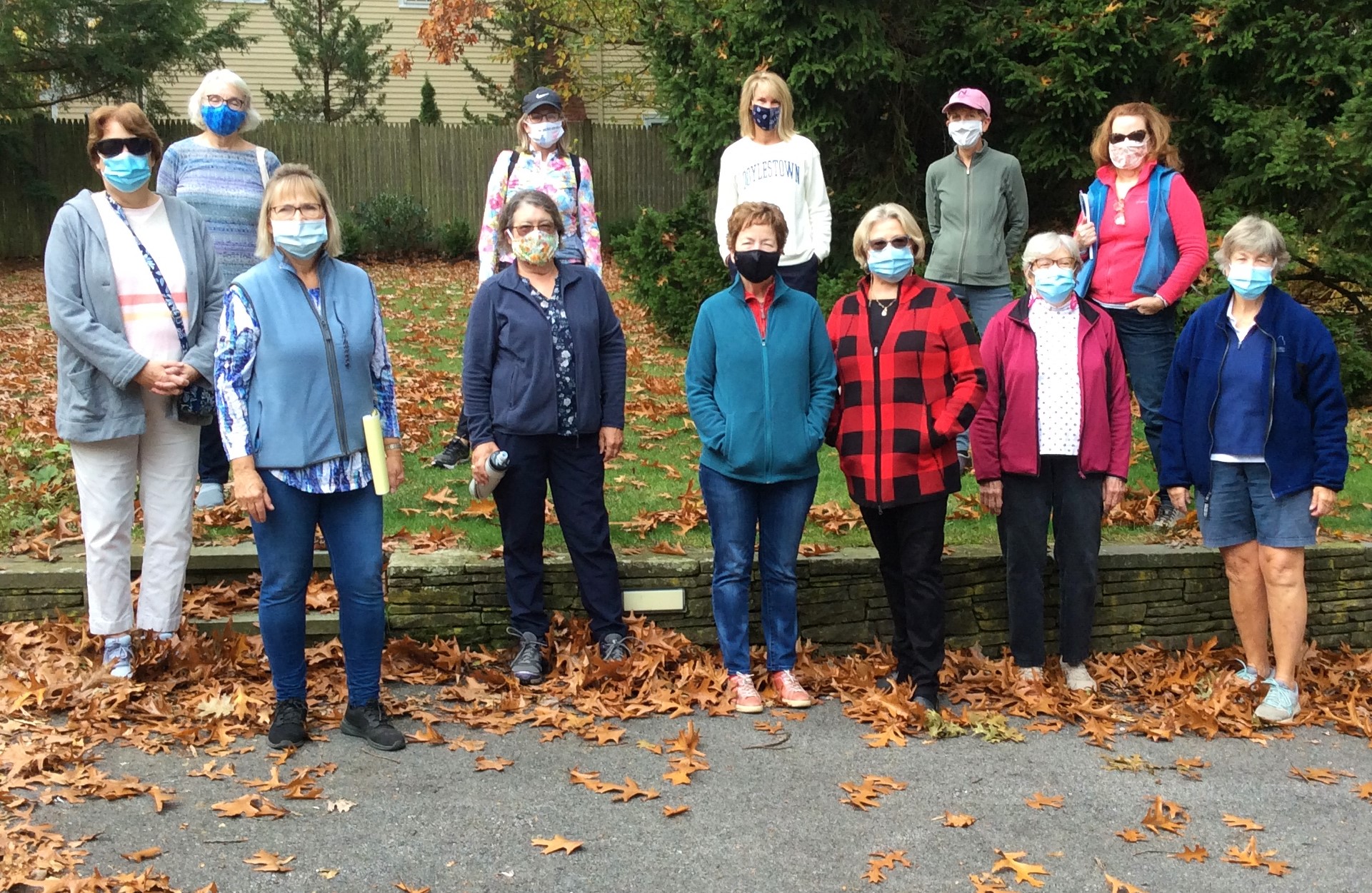
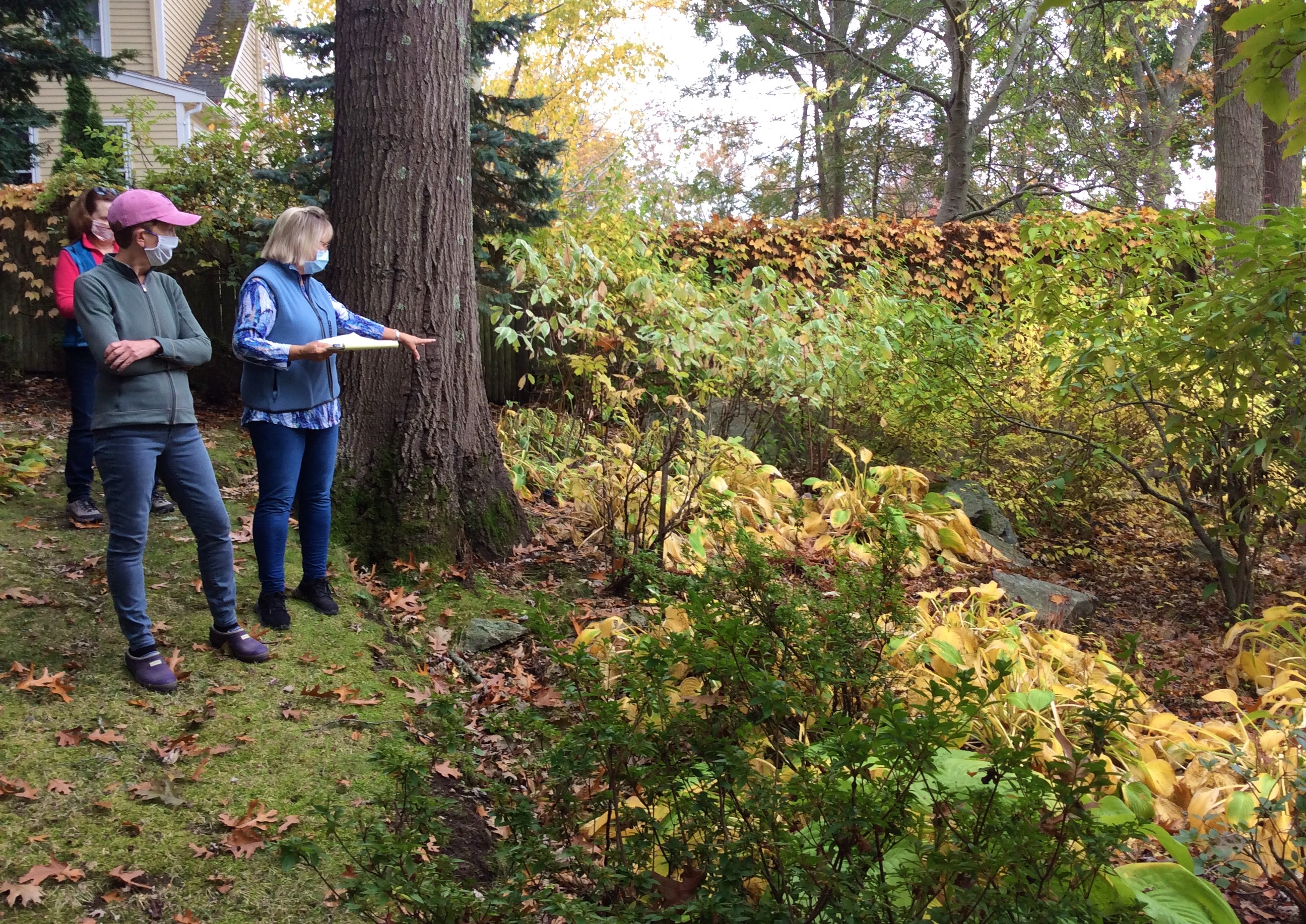
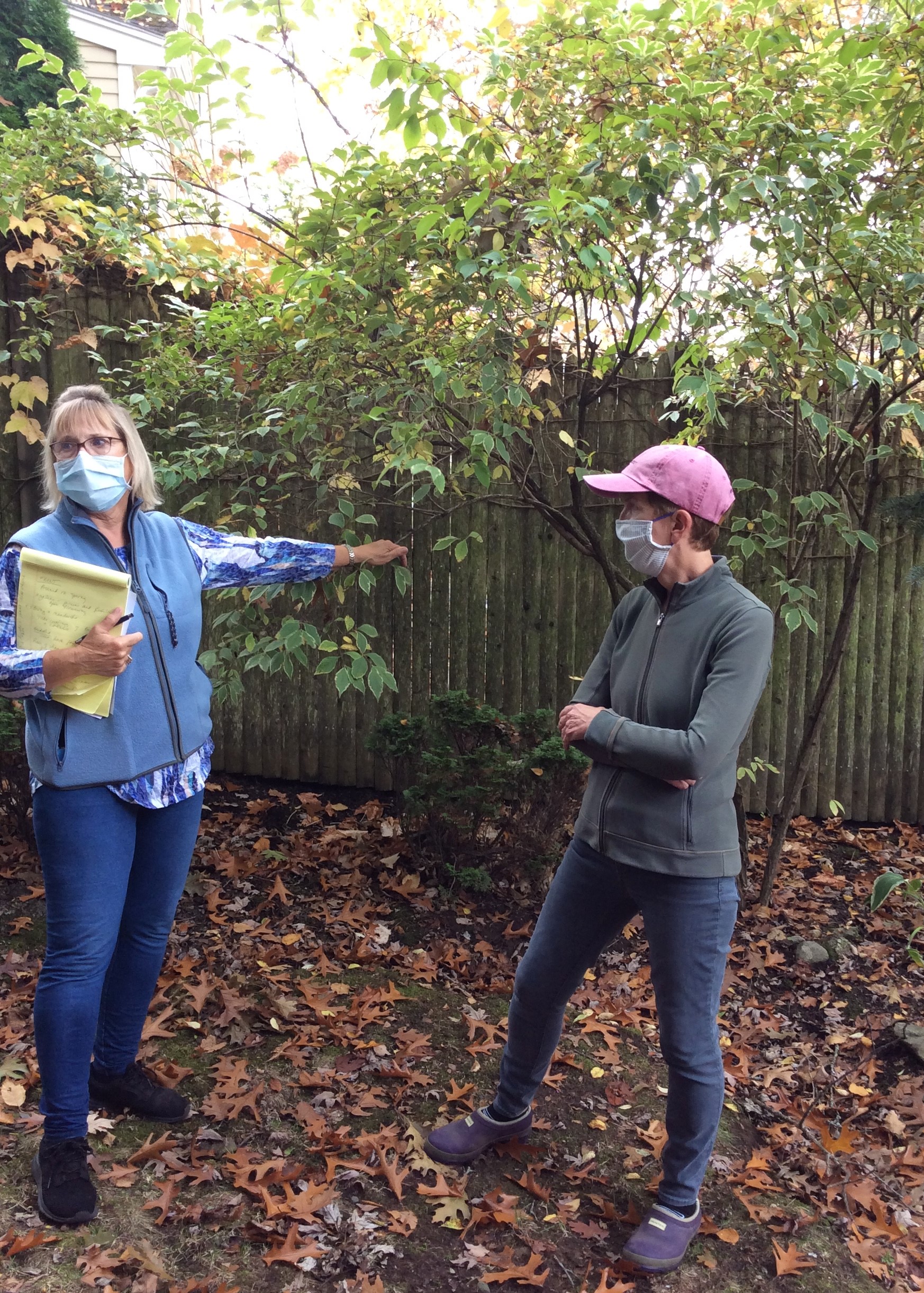
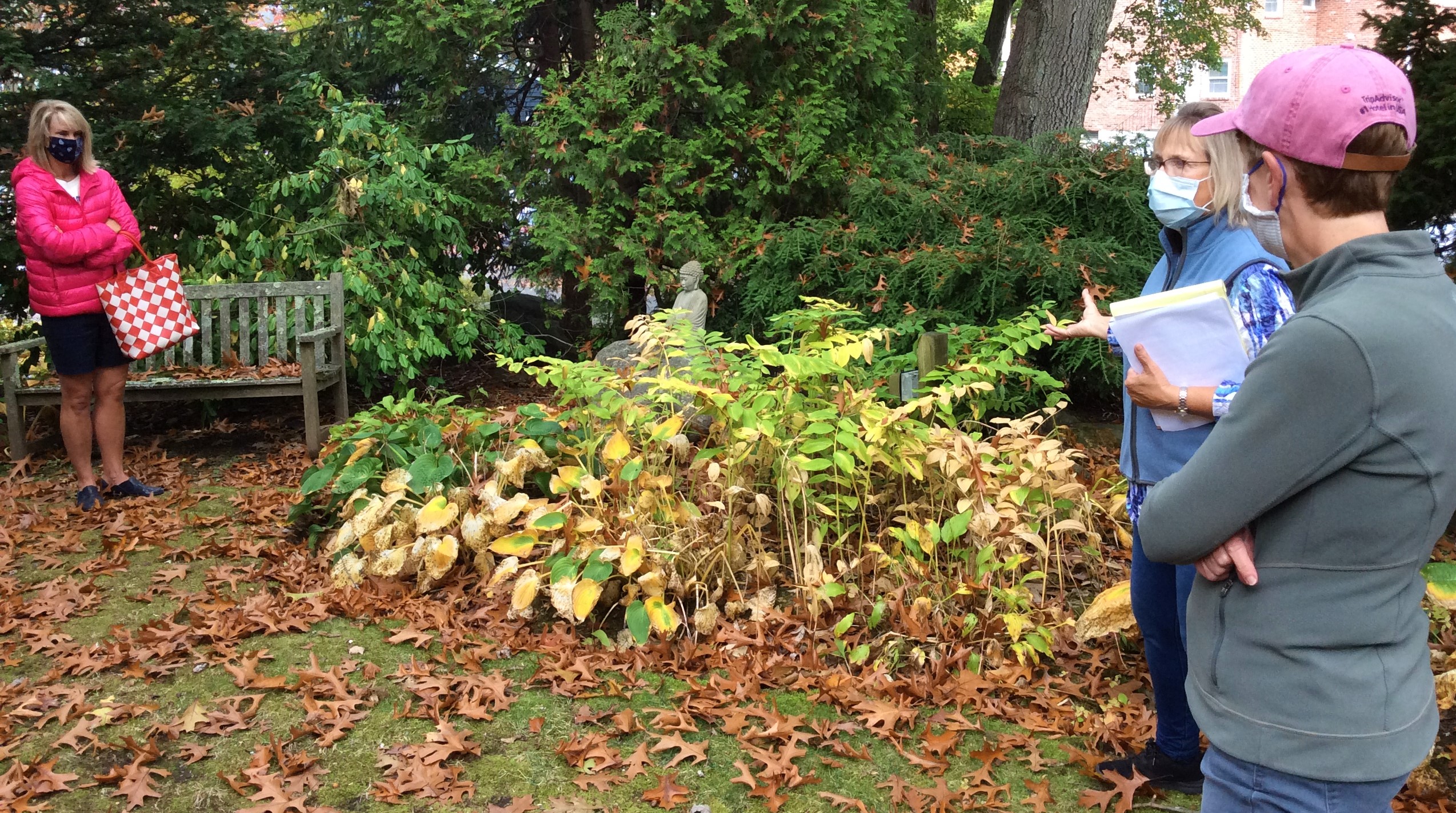
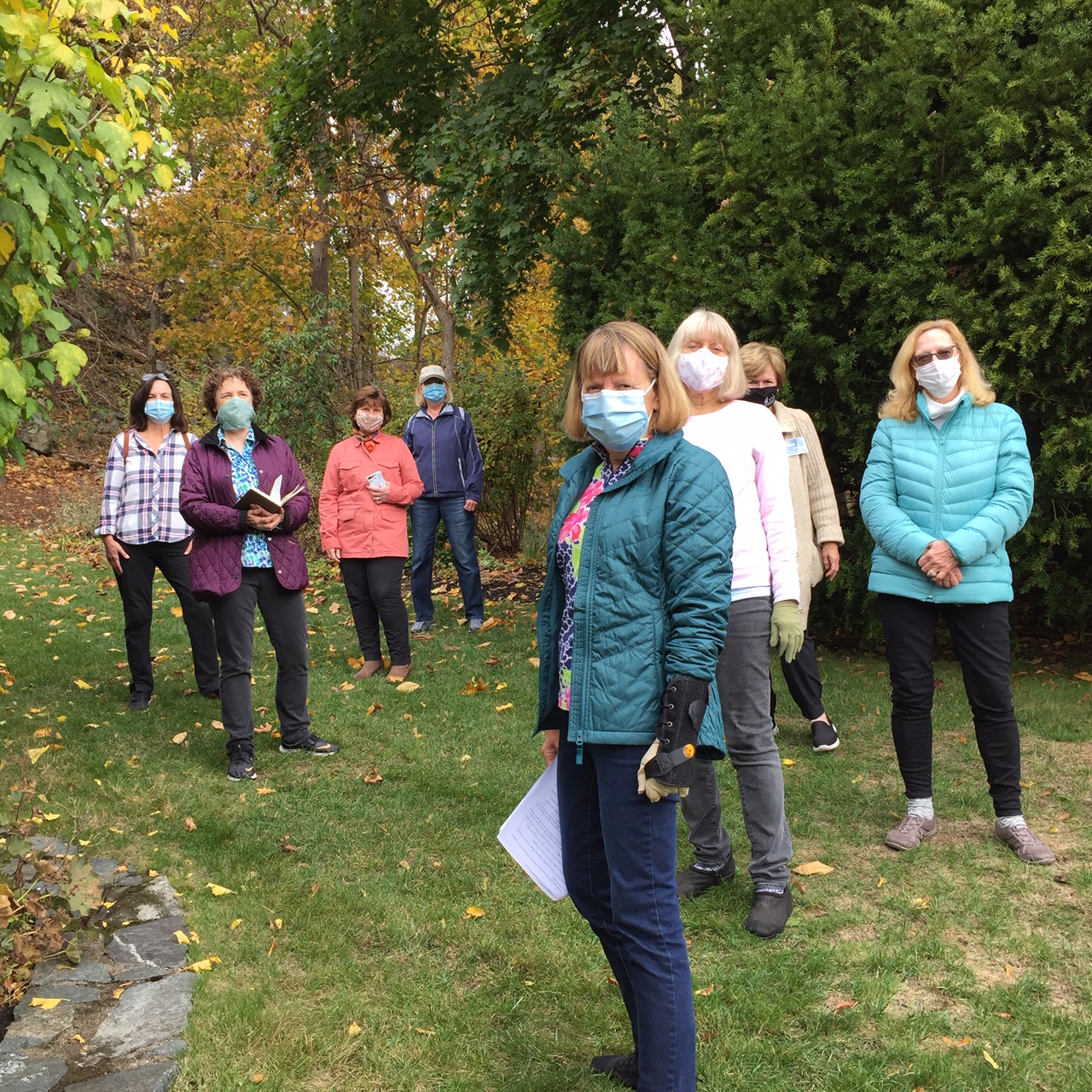
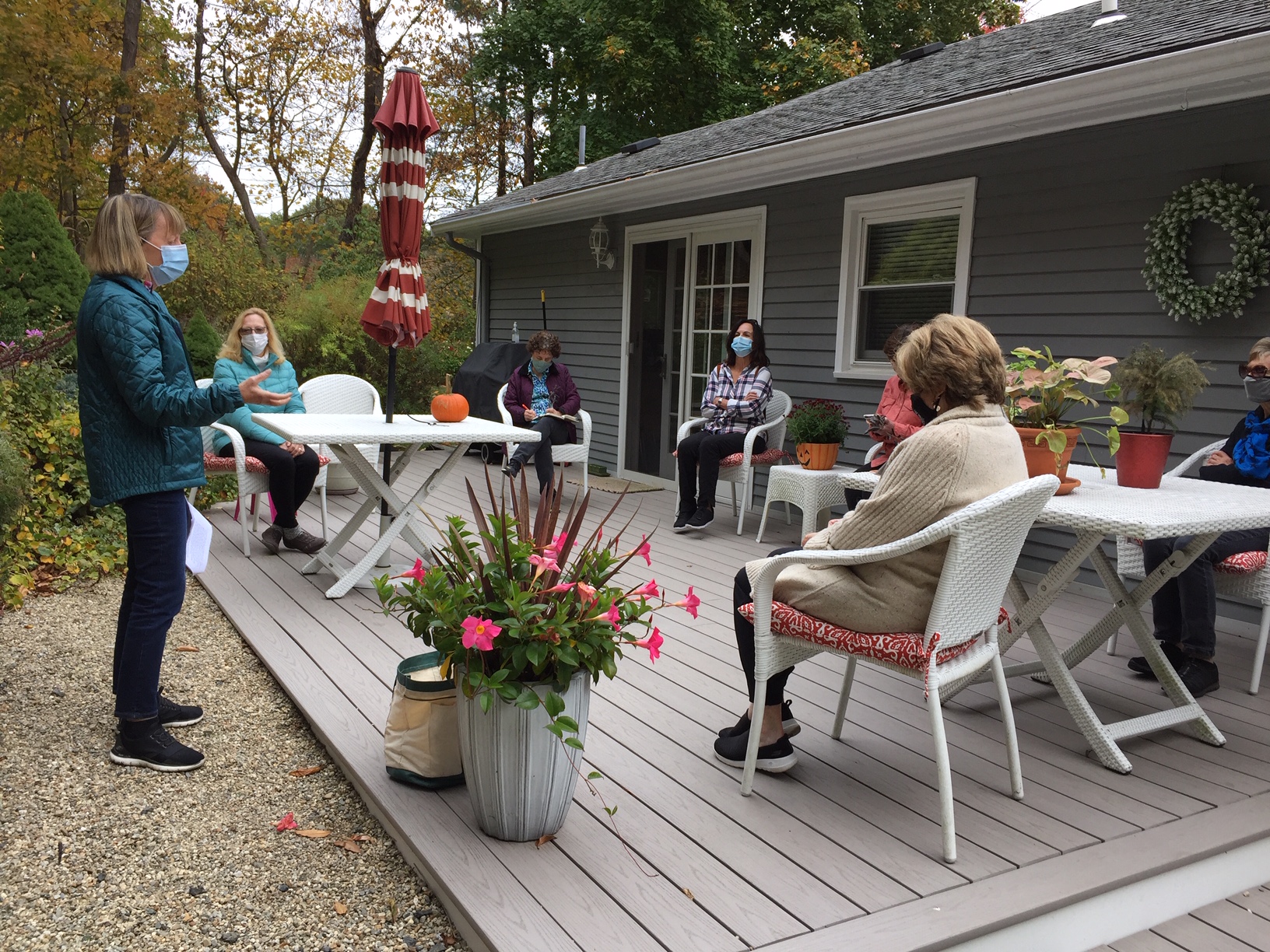
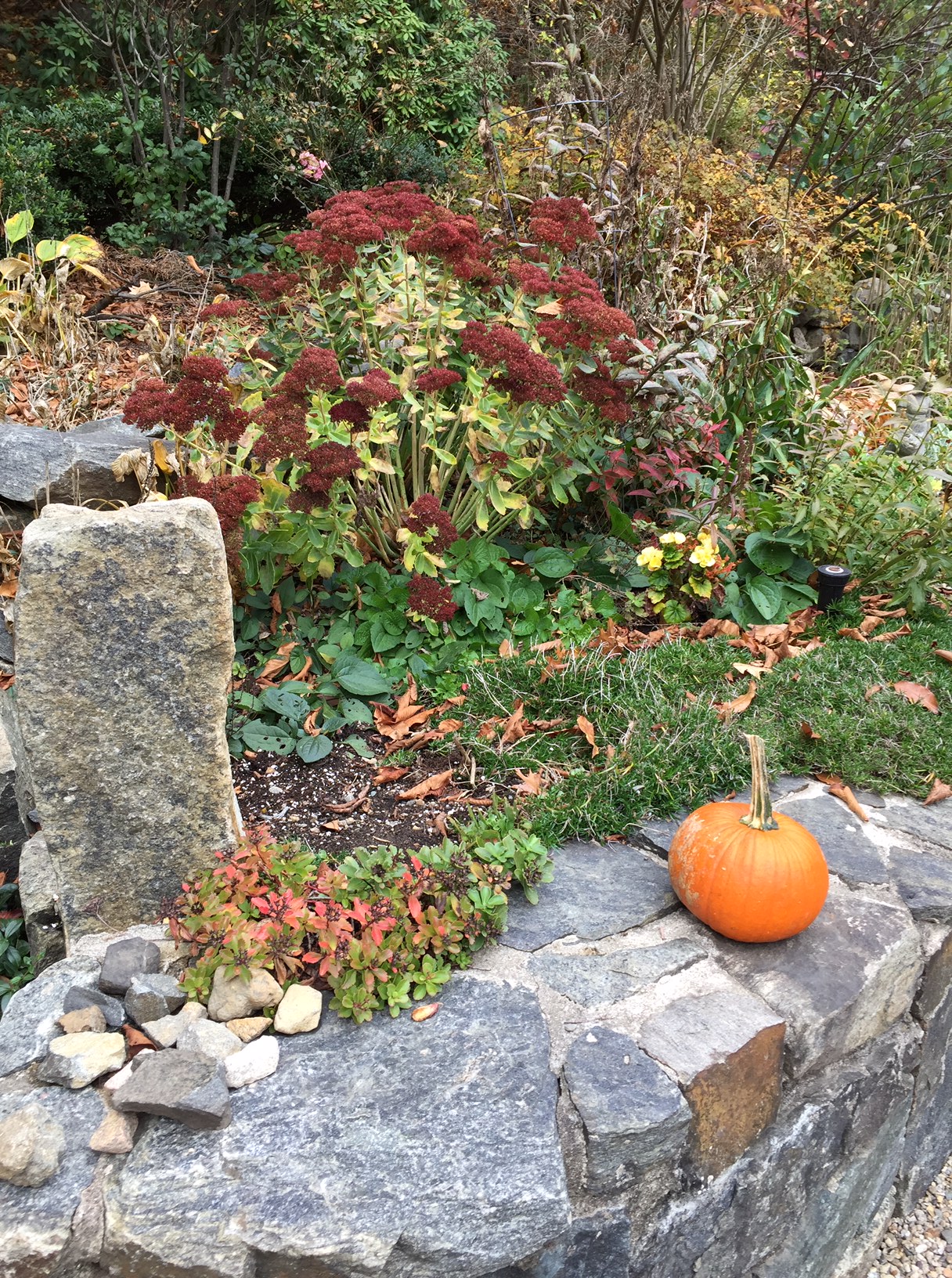
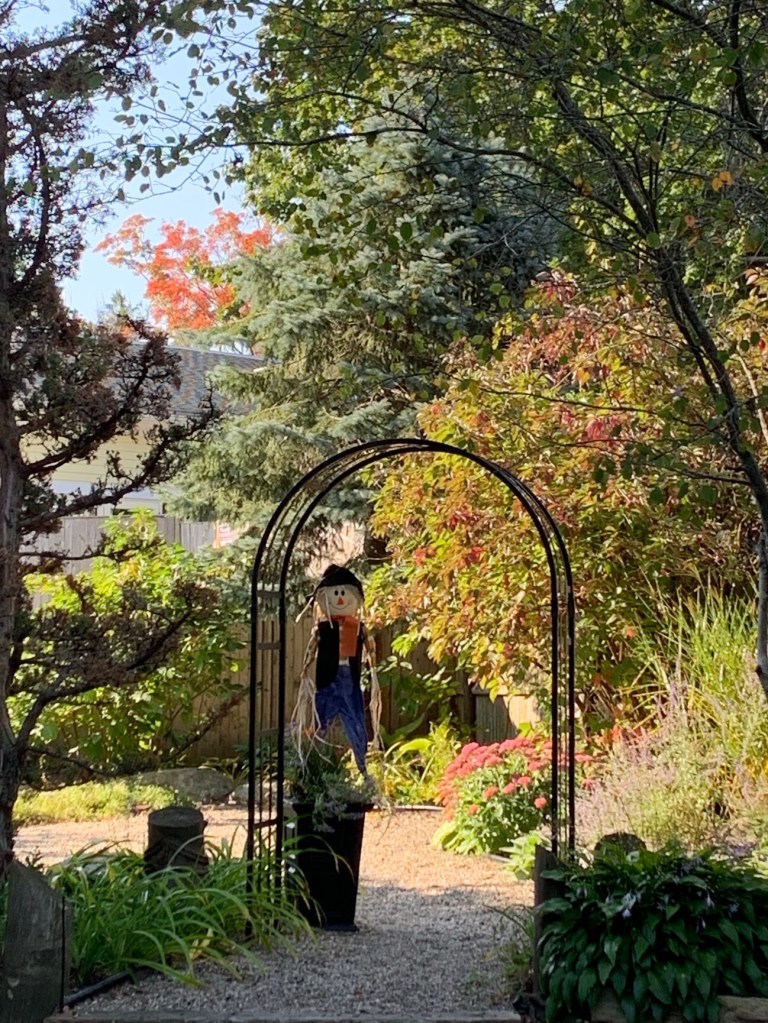
On a crisp fall morning, two groups of Driftwood Garden Club members gathered at the homes of Ginny Von Rueden and Margaret Bowen for practical demonstrations on putting our gardens to bed for the winter. Many thanks to speakers Kathy Bradford, Ginny Von Rueden, and Laurie Boggis. We learned which plants to bring inside, which to cut back now and which to leave until spring. According to speaker Kathy Bradford, “If it is yellow or brown, cut it down. If it is green, leave it alone!” We also discussed cleaning our tools at the end of the season: wash your tools, then dry and coat with a light layer of linseed or mineral oil to prevent rust. Putting your garden to bed is a process over several months, and will result in less spring cleanup and healthy plants to enjoy next year!
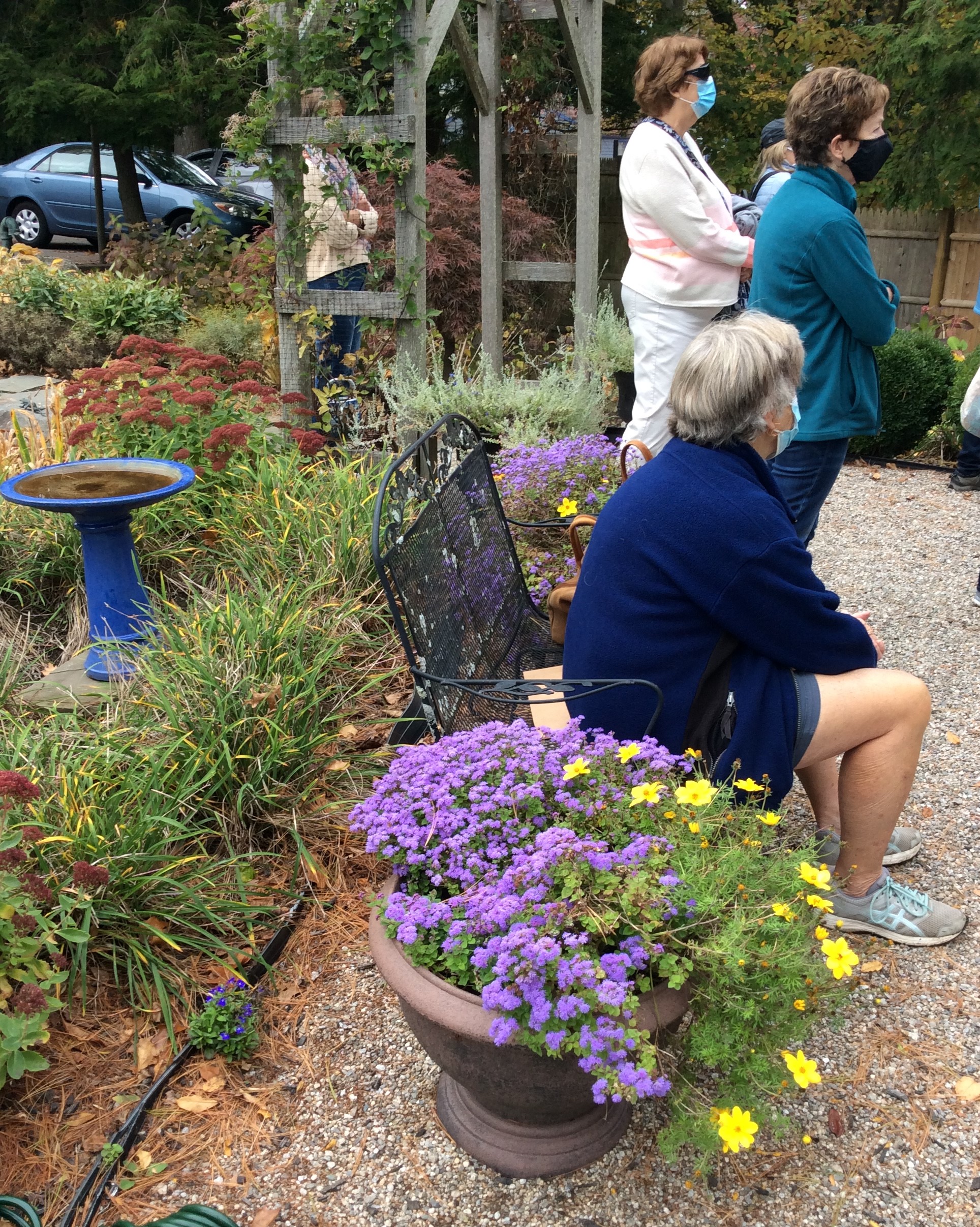

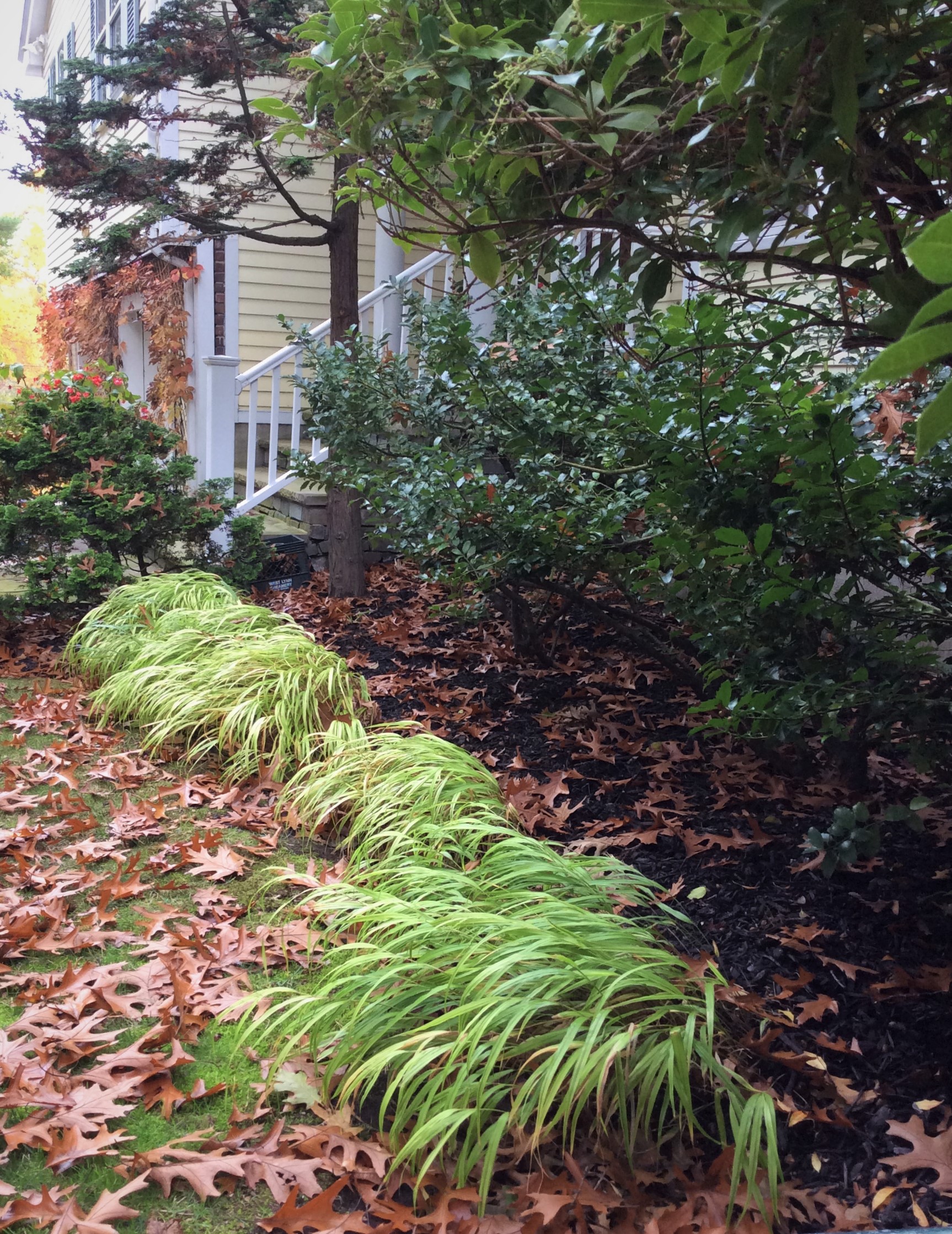

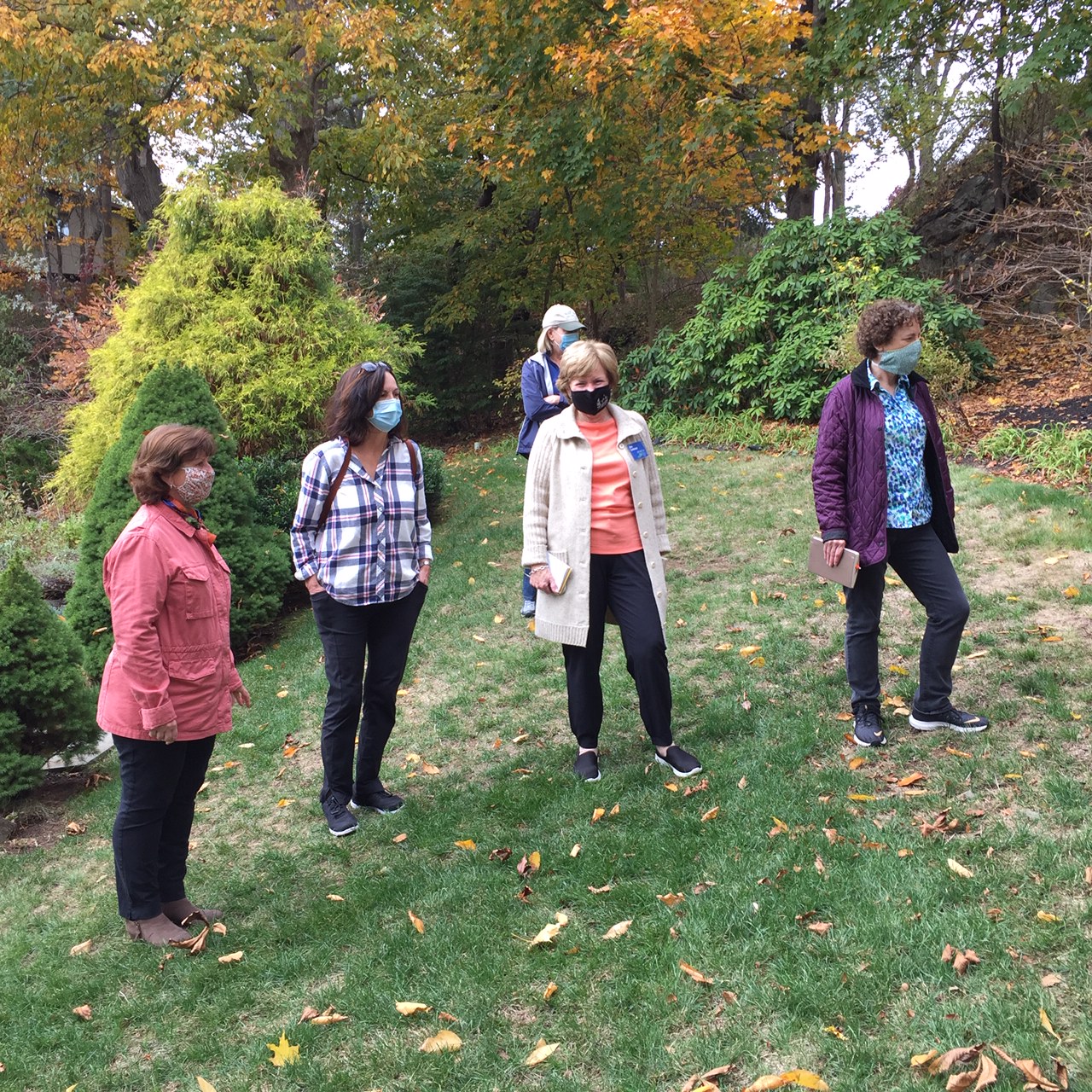


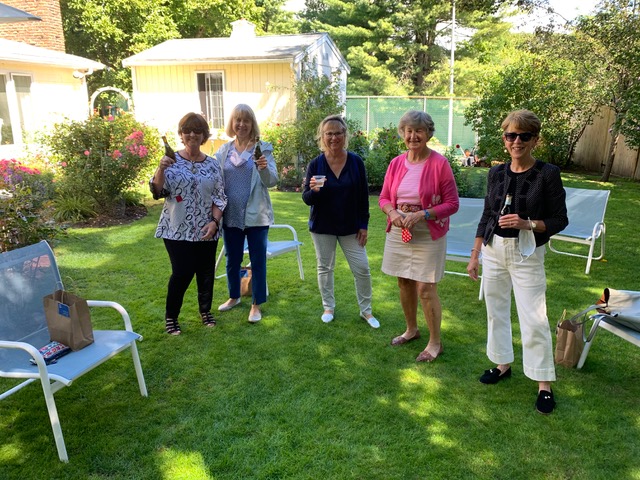

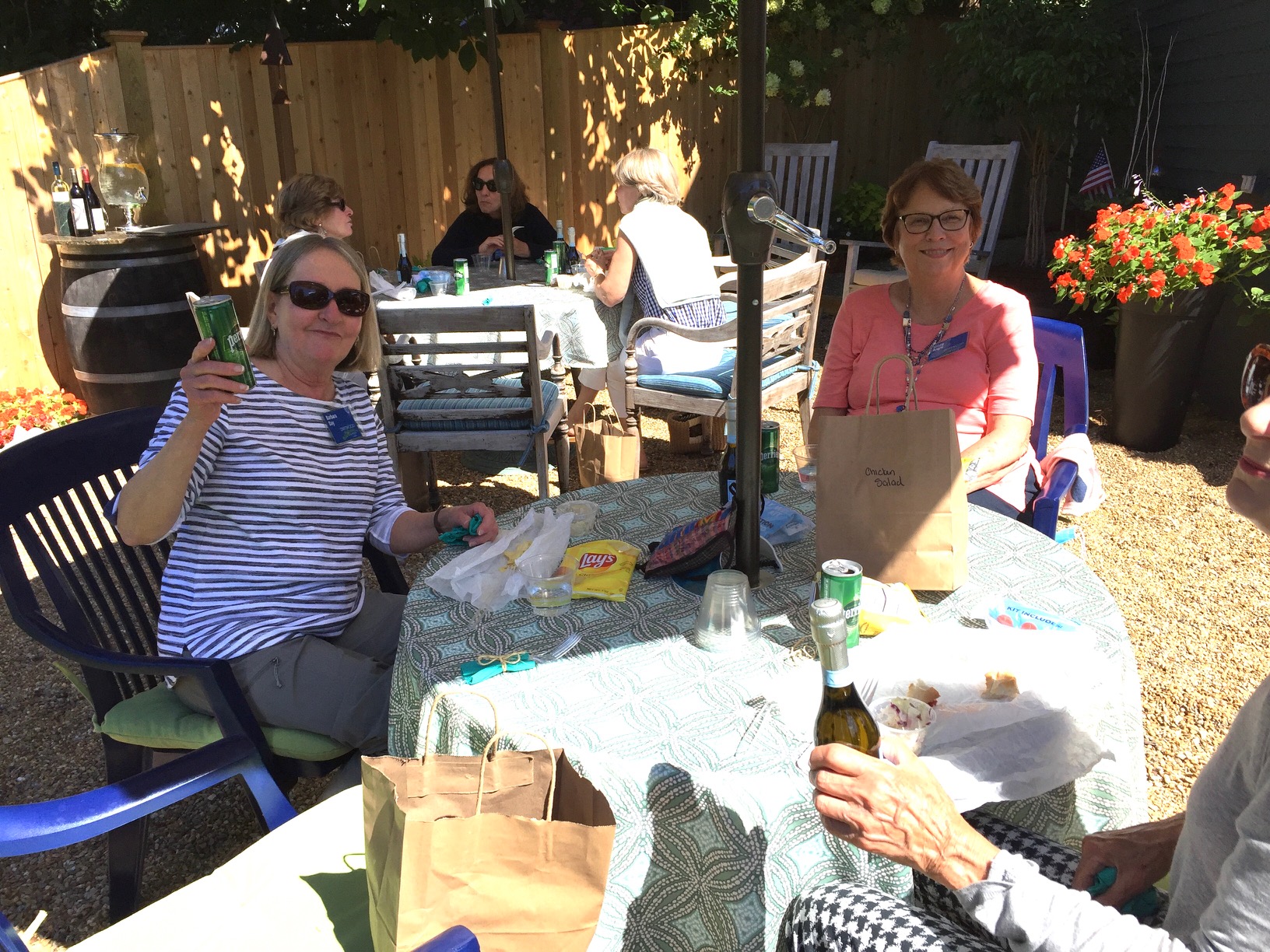

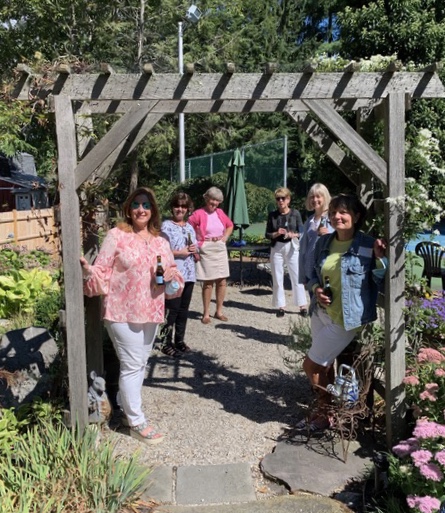


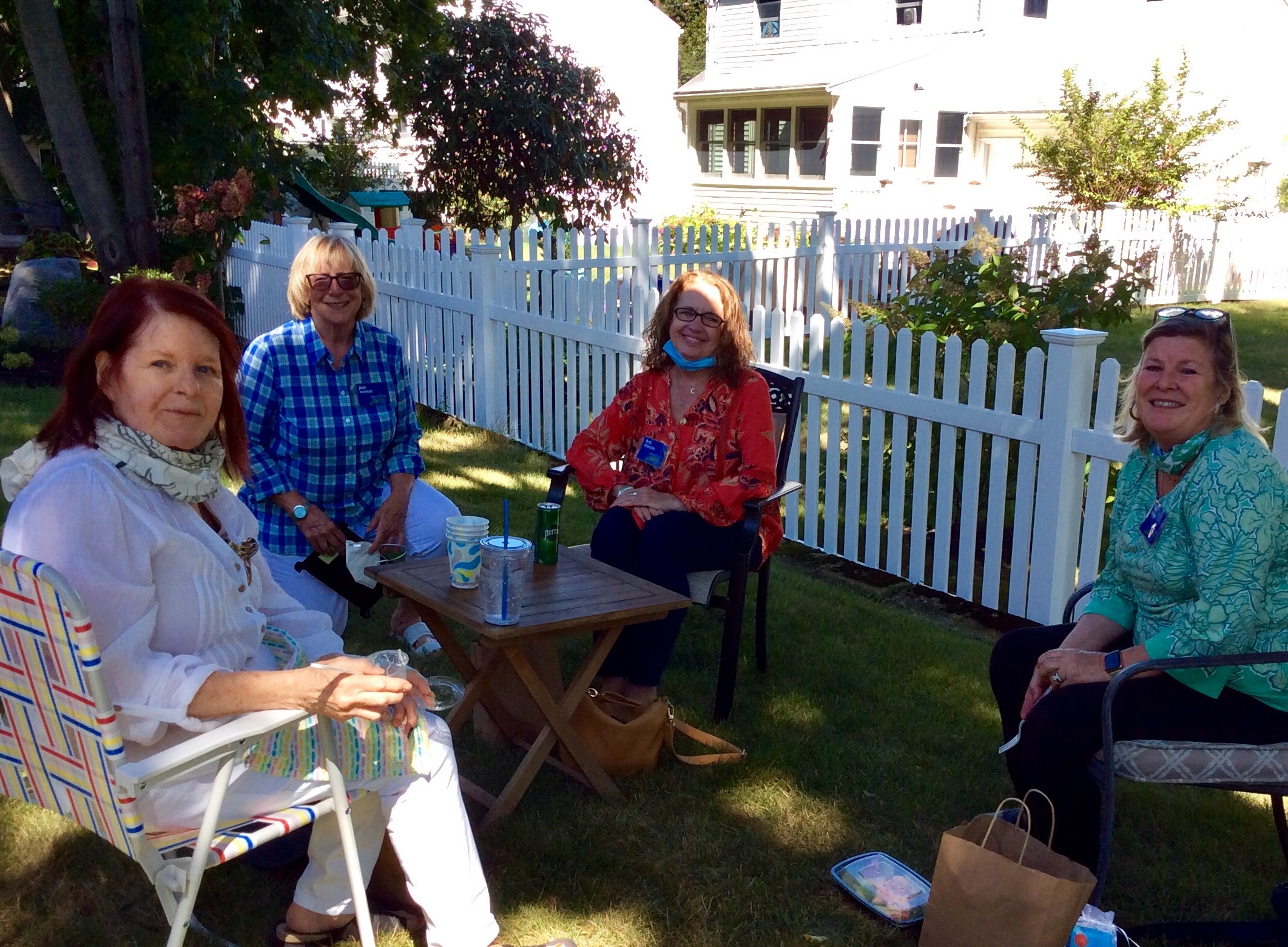

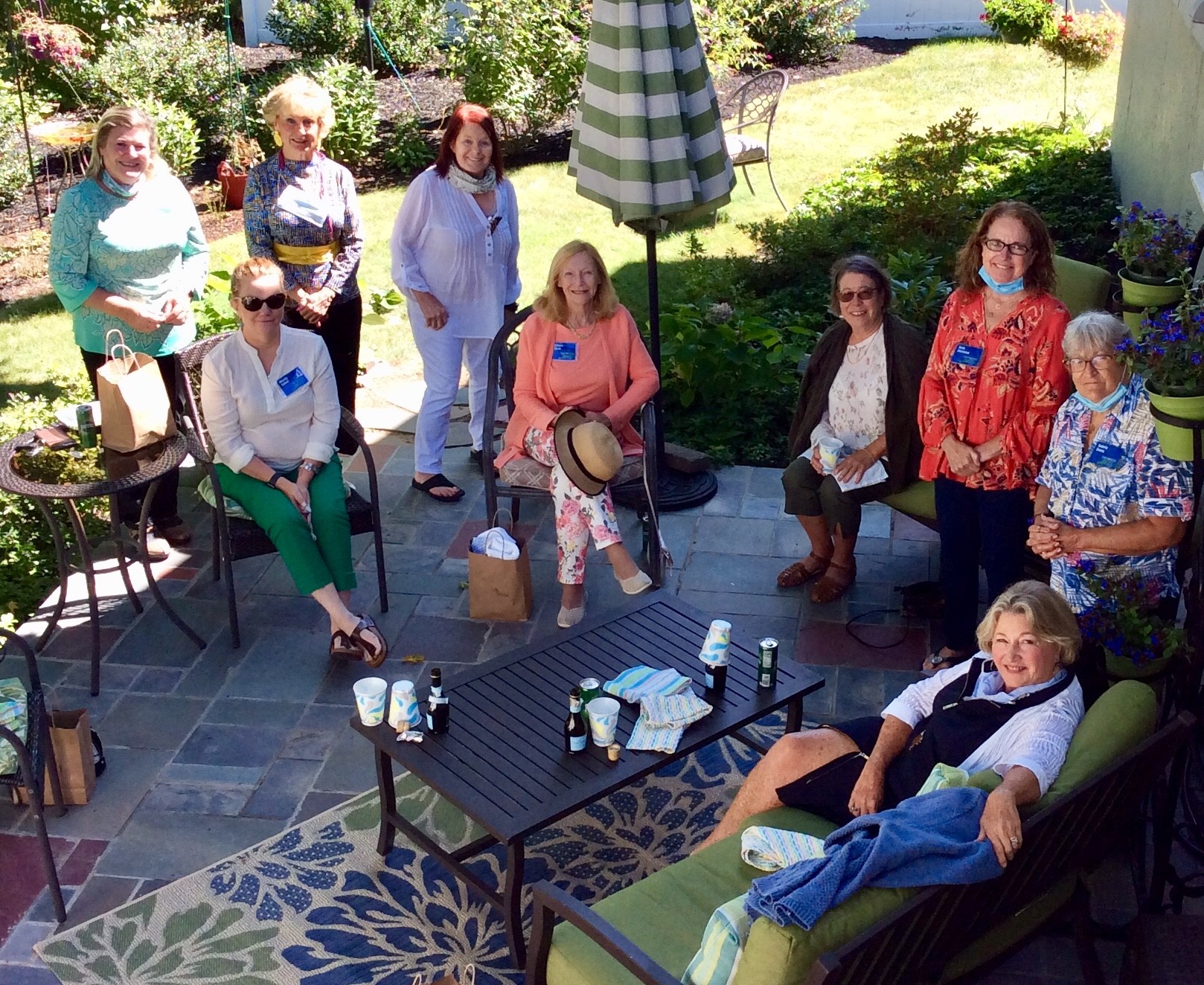
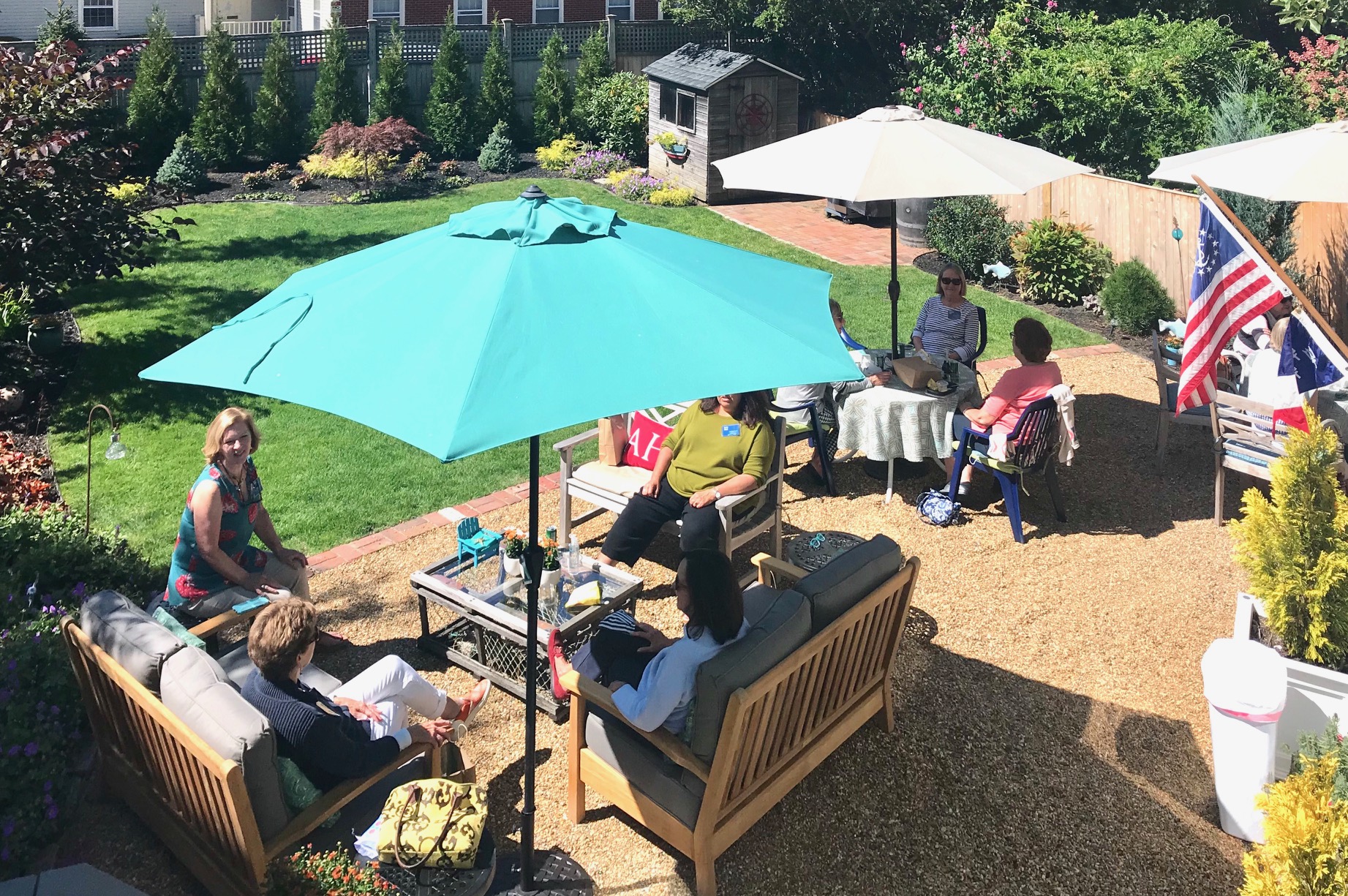
This year due to the Coronavirus pandemic, 30 Driftwood Garden Club members met at three different gardens for our annual luncheon. Groups of ten socially-distant members enjoyed lobster rolls in the sunny gardens of Joan Hosman, Barb Graves, and Ginny Von Rueden. Good food, good weather and good company!
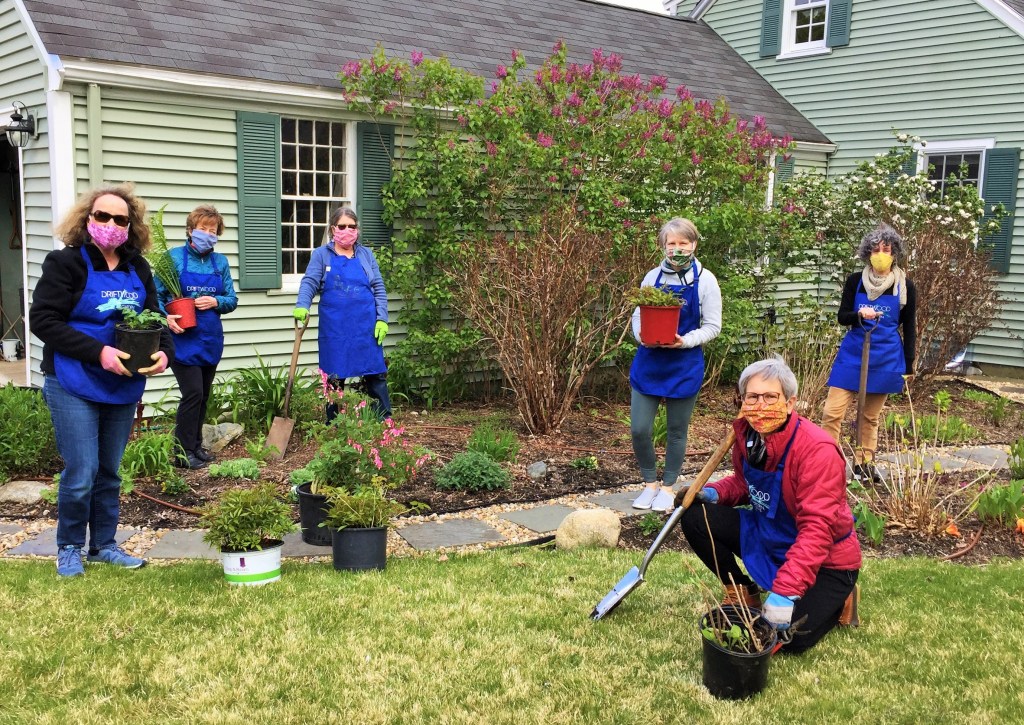
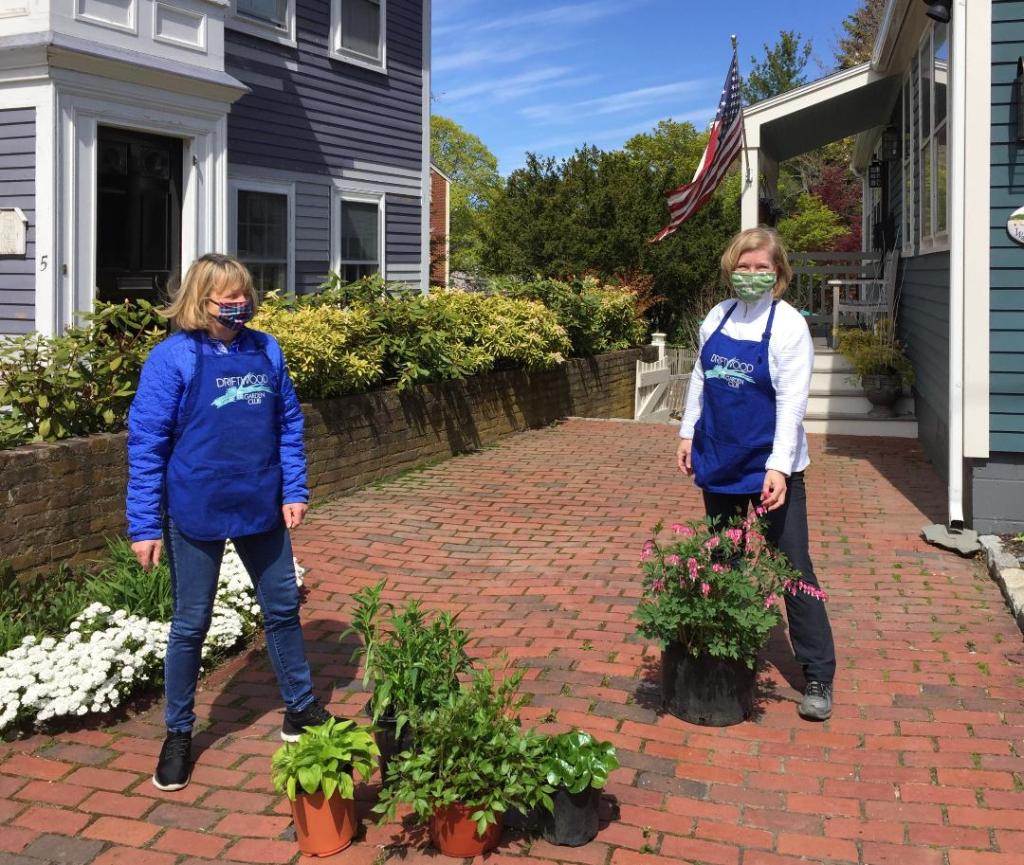
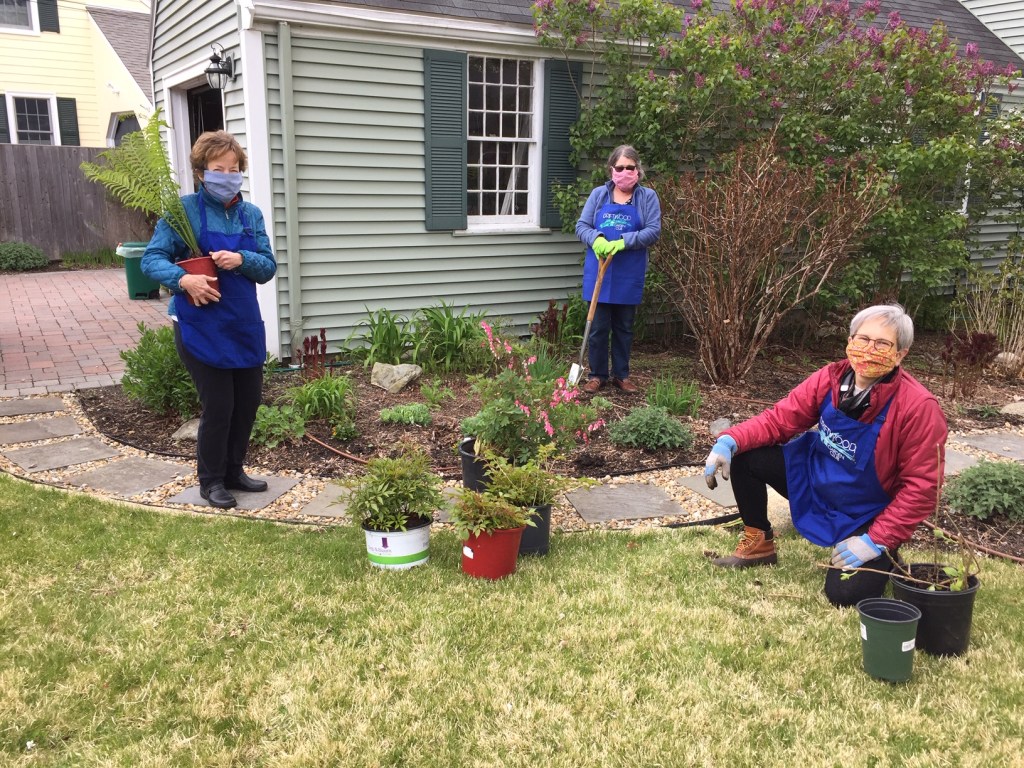
The Driftwood Garden Club of Marblehead found a creative solution when their annual plant sale was cancelled due to the 2020 Coronavirus Pandemic. Wearing face masks and maintaining social-distancing guidelines, members dug and divided plants in their yards, then listed those plants available to other members. Members virtually shopped for a special plant, and arranged for socially-distanced pickup. This member-only plant sale fostered camaraderie and hope for a healthy future in the spring of this pandemic time.

 Driftwood Garden Club