Established in 1952 as a volunteer, non-profit organization, the DGC maintains the Abbot Public Library gardens and provides educational opportunities in gardening and support of our environment.
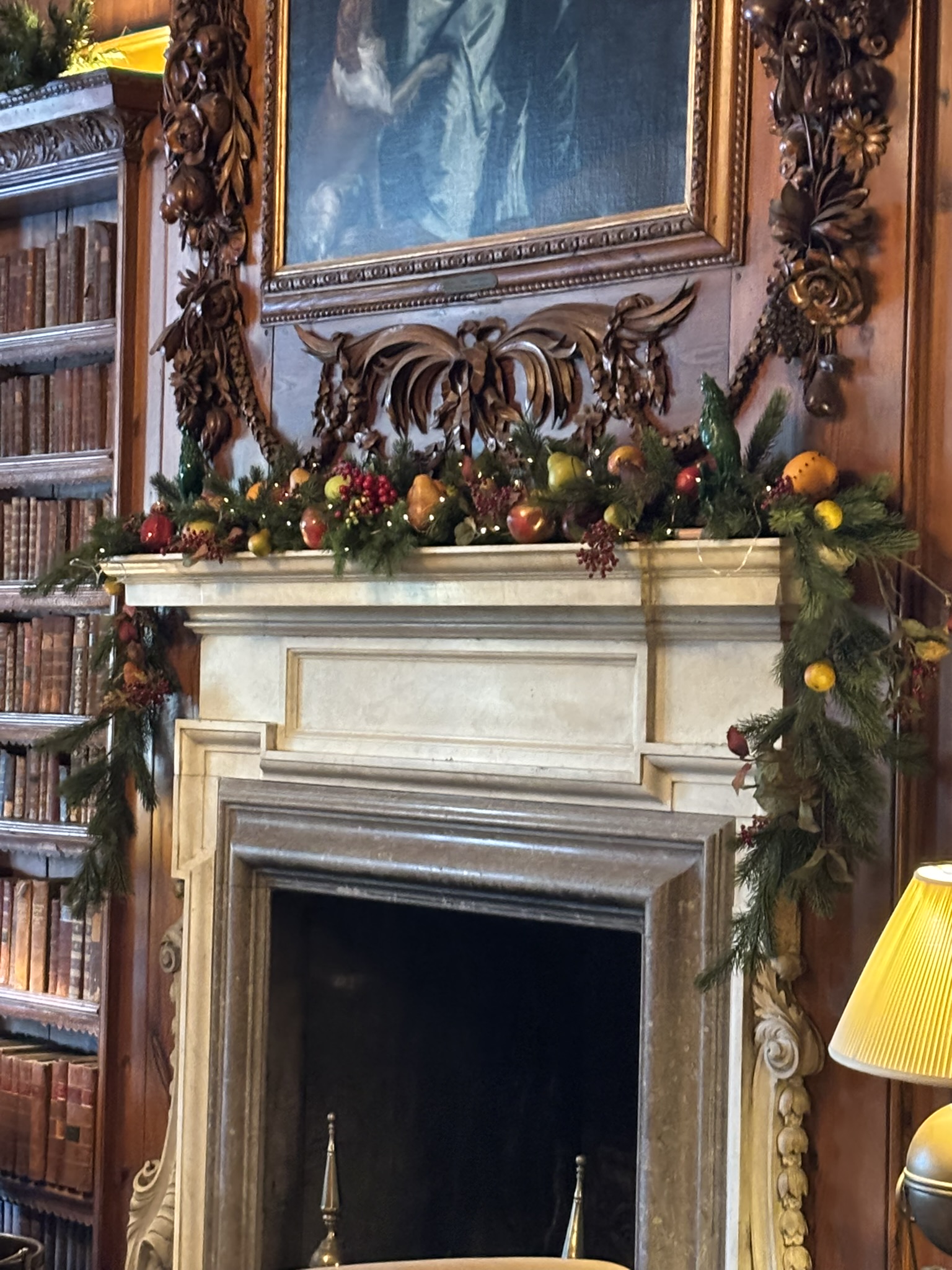
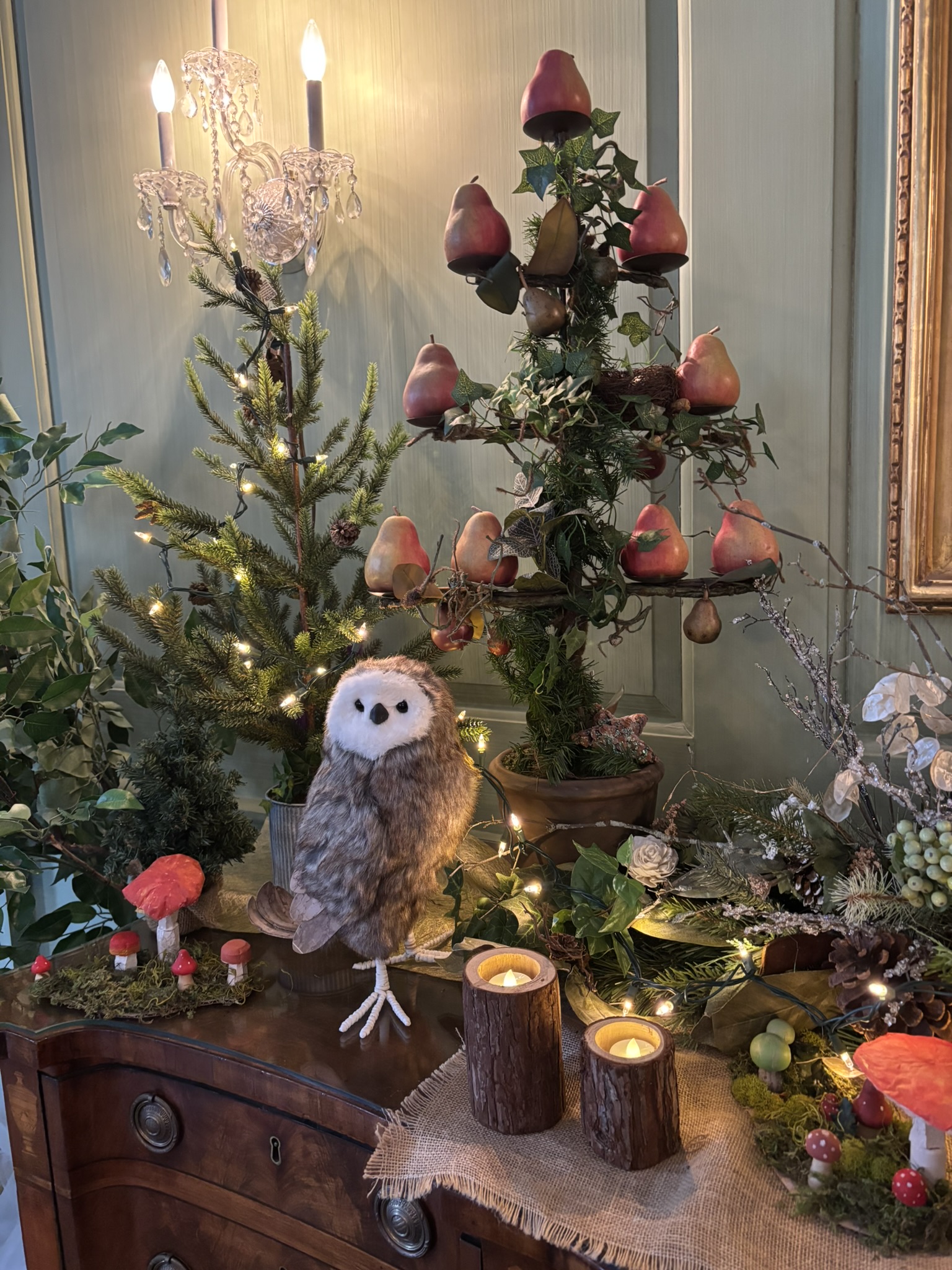
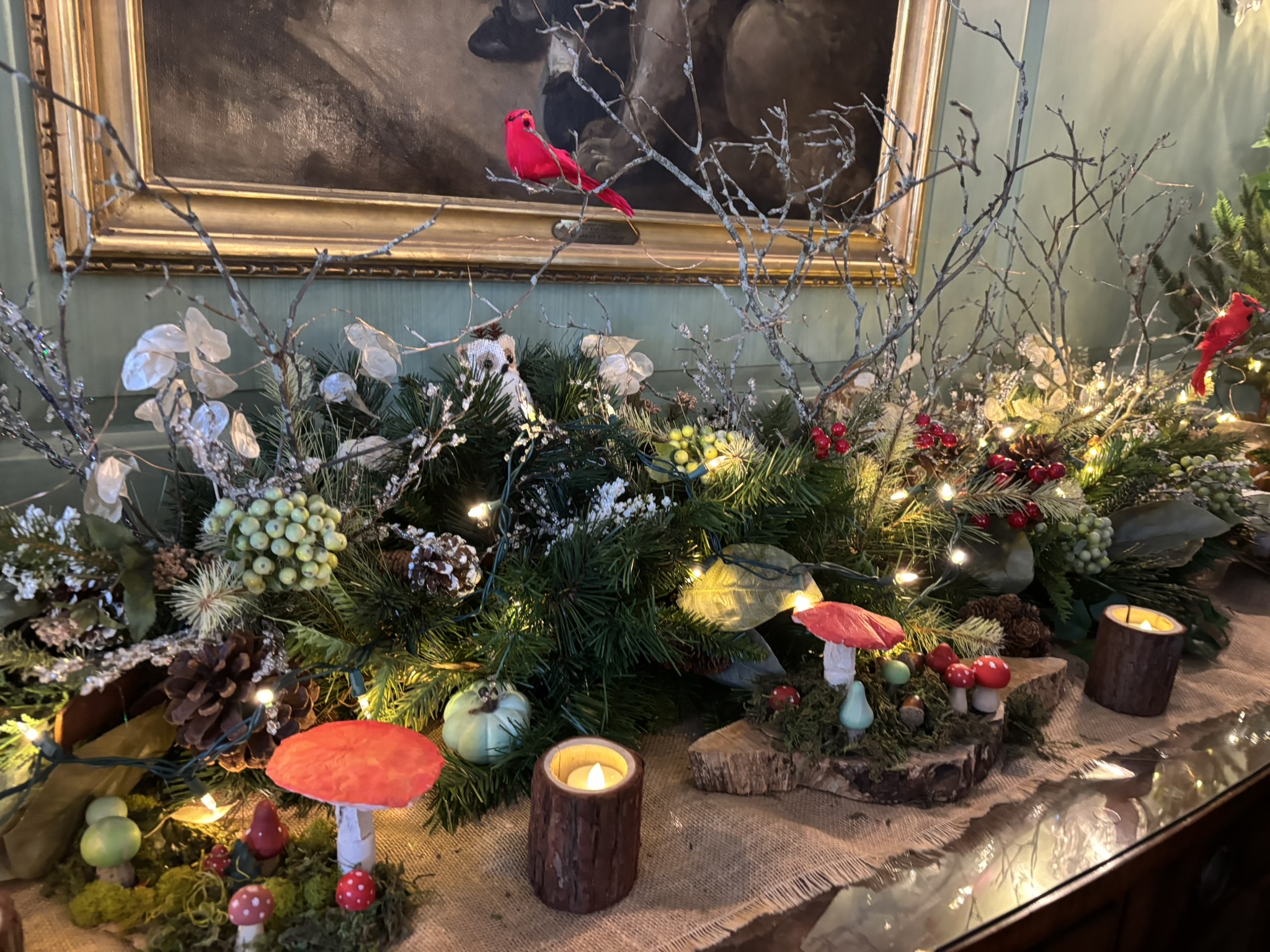
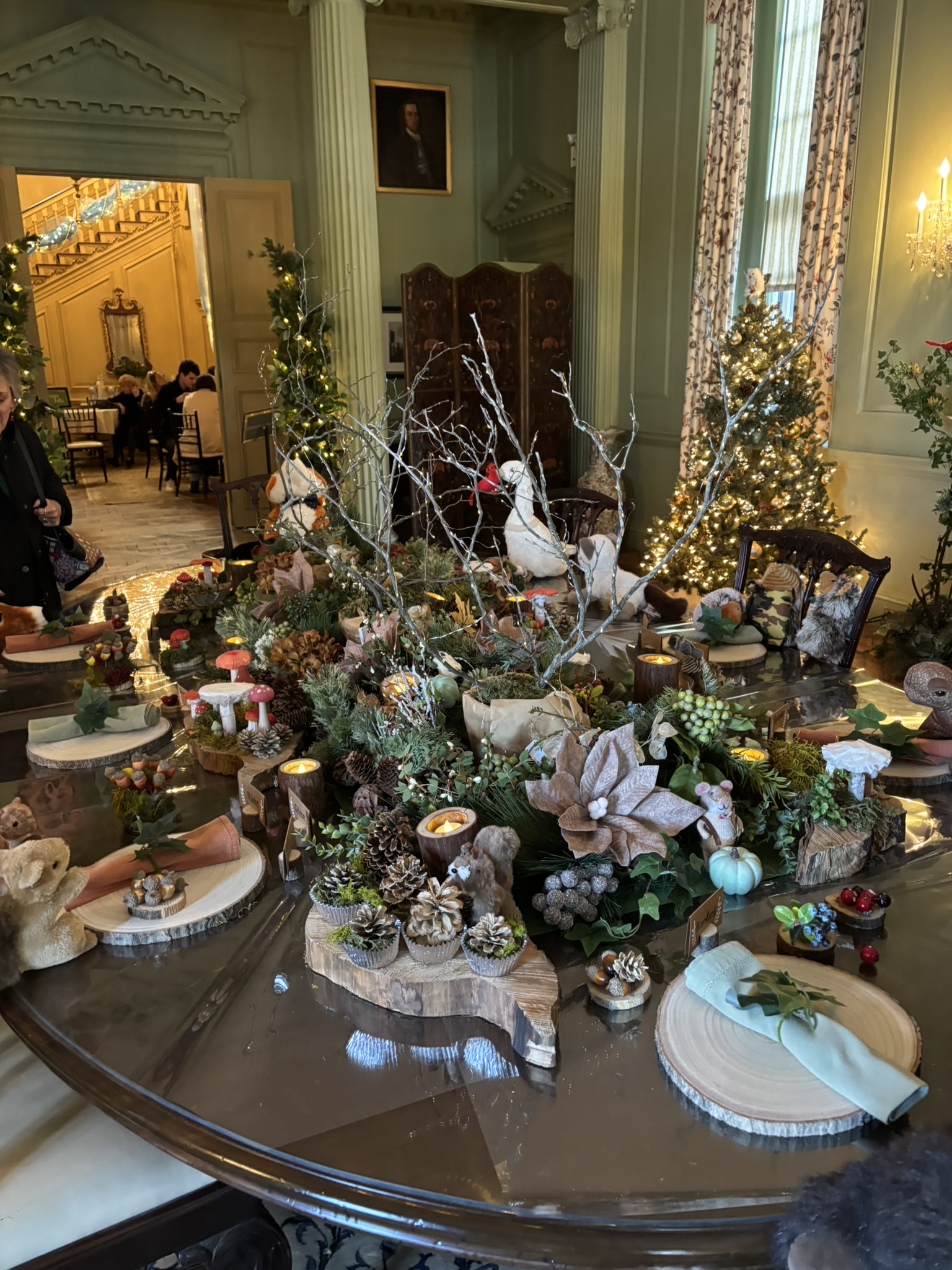
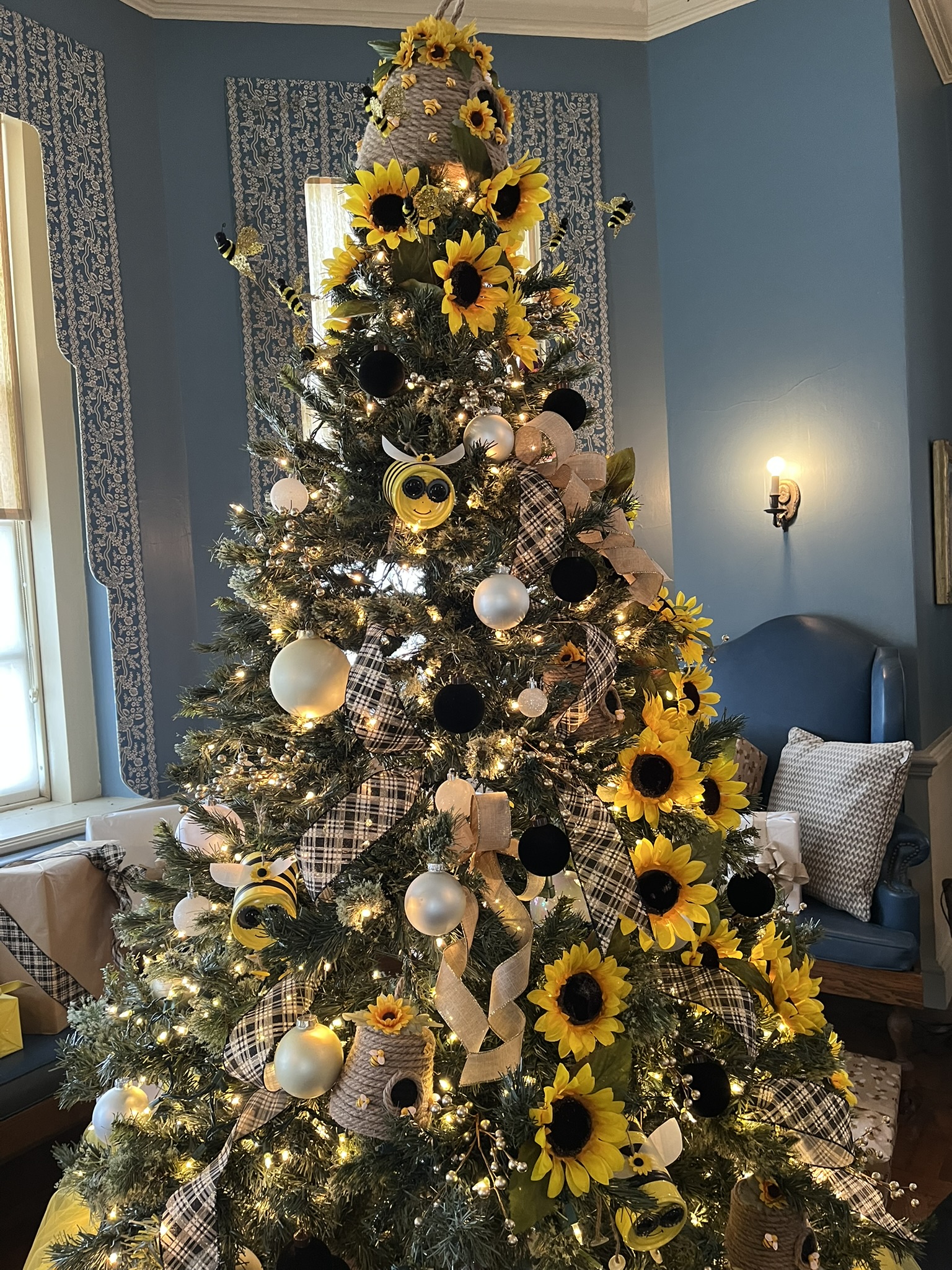
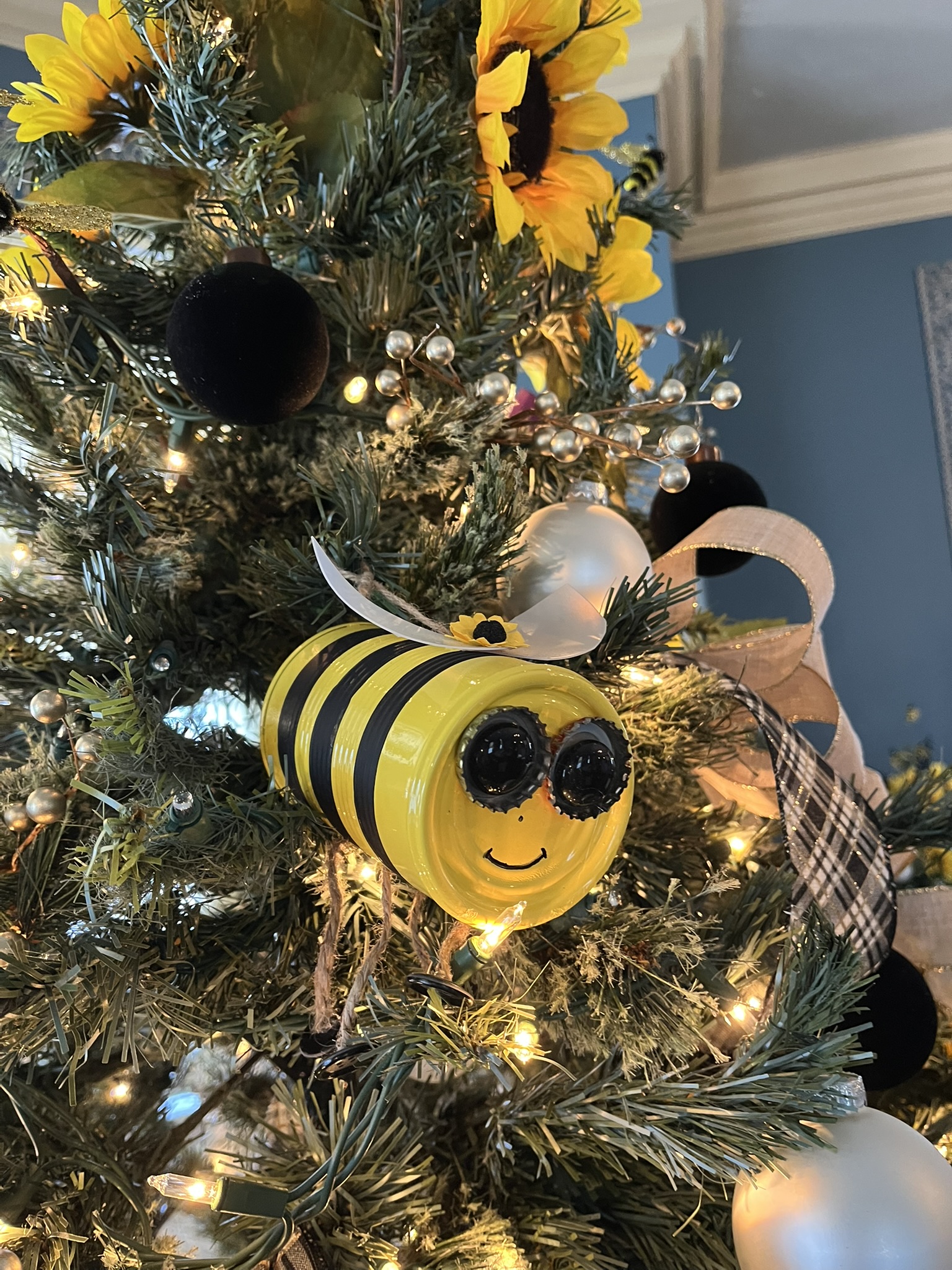
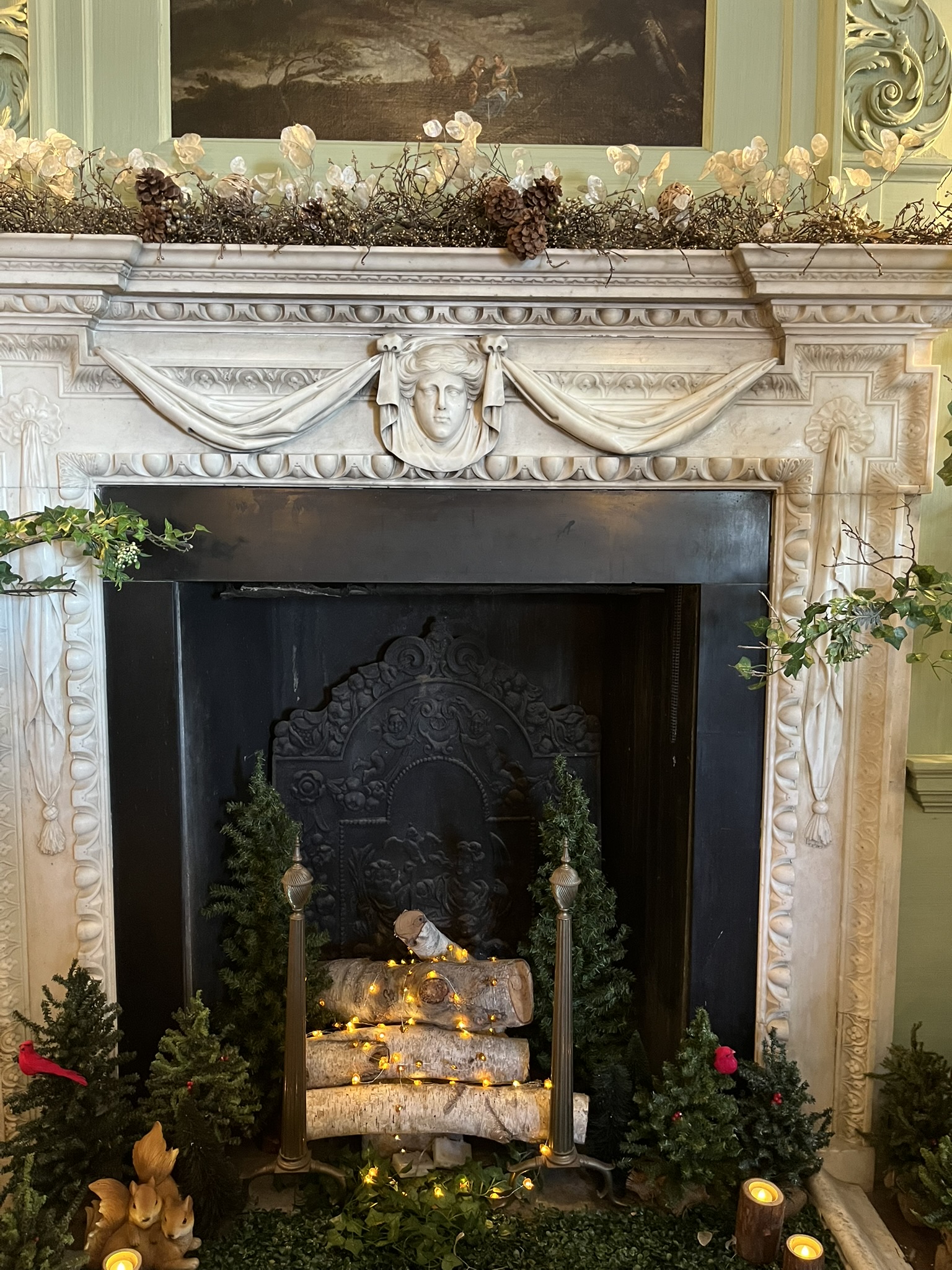
Once again, several of our members made the trek up to Castle Hill in Ipswich to see the fabulous Christmas decorations at the Crane Estate. Each year, the many rooms of the estate are decorated according to a theme. This year, the theme was “Nod to Nature”.
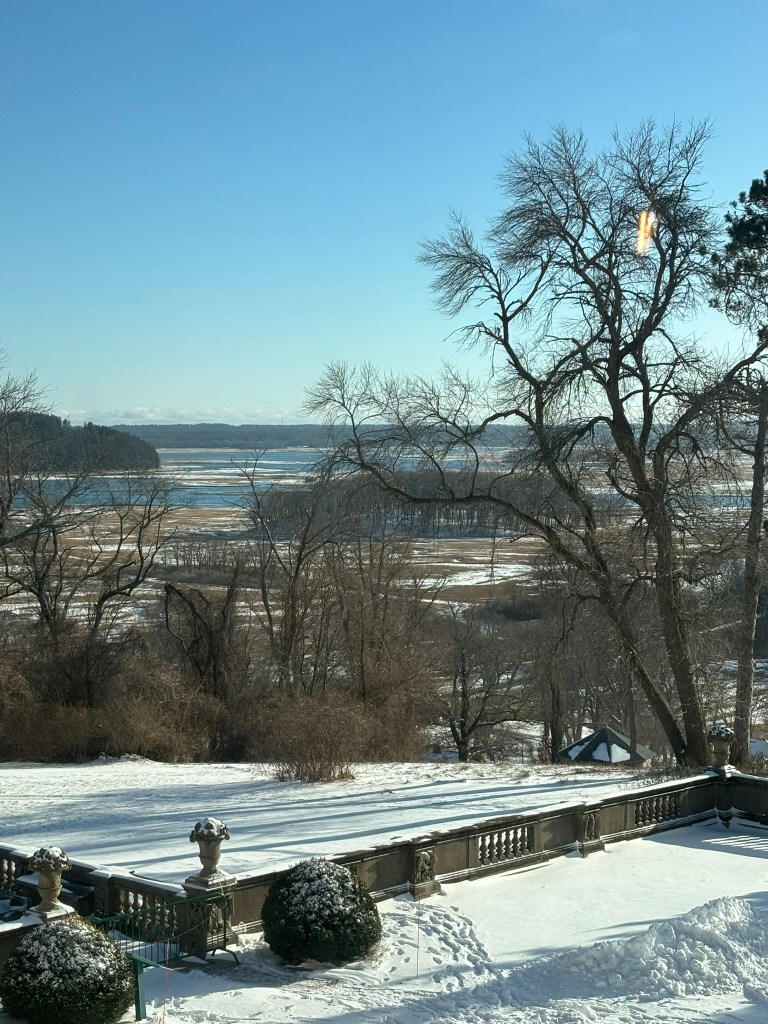
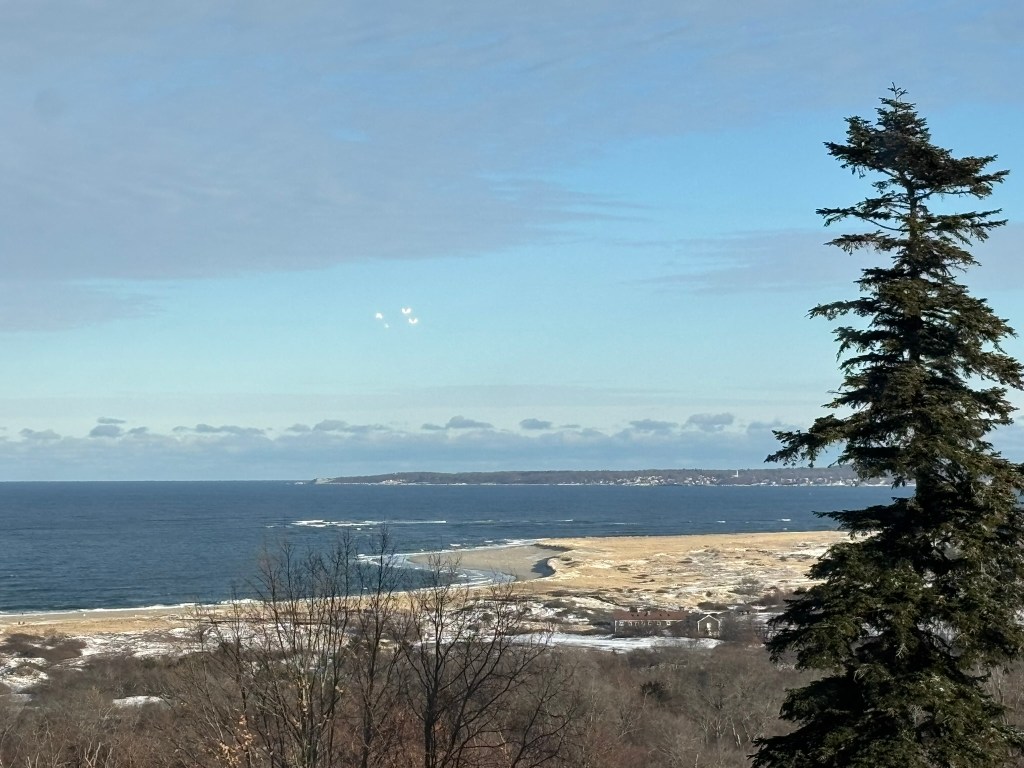
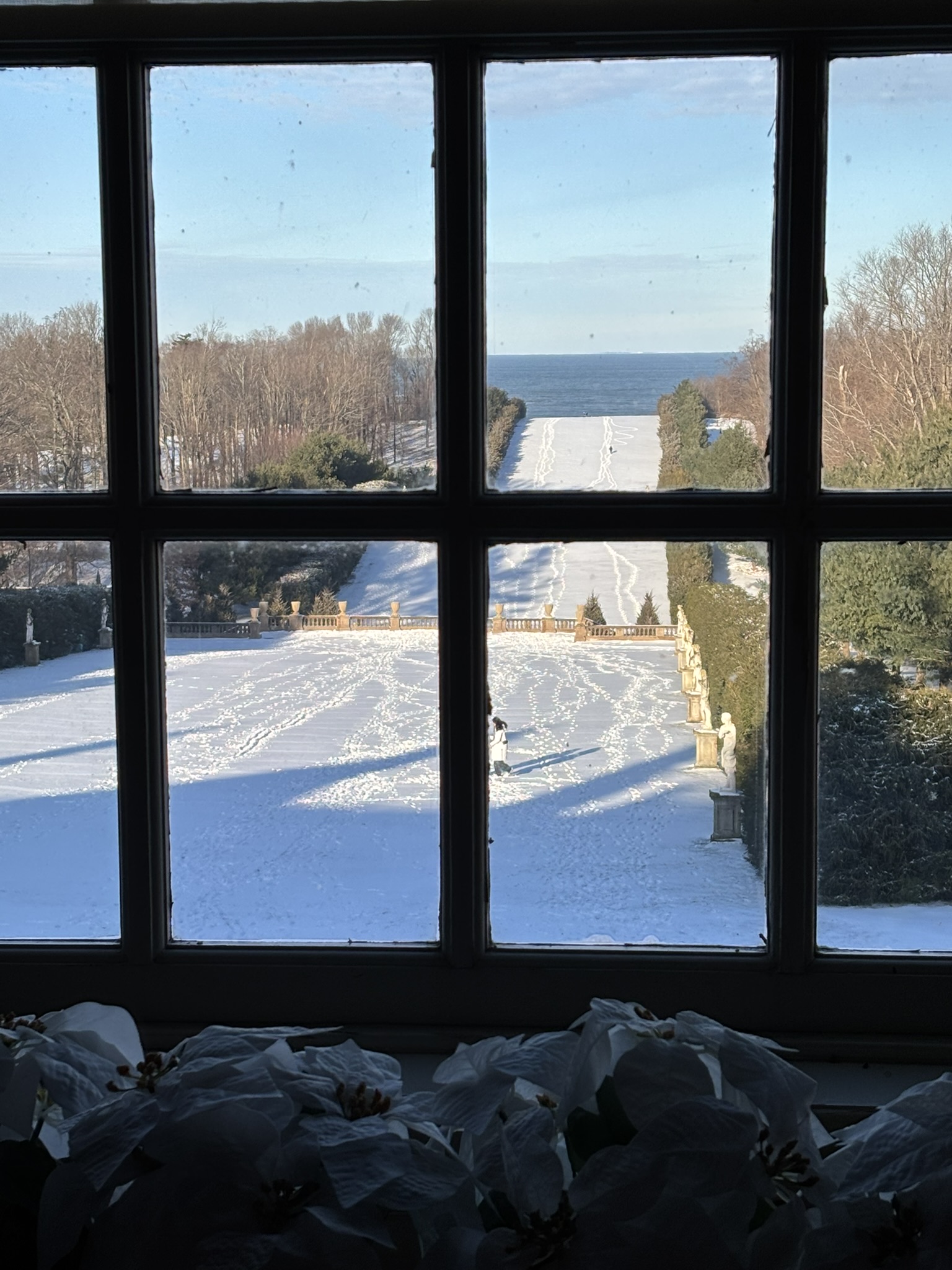
As it so happened and for the second year in a row, we had a fresh coat of snow for our ride up to Ipswich. The grounds and especially the marsh and beach greeted us.
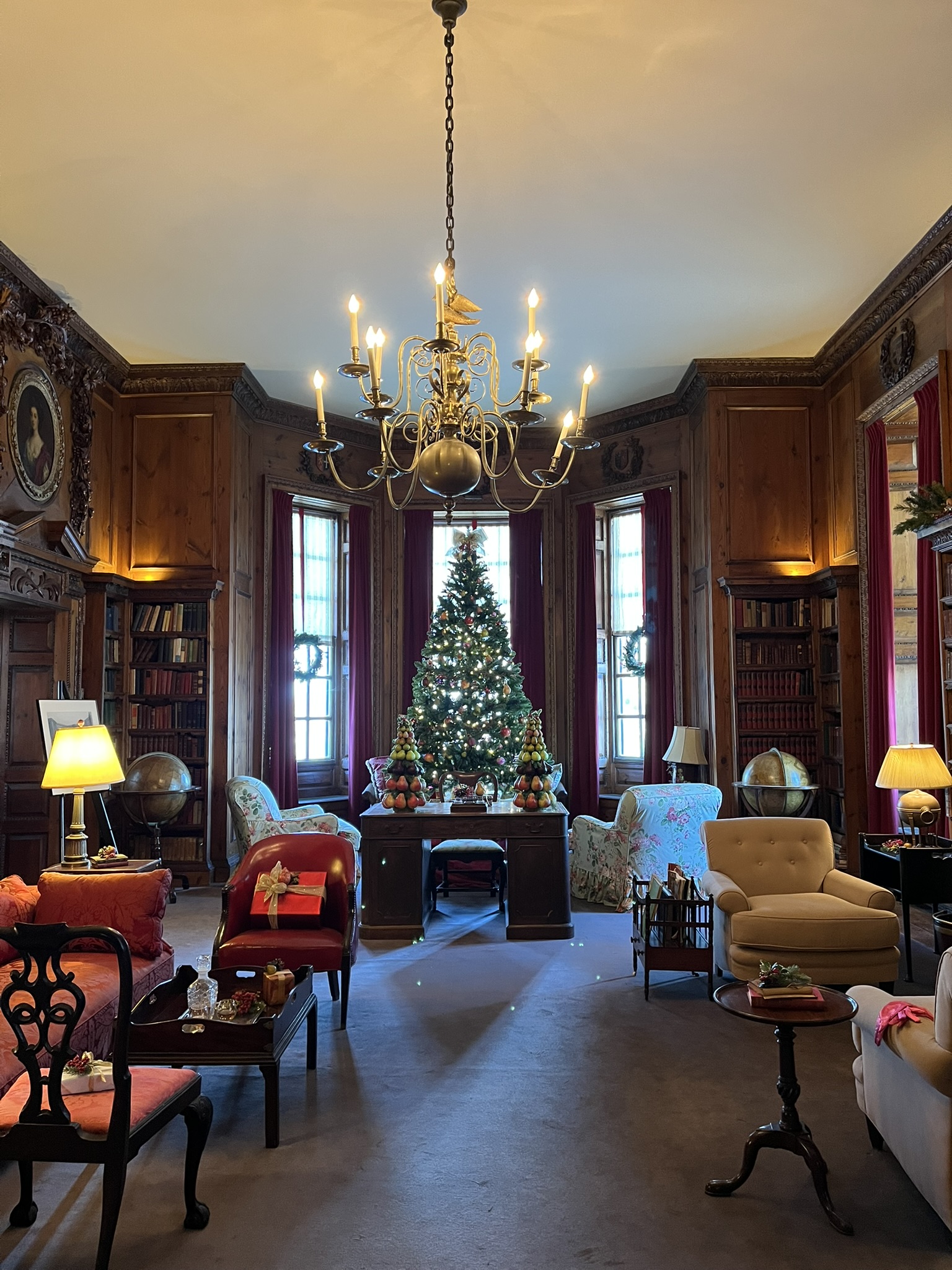
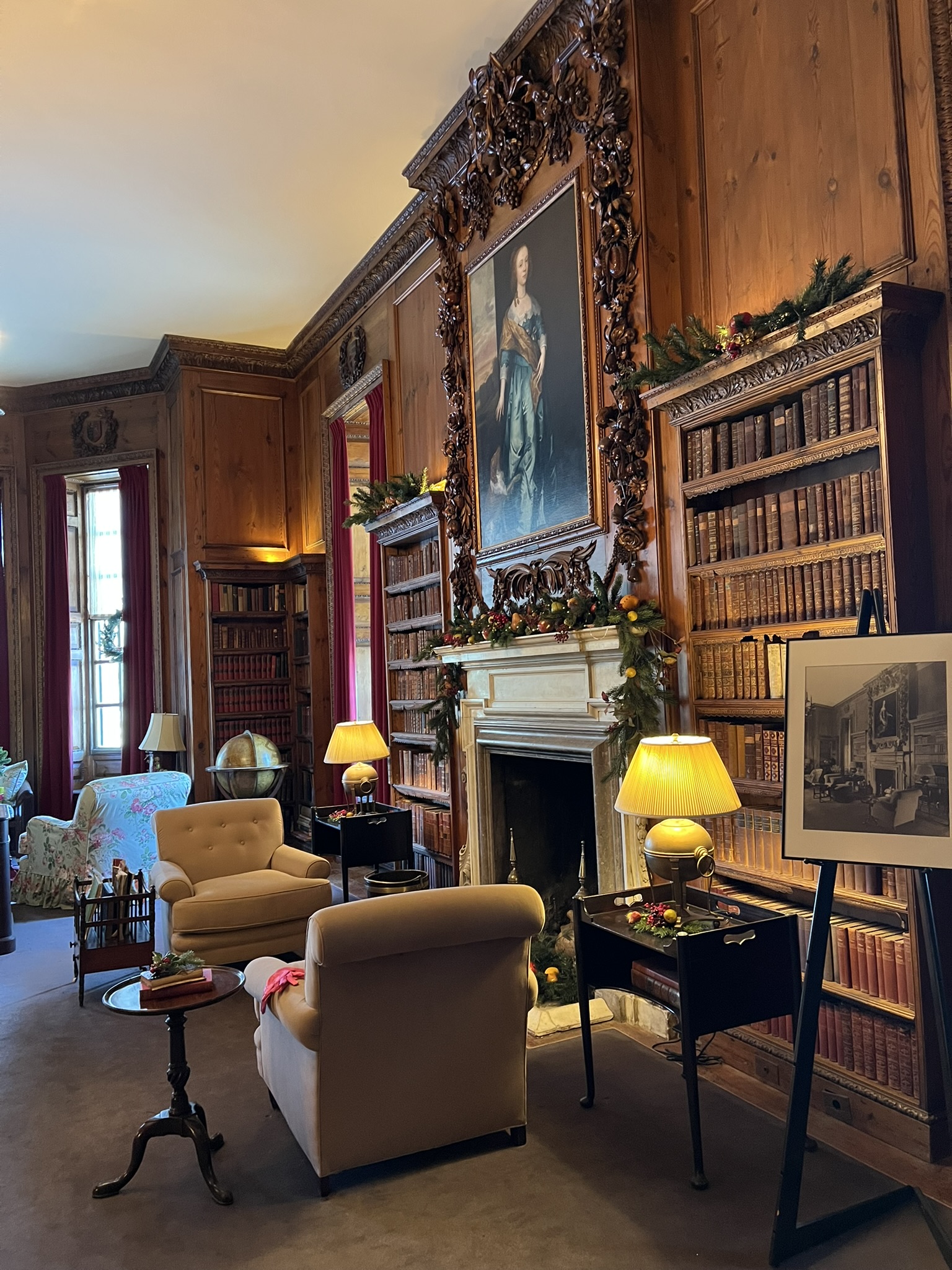
One of our favorite rooms is always the library, and this year was no exception. How’s that for a location for the Christmas Tree? What makes the Crane Estate so special is that all of the rooms are furnished, and many of the items actually belonged to the family. Look for the photo of the Crane Family on the end table.
The dining room is where we usually spend most of our time – another fabulous spot. The arrangements on the buffet and on the table reflected the theme in a big way.
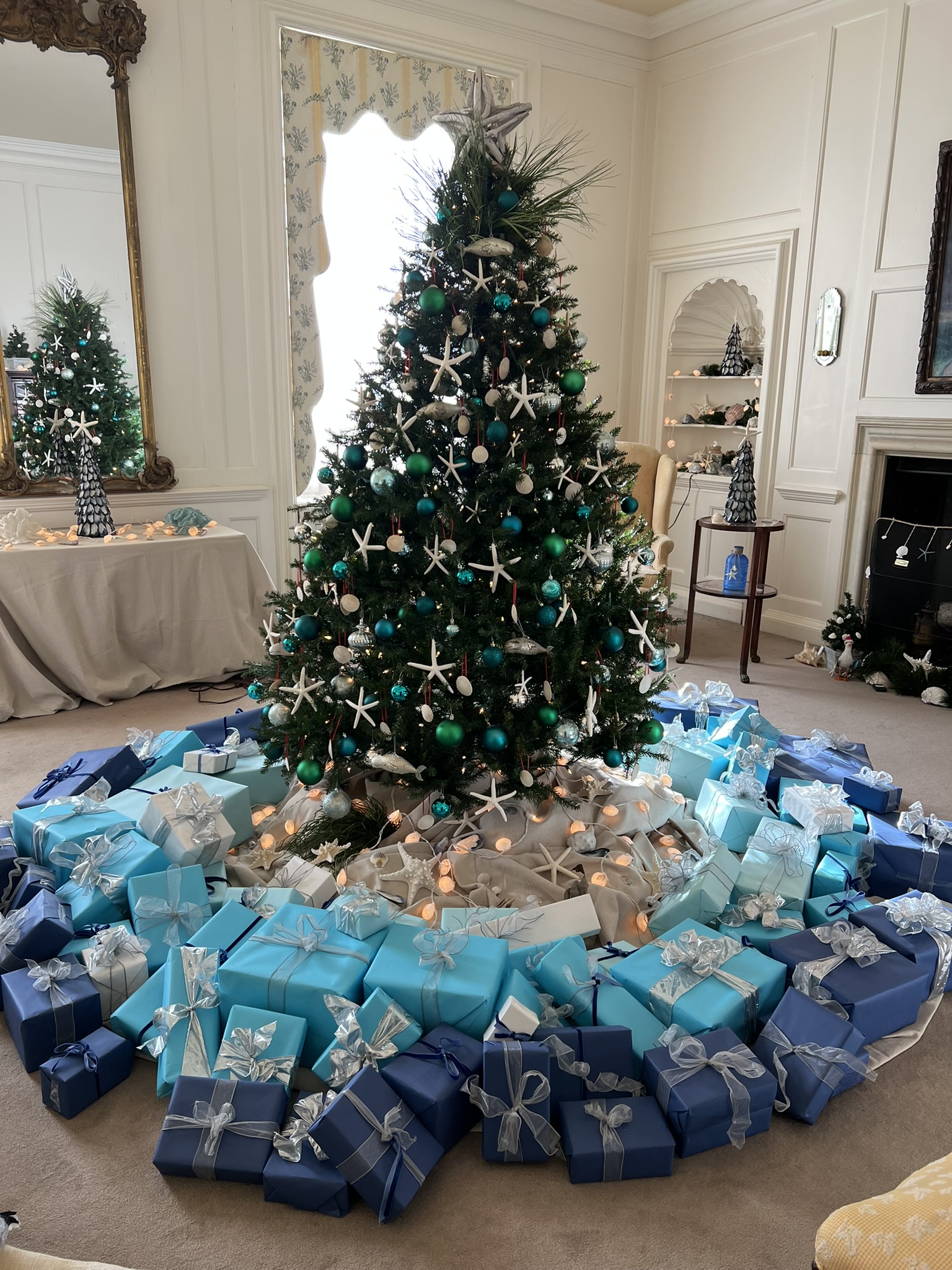
Each of the bedrooms were spectacular! We were particularly impressed with the seaside theme in one of the guest rooms – the packages were wrapped to look like waves, and note the mussel shell trees – just like the ones we made last year for the Hooper! That spectacular view is from Florence Crane’s bedroom which we did not want to leave! Notice how the white poinsettias draw in the snow!
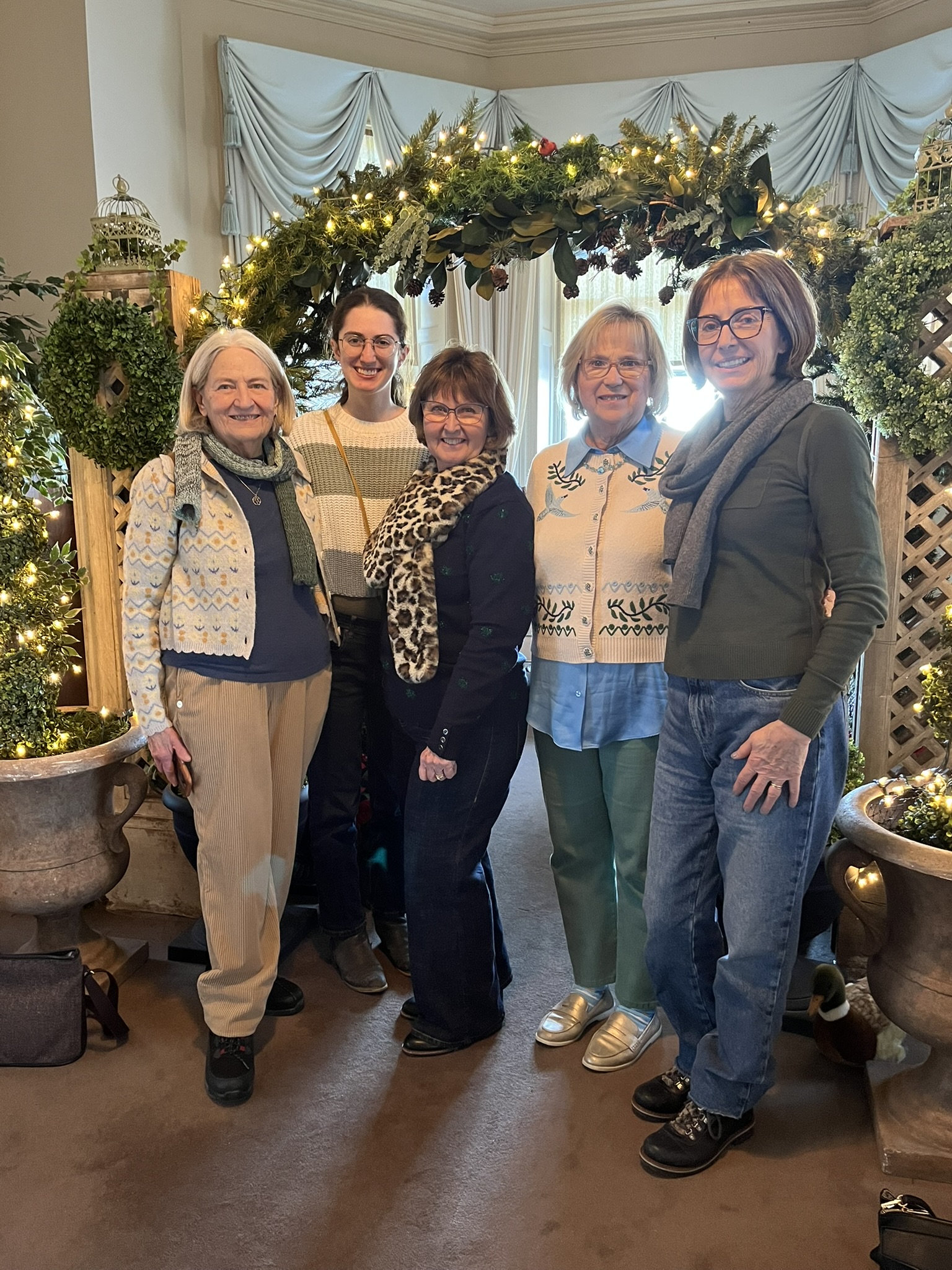
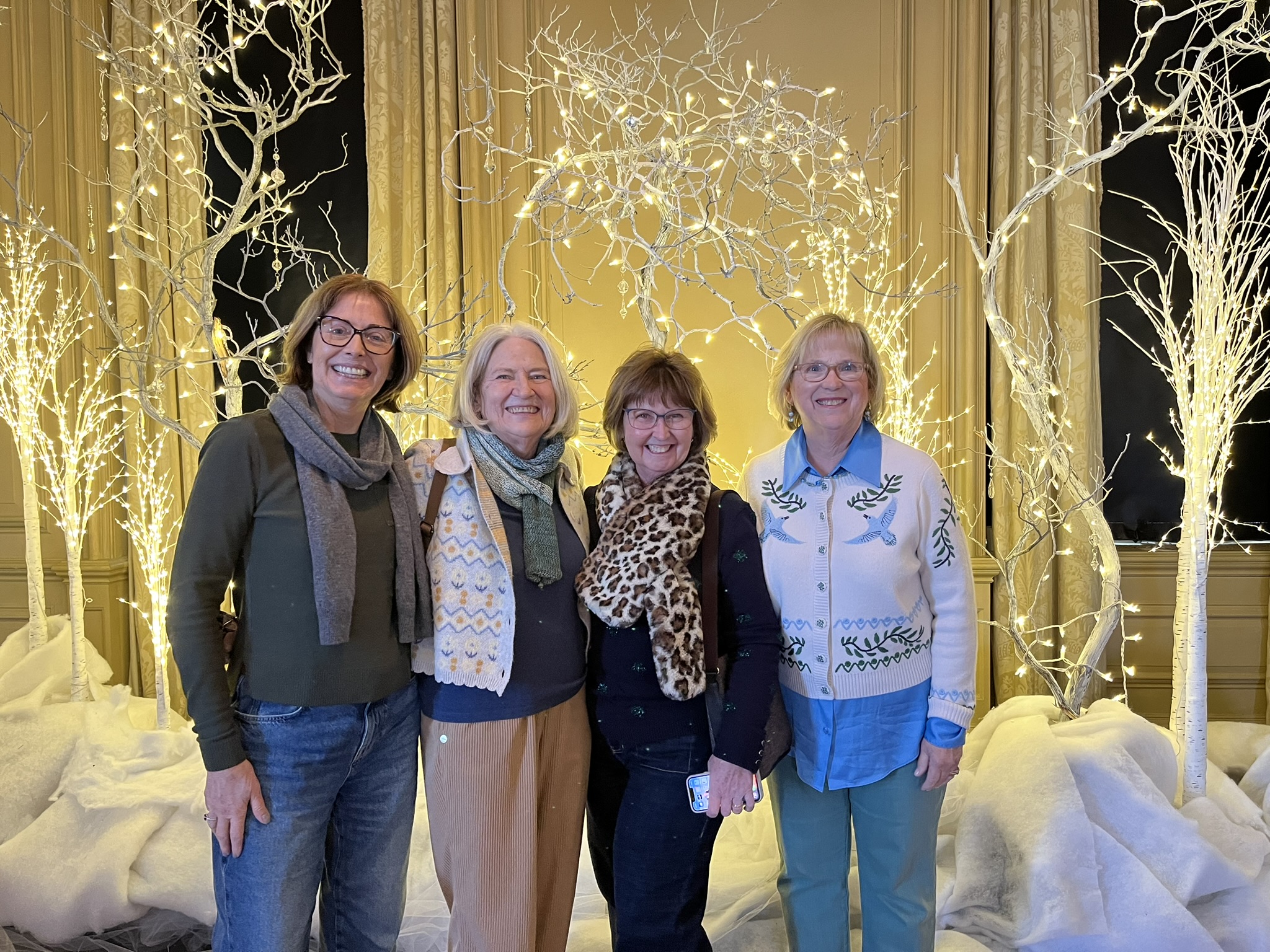
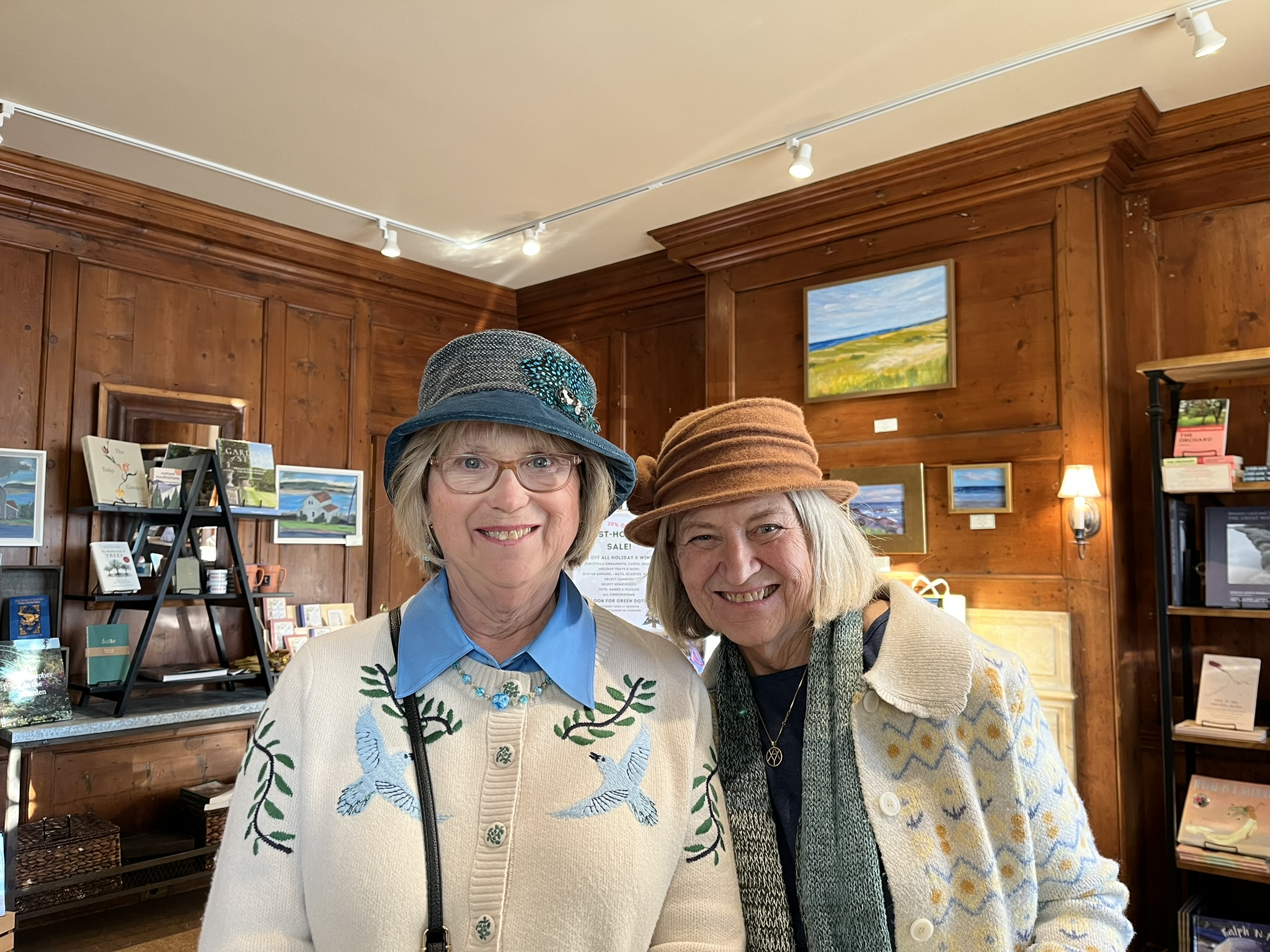
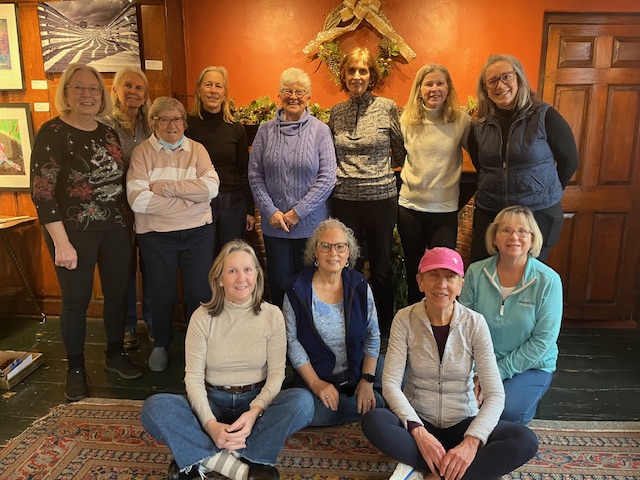
Our last stop was of course the giftshop! Don’t these ladies look like they belong here?
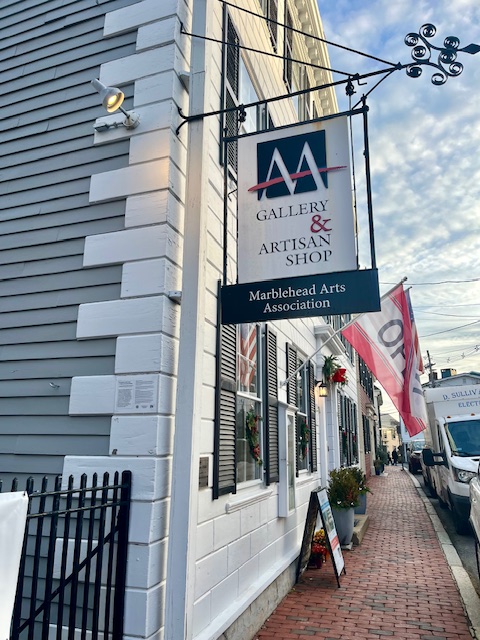
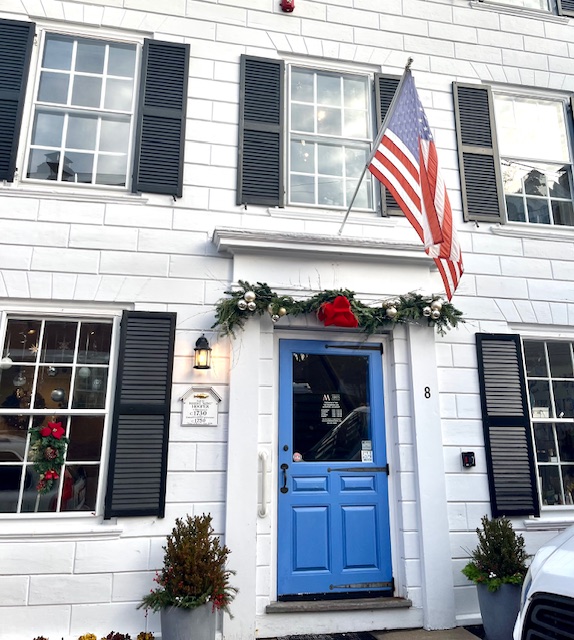
The Driftwood Garden Club is pleased to join other local garden clubs decorating the King Hooper Mansion, built in 1728 at 8 Hooper Street in Marblehead, as part of the 2025 Marblehead Christmas Walk.
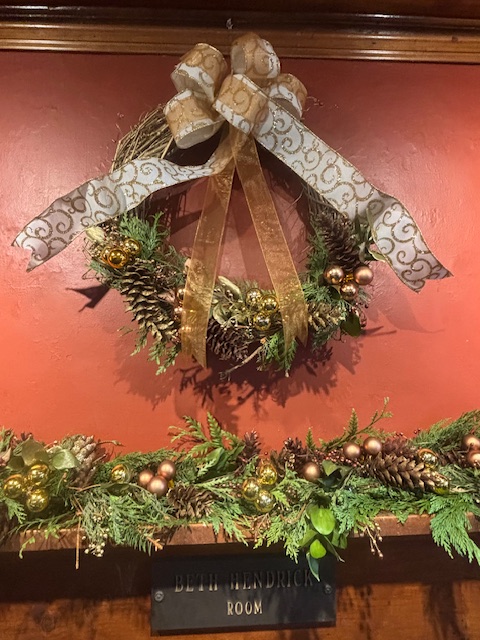
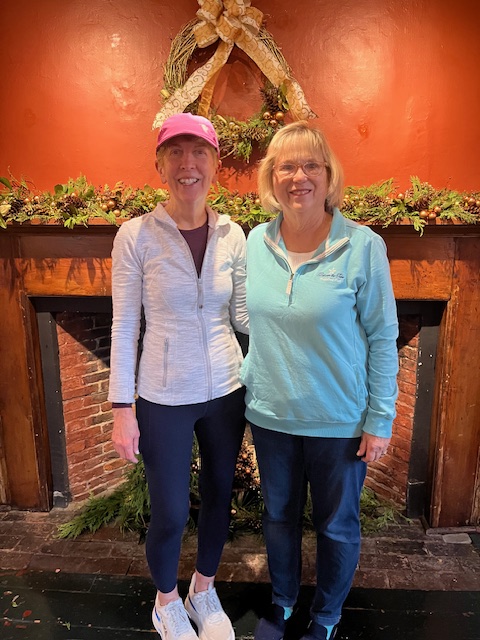
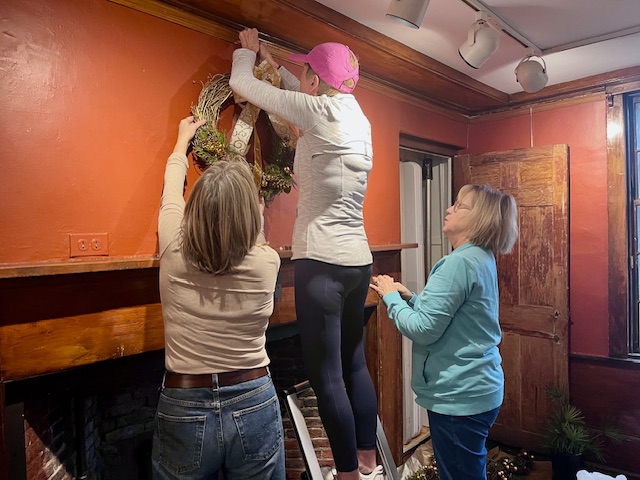
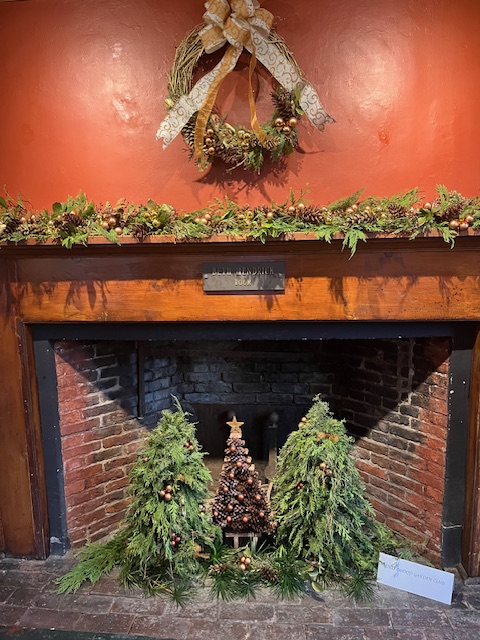
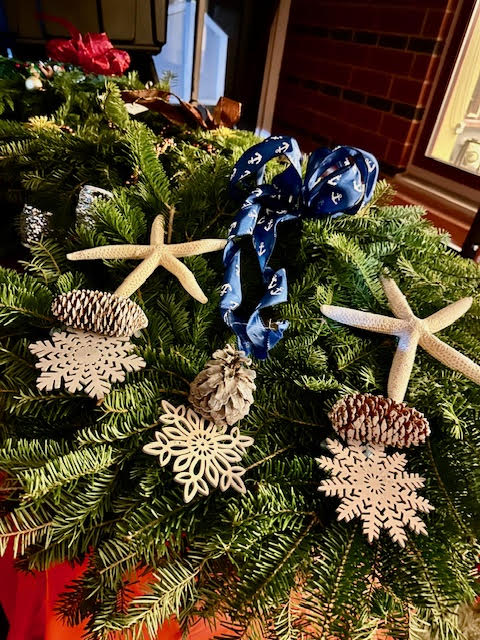
This year the DGC was assigned to decorate the Beth Hendricks Room at the rear of the building in the overall theme of “Holiday Sparkle.” The Hendricks Gallery, with wood paneling and a deep brick fireplace, was warmed with natural greenery, pinecones, and touches of warm copper to complement the brick-red wall color. All greens, rosehips, and pinecones were sourced from local trees and shrubs in members’ gardens.
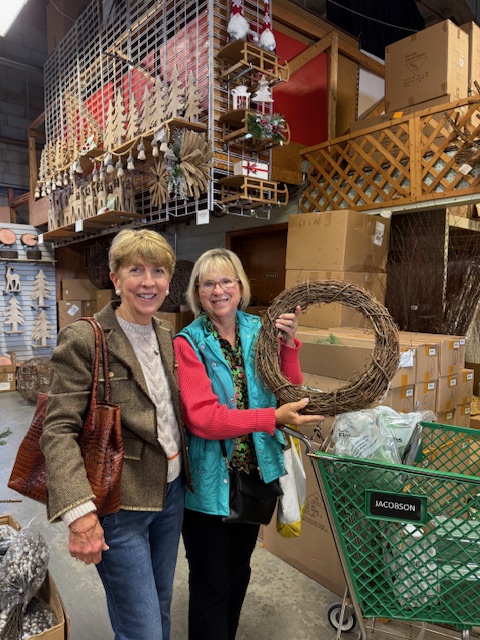
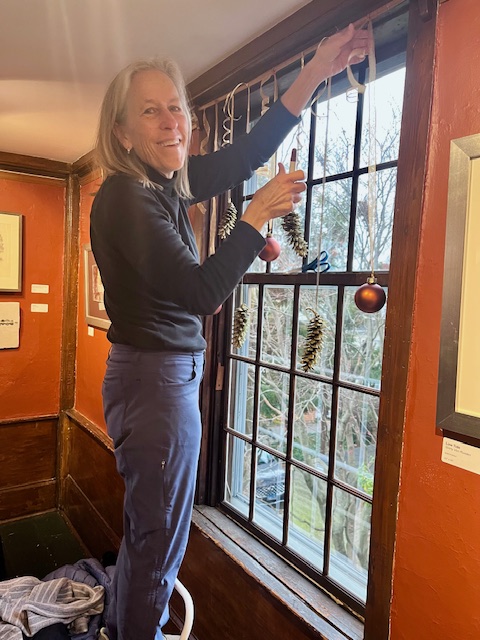
The design process starts back in November when our fabulous team of Laurie Boggis and Ginny von Rueden travel to Jacobson Floral Supply in Boston. The designers then complete a lot of prep-work in advance…the cleaning, drying, and spraying of material. This is followed with a hands-on workshop to assemble tussie-mussie segments for the fireplace mantel, hang gold and copper-colored ornaments from the windows, and tie bows.
Please join us at the Holiday Open House at the King Hooper Mansion on Thursday evening, December 4th from 5-8 PM. The Winter Artisan & Craft Fair is Saturday, December 6th from 10 AM to 5 PM, and Sunday, December 7th from 11 AM till 4 PM. Tea and sweets are served downstairs in the Tavern on both Saturday and Sunday afternoons from 1 to 4 PM.
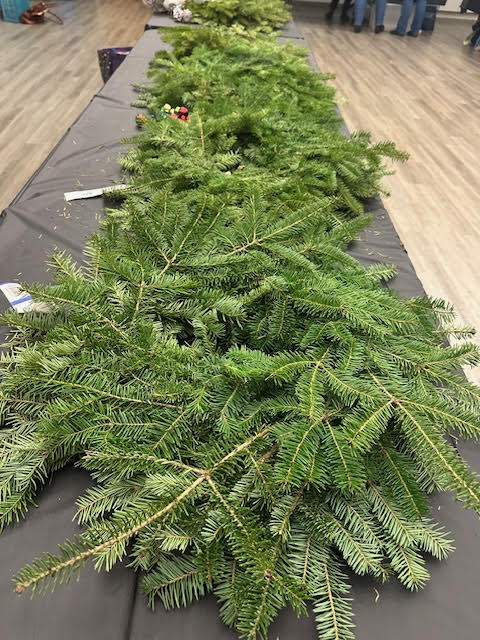
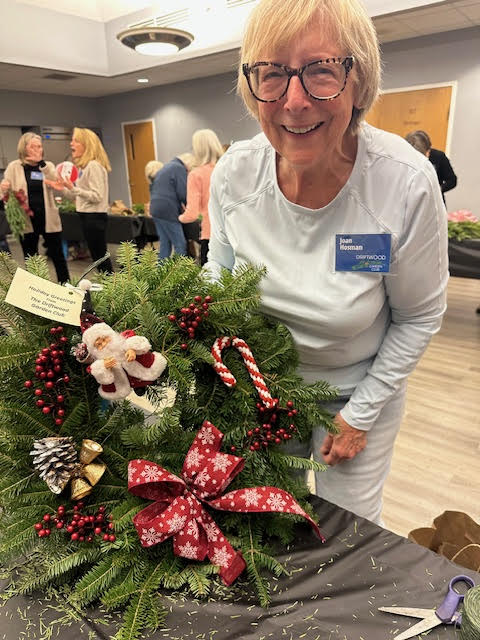
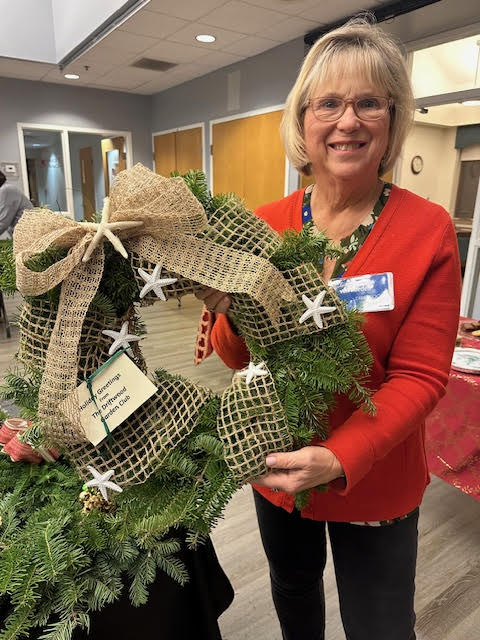
Members of the Driftwood Garden Club gathered once again at the Marblehead Community Center to participate in our annual wreath decorating program. In collaboration with the Marblehead Council on Aging, Driftwood members decorate wreaths and swags as one of our civic programs, thus giving back to the community during this holiday season.
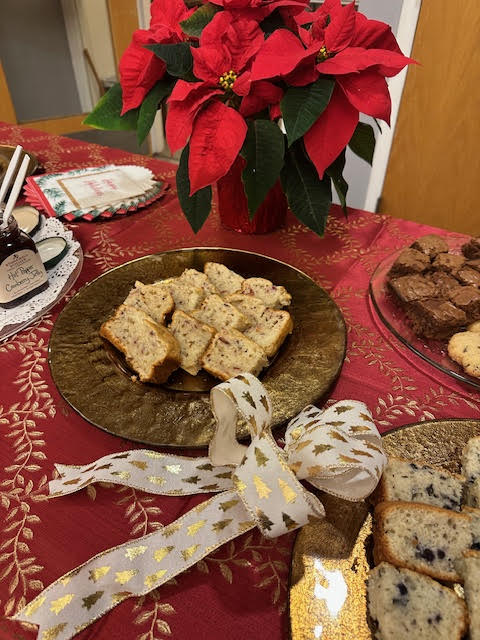
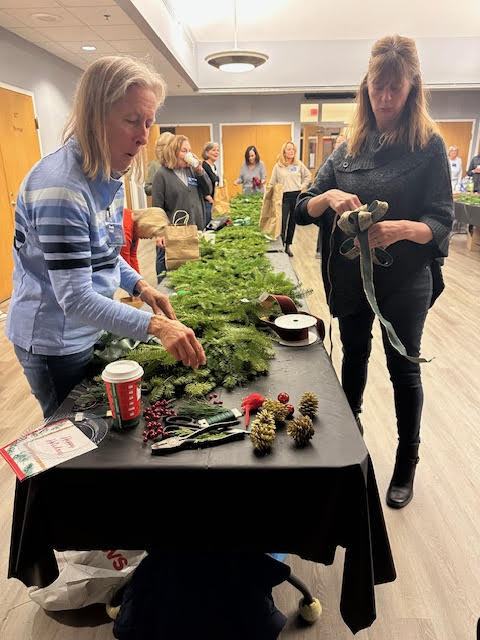
After members enjoyed a social time with delicious homemade treats provided by our hosts for the evening, we got to work. Members came prepared with scissors, glue, floral wire, ribbons and various decorations to use in their decorating endeavors. There was also a table, provided by the Driftwood, laden with pre-made bows, pinecones, and assorted ribbons and decorations for all to share.
As the members worked, they chatted and laughed and shared in the spirit of the season. They began to turn the fresh wreaths and swags into lovely gifts to be given to Marblehead residents who participate in the lunch program through the Council on Aging. Each of these residents will receive a decorated wreath or swag with their lunch which is delivered the following day.
We know, through the Marblehead Council on Aging, that the recipients of our wreaths are delighted to be part of the program, and we know how it brightens their day to receive a beautiful wreath. We receive many thank yous in return, and we hope they know that we are just as delighted to do this for them. Happy Holidays, everyone!
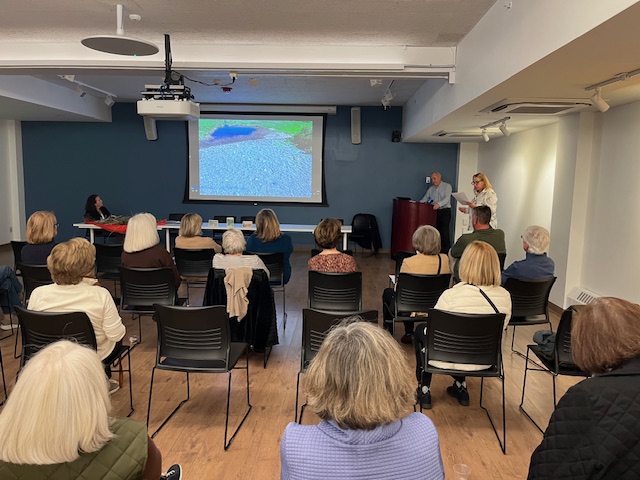
Members of the Driftwood Garden Club recently attended an interesting and educational presentation on the Goldthwait Reservation in Marblehead. DGC member & Goldthwait Board of Director member Brigitte Fortin, along with Geoffrey Lubbock, Trustee & Director Fiona Lubbock, and Vice President Tim Geraghty presented a fascinating overview on the history, present challenges, and future direction of the private, non-profit land trust.
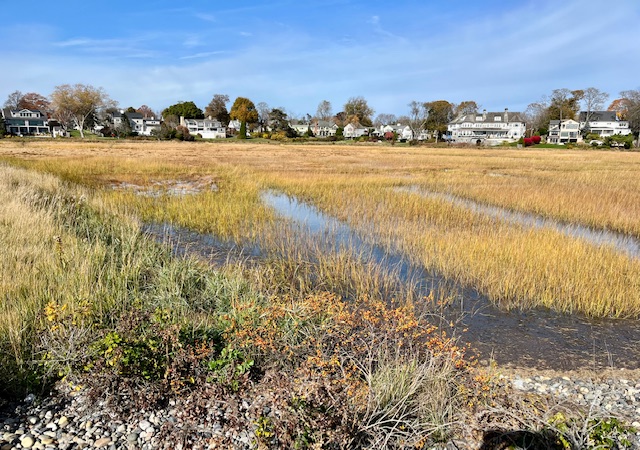
The Goldthwait Reservation was established in 1947 when Dr. Joel Goldthwait, a world-renowned orthopedic surgeon, took action to preserve the 12-acre land and salt marsh rather than develop the property. As a registered 501(c)3 organization, the reservation is not subsidized or maintained by the Town of Marblehead and relies on dedicated local volunteers, fundraising events, and donors to support the property. Today the property is maintained by these hard-working volunteer teams and supplemented by environmental professionals as needed.
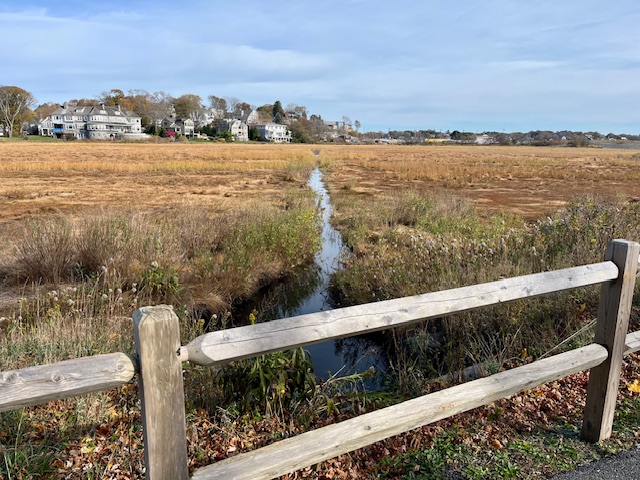
A perpetual problem is dealing with the invasive growth of Japanese knotweed and phragmite reeds which choke out the canal system necessary for proper salt-water flow and block sunlight from beneficial native plants. The invasive plants spread quickly by underground rhizomes and are painstakingly removed by hand. This annual maintenance encourages the health of the salt marsh and reduces the fire hazard to nearby residences.
Flood tides from storms and the fresh water introduced from storm drains disrupt the delicate ecology of the wetland. Infiltration of fresh water dilutes the saline conditions of the marsh and allows non-native invasives plant species to spread.
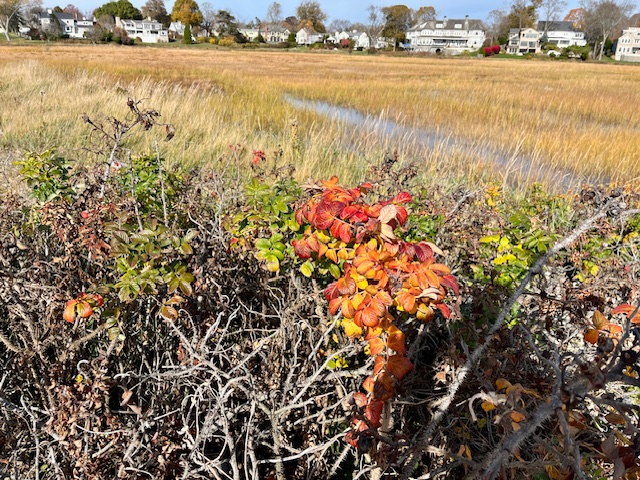
Goldthwait Reservation Trustees have intentionally and carefully introduced native shrubs, grasses and perennials to protect the resources of the salt marsh. They have created some buffer meadows to protect the marsh from storms and provide habitat and food resources for wildlife. Blueberry bushes, serviceberries, rosa rugosa, and native beach plums are planted along the fire-pit gathering area for members to enjoy.
Goldthwait Reservation has a beautiful beach which has sandy tidal flats at low tide. The cobble dune acts as a barrier and protects the salt marsh from storm surges. A well-constructed boardwalk provides access over the rocks to the beach below.
Many thanks to the presenters from the Goldthwait Reservation. We are grateful for their dedication and ongoing support of this gem of coastal property in Marblehead!
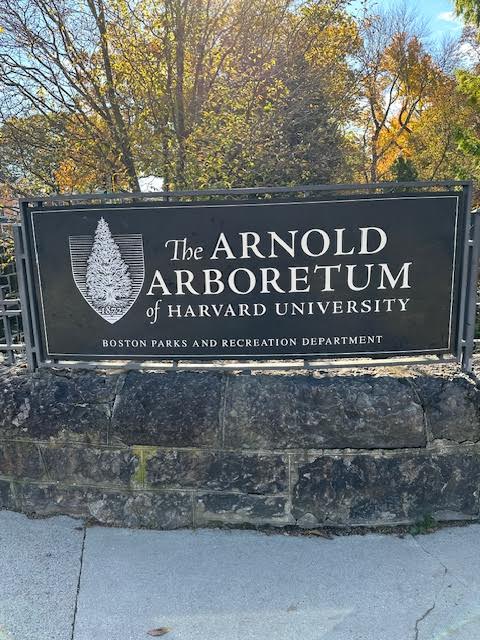
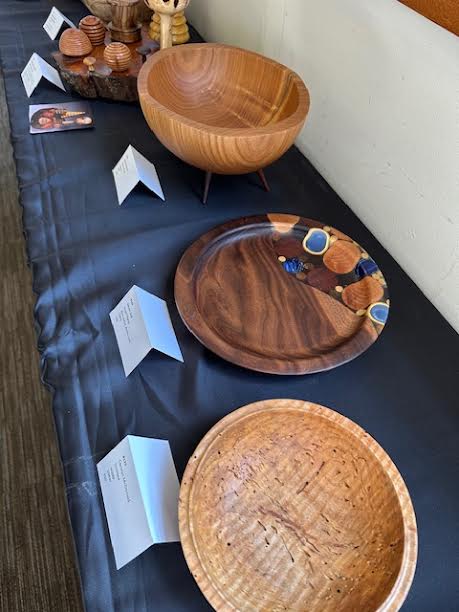
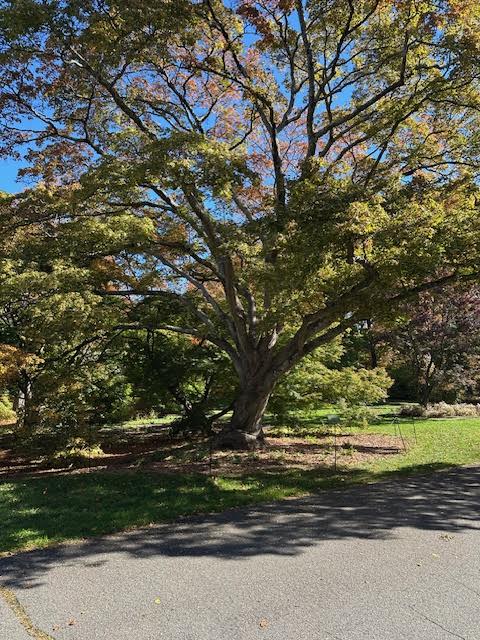
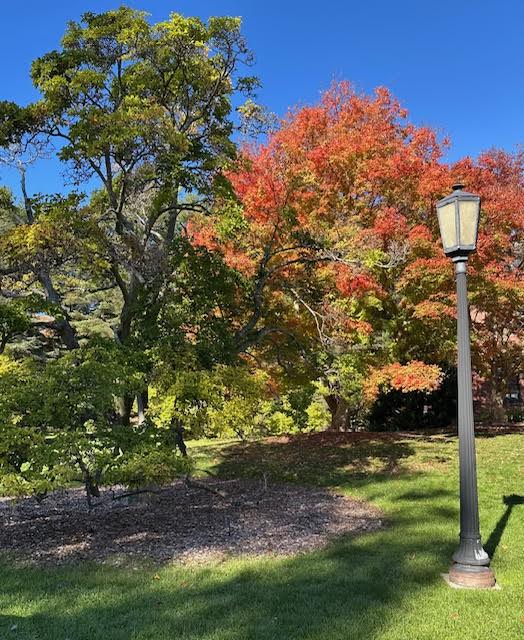
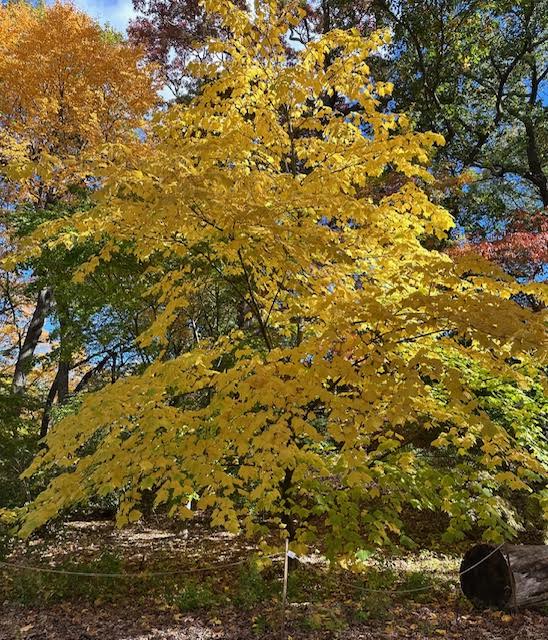
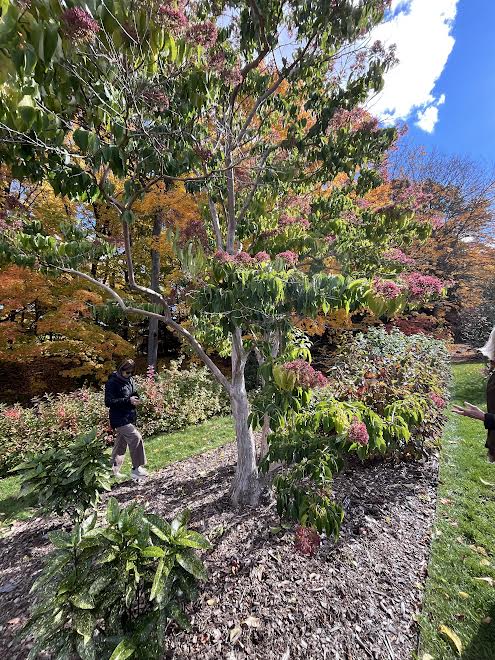
It was a perfect fall day for members of the Driftwood Garden Club to embark on a field trip. Our destination: The Arnold Arboretum in the Jamaica Plain neighborhood of Boston. The air was crisp, the sun was shining, and the leaves on the trees had turned beautiful shades of yellow, gold, orange, and red. While waiting for our group to assemble, we viewed a wood turners’ exhibit inside the Hunnewell Visitor Center. Some of the wood bowls exhibited were turned from wood that had come from trees within the Arboretum. We learned that each year around 400 trees are removed from the collection due to disease, damage, or managing the collection with a goal of creating opportunities for new plants to be introduced. If possible, that wood is repurposed in several different ways.
We met our very knowledgeable and friendly guide, Brad, outside of the building to begin our walking tour of the trees. He first gave us a little history of the Arboretum. It began in the mid-1800’s when two men made gifts to Harvard College: Benjamin Bussey, a wealthy Boston merchant, left land (about 300 acres) to the school in 1842; and James Arnold, a New Bedford whaling merchant, left a financial bequest ($100,000) in 1868 with the purpose of creating a public arboretum. Together, The Arnold Arboretum was founded in March 1872. The first director was Charles Sprague Sargent who partnered with Frederick Law Olmsted on the landscape layout. The two men formed a partnership with the city of Boston: Harvard gave the land to the city and then leased it back for $1/year, on a thousand year lease, with a renewal option. The Arnold Arboretum was born, and with that knowledge, we were ready to see some trees!
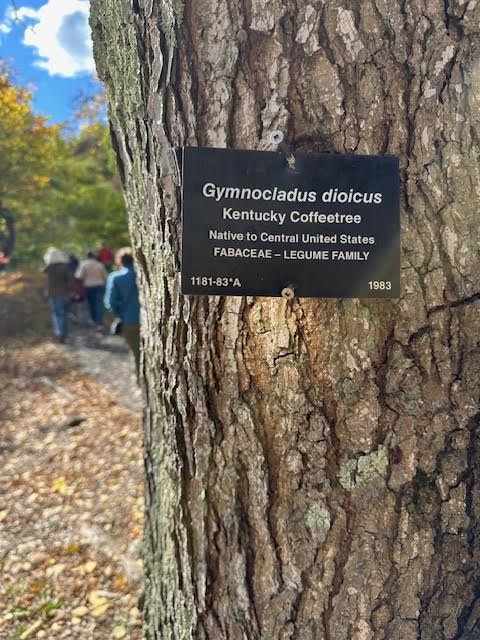
Brad explained that, just like an art museum that has rooms with particular periods of art, the arboretum is organized by types of trees. We saw linden trees, cork trees, tulip trees, and horse chestnuts, stopping along the way so Brad could tell us about a particular tree. He was a wealth of knowledge! There are over 16,000 plants (trees, vines and shrubs) within the arboretum. The Arboretum’s mission is to cultivate and care for all of the woody plants that can survive in Boston’s climate, so these are not just native trees. Some plants come from right around the corner (Mr. Sargent, the first director, took a red maple from his neighbor’s yard to plant here); and some plants come from around the world. Remember that The Arnold Arboretum, as part of Harvard University, is also a research institution, and the arboretum itself is a laboratory for students and professors alike. Each tree in the Arboretum has a tag with its common and scientific names, family, and origin, and we found ourselves stopping to investigate various name tags.
Many people who visit the Arboretum come especially for Lilac Sunday, that time in May when the lilacs are in full bloom and their scent fills the air. It is one of the busiest times at the Arboretum. Brad informed us that, although it was a beautiful event at the Arboretum, he was really not a fan of lilacs. Why? He thought that the flower did not give enough bang for the buck; it had a very short bloom time, and there were other plants that did a better job, if a longer bloom is what you wanted.
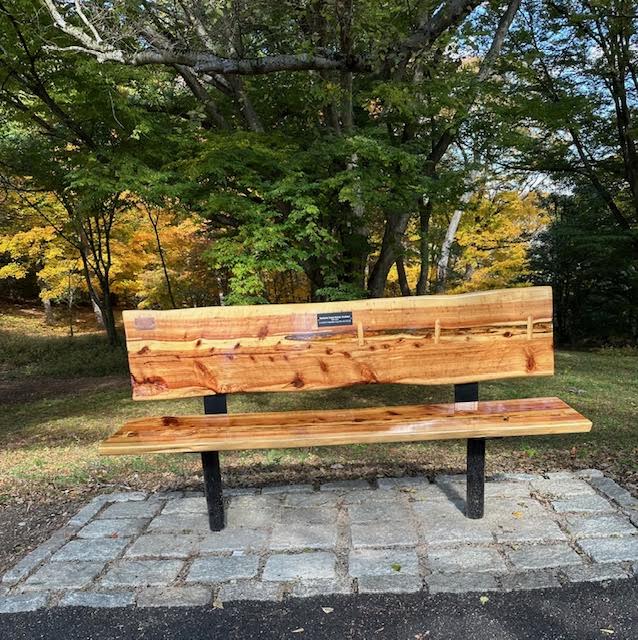
As we made our way along the lilacs path, we stopped to admire a backdrop of golden leaves behind a wooden bench. We asked to stop for a photo op, and of course, Brad obliged by taking our group picture. The bench was made of wood from a tree that had been taken down and repurposed, and there was a dedication and name on the bench. Brad explained that for $1,000 a year, you could buy a bench in honor or memory of someone. At the end of 10 years (that’s $10,000), you could renew your bench. We all had the same thought: “What a great idea!”
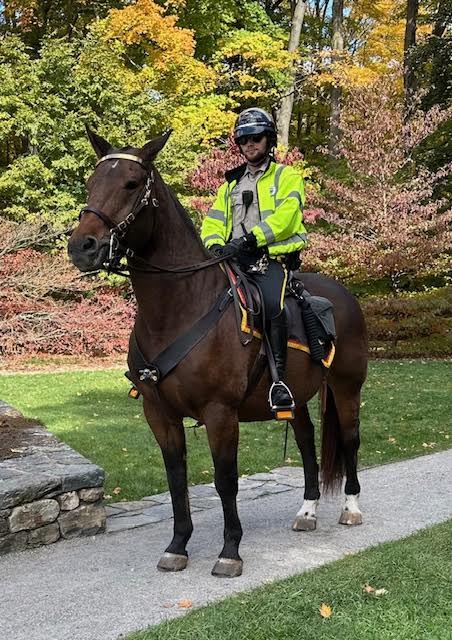
Returning to our starting point, a park ranger on horseback passed us on his patrol around the arboretum. We thanked Brad for a wonderful and information-filled tour and headed to our next destination: lunch!
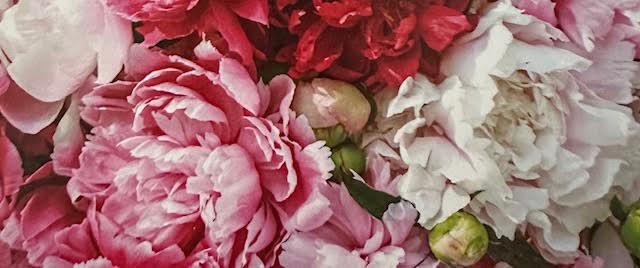
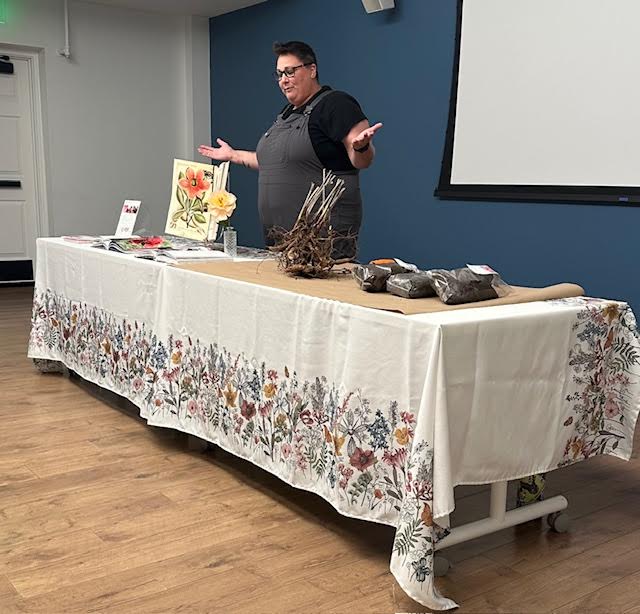
Members of the Driftwood Garden Club enjoyed a very informative program about growing and caring for peonies, one of the most lush and beautiful of all the flowers in our gardens. Stacey Lee, our presenter, is a floral designer and sustainability advocate. They own and operate Paeonia Designs in Framingham, and their knowledge and enthusiasm was contagious. Stacey’s career began as a civil engineer, working on projects relating to clean water sustainability. But they always had a passion for flowers, so they created Paeonia Designs as a side hustle. At the same time that Stacey was asked to create the floral designs for her close friend’s wedding, their engineering career was waning, and Paeonia Designs became a new, full-time endeavor.
Stacey’s talk began with a few fun facts, such as:
-Did you know that Homer, Alaska has the largest peony market in America? (Our climates are very similar.)
-Did you know that it is an old wives’ tale that ants crawl on peony blossoms to help them open? (The ants just want the peony sugar.)
-Did you know that peonies can live for over 100 years? (Just ask Stacey who has some peony plants from her grandmother’s garden!)
Stacey was a wealth of serious information as well, beginning with the three types of peonies:
the tree peony which has woody stems, grows quite tall, needs more shade, and is not cut back in fall,
the herbaceous peony, the most common, which needs lots of sun and, when cut back in the fall, will regrow from the roots the following spring, and
the intersectional peony, a hybrid of tree and herbaceous peonies, and has elements of both plant types.
No matter what type of peony you choose to grow, it is that spectacular blossom that we all admire. There are many varieties of peonies, and many variations in color, but they are all beautiful. Stacey’s professional tip for cutting the blooms is to cut BEFORE the flower is in full bloom. They called it a marshmallow pouf. If you cut the flower at this stage, wrap it in newspaper, and refrigerate it, the bloom will last for several days. When you put it in your floral arrangement, the “marshmallow pouf” will open and will last longer.
To avoid powdery mildew, plant your peonies in full sun with room around them for good air circulation, and water them at the base, not on the leaves. If you are planting a new peony plant or rerooting from an existing peony, patience is the key. Peonies usually take three years before they are established and are blooming successfully. Just remember these three words: roots, shoots, and fruits. If you follow these suggestions, your peony will live a long and happy life.
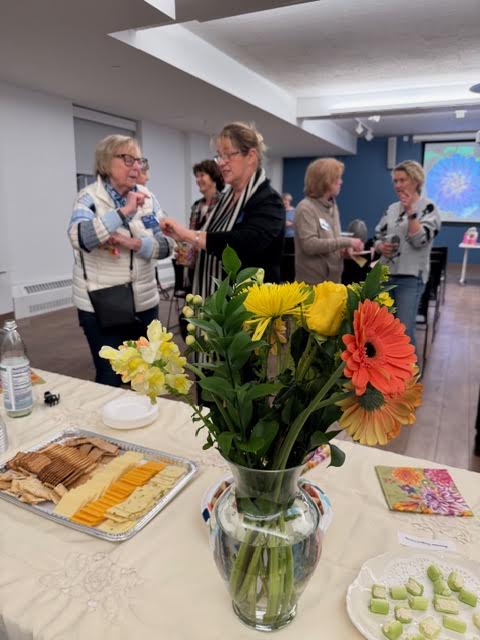
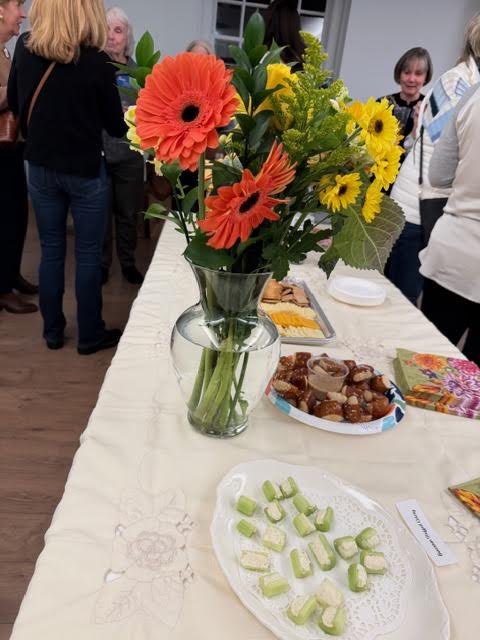
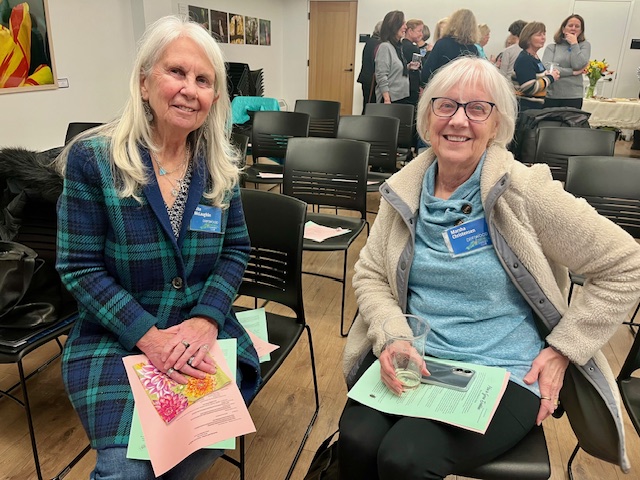
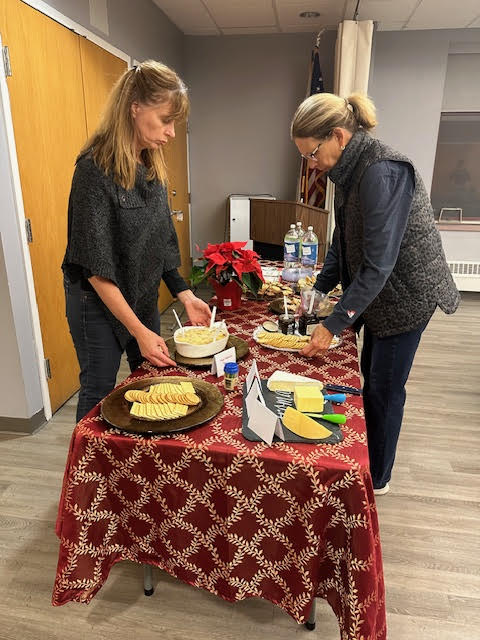
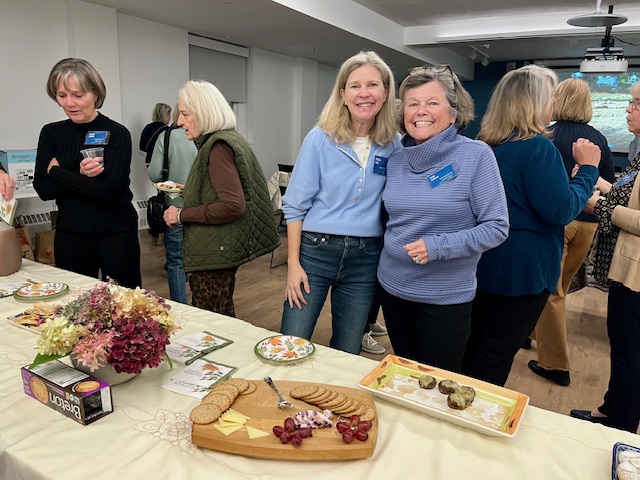
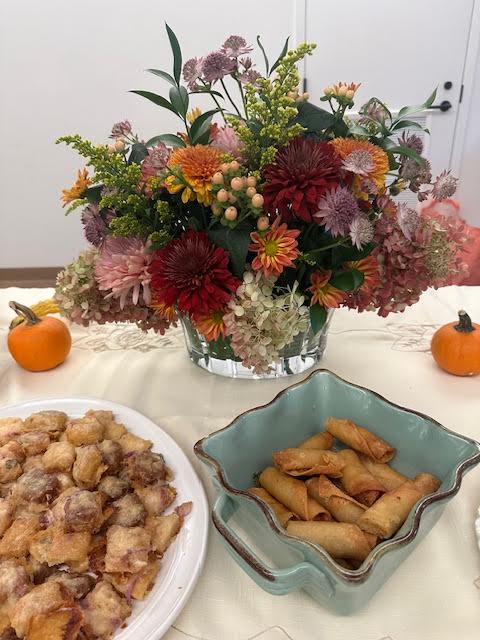
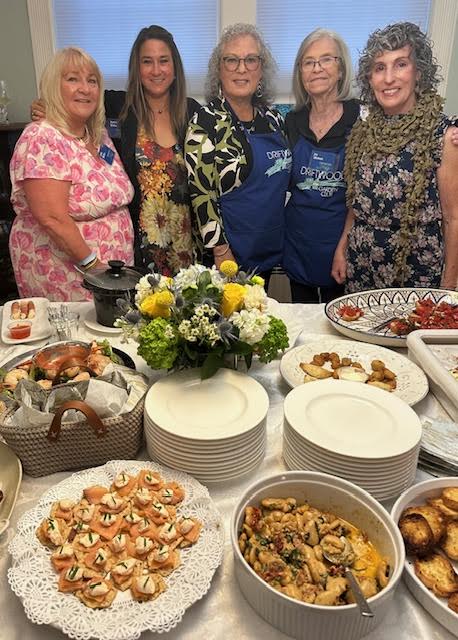
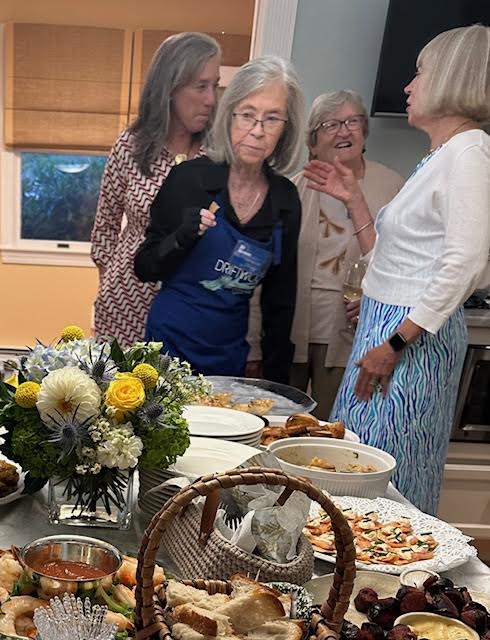
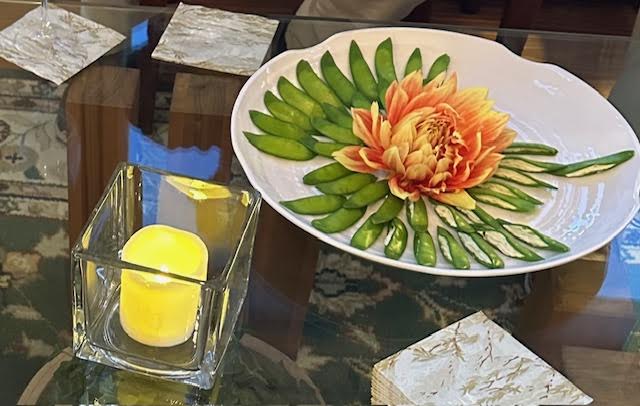
As always, a very sincere thank you to our hosts for the evening. They prepared and helped serve a beautifully laid table full of delicious sweet and savory offerings. It always makes our social time together extra special thanks to our hosts for the evening.
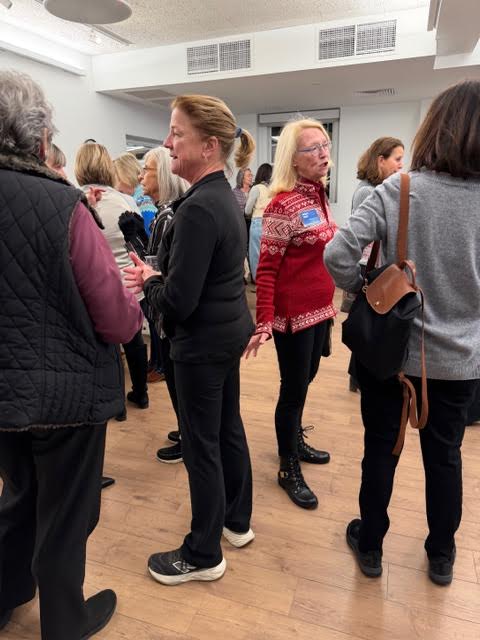
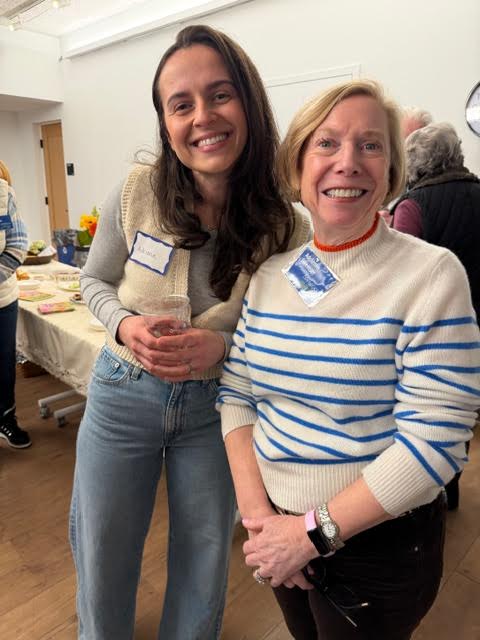
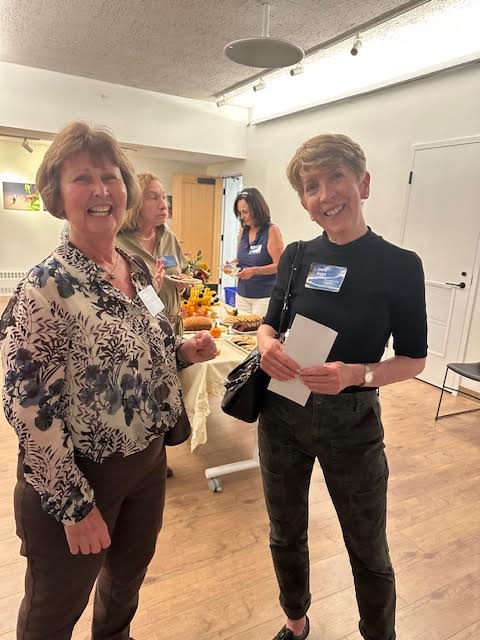
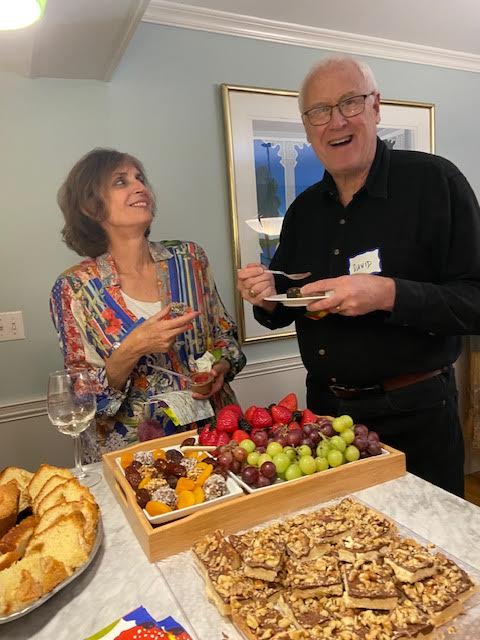
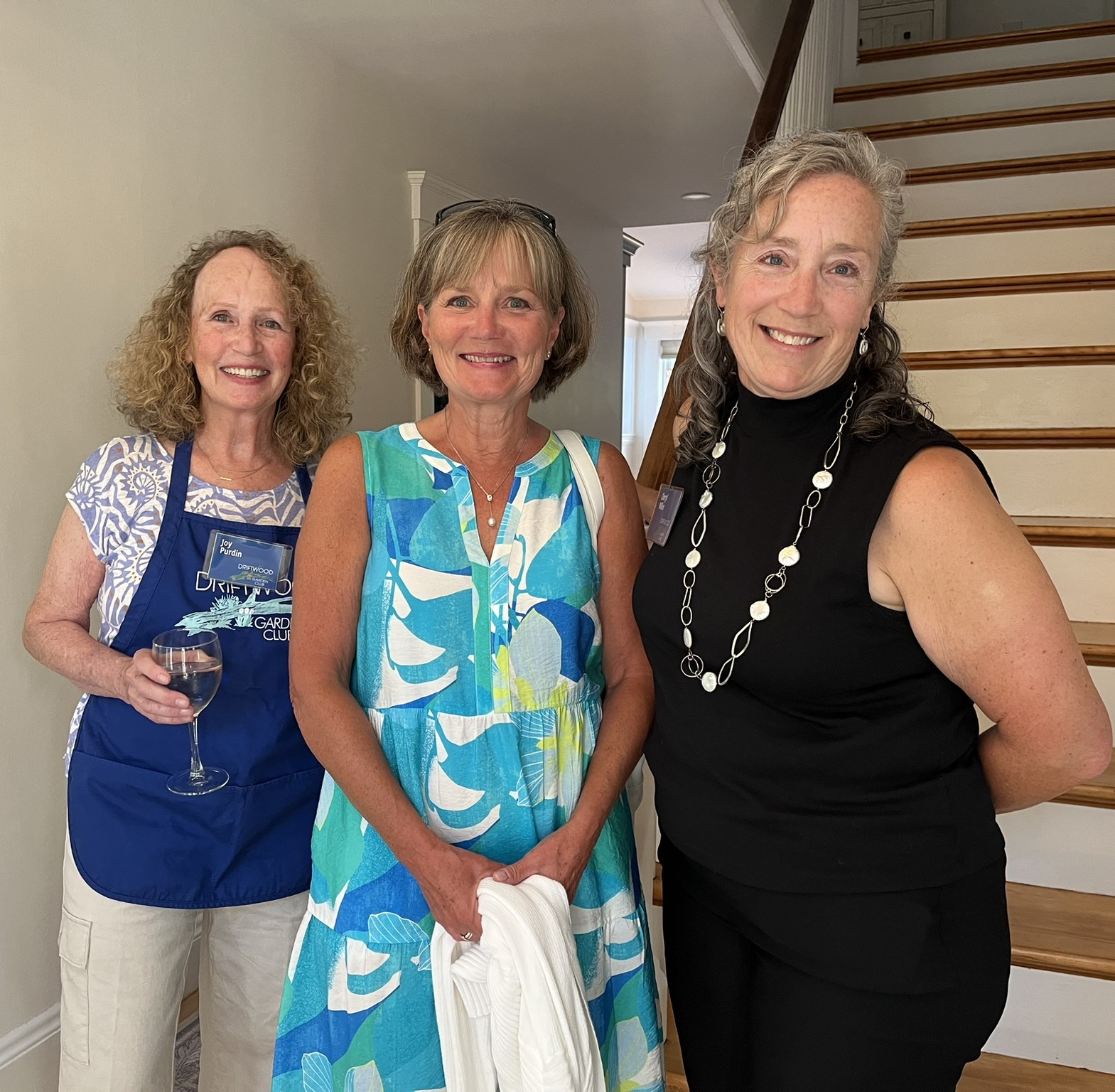
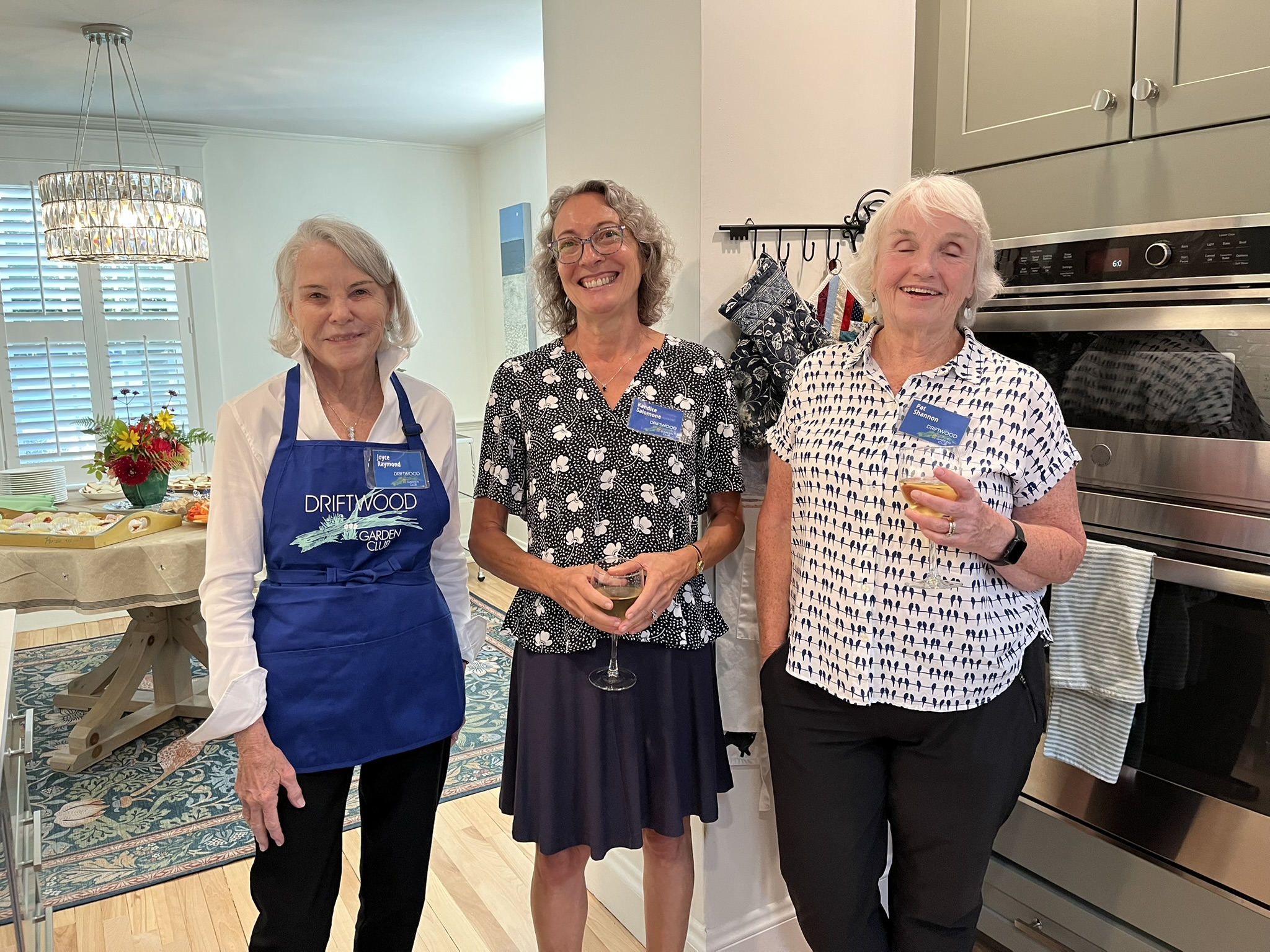
Driftwood Garden Club members, along with their guests, gathered at the lovely home of Joy Purdin to kick off the 2025/2026 season. Our annual cocktail party is a popular event for everyone, allowing people to mingle and get to know one another outside of the gardens that we care for throughout the spring, summer and fall.
The savory hors-d’oeurves and sweet desserts are made and contributed by our members and are always delicious. The member hostesses seamlessly served, replenished plates and kept the kitchen area spotless, as they also circulated and enjoyed the party. A special shout-out to our bartenders, Cliff and Joe, who manned the wine bar and kept everyone happy.
Members, old and new, shared stories of gardens, trips, and family, as well as all that was accomplished by their hard work in the gardens of Abbot Library and Farrell Court this past season.
The Driftwood Garden Club is looking forward to the fantastic schedule of workshops, speakers, and field trips planned over the coming year. There is definitely something everyone can enjoy!
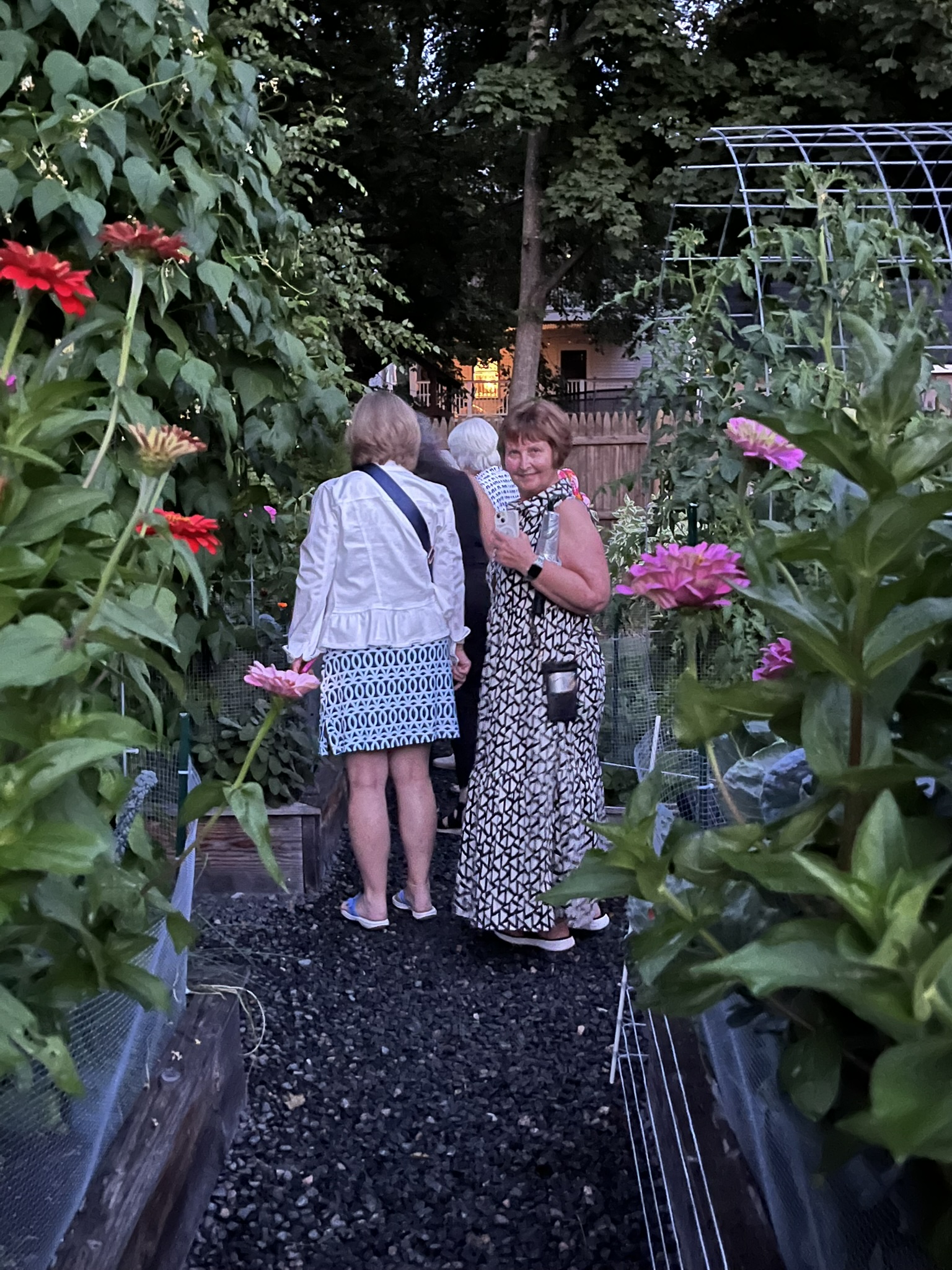
Again this year, the DGC President hosted a get together to give new members a chance to chat with the Advisory Board and hear about activities and opportunities planned for the upcoming year. President Cheryl Miller opened her beautiful home and garden to members for delicious refreshments and great conversation.
Hostesses Joy Purdin, Adrienne Sweetser, and Joyce Raymond provided delicious refreshments and Laurie Boggis created a beautiful centerpiece for the table using flowers from her own garden as well as from Adrienne’s.
The evening ended with a tour of Cheryl’s garden which was a particular treat, if not downright magical – trellises, arches, fairy lights, and look at those zinnias!!
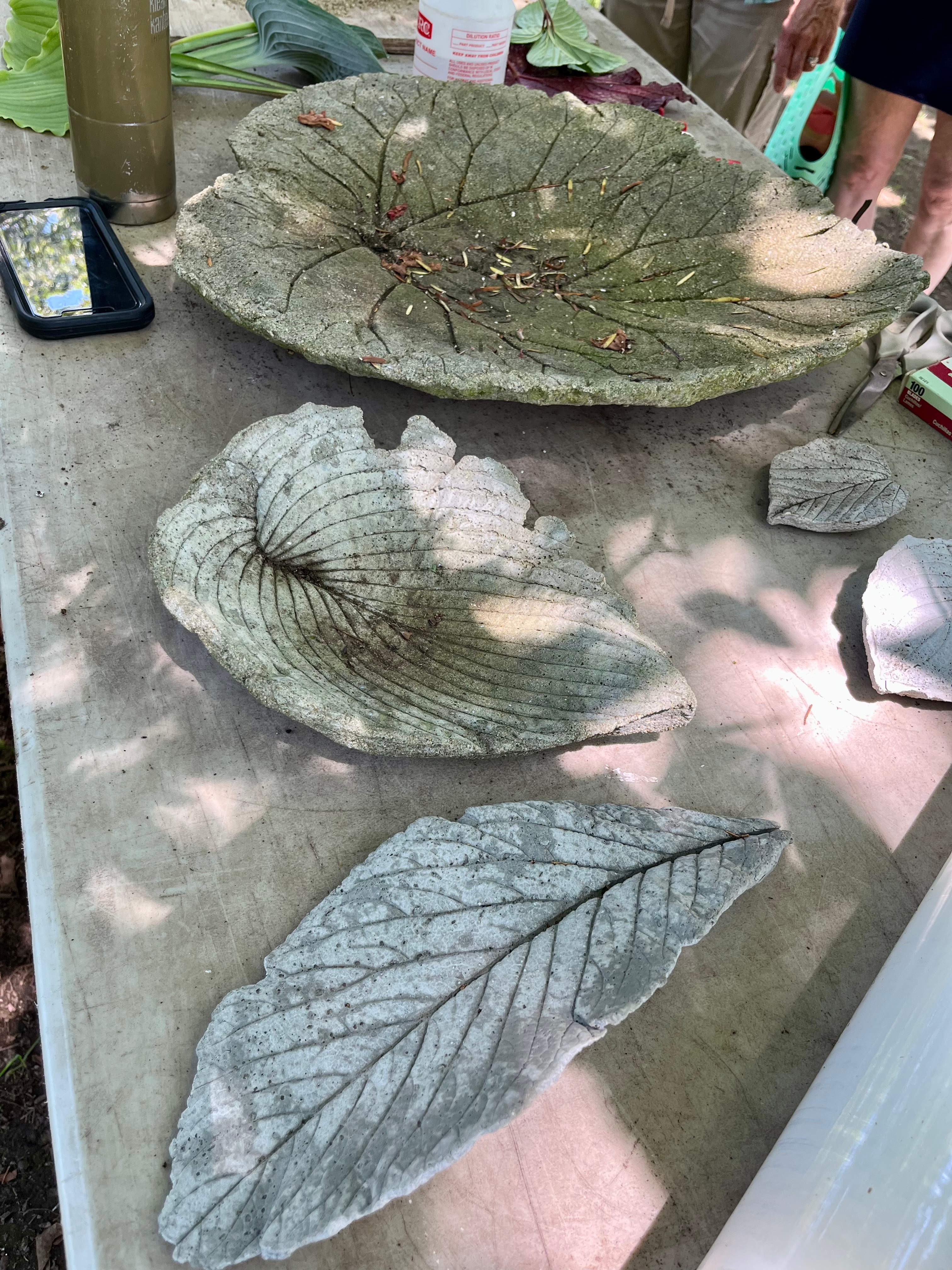
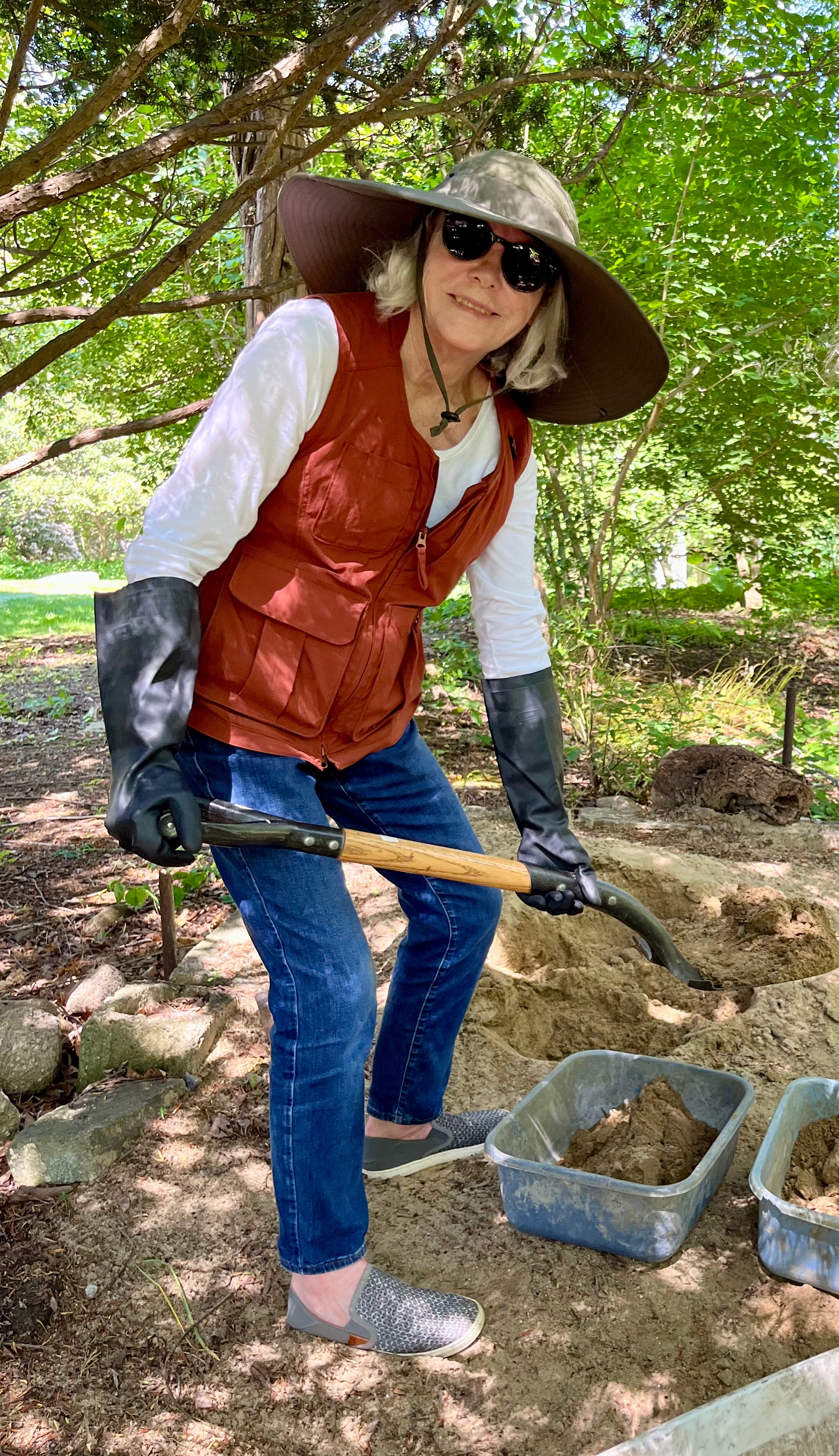
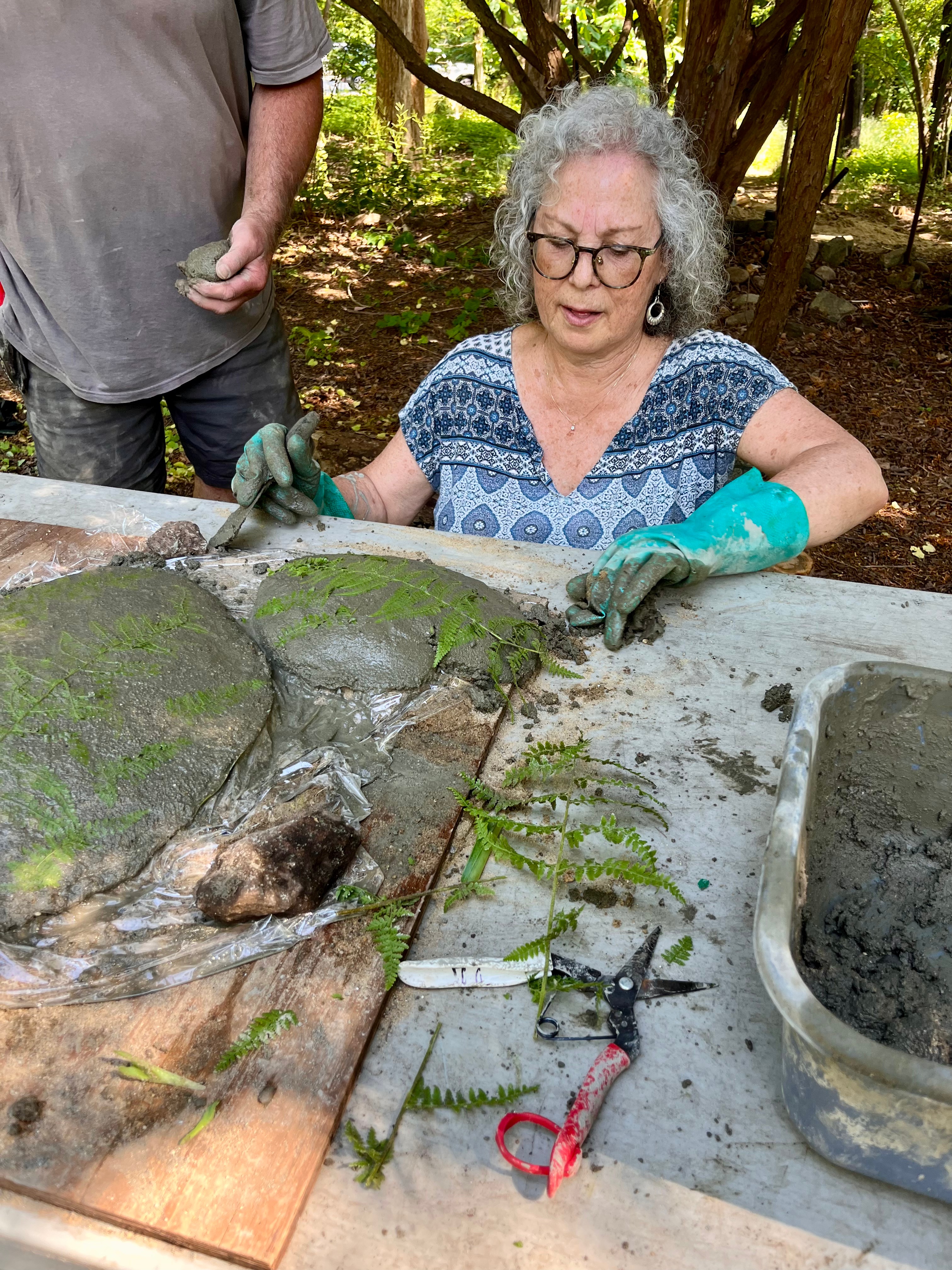
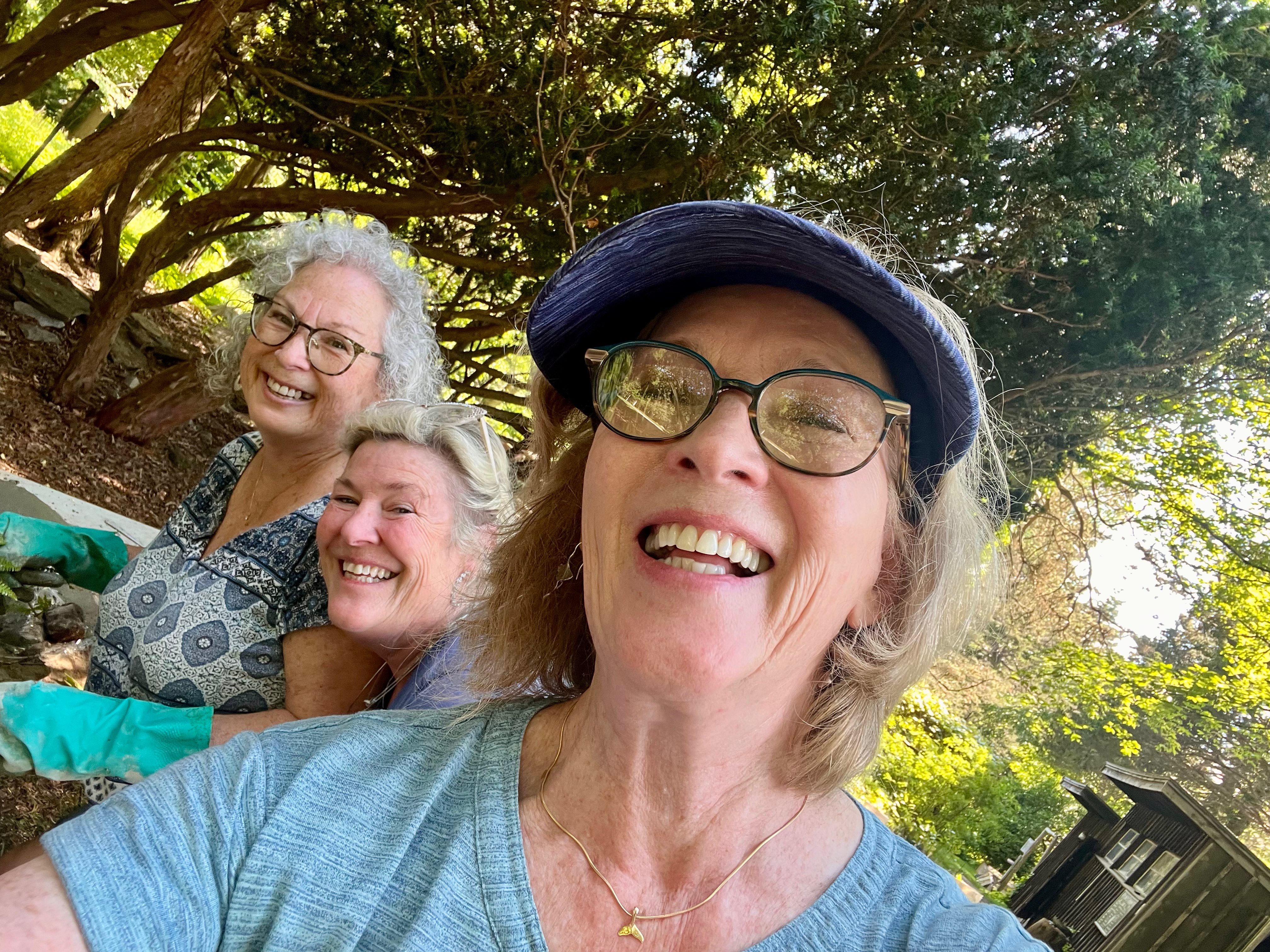
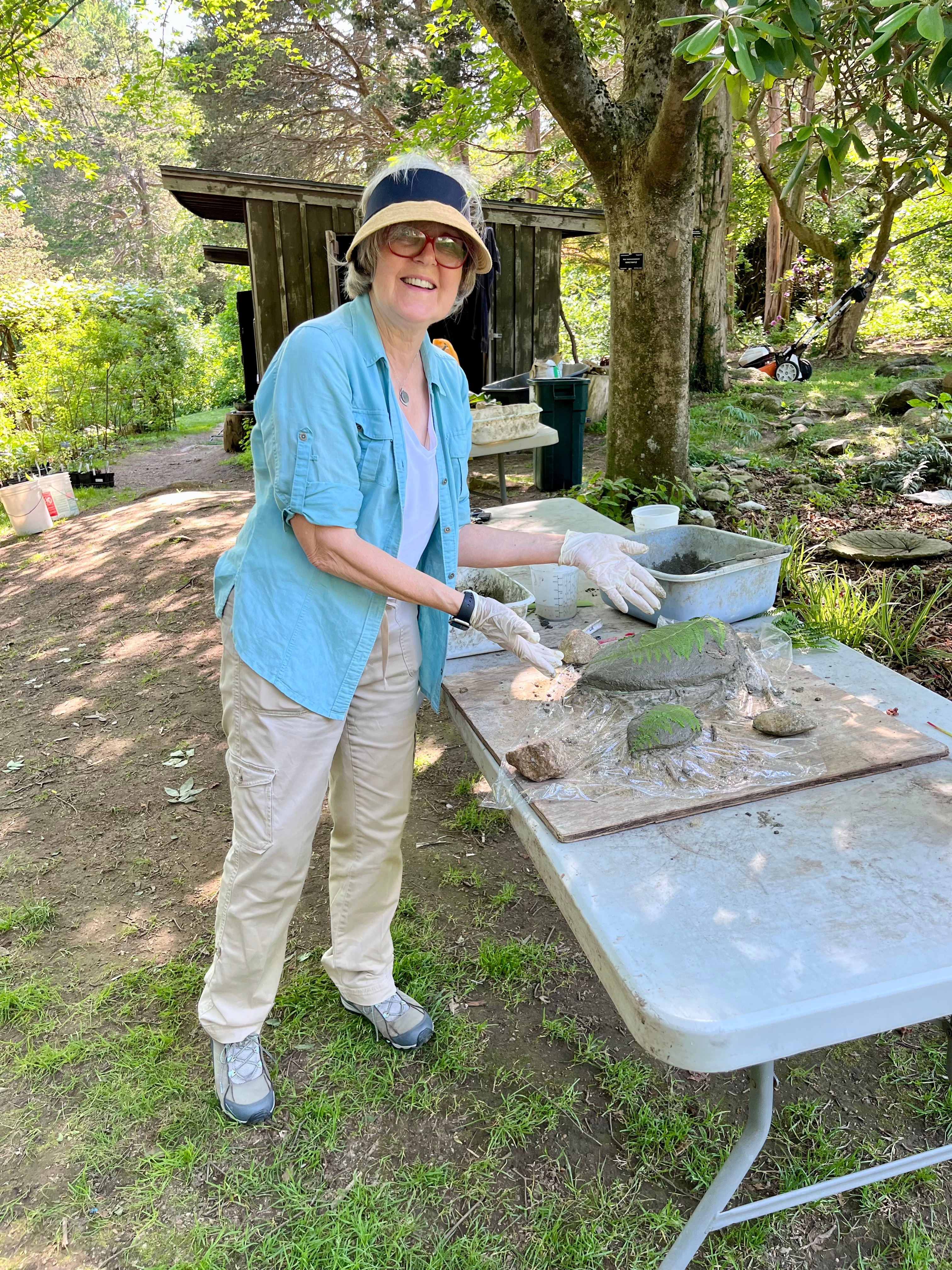
Driftwood Garden Club members were up to their elbows in sand and cement while attending a cement birdbath workshop at The Trustees of Reservation Long Hill in Beverly, MA. Long Hill, the 114-acre estate built in 1916 as a summer home of Ellery Sedgwick, was a perfect setting for this event.
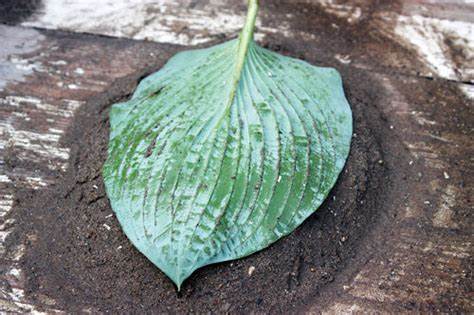
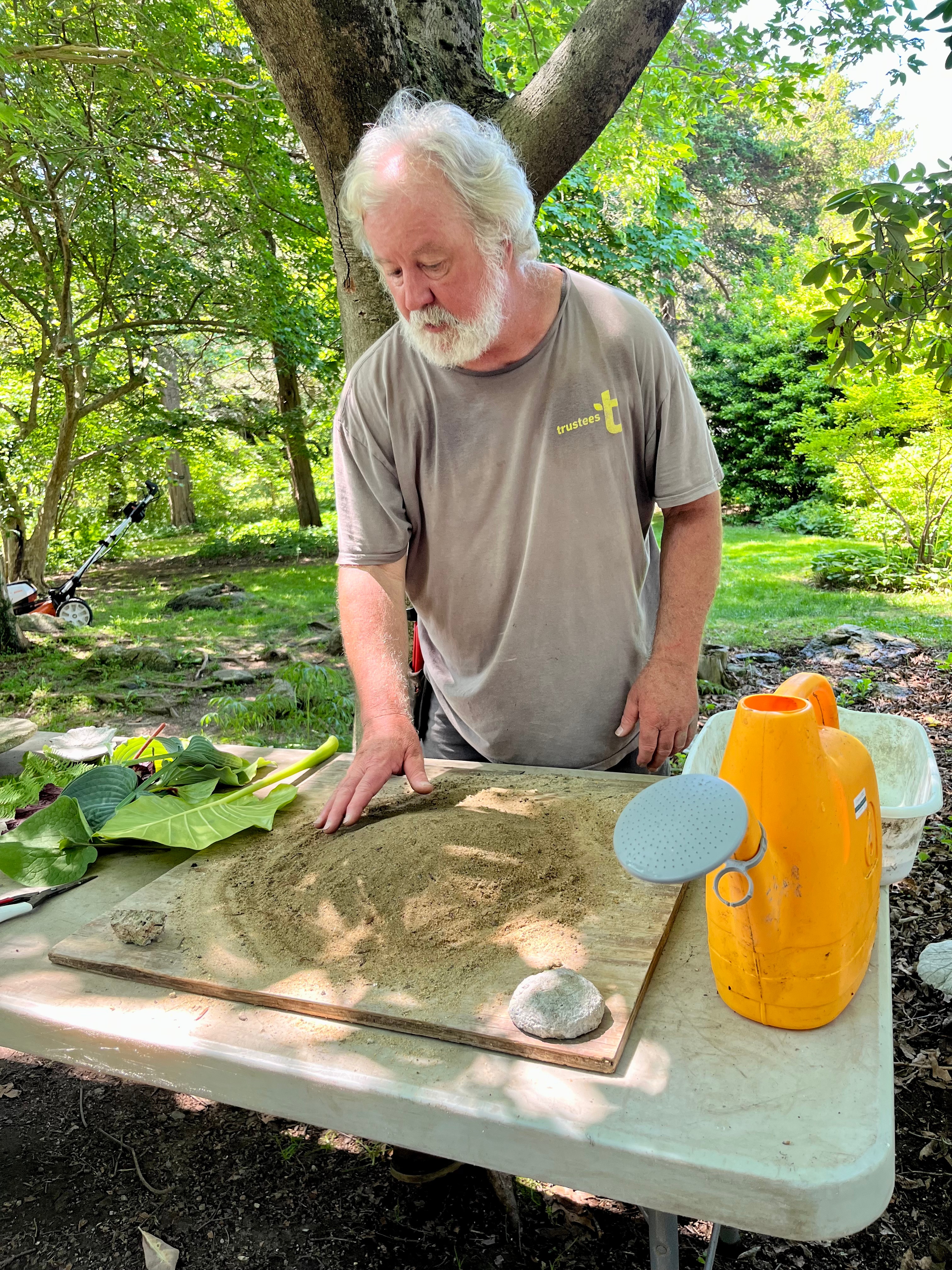
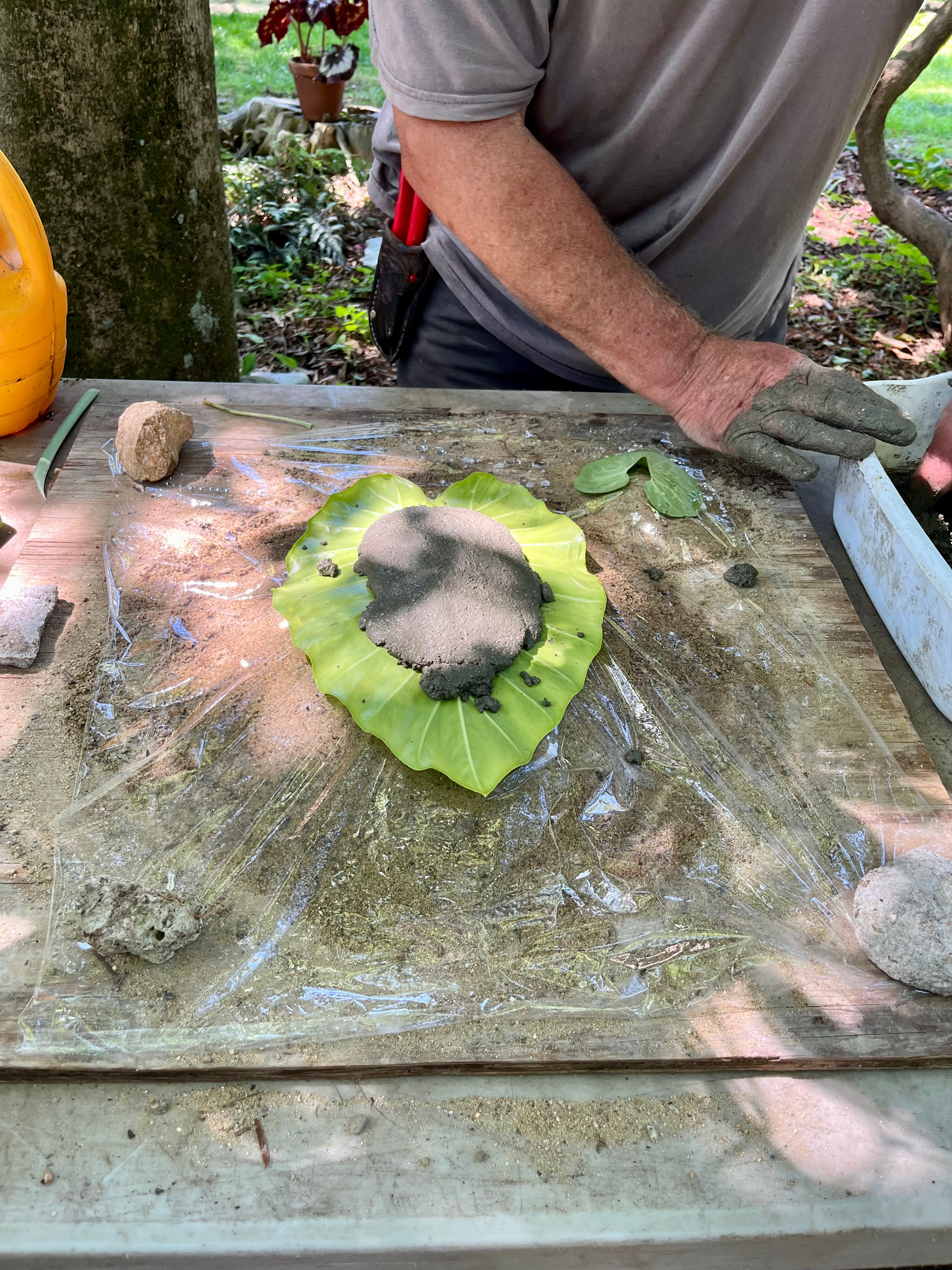
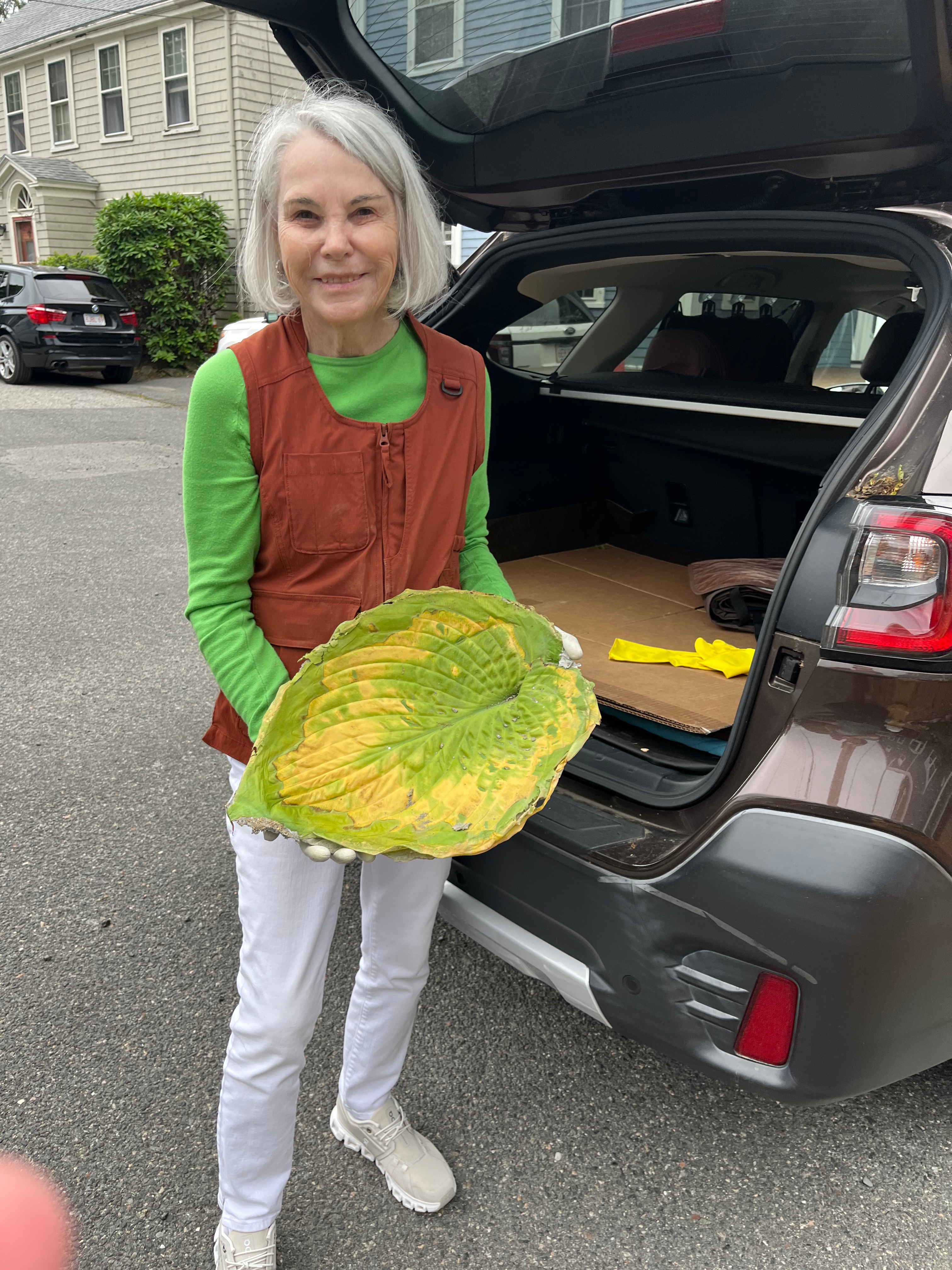
Our birdbath guru, horticulturalist Dan Bouchard, led us on a short walk in the woods to find perfect leaves for our creations. He stressed the importance of using a leaf with the right shape and curve, and with prominent veins on the underside.
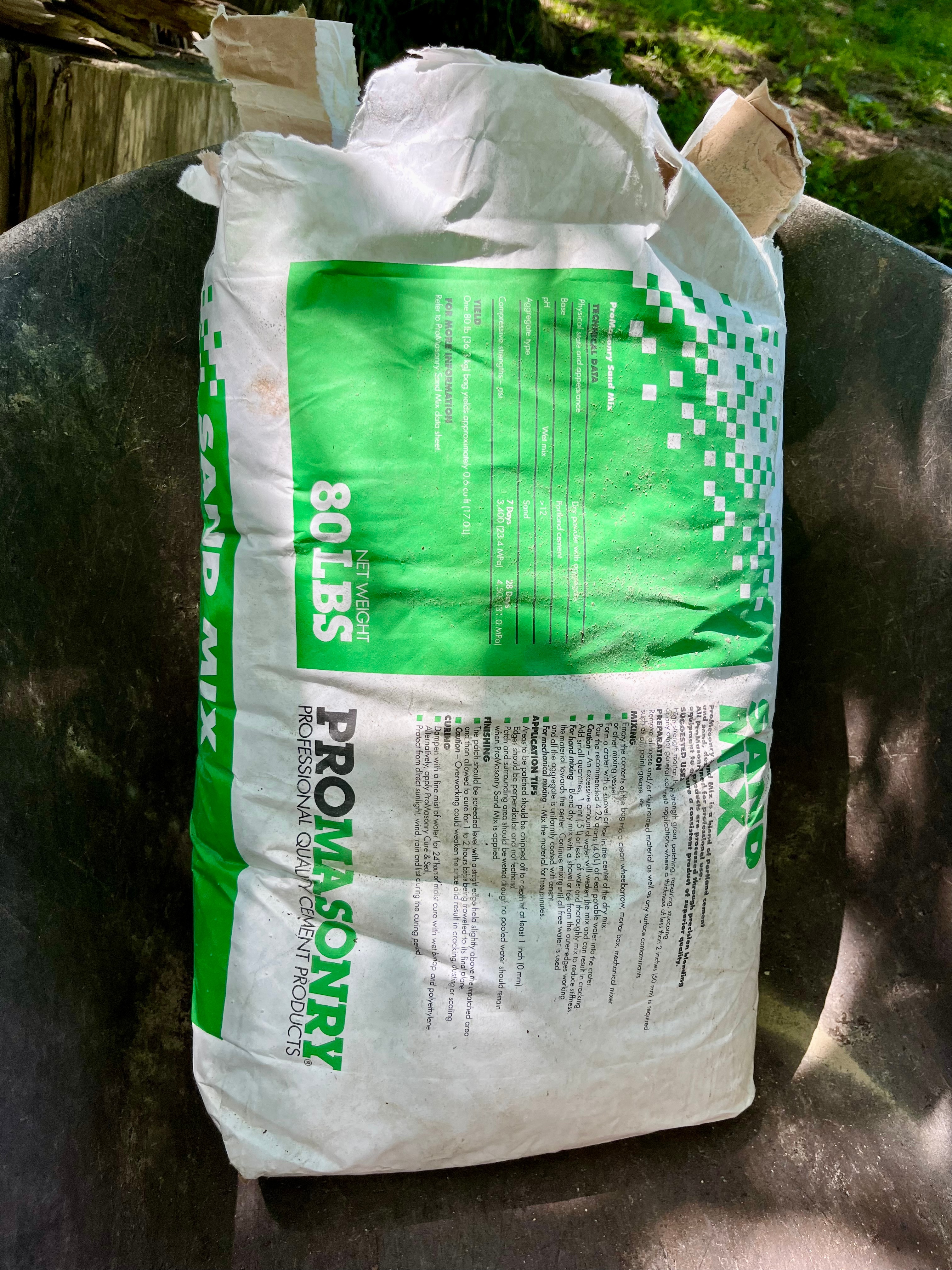
We observed Dan mound his sand on a board, carefully position the leaf, then mix the cement into a perfect consistency. Not too wet, not too dry! After his demo, we were on our own shoveling sand from the pile, mixing water into the cement powder, and carefully covering the leaf with wet cement. Each participant carved her initials on the underside of the birdbath.
Our birdbaths, covered in plastic, took about a week to dry in this summer humidity. We know local birds and butterflies will be thrilled with these stunning new birdbaths!
This year, Marblehead Arts Association annual national exhibit called ‘Variations 2025’ also featured an Arts In Bloom event patterned after the popular Museum of Fine Arts event. Floral designers from local garden clubs, floral shop owners, and others from the floral design community were paired with a piece of art from the Variations collection to interpret in a floral masterpiece.
Driftwood Garden Club members Ginny von Rueden and Laurie Boggis have teamed-up in the past to design in the Boston MFA event. This year at the Marblehead Arts historic King Hooper Mansion, they each interpreted the same painting: a striking acrylic rendition of Seawall Boulevard in the Gulf Coast City of Galveston, Texas by artist Don Hammontree, complete with a vintage 1969 Pontiac Firebird Trans Am car in the foreground.
Laurie is a confirmed ‘Less is More’ kind of designer, while Ginny has a ‘More is More’ approach to her arrangements. The final results were both beautiful and yet entirely different from each other. The ‘Dueling Designers’ entertained the audience with tales of past adventures and challenges from their years of working together.
Also kudos to DGC member Jo Ann Augeri Silva who represented the Driftwood Garden Club well with her stunning rendition of the Spanish Stallion piece by equine photographer Susan Correia.
Ticket-holders to the Sunday afternoon event entered their names in a raffle, and the winners received a donated floral arrangement to take home and enjoy. Every stunning floral design captured the essence of the assigned art.
Congratulations and thanks to all the talented floral designers who interpreted the art with flowers.