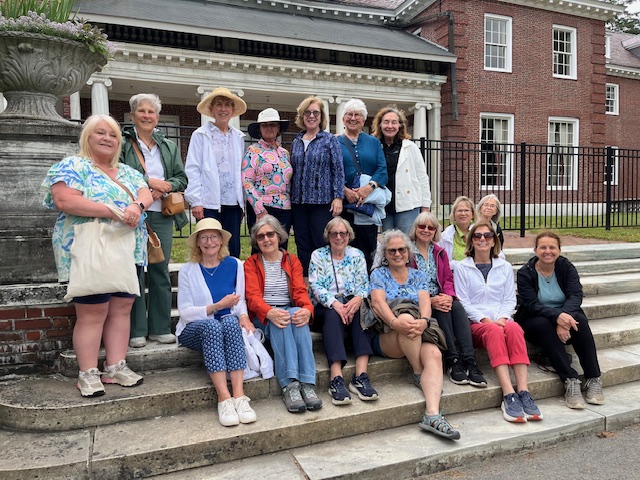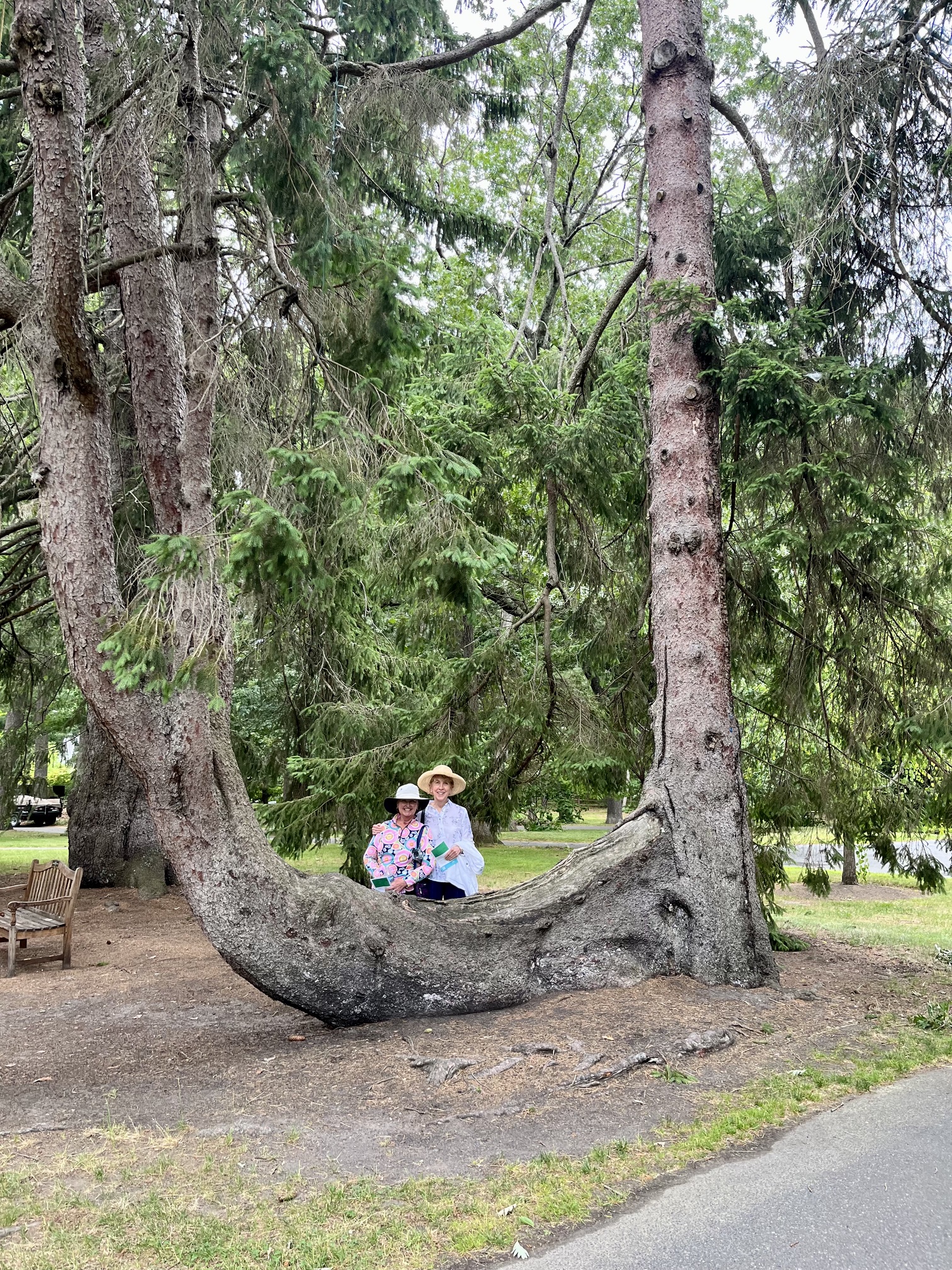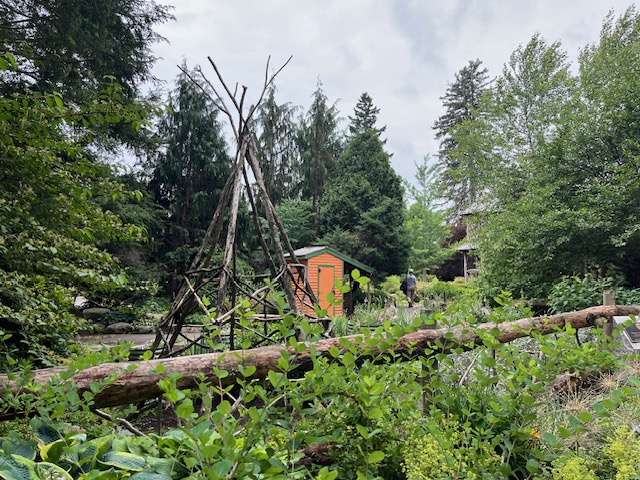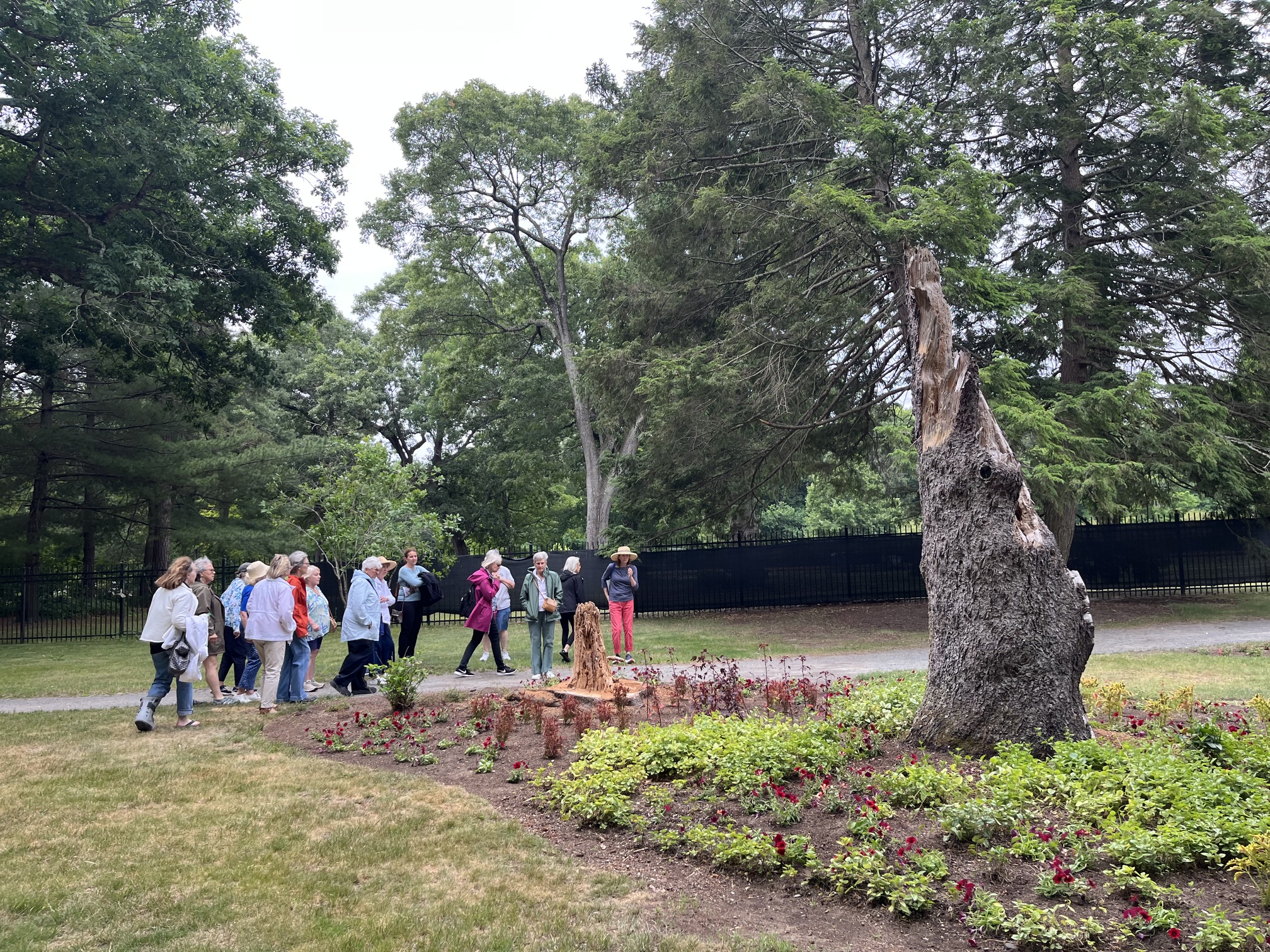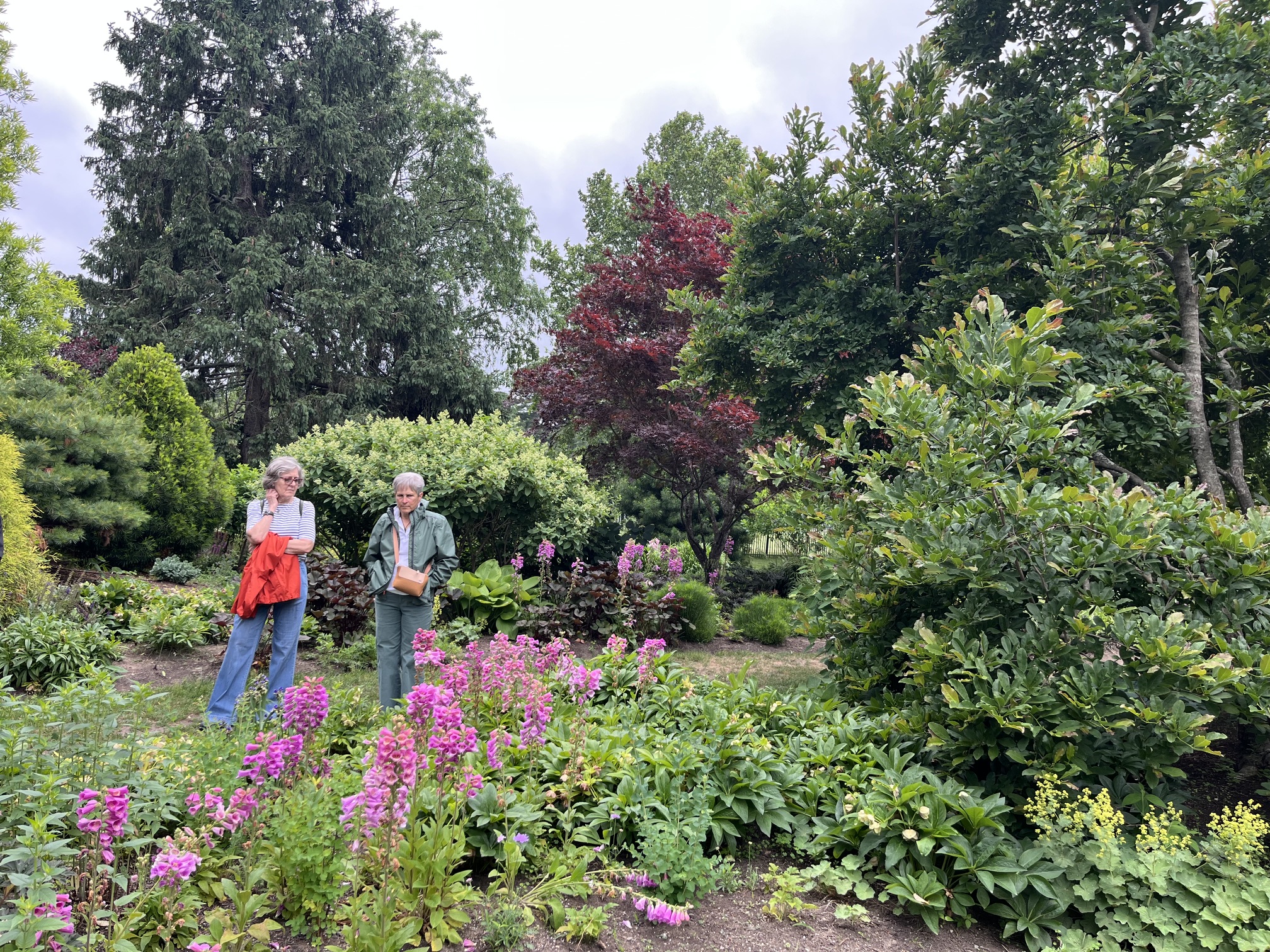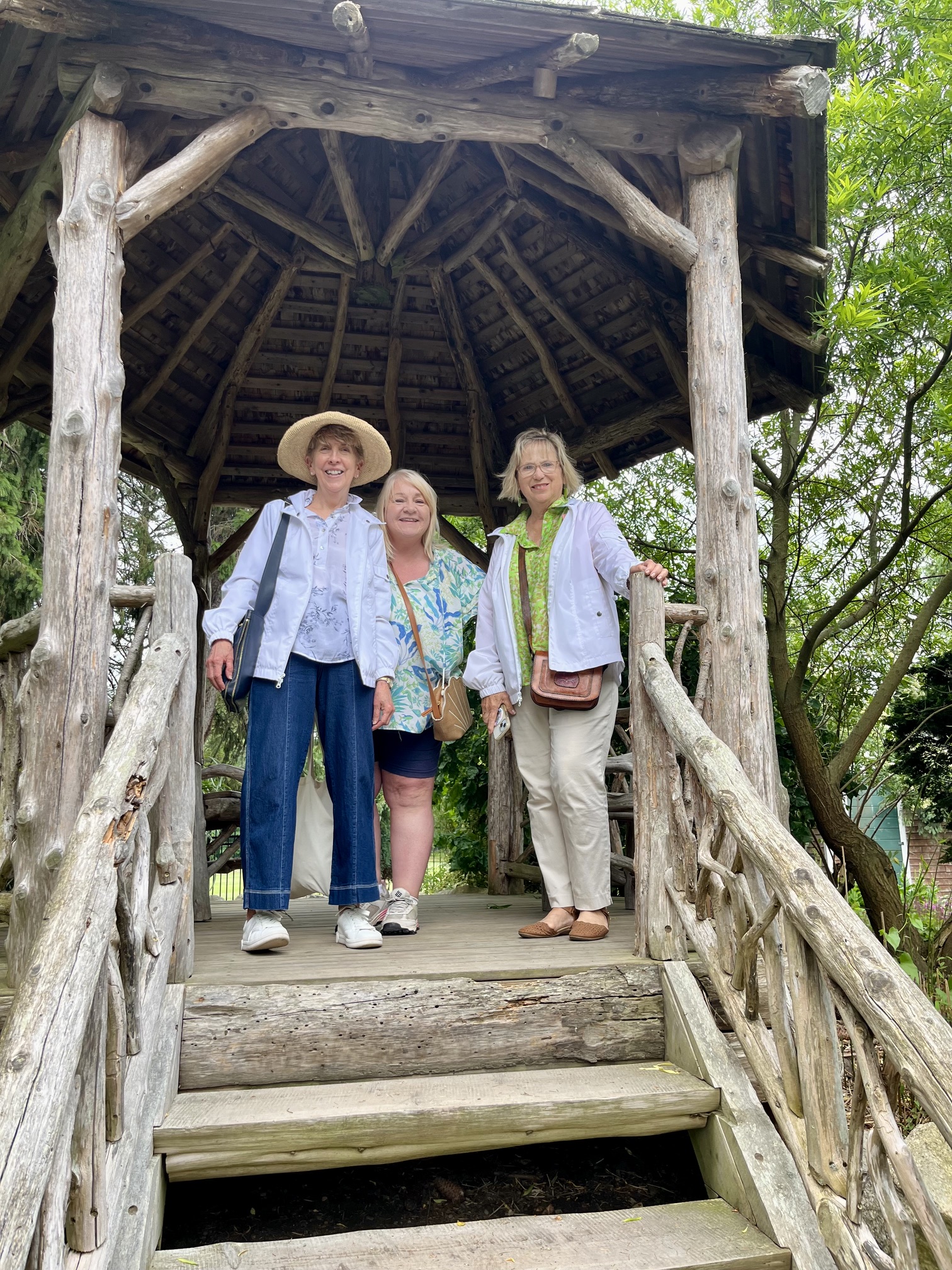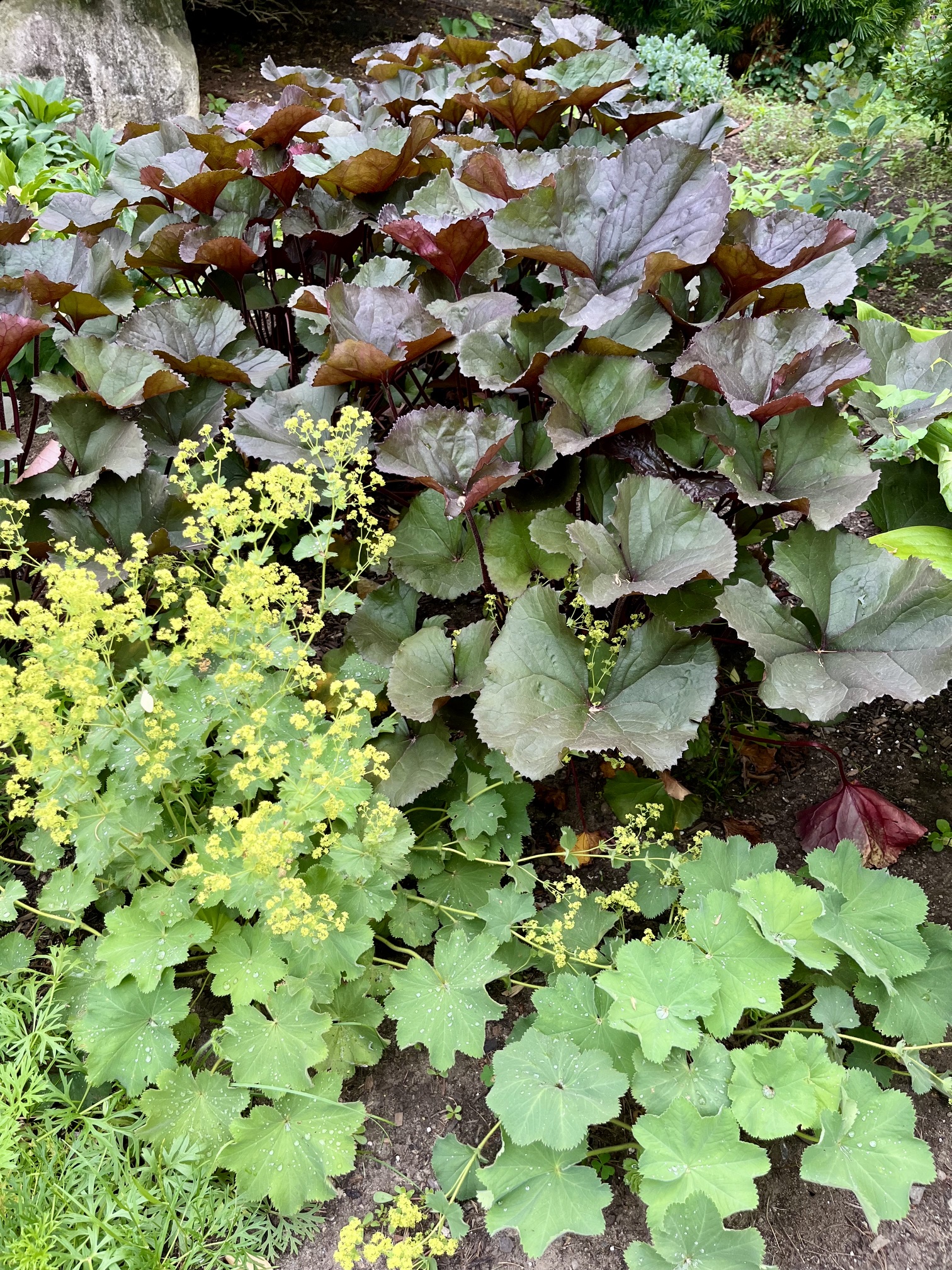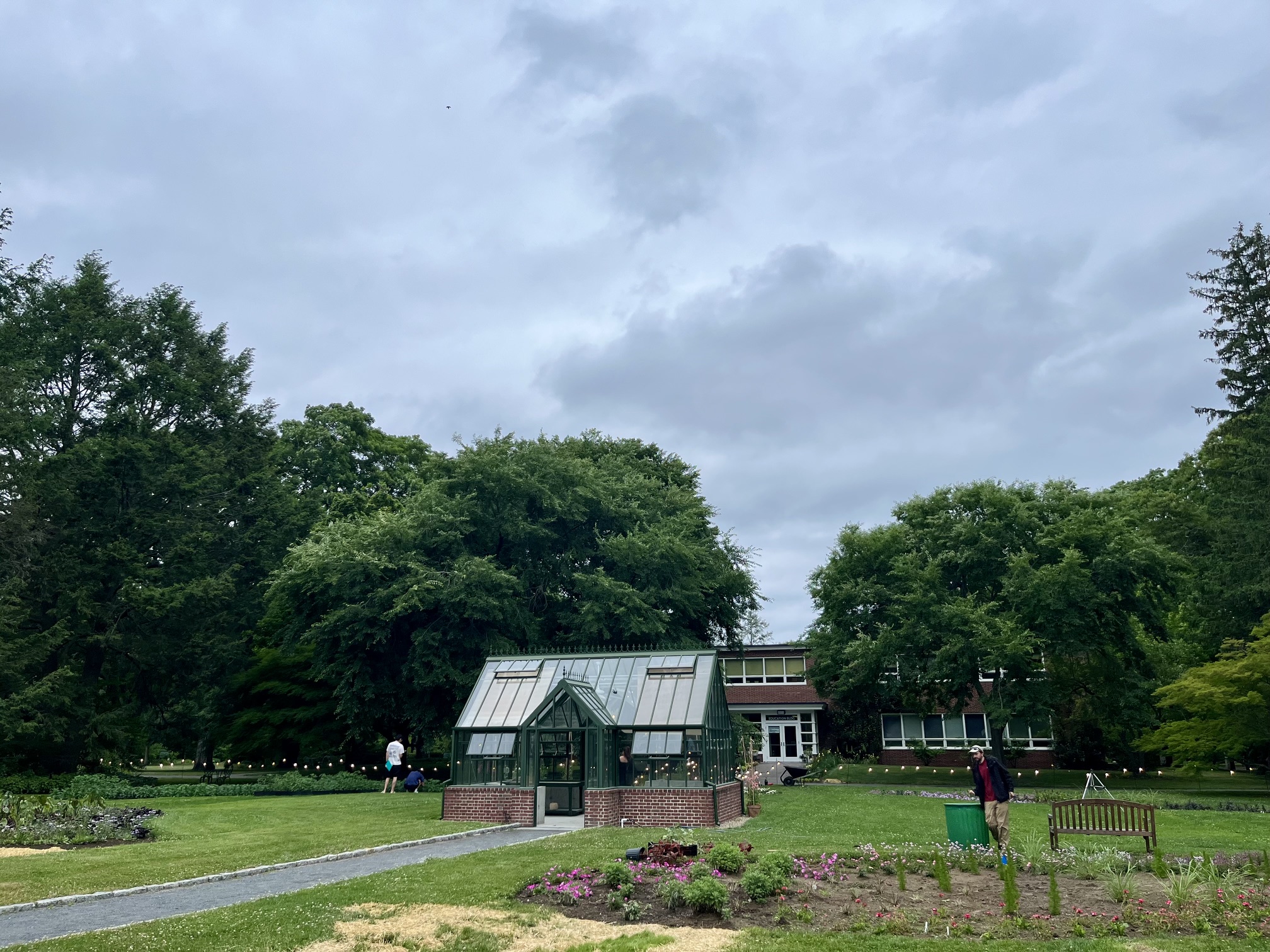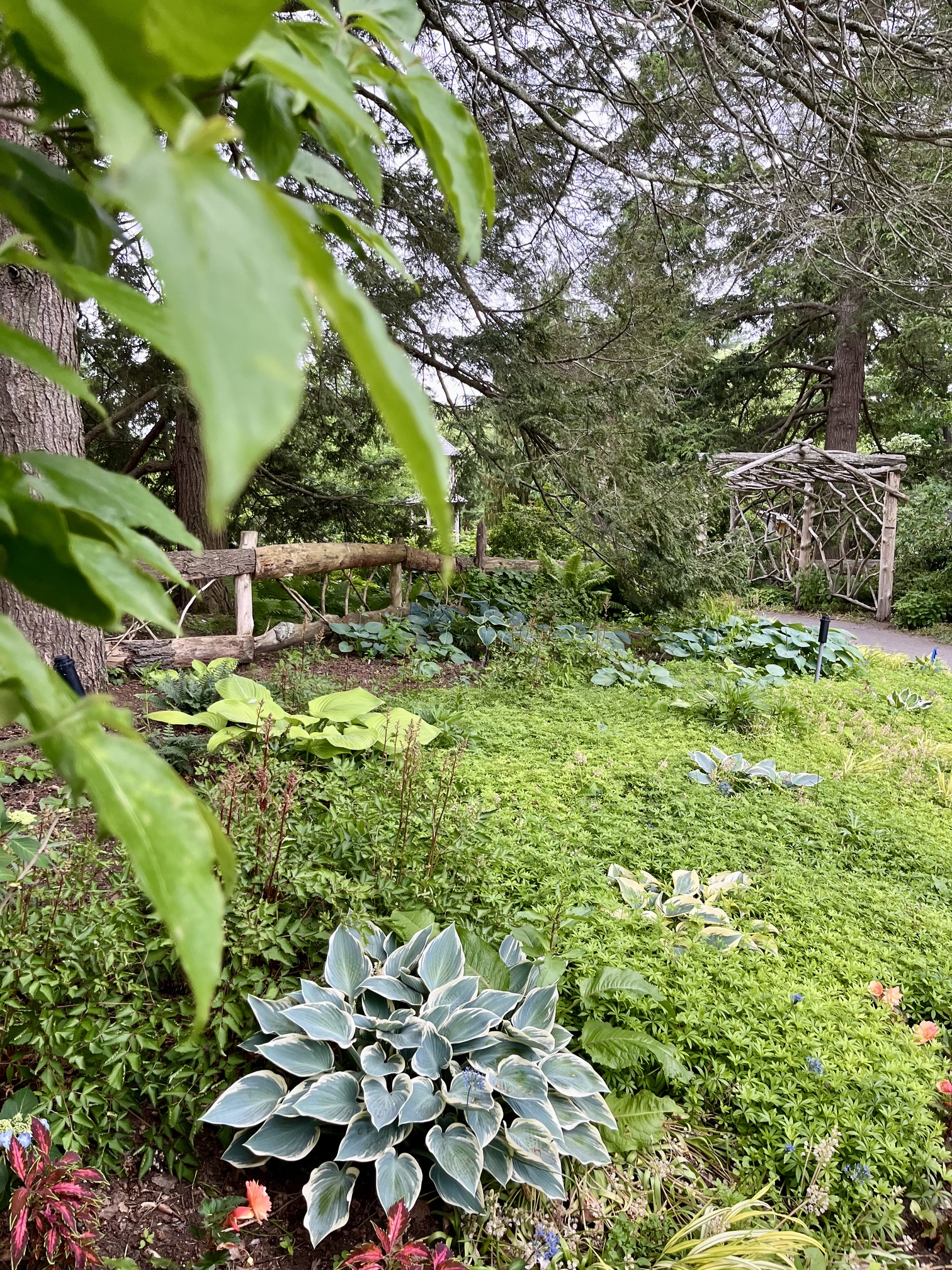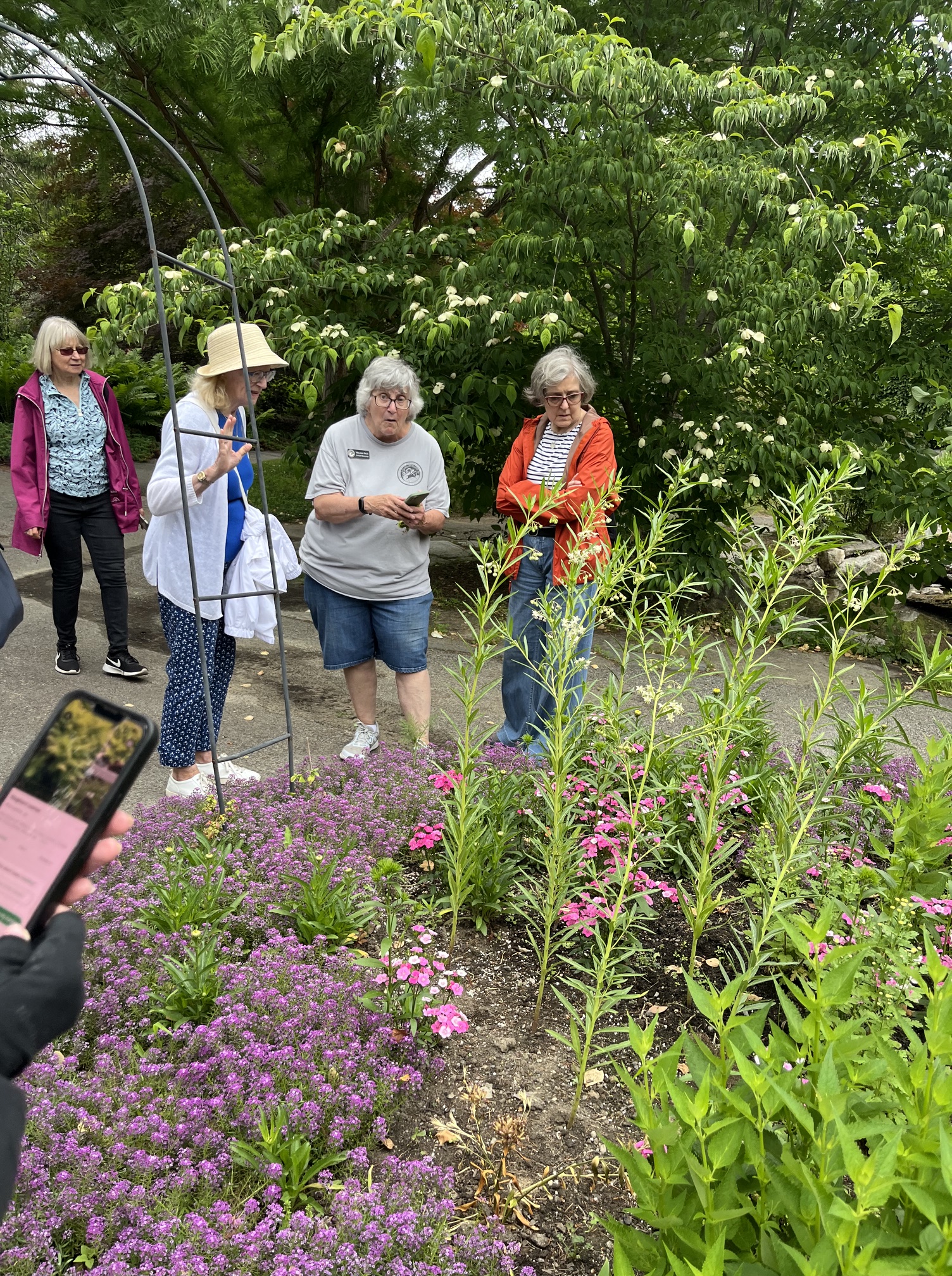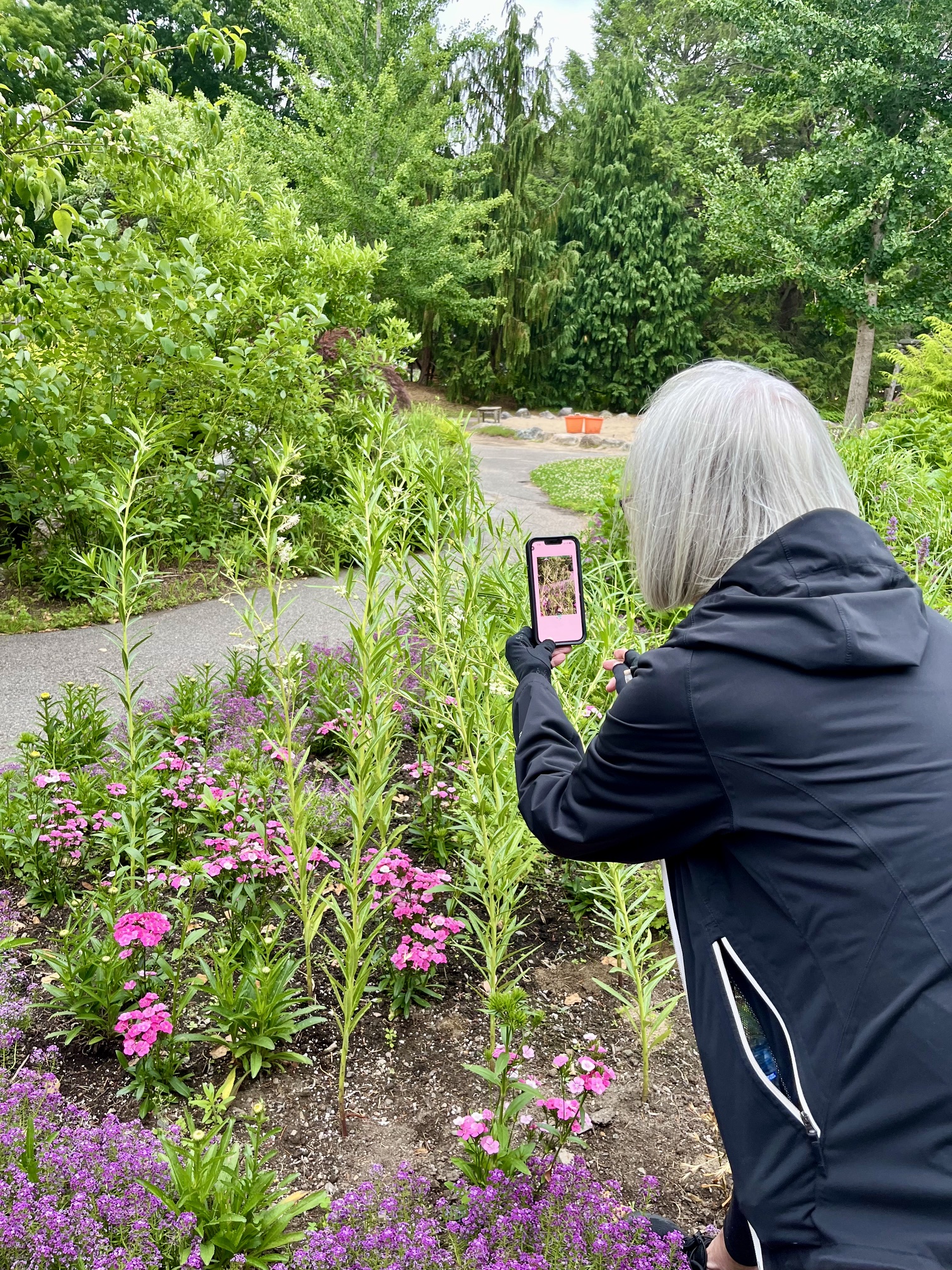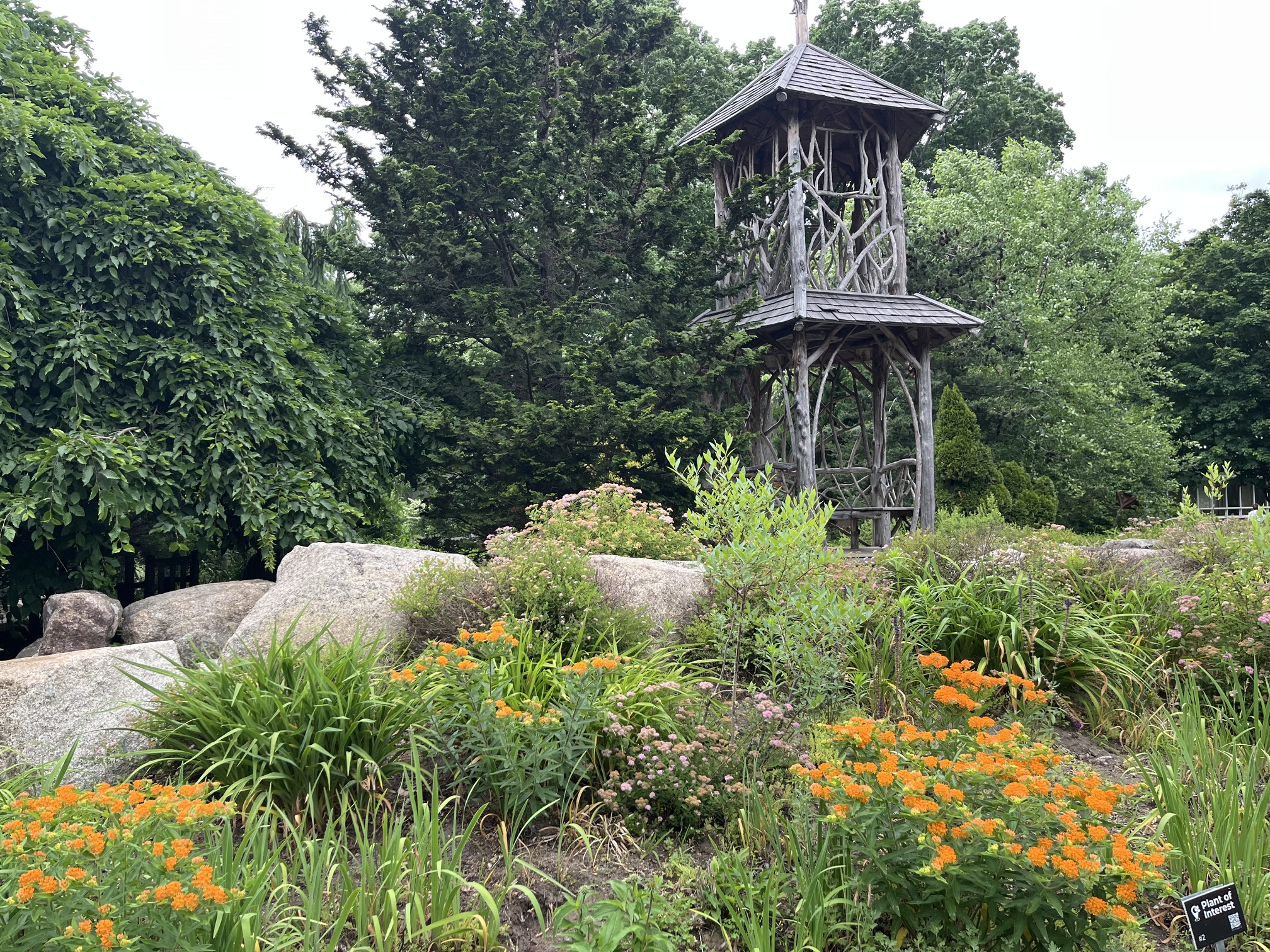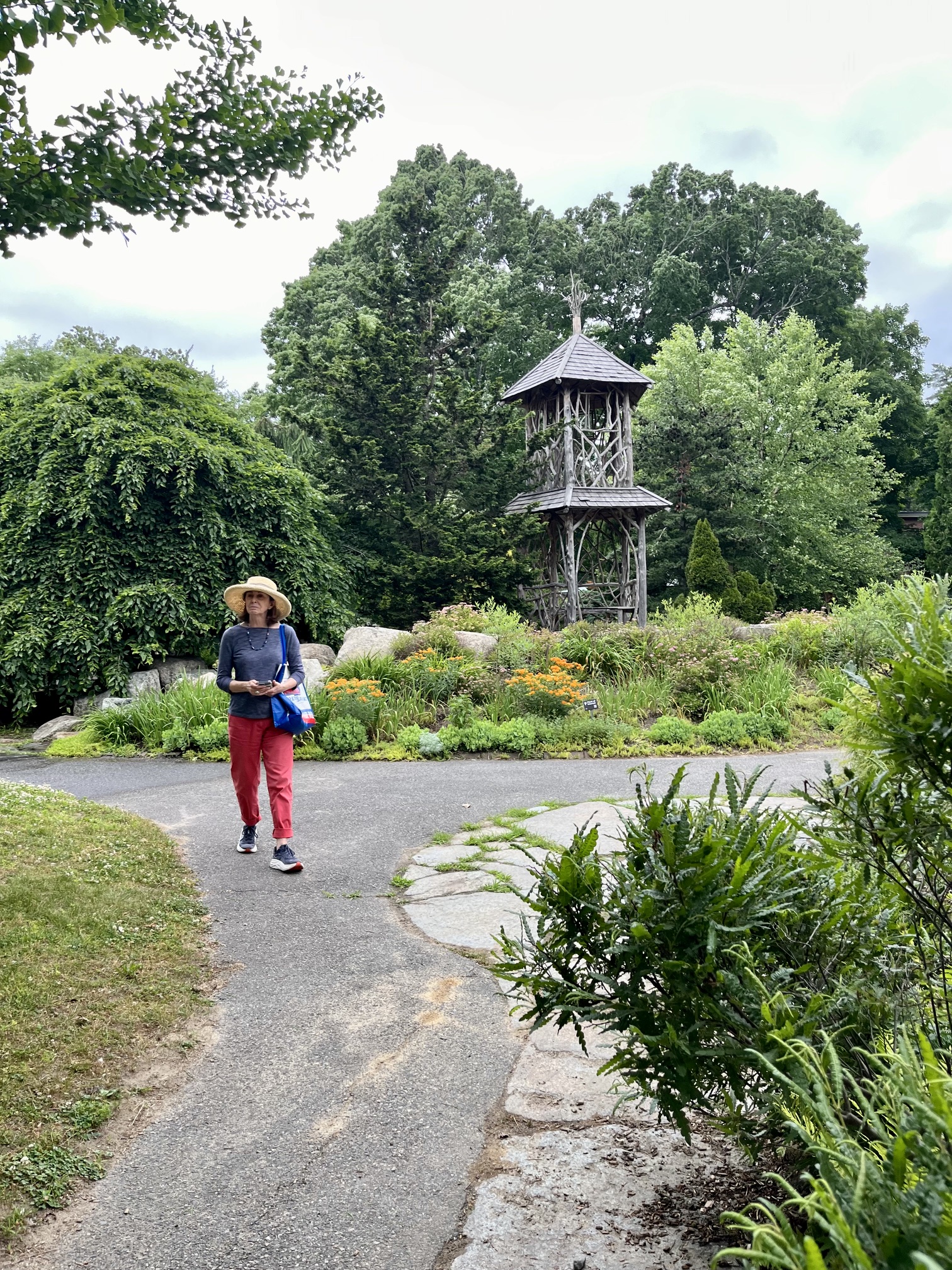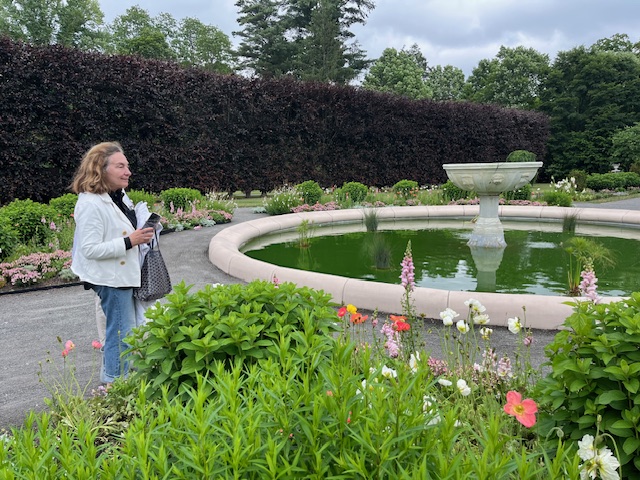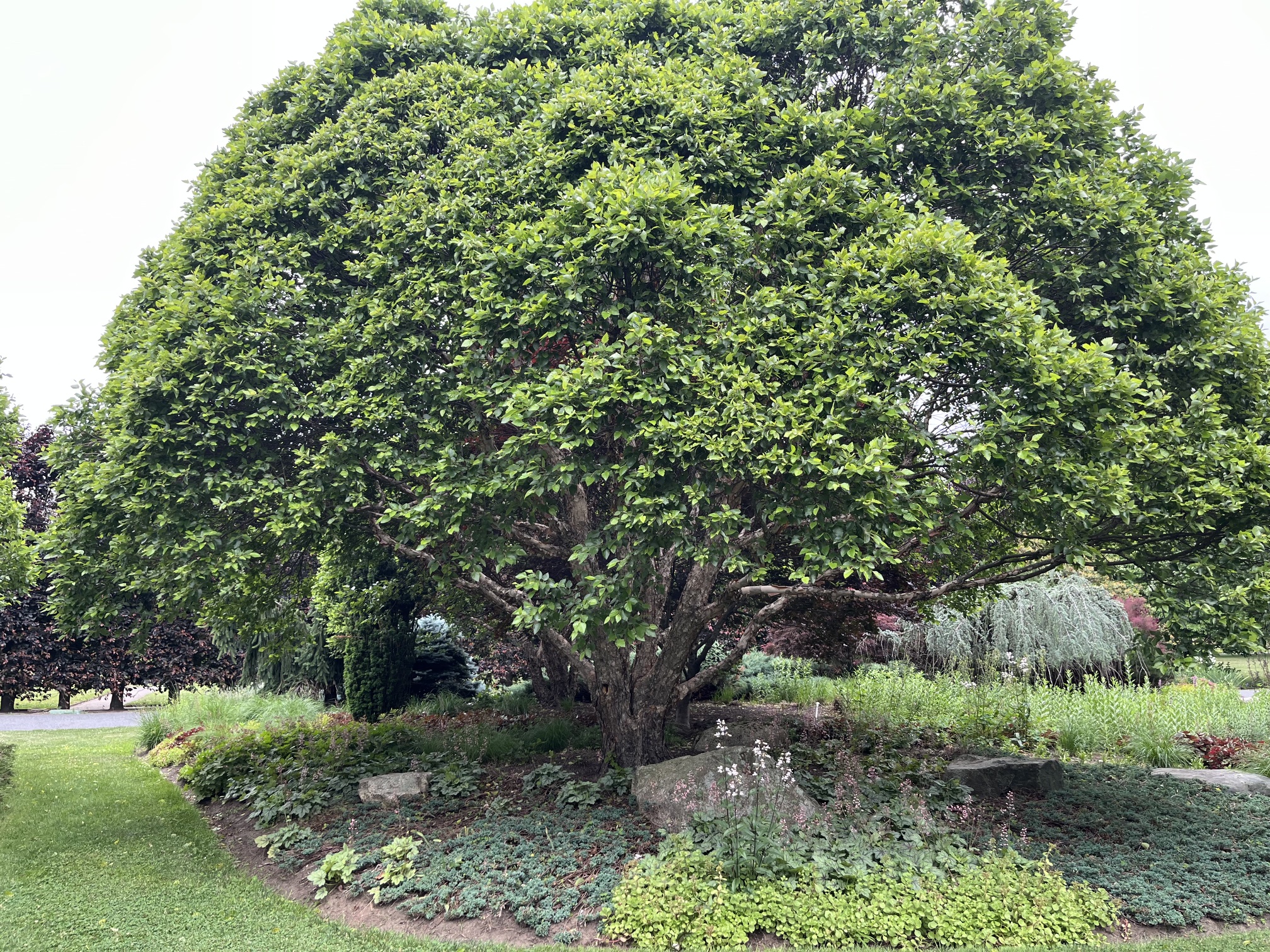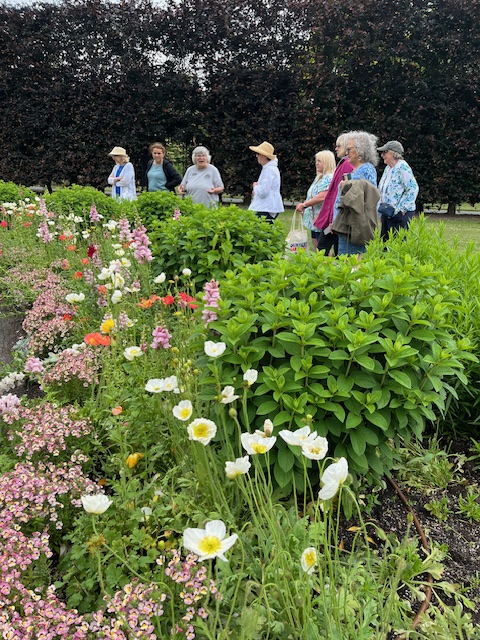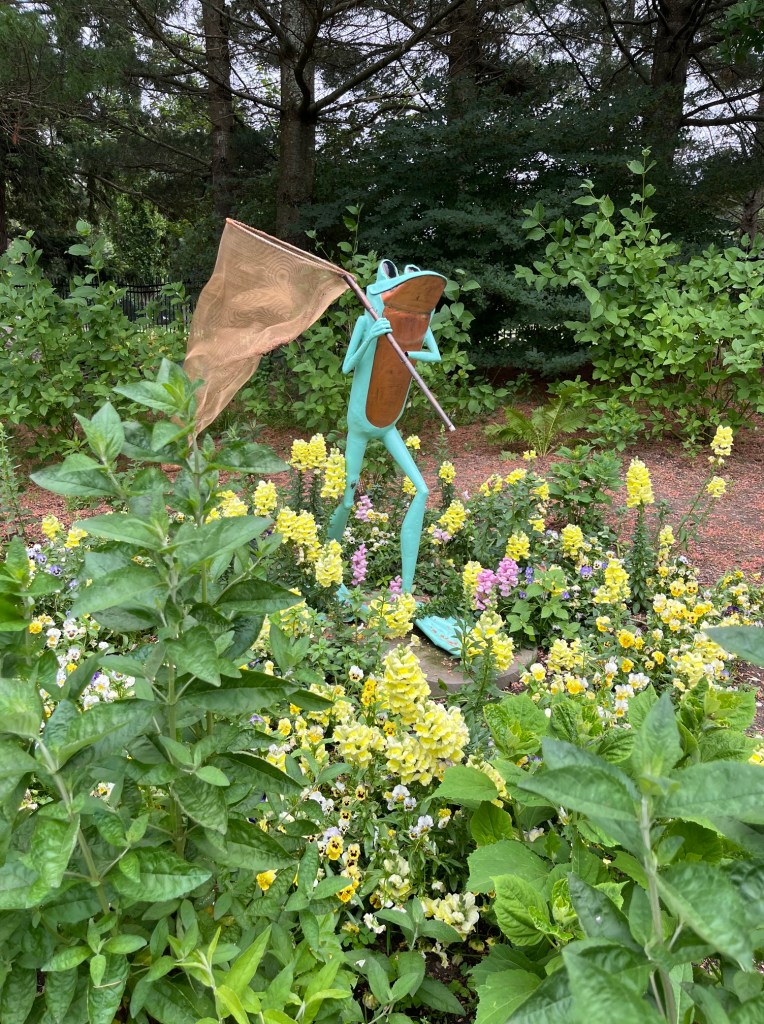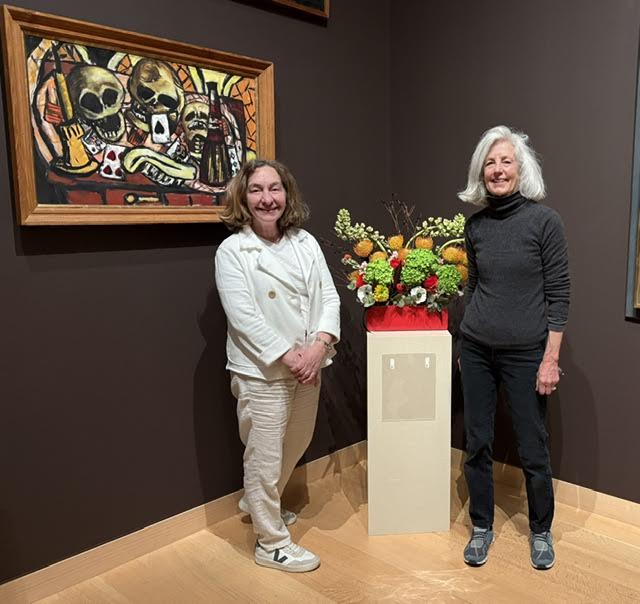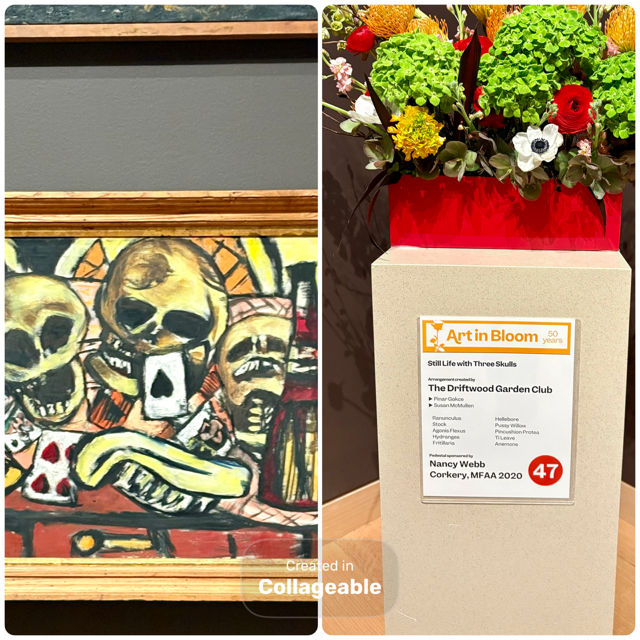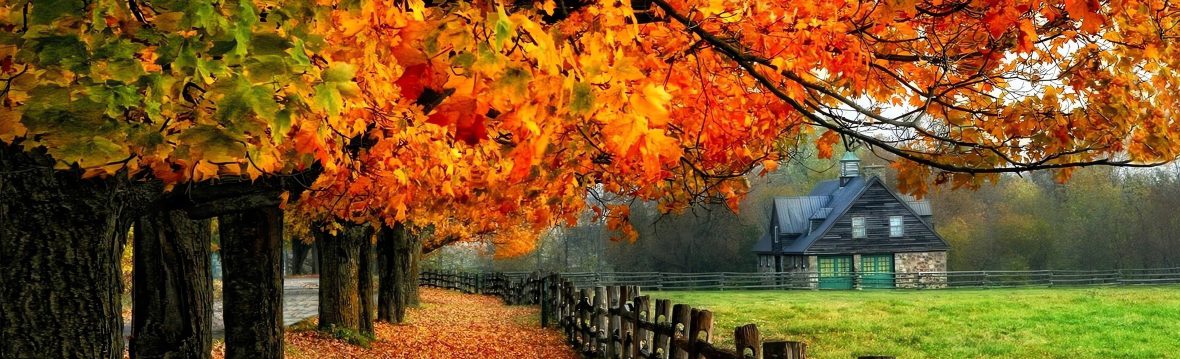
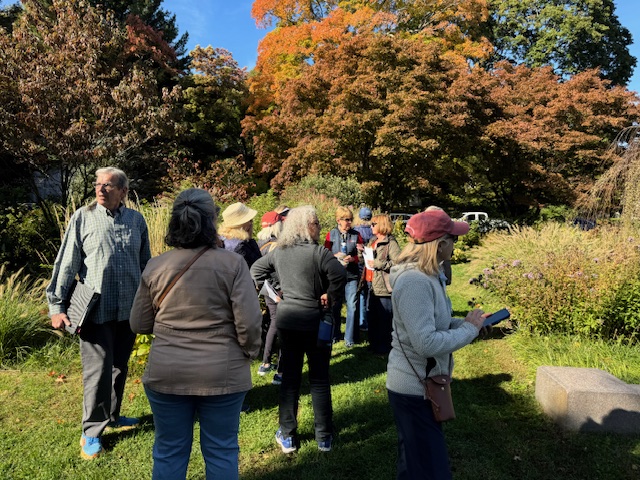
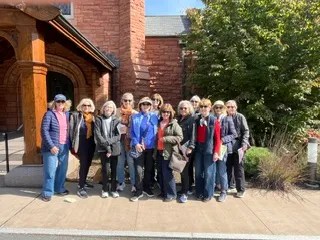
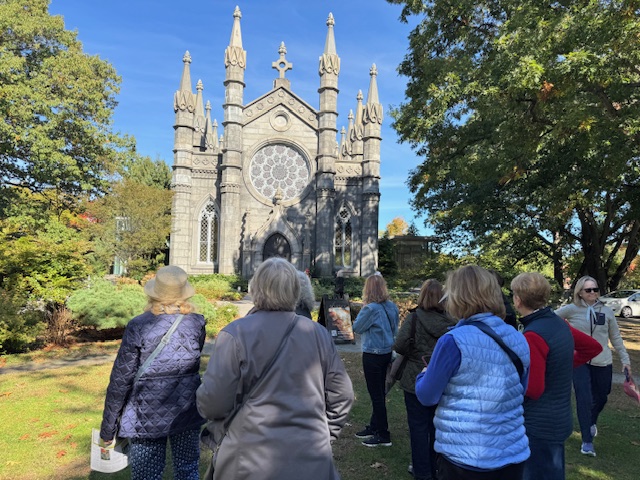
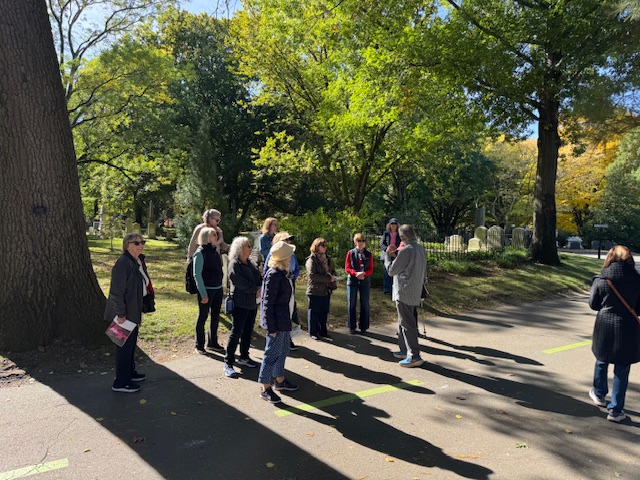
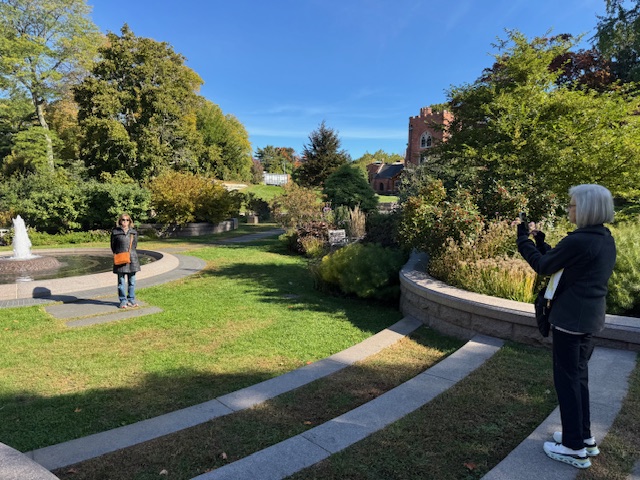
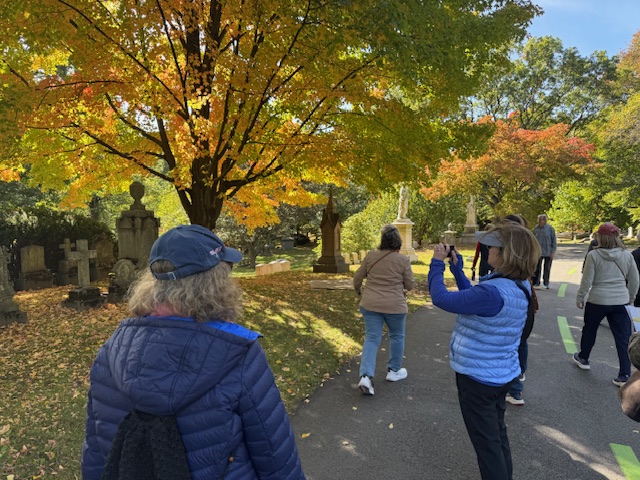
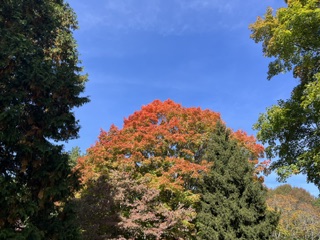
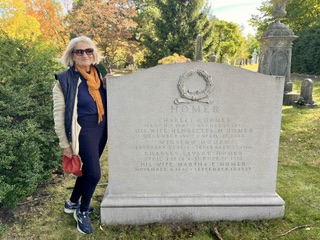
On a crisp October Saturday, members of the Driftwood Garden Club traveled to Cambridge to explore the horticultural treasures of Mount Auburn Cemetery. Thanks to Program Chairs Barbara and Cheryl, we joined the Horticultural Highlights Tour and spent the day discovering one of New England’s most beautiful and historically significant landscapes.
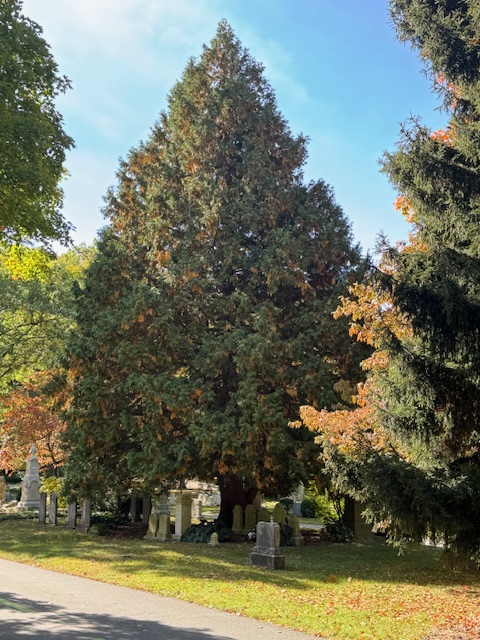
Led by our guide, Jim, we explored 175 rolling acres filled with more than 5,000 trees, shrubs, and plants from around the world. It was an outing that blended gardening, history, and nature in a way that left a lasting impression.
A Garden from the Very Beginning
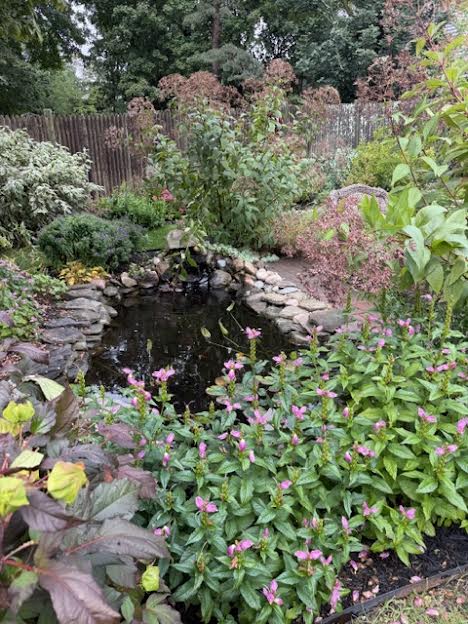
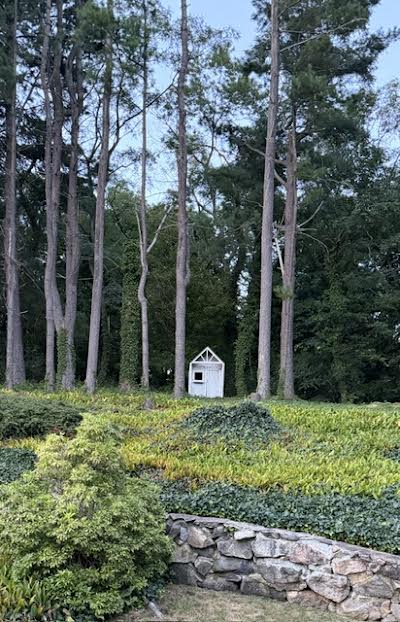
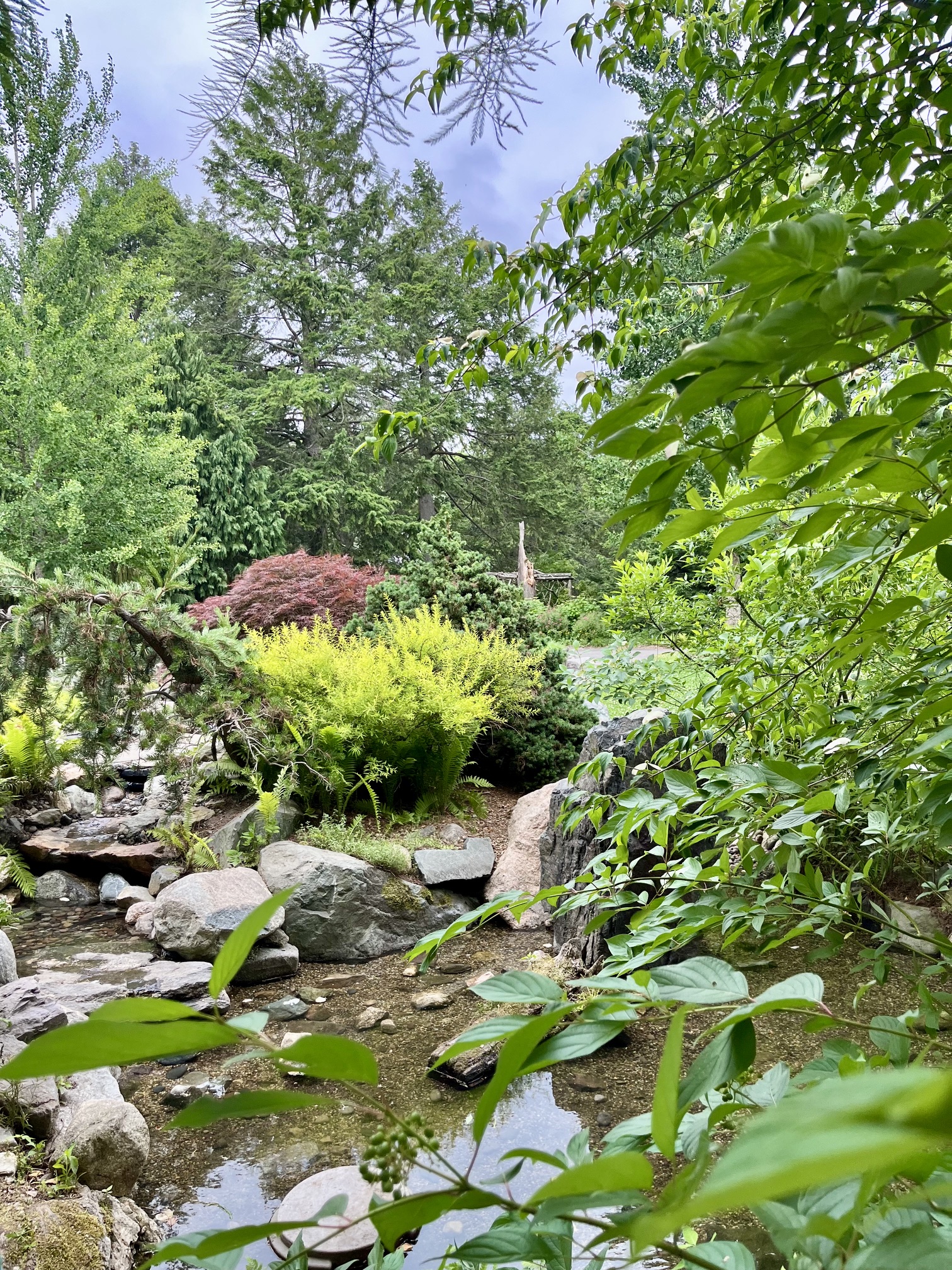
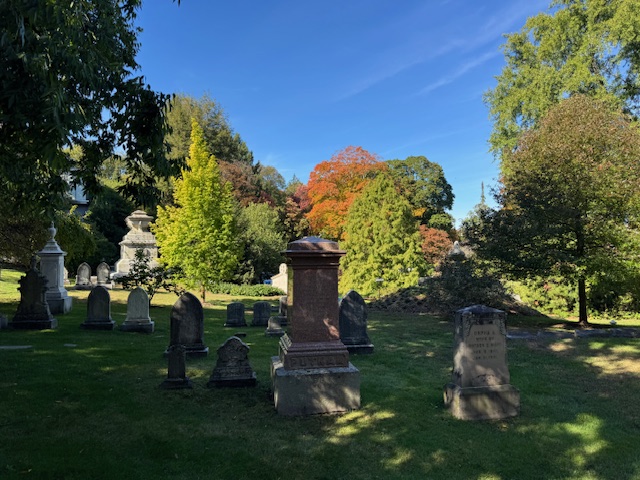
Our tour began with a bit of history that particularly appealed to gardeners. Founded in 1831 in partnership with the Massachusetts Horticultural Society, Mount Auburn was America’s first landscaped garden cemetery. With its winding paths, ponds, and gentle hills, it offered a place for people to enjoy nature long before Boston developed public parks. Families once came here to stroll, picnic, and take in the scenery on Sunday afternoons.
Plants, Pollinators, and Lessons for Our Own Gardens
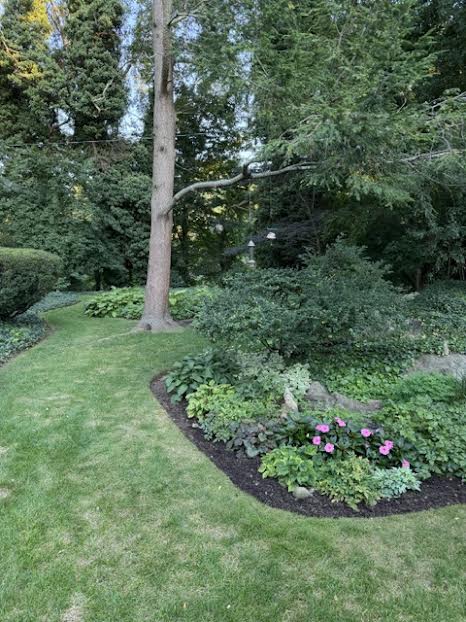
One of the highlights of the tour was learning how the grounds are maintained. Our guide explained how the staff manages irrigation, monitors plants for signs of drought stress, and plans for future generations of trees and shrubs through succession planting. The diversity of growing conditions across the property, from sunny hillsides to deep shade beneath mature trees, influences every planting decision.
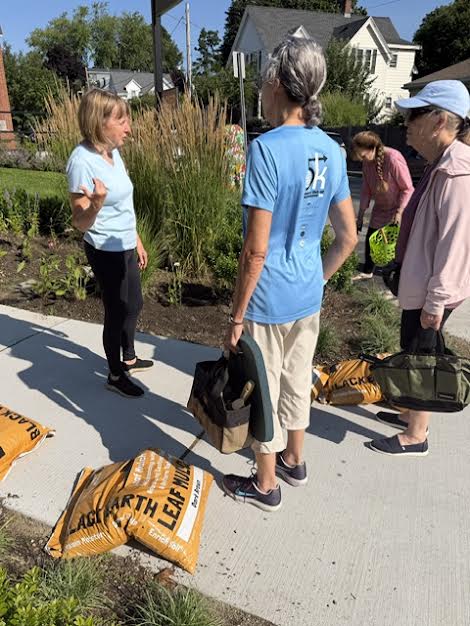
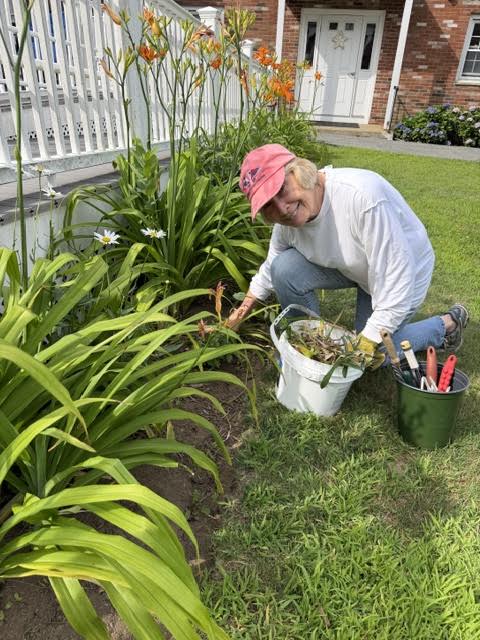
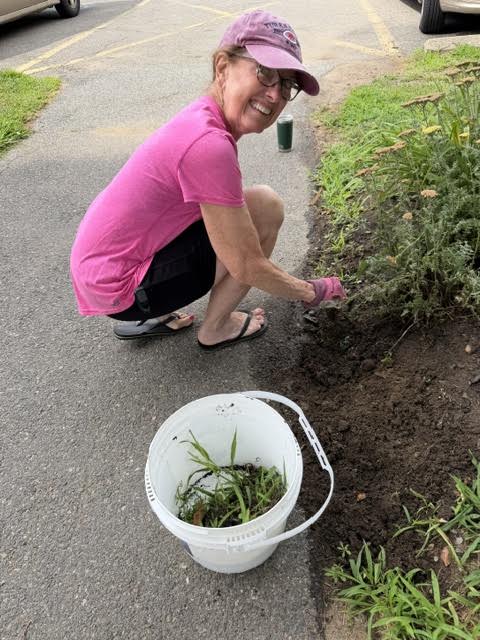
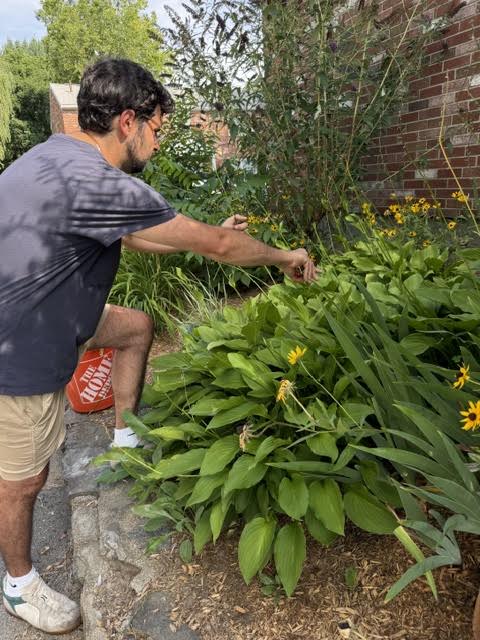
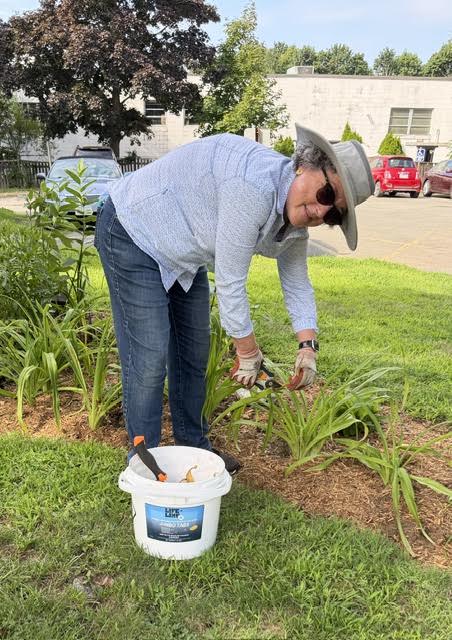
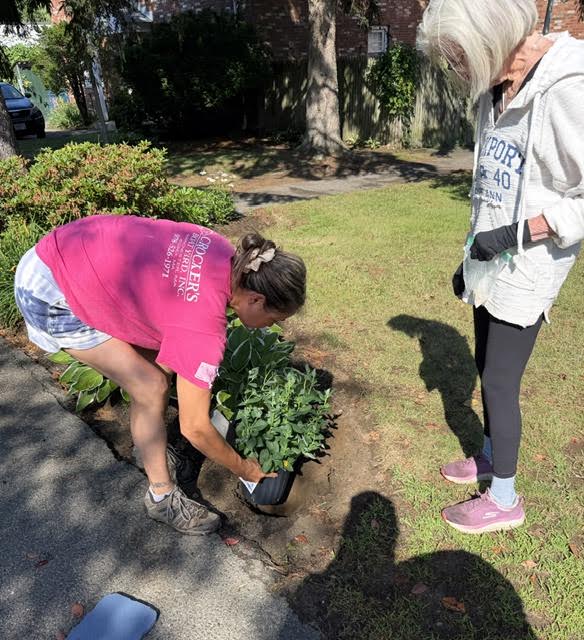
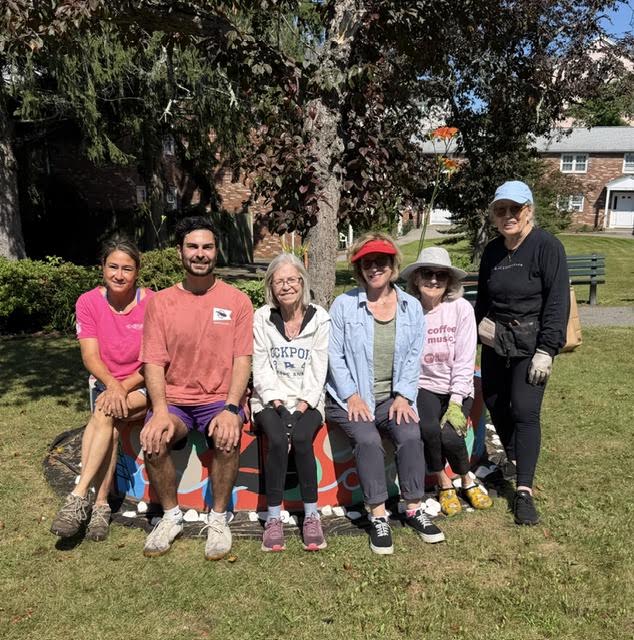
Many members came away with fresh ideas for their own gardens and for the beds we tend at Abbot Library and Farrell Court. Mount Auburn is a wonderful example of how thoughtful planning and long-term stewardship can create a landscape that remains both beautiful and resilient.
Even late in the season, bees and butterflies were hard at work among the flowers and foliage. It was a reminder that well-planned gardens support wildlife as well as delight the eye.
Stories in Stone
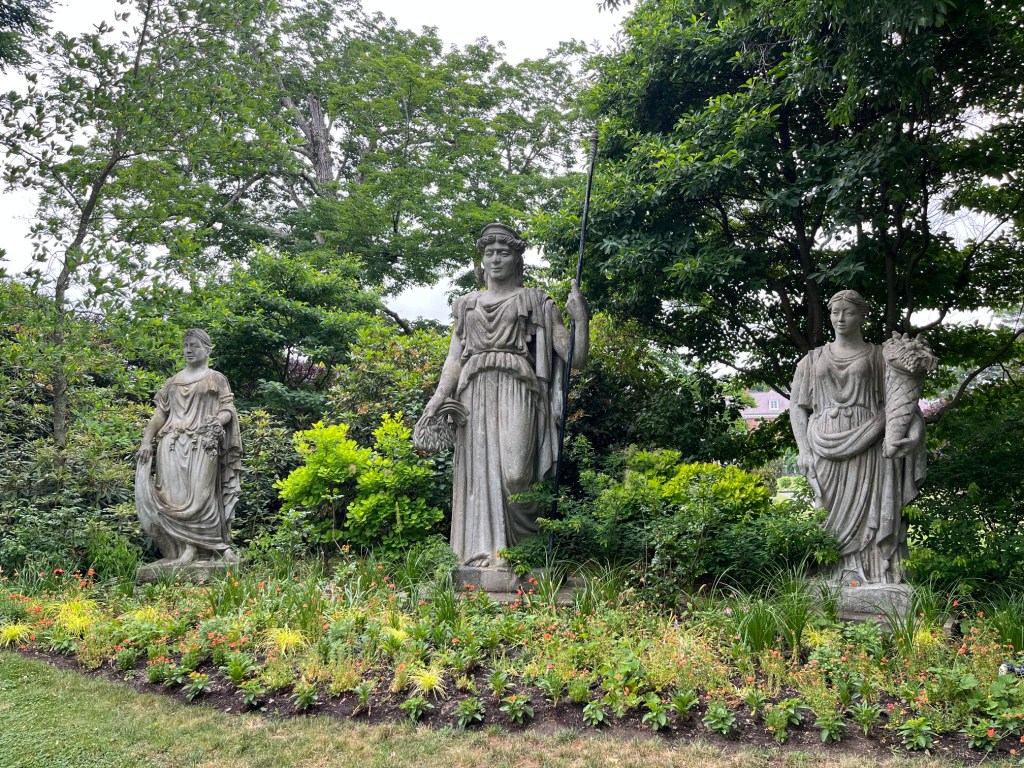
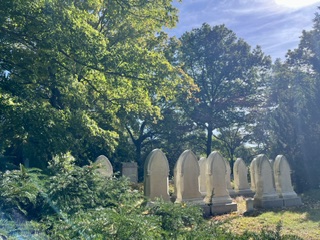
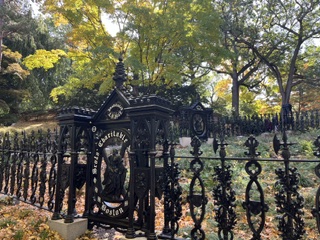
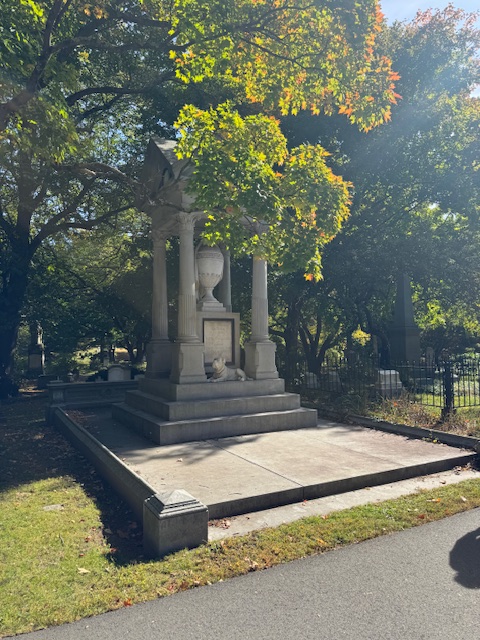
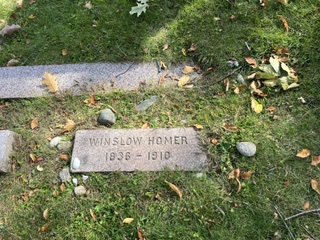
As we walked the grounds, we admired statuary and memorials honoring the many writers, educators, and notable Bostonians buried there. One memorable detail was the number of graves adorned with dog statues. Our guide explained that dogs symbolize loyalty and devotion, making them a fitting tribute on many memorials. Despite appearances, no dogs are buried at Mount Auburn!
We also learned about the cemetery’s two chapels, Bigelow Chapel and Story Chapel, which still welcome families for services and quiet reflection today.
Our impressions were echoed in a recent Bloomberg CityLab article about historic garden cemeteries that are attracting visitors for walks, concerts, and nature programs. Mount Auburn’s executive director noted that many visitors arrive expecting a somber experience and instead discover a vibrant landscape filled with trees, wildlife, art, and history.
We couldn’t agree more. We felt it on every path.
A Day Well Spent
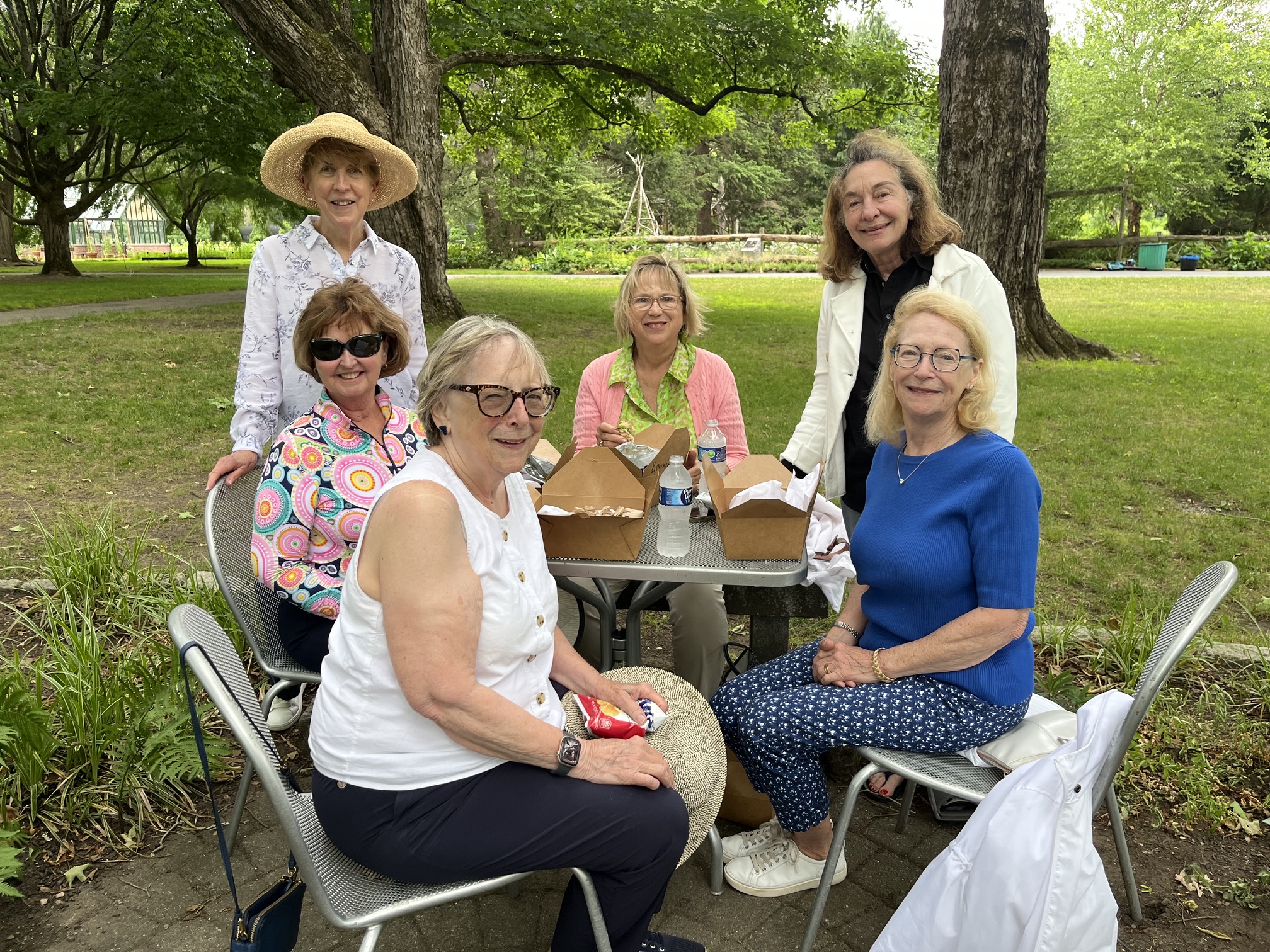
Beyond the plants and history, the trip reminded us why club outings are so rewarding. Sharing discoveries with fellow gardeners, exchanging ideas, and appreciating a remarkable landscape together made for a memorable day.
Our thanks to Barbara and Cheryl, the Programs Committee, and our knowledgeable guide for making the experience possible. Mount Auburn changes with every season, and after this visit, many of us are already looking forward to returning.