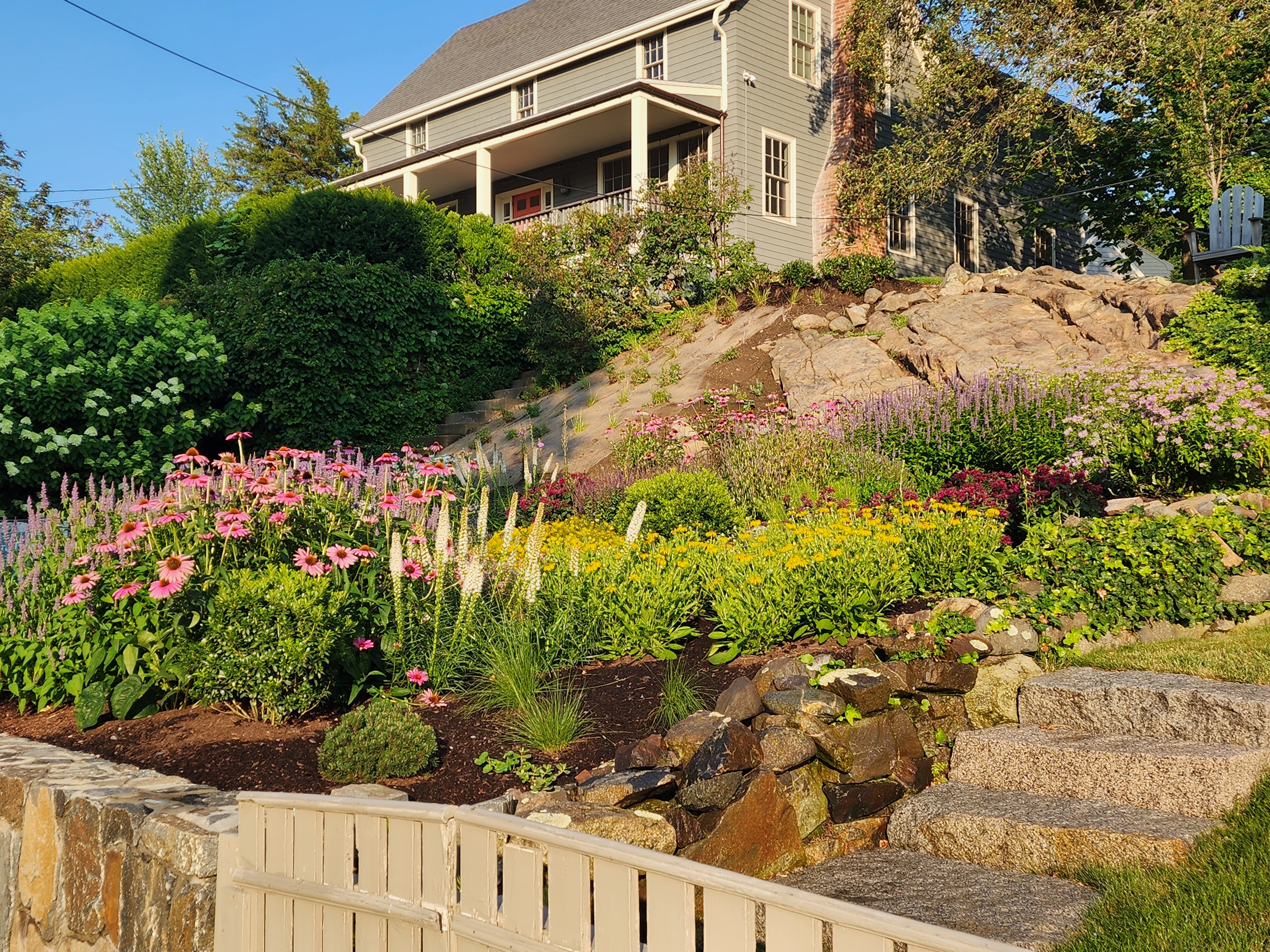
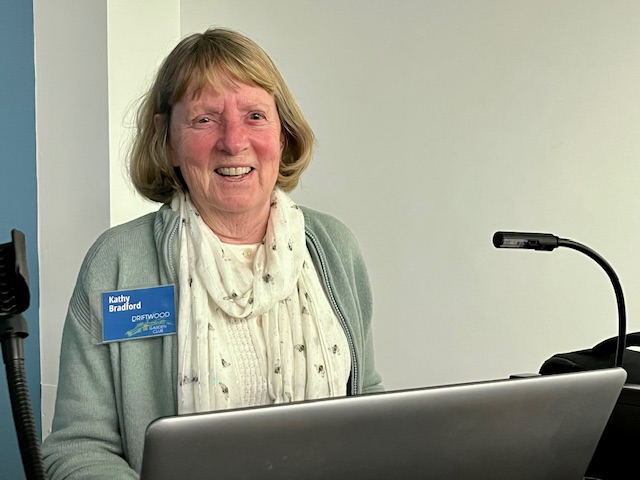
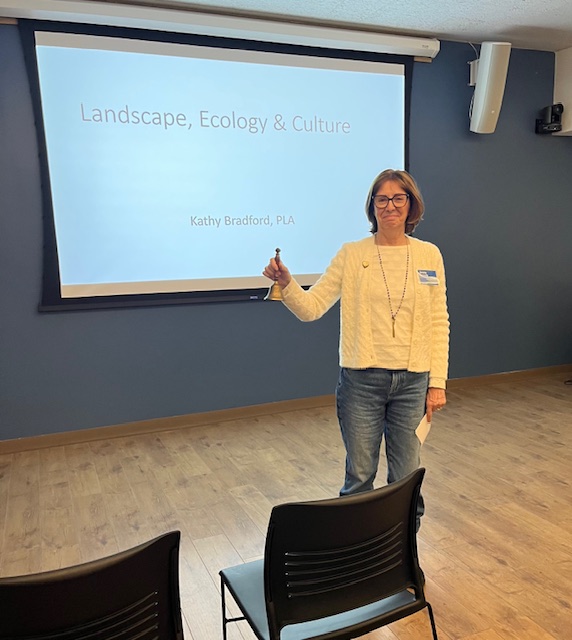
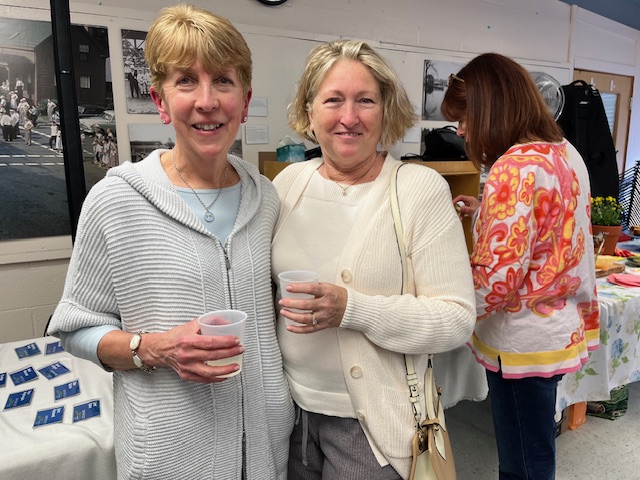
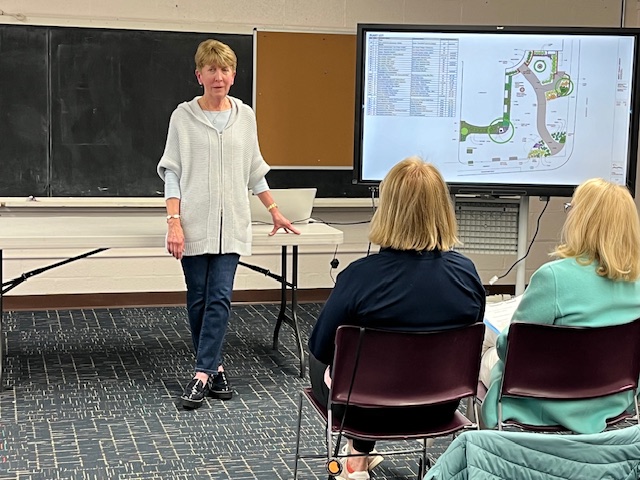
On an icy winter night, members of the Driftwood Garden Club were treated to an information-filled presentation by Kathy Bradford, principal of Bradford Design Associates. Kathy, also a past-president and long-time member of Driftwood Garden Club, follows an ecologic and science-based approach in her landscape designs. She strives for natural landscapes that provide habitat for wildlife, insect pollinators, and other beneficial creatures.


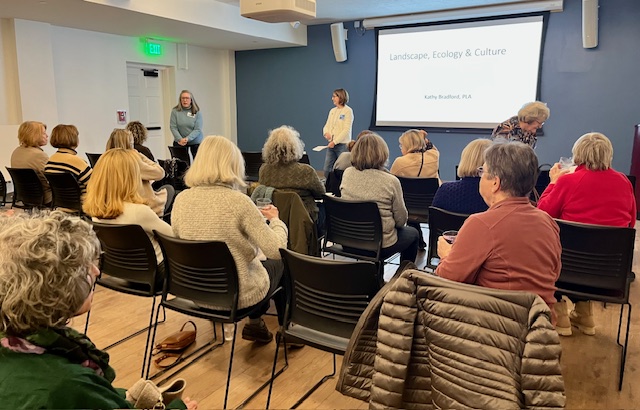
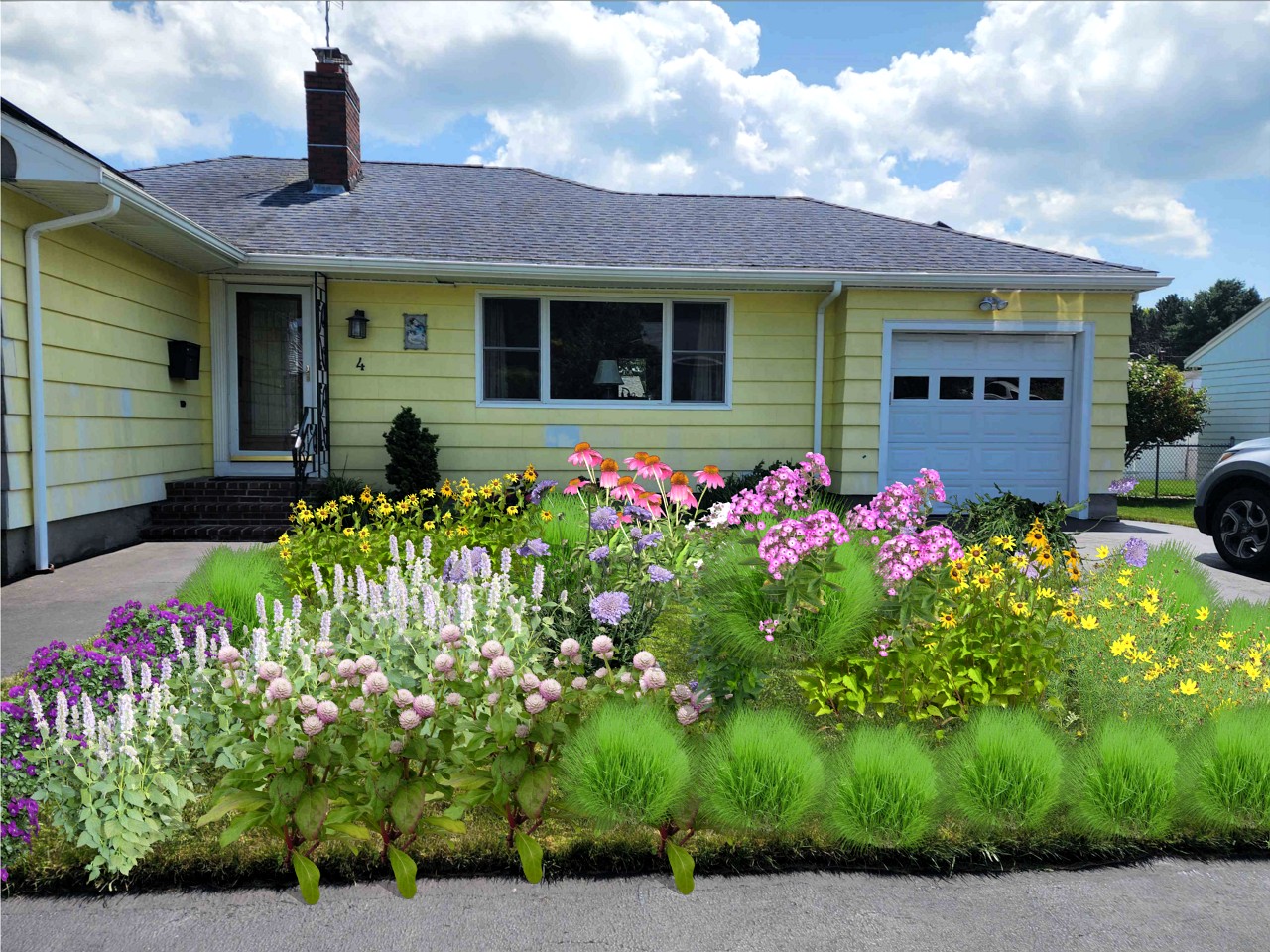
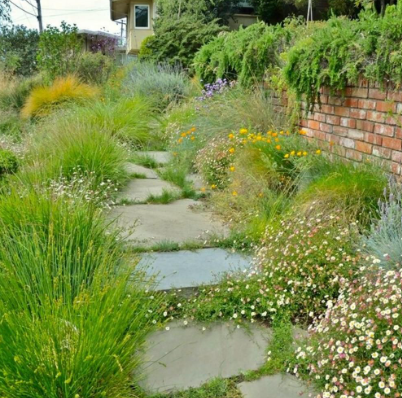
Benefits of Ecological Design:
- Resilient plantings thrive with minimum care.
- Provide environment for animals, birds, and insects.
- Relates and compliments the environment around location.
- Complex system modeled after nature, not a duplicate of wild nature.
We learned that Ecological Design is a holistic approach that minimizes negative impacts by optimizing long-term environmental health.
Ms. Bradford is a proponent of plant diversity for stability and resilience. She encourages minimizing lawn areas which require water, chemicals, and weekly mowing to keep them green and healthy.
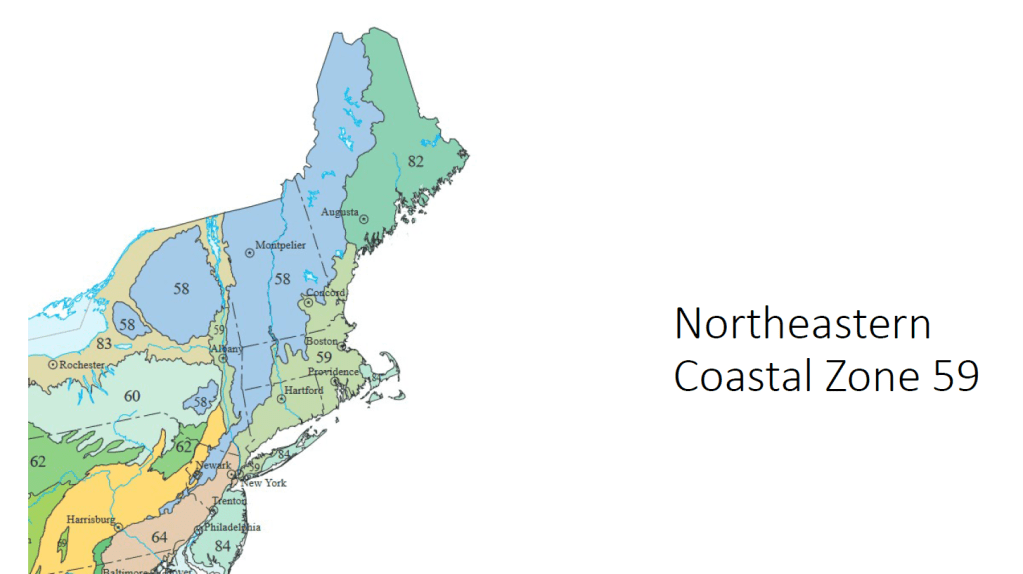
Driftwood Garden Club members plant in Ecoregion 59, known as the Northeastern Coastal Zone, which spans parts of Rhode Island, Connecticut, Massachusetts, and southern Maine and New Hampshire. This region is characterized by nutrient-poor soils, oak-pine forests, and continental glacial lakes. The terrain consists of irregular plains and high hills, with a humid continental climate that features warm summers and severe winters.
Companion plants in our Northeastern Coastal Zone 59 Ecoregion
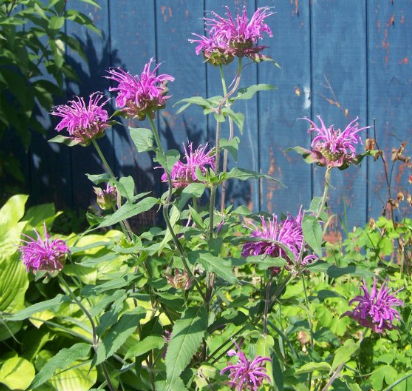
- Bee Balm: highly attractive to bees, butterflies, and hummingbirds.
- Yarrow: a ‘bee magnet’ that attracts predatory wasps.
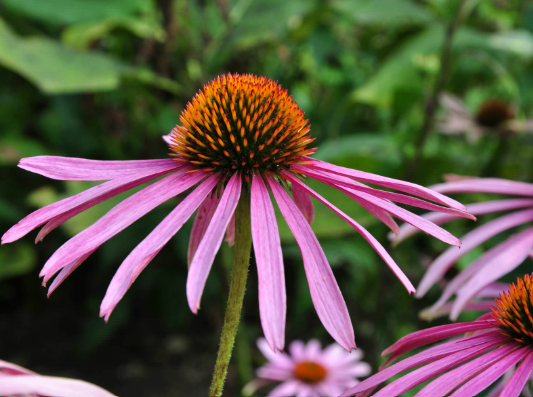
- Purple Coneflower: excellent for attracting butterflies and bees.
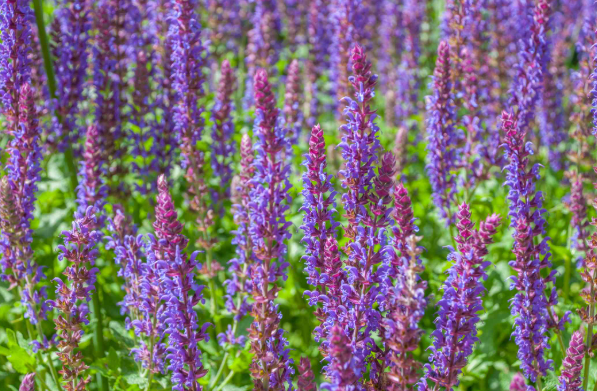
- Salvia: a strong pollinator attractant that deters deer and rabbits.
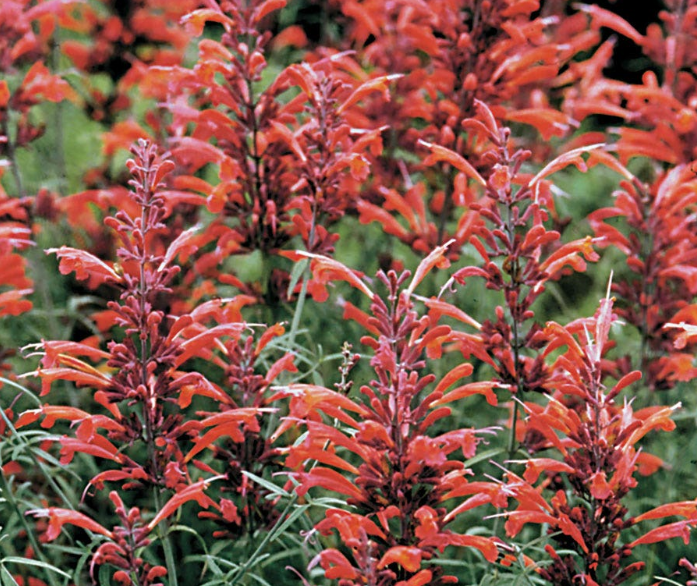
- Hyssop: lures beneficial insects and pollinators, particularly hummingbirds.
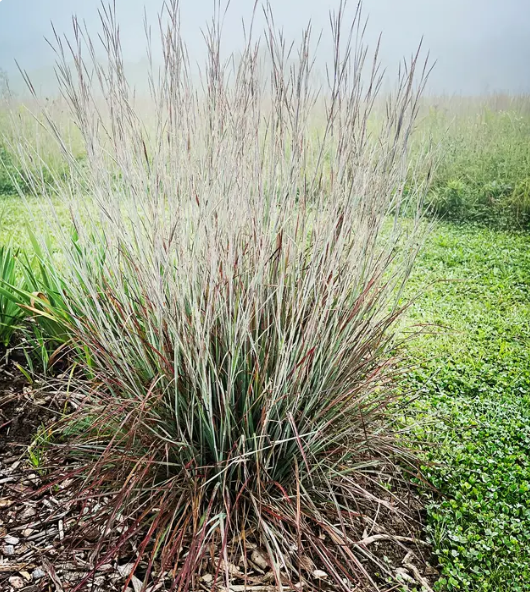
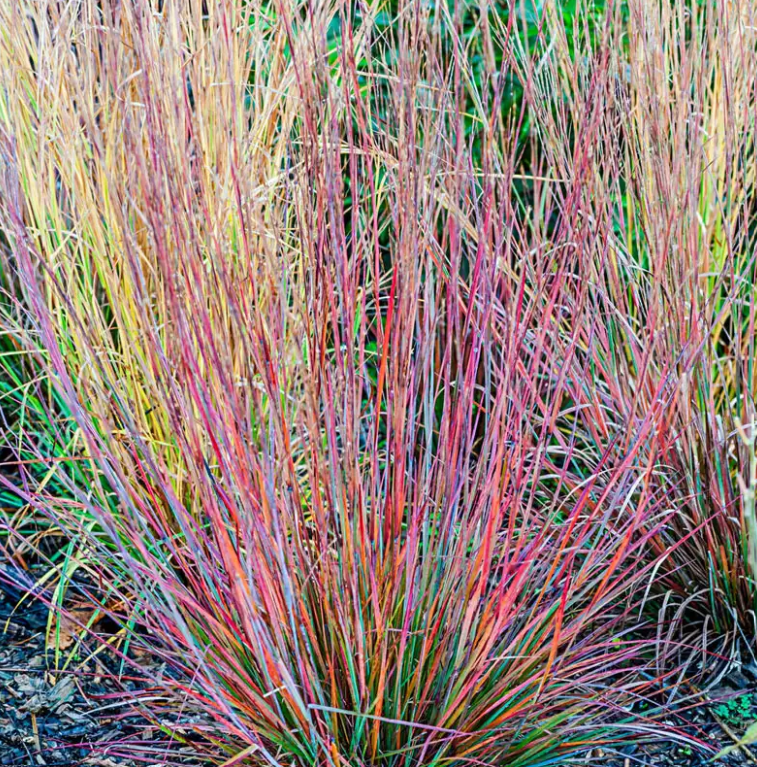
- Upright Little Bluestem: provides food for birds in the fall and winter.

Ecological Approach: **Right Plant, Right Place**
- Select plants according to USDA Ecoregion maps to ensure plants will thrive in chosen location.
- Select plants based on their mature size and proposed location to reduce pruning and maintenance.
- Consider the microclimate – amount of sun/shade, salt air, groundwater.
- Consider deer and rabbit resistance.
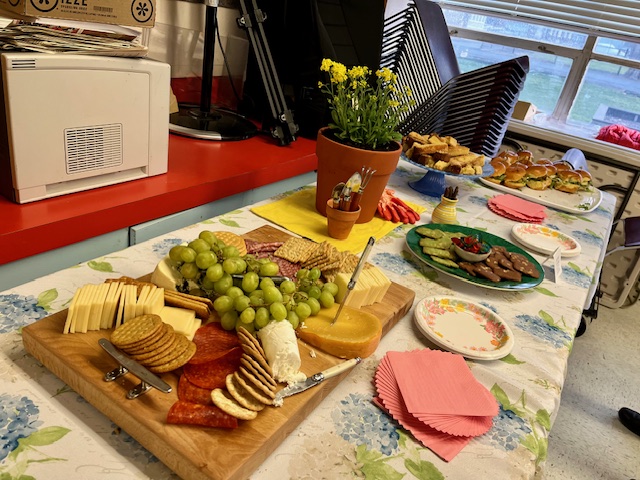
Thanks to our speaker Kathy Bradford and all members who attended. This meeting was inspirational as well as informative as we look forward to planning our spring gardening projects.






 Driftwood Garden Club