Have you ever received a beautiful begonia plant as a gift, enjoyed its beautiful blooms, and then had difficulty keeping the plant alive and thriving? Was it in the wrong light? Did it get too much water? Was it in a room that was too hot, too cold, or too dry?
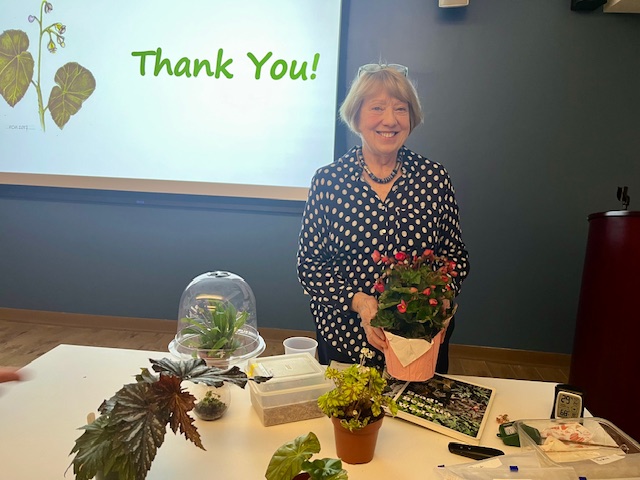


Well, all of these questions and more were answered at our February program, “A Begonia for Every Season.” Betsy Szymczak, our speaker, is a retired college professor of clinical microbiology, a past president of the Buxton Branch of the American Begonia Society, and an ABS certified begonia judge. She is also an avid gardener, with a particular interest in growing and propagating begonias.


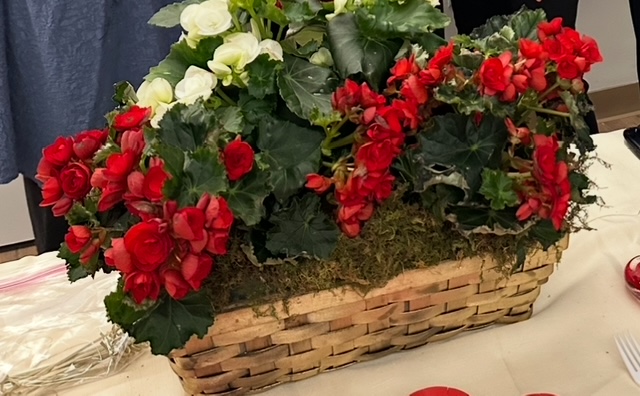
A warm thank you to our wonderful hostesses for the evening. They presented a beautiful table of sweet and savory treats, along with a gorgeous basket of red and white begonias as a centerpiece. It was a perfect tribute to our presentation on begonias, as well as Valentine’s Day, only a few days away.
Betsy’s presentation began with the biology of the begonia plant and its structure. We learned that male and female parts are on the same plant. The male makes the pollen, the female is where the seeds are produced. Begonias are pan tropical, meaning they are native to regions below the equator, although with the right conditions and care, they can be grown almost anywhere. We also learned that the French botanist, Charlies Plumier sailed on board an explorer ship to the West Indies in the early 1700s, discovered the plant genus “begonia,” and named it after Michel Begon, the governor of Haiti, as a tribute to Begon.
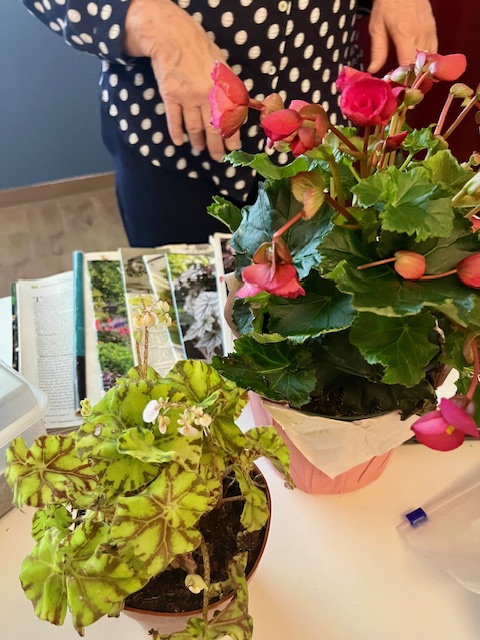
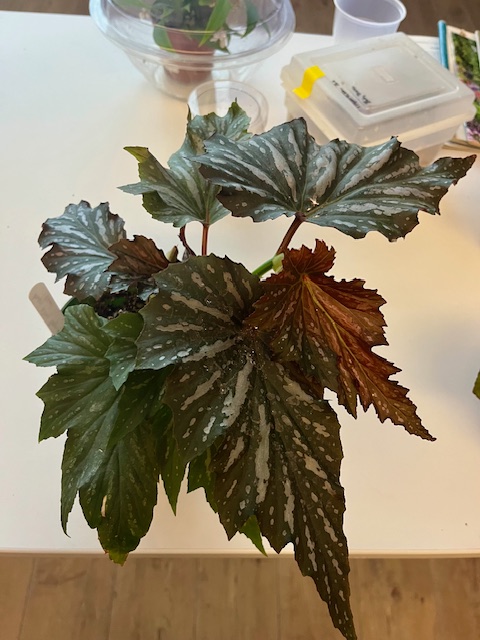

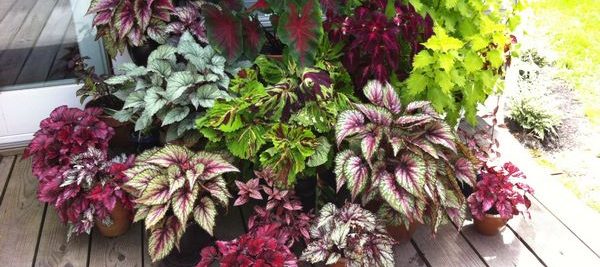
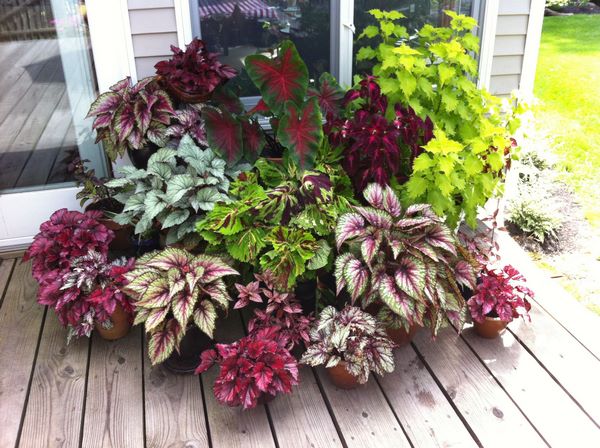
We think of begonias as a summertime plant because we see so many wax begonias used in landscaping, perhaps at your local mall, or in a hanging basket. Their blooms are magnificent, but there are also many begonias used for their beautiful foliage in planters or borders. The light, water, temperature and moisture (humidity) are the keys to the success of growing begonias. Outdoors, begonias need shade, never direct sunlight, and not too much watering.

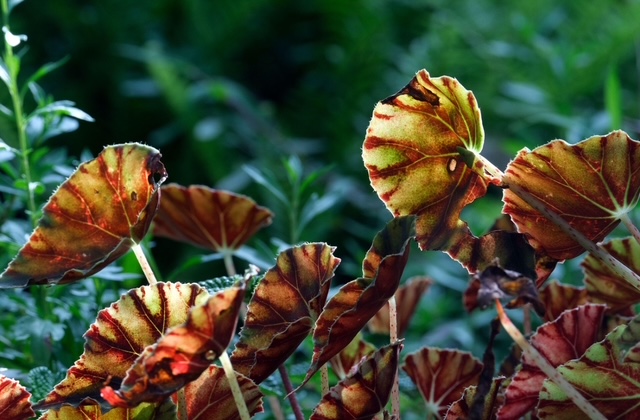
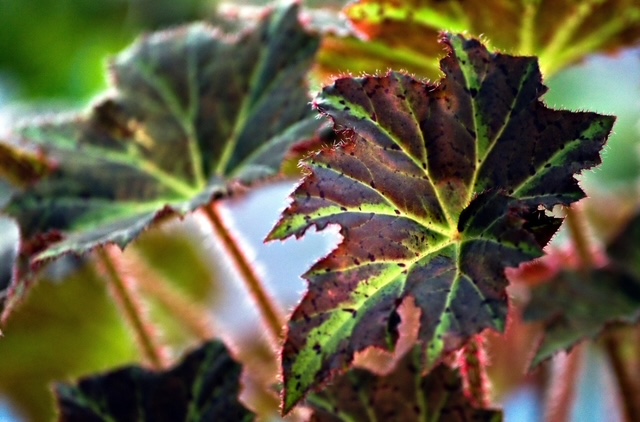
In the fall, begonias can be brought indoors. Again, the light they receive is important. East and west windows are best, and remember that overwatering can be a problem. Make sure the soil is dry before watering, or use a simple soil moisture meter (hygrometer) to help. Most begonias will tolerate temperatures between 55 and 75 degrees, and some require more humidity than others. Betsy demonstrated how a delicate begonia could be placed under a plastic dome to retain the humidity. Fall is also the time you might try to propagate your begonia, and we learned several methods, including leaf cuttings, stem cuttings and division of tubers.
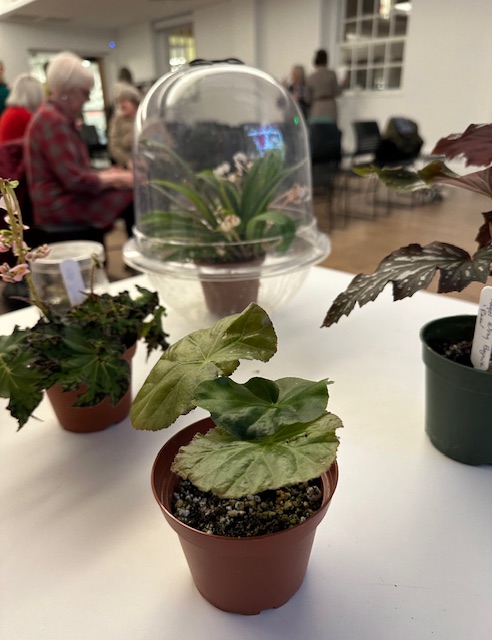

During the winter, with the right conditions, begonias can thrive inside. Begonia Kellermanii and Begonia Vitafolia are called “The Survivors” because they typically do well inside over the winter. Begonia Grandis, a tuber begonia, grows well in New England, and Rieger begonia blooms in winter with bright, indirect sunlight.
When spring comes, enjoy the flower shows in your area, while you wait for the weather to warm up, and you can bring your begonias outside again.

 Driftwood Garden Club