Uncategorized

Pruning Workshop at Long Hill

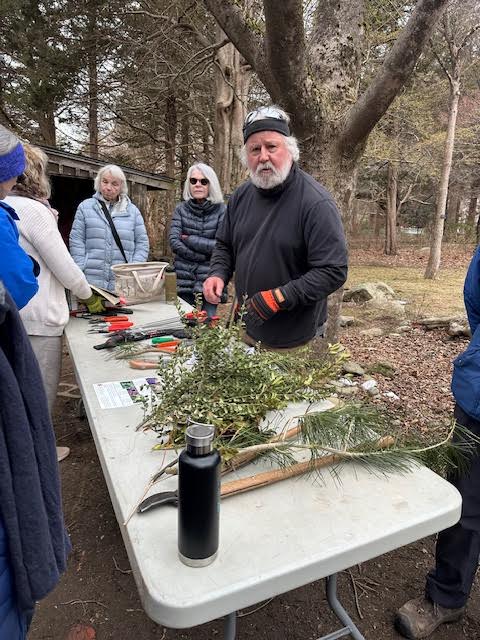
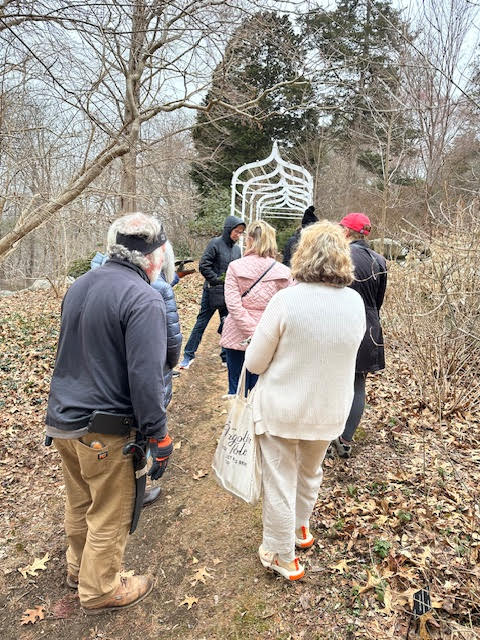
It was a chilly, overcast afternoon when our group of gardeners from the Driftwood Garden Club arrived at Long Hill Reservation in Beverly to participate in a pruning workshop. Dan and Melissa, who care for the Long Hill property year round, were our friendly and knowledgeable instructors for the afternoon. They greeted us outside at a work table laid out with various pruning tools.

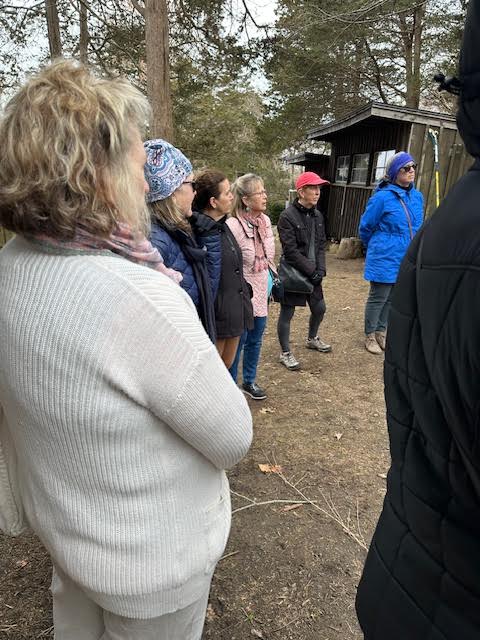
After an introduction, Dan began his talk with why and when we prune our trees and shrubs. He said to follow the four D’s: if a branch is dead, diseased, damaged, or dysfunctional (a branch might cross over another branch or grow in an awkward position), it is time to be pruned. Then he and Melissa talked in length about appropriate tools and how to use them.
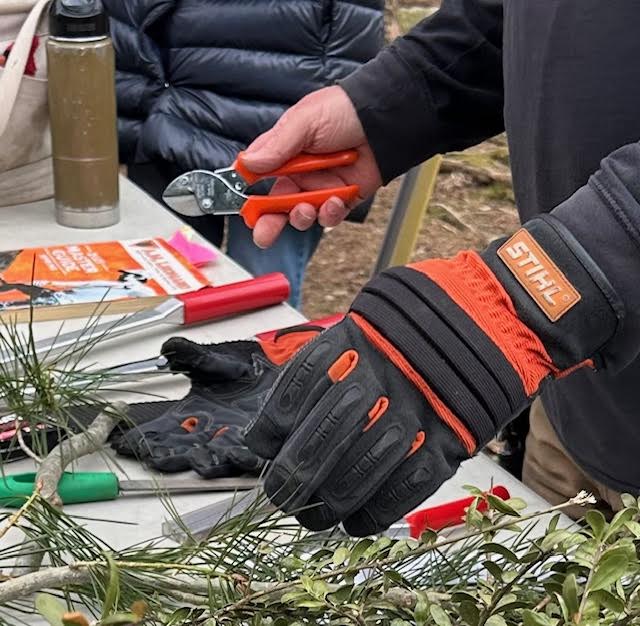
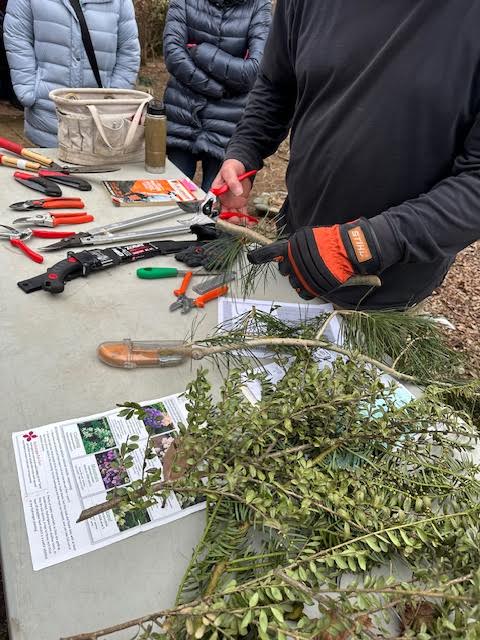
Beginning with an ordinary pair of pruning shears (the blade can be curved or straight), Dan said that gardeners often attempt to cut too large a branch with these small shears, and they can injure the tree by crushing the remaining edge of the branch. He said that trees heal themselves after pruning, but that a crushed edge can impede the healing and even invite bacteria into the tree. Their advice was to not cut anything larger than your pinky finger with the handheld pruner. In fact, he said, trimming flowers and stems of a rose bush is what these pruners should be used for.
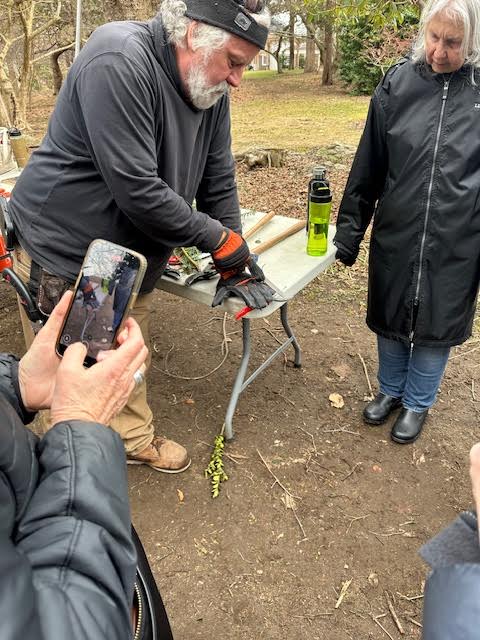
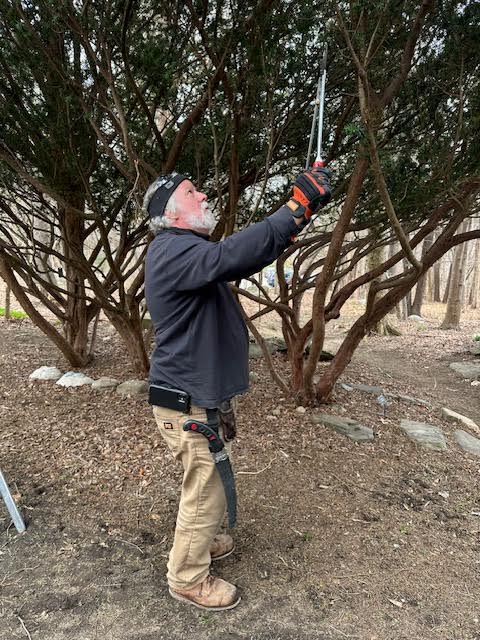
The lopper, everyone’s favorite, is another misused pruning tool. Again, gardeners attempt to cut a branch that is either too high overhead (not allowing you to get a good clean cut) or by cutting something too big, thus damaging the remaining branch. Need to cut a larger branch? Use a small pruning saw which can be folded and stored in your garden tool bag. There is even a pocket-sized pruning saw which is very convenient and very sharp. Dan and Melissa also demonstrated how, with a small file, we could sharpen our own bladed tools if we wanted to. Just be careful, and slowly follow the edge of the blade with the file.

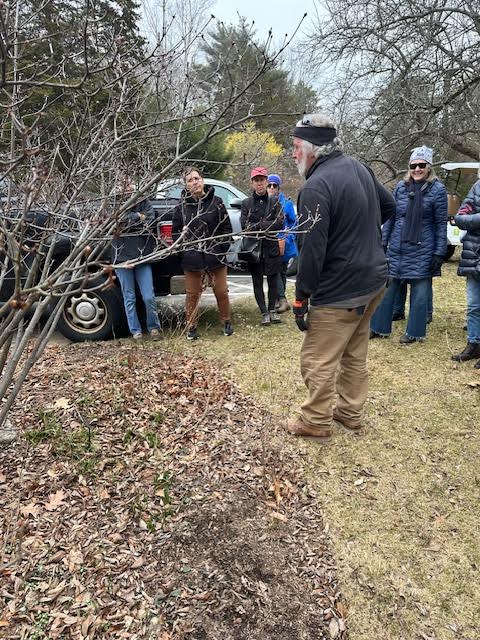
The group then followed Dan and Melissa to a large viburnum bush in need of some care. We looked for the four D’s and pointed out some of the branches that could be taken out. Several of our members demonstrated their pruning skills on the viburnum, and it looked much better after being pruned.

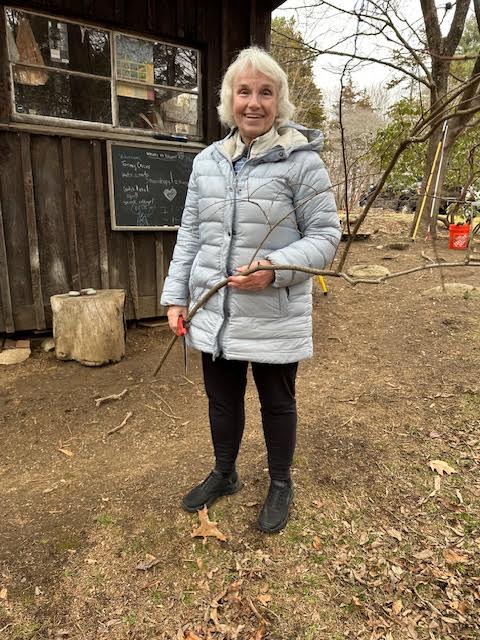
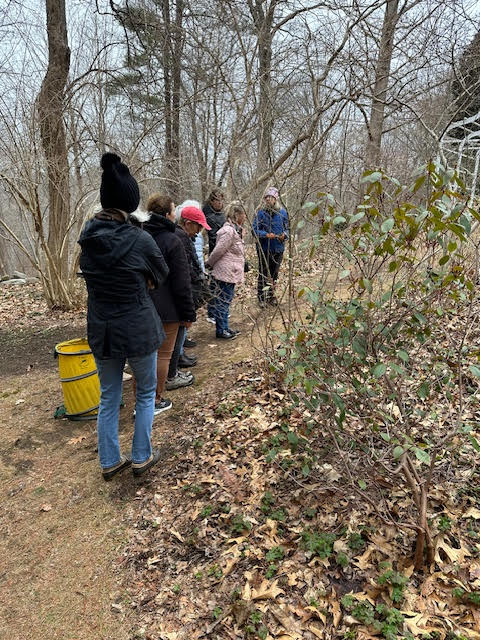
We made our way to the lower gardens, taking pruning shears with us, and spent the remainder of our time pruning roses and other small bushes in the gardens. We all learned some new things, refreshed our knowledge of others, and had a wonderful afternoon at Long Hill.

Uncategorized

Hydrangea Ps and Qs

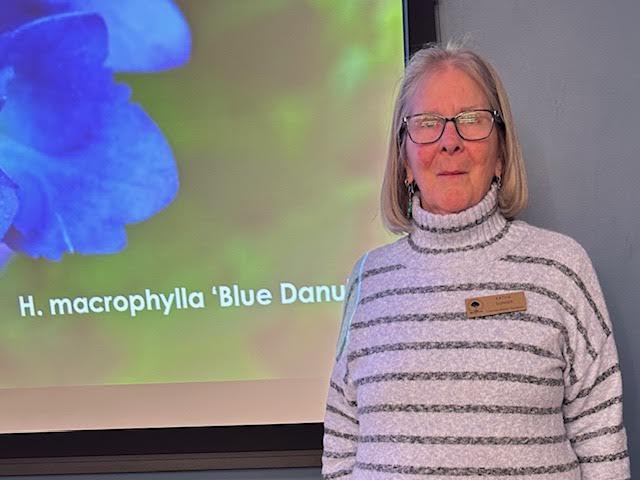
It was a full house for our March program on hydrangeas! Our presenter, Kathie Skinner, is a Lifetime Master Gardener and a retired educator with over 40 years experience in teaching and administration. Although her home is in Cambridge, her gardens are on Martha’s Vineyard, and she was a wealth of experience and knowledge of how to grow beautiful and healthy hydrangeas in our own gardens here in Marblehead.

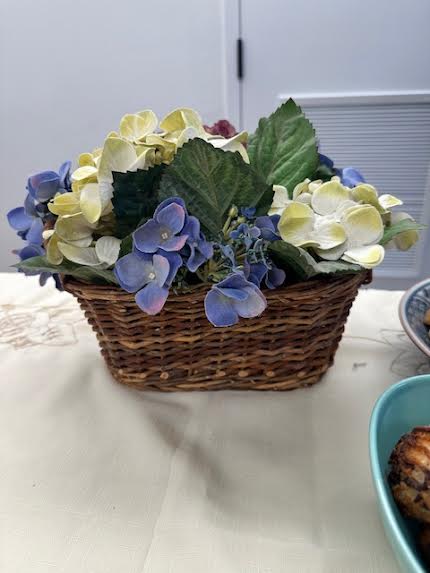
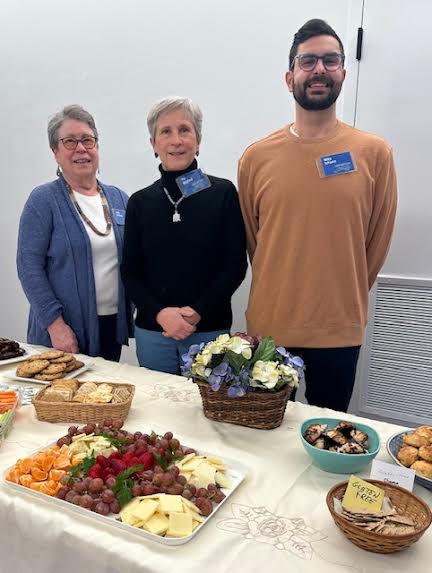
As always, our Hostess Committee provided us with a delicious assortment of goodies, and a beautiful centerpiece of silk hydrangeas, perfect for the presentation.

Kathie began her talk by letting us know we had a bit of an advantage in Marblehead because hydrangeas thrive in a maritime environment. Fog and early morning dew, as well as a temperate climate, help these plants thrive. As we all know, with changes in our climate, our winters can be colder and our summers hotter, and these changing elements can affect hydrangeas.

Identifying the species of hydrangea we have in our own gardens is the most important thing we can do for success. Knowing what species you have will determine the amount of sun or shade, whether the color of the flower can be changed by Ph, and how to prune the plant. Although there are many species of hydrangea, there are seven that are normally found in our region and do well here. They are:

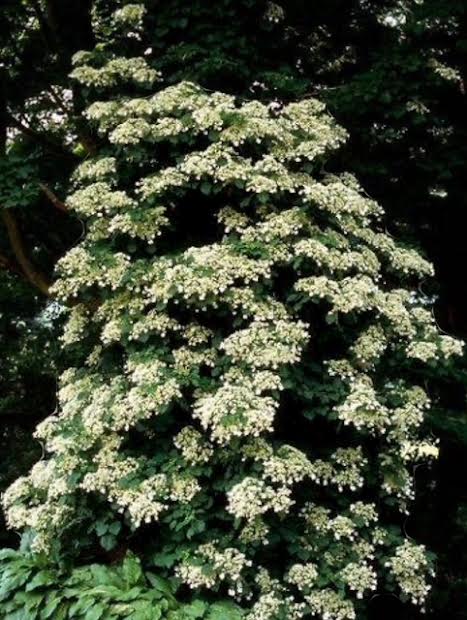
  1. H. anamola (climbing hydrangea). Does best in part-sun/full shade, has old and new wood varieties;
  2. H. arborescens (smooth-leaf). Does best in full-sun/part shade, blooms on new wood.
  3. H. aspera (rough-leaf). Does best in part-sun, blooms on old wood.
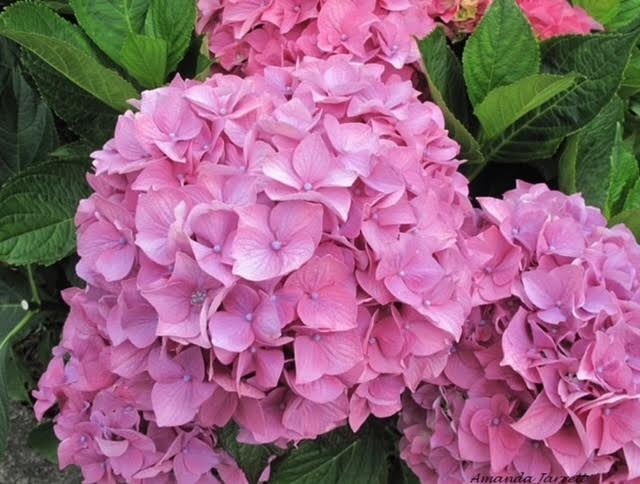
  4. H. macrophylla (Bigleaf). Does best in part-sun/full shade, blooms on old wood.
  5. H. paniculate (Panicle). Does best in full-sun, blooms on new wood.
  6. H. quercifolia (Oakleaf). Does best in full sun/part-shade, blooms on old wood.
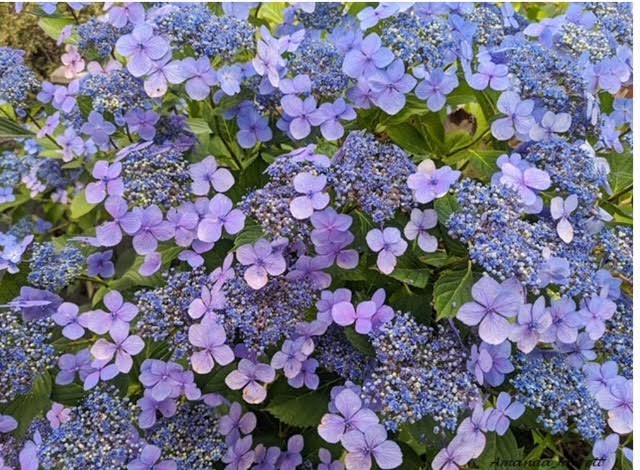
  7. H. Serrata (Mountain). Does best in part sun, blooms on old wood.

Hydrangeas can be identified by leaf type and shape of blossom, so you may have to wait for spring to identify what you have in your garden. We also learned that hydrangeas should be watered from the bottom, at the base of the plant, where the water can be absorbed by the roots. Knowing the type of wood (old or new) on which you will get blooms, will determine when and how to prune. Kathie explained rejuvenation pruning vs. pruning on both old and new wood, and left us with a wonderful reference sheet to use, as well as a list of website and sources for hydrangea gardening.

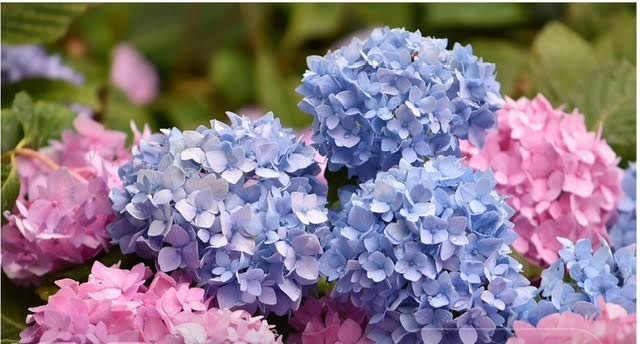
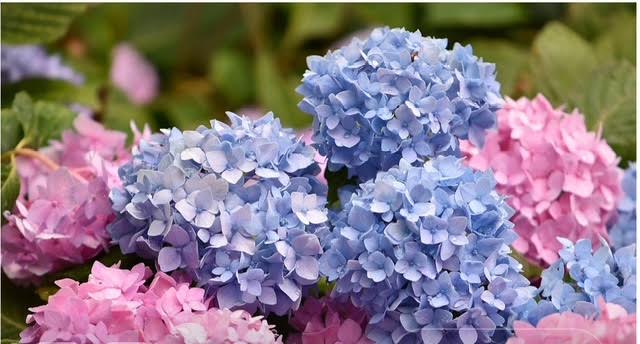
Although hydrangeas are not deer resistant, most are rabbit resistant, and, with the exception of H. macrophylla mophead, they are great pollinators in our gardens. Hydrangeas, whether climbing or a shrub, white, pink, blue or purple, are in a class of their own when it comes to a beautiful addition to our landscapes.