Uncategorized

A Begonia for Every Season

Have you ever received a beautiful begonia plant as a gift, enjoyed its beautiful blooms, and then had difficulty keeping the plant alive and thriving? Was it in the wrong light? Did it get too much water? Was it in a room that was too hot, too cold, or too dry?
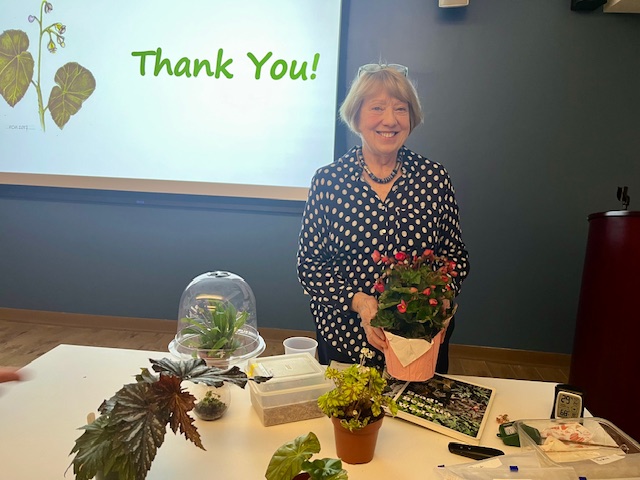
Well, all of these questions and more were answered at our February program, “A Begonia for Every Season.” Betsy Szymczak, our speaker, is a retired college professor of clinical microbiology, a past president of the Buxton Branch of the American Begonia Society, and an ABS certified begonia judge. She is also an avid gardener, with a particular interest in growing and propagating begonias.

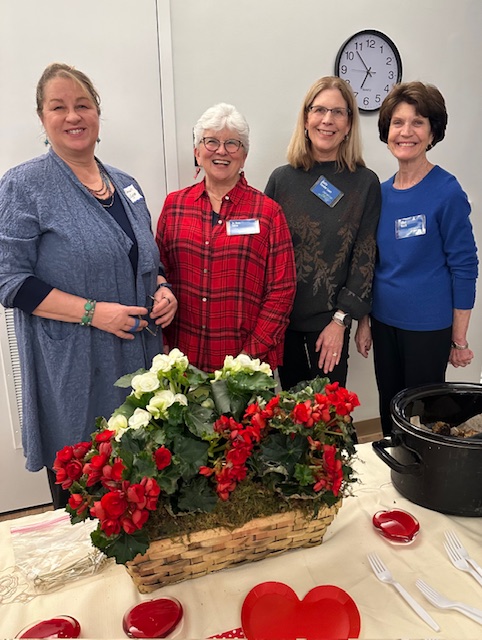
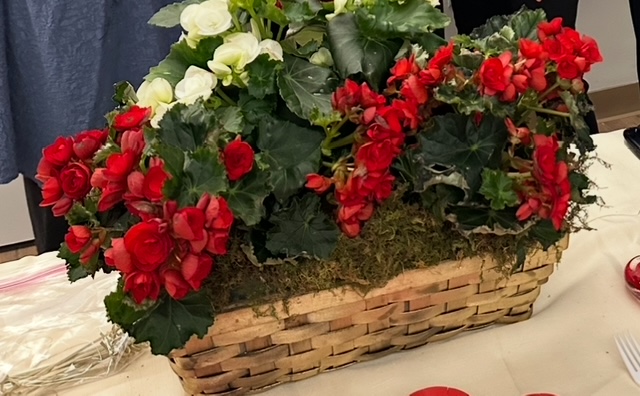
A warm thank you to our wonderful hostesses for the evening. They presented a beautiful table of sweet and savory treats, along with a gorgeous basket of red and white begonias as a centerpiece. It was a perfect tribute to our presentation on begonias, as well as Valentine’s Day, only a few days away.

Betsy’s presentation began with the biology of the begonia plant and its structure. We learned that male and female parts are on the same plant. The male makes the pollen, the female is where the seeds are produced. Begonias are pan tropical, meaning they are native to regions below the equator, although with the right conditions and care, they can be grown almost anywhere. We also learned that the French botanist, Charlies Plumier sailed on board an explorer ship to the West Indies in the early 1700s, discovered the plant genus “begonia,” and named it after Michel Begon, the governor of Haiti, as a tribute to Begon. 
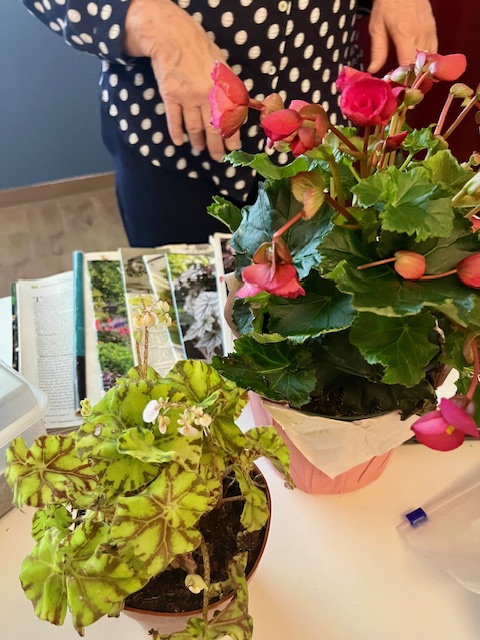
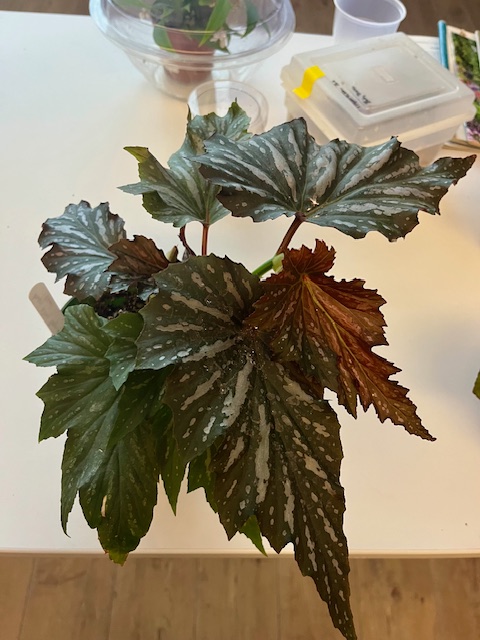
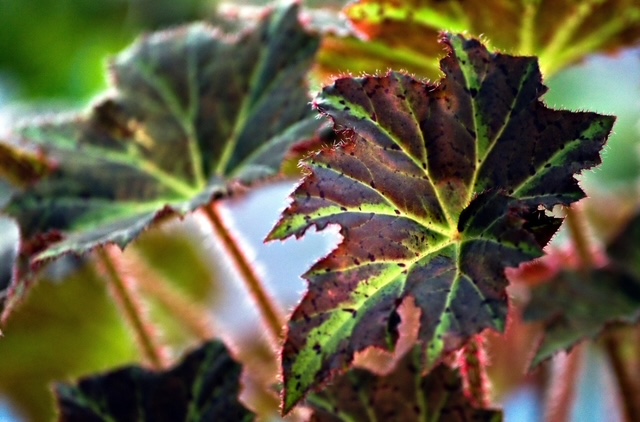
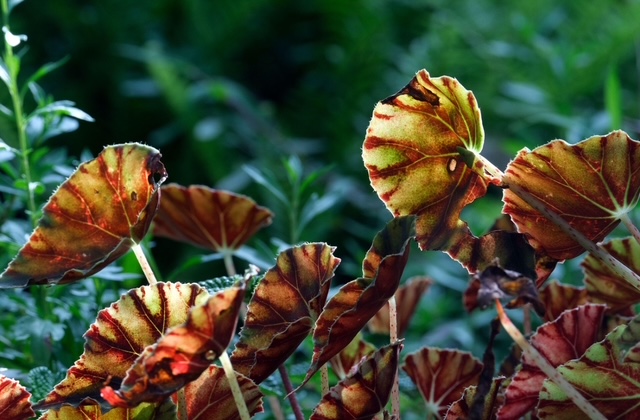
We think of begonias as a summertime plant because we see so many wax begonias used in landscaping, perhaps at your local mall, or in a hanging basket. Their blooms are magnificent, but there are also many begonias used for their beautiful foliage in planters or borders. The light, water, temperature and moisture (humidity) are the keys to the success of growing begonias. Outdoors, begonias need shade, never direct sunlight, and not too much watering.

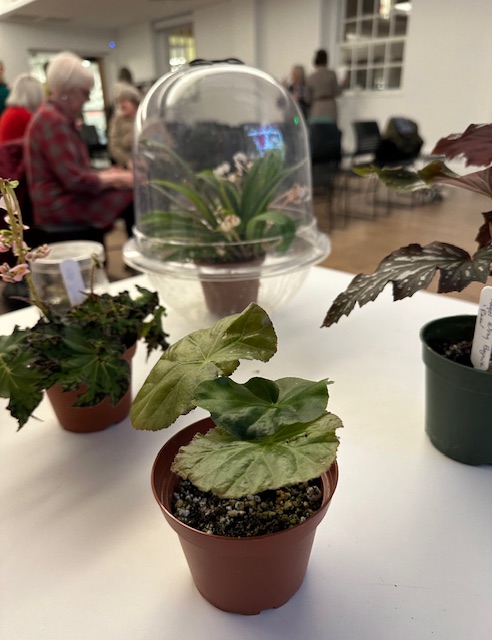
In the fall, begonias can be brought indoors. Again, the light they receive is important. East and west windows are best, and remember that overwatering can be a problem. Make sure the soil is dry before watering, or use a simple soil moisture meter (hygrometer) to help. Most begonias will tolerate temperatures between 55 and 75 degrees,  and some require more humidity than others. Betsy demonstrated how a delicate begonia could be placed under a plastic dome to retain the humidity. Fall is also the time you might try to propagate your begonia, and we learned several methods, including leaf cuttings, stem cuttings and division of tubers.
During the winter, with the right conditions, begonias can thrive inside. Begonia Kellermanii and Begonia Vitafolia are called “The Survivors” because they typically do well inside over the winter. Begonia Grandis, a tuber begonia, grows well in New England, and Rieger begonia blooms in winter with bright, indirect sunlight.

When spring comes, enjoy the flower shows in your area, while you wait for the weather to warm up, and you can bring your begonias outside again.


Uncategorized

Deck the Halls!

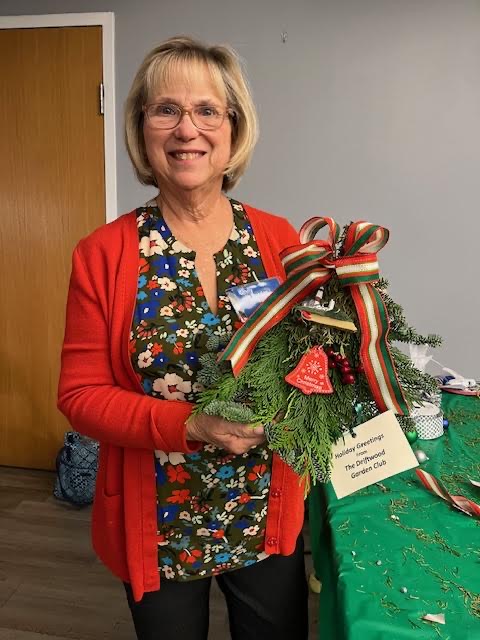
Members of the Driftwood Garden Club became Santa’s elves on Monday evening at the Marblehead Community Center. Each year, in collaboration with the Marblehead Council on Aging, one of our civic projects is to decorate holiday wreaths as a way to give back to the community.

After members enjoyed a social time with delicious homemade treats provided by our hostesses for the evening, our members got to work. They came prepared with scissors, glue glue guns, floral wire, and various decorations to use. There was also a table filled with bows, pinecones, ribbons and an assortment of decorations provided by the club for all to share.

As the members worked, they chatted and laughed and shared in the spirit of the season. They began to turn the fresh wreaths into lovely gifts to be given to Marblehead residents who participate in the bag lunch program through the Council on Aging. Each of these residents will receive a decorated wreath, or swag, with their lunch which is delivered to them the next day.
We know, through the Marblehead Council on Aging, that the recipients of our wreaths are delighted to be part of this program, and we know how it brightens their day to receive a beautiful wreath. We receive many thank yous in return, and we hope they know that we are just as delighted to do this for them. Happy Holidays, everyone!

Uncategorized

Hudson River Valley Garden Tour.

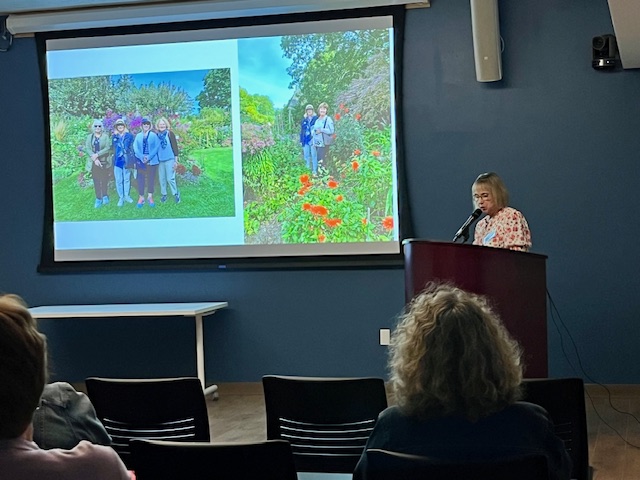
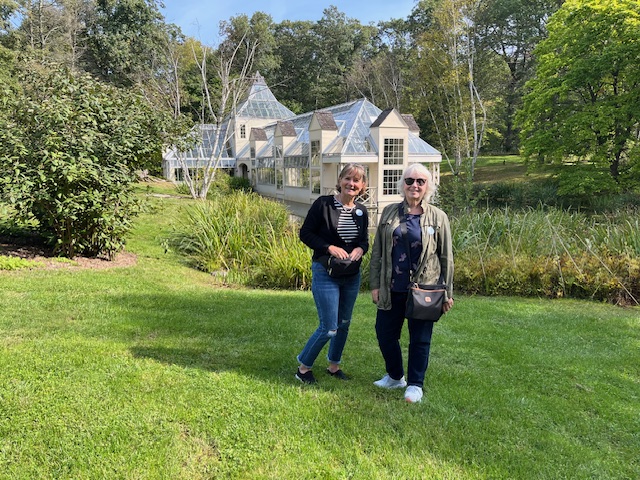
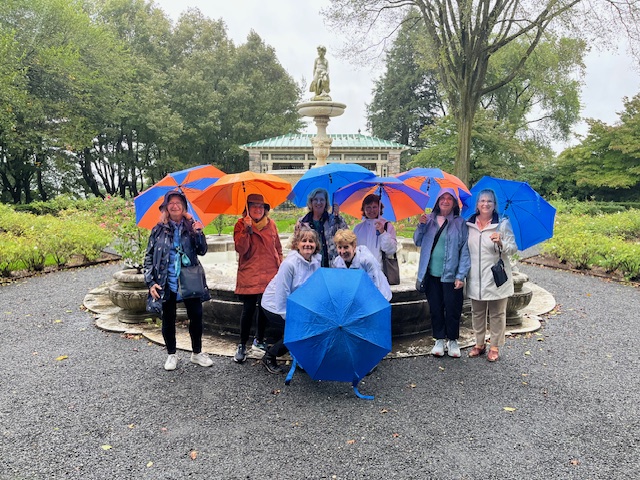
Our November ’24 program was a narrated slide show of the Hudson Valley Garden Tour taken in the fall of 2023 by members of the Driftwood Garden Club. Thank you to our valued member and past-president, Ginny von Rueden, for creating and presenting the program. This was an opportunity for all of our members to share some of the glorious gardens and gilded-age mansions of the Hudson River Valley. Delicious appetizers and sweet treats were provided by our gracious hostesses for the evening.

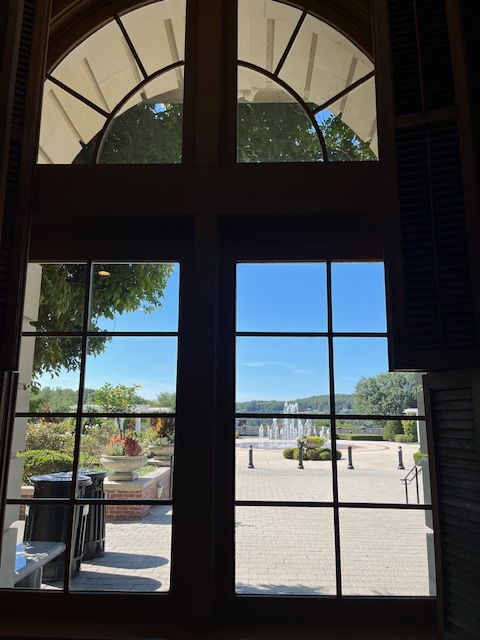
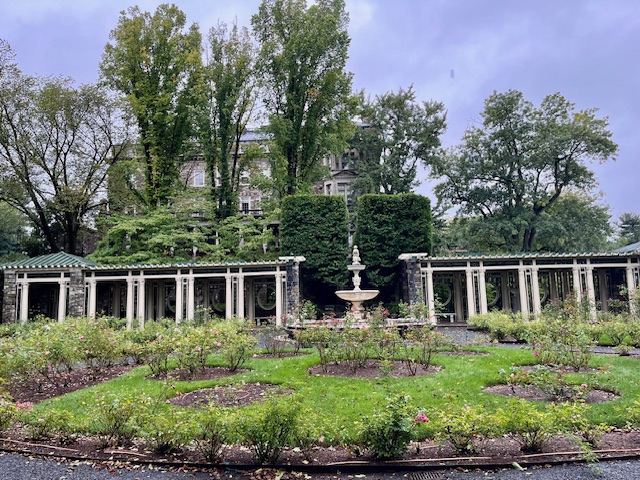
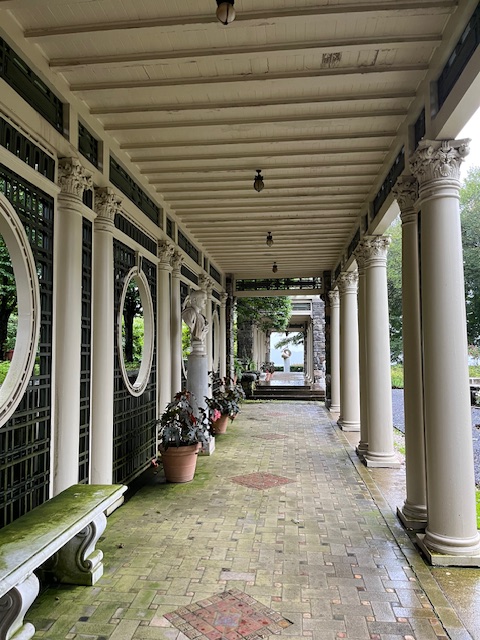
The tour began with a gourmet lunch at the Culinary Institute of America in Hyde Park. After lunch was a tour of the grounds of the Vanderbilt Mansion, followed by a guided tour of Beatrix Farrand’s private garden. Beatrix was a woman trailblazer in gardening and landscape architecture in the first half of the 20th century and defined American taste in gardens.

Stonecrop Gardens in Cold Spring, NY, home of Frank Cabot and his wife Anne, was built in 1958 and opened to the public in 1992. It is alive with woodland plants and stunning flowers, and is renowned for its collection of alpine plants.

Boscobel House and Gardens in Garrison, NY, offers stunning views across the river to West Point Academy. During the American revolutionary era, it was home to both patriots and loyalists. Falling into disrepair during the 1950s, preservationists rebuilt and restored it to its original grandeur, including 68 acres of lush gardens and trails.

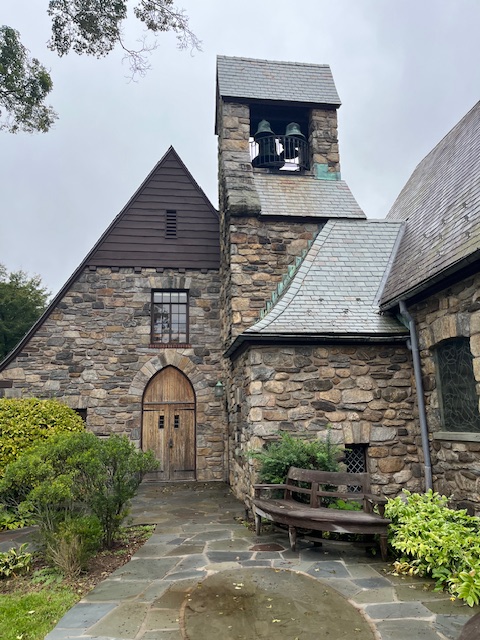
The stained-glass windows of Union Church of Pocantico Hills in Tarrytown, NY, were a favorite stop on the tour. The Rockefeller family commissioned the magnificent glass masterpieces in memory of family members. Nine windows were created by artist Marc Chagall. Union Church is especially meaningful to Ginny, as she and her husband, Rick, were married there!

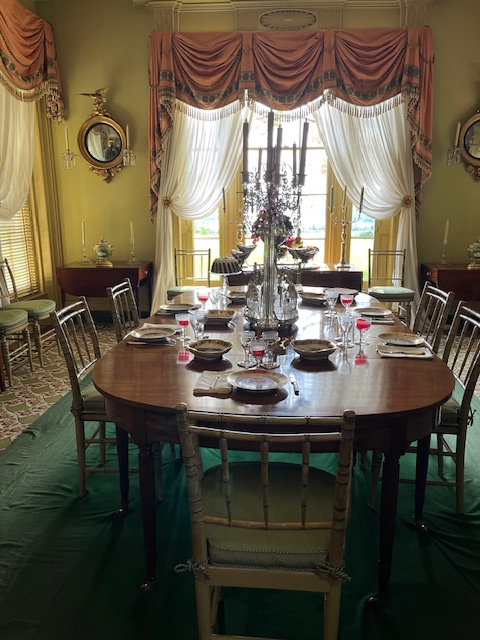
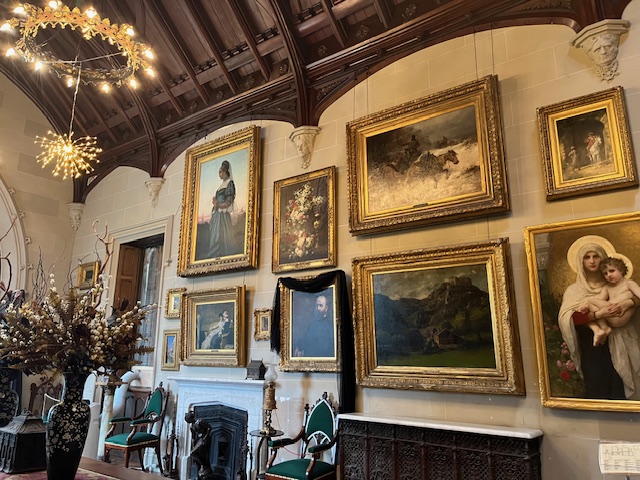
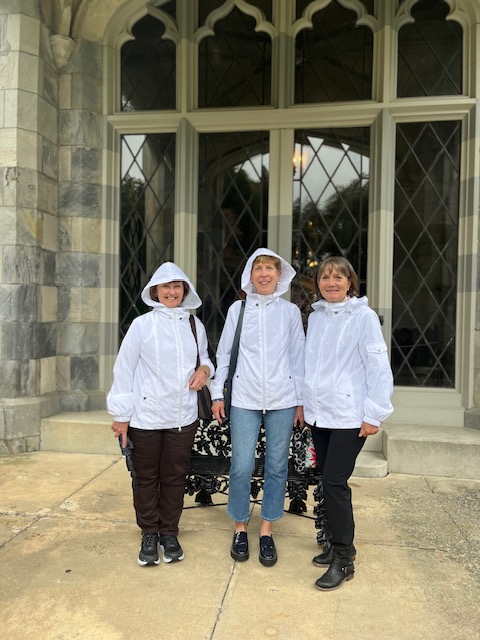
The tour of Lyndhurst Mansion in Tarrytown included the opulent mansion and access to the spectacular grounds. The views of the Hudson River were gorgeous, despite the overcast day.

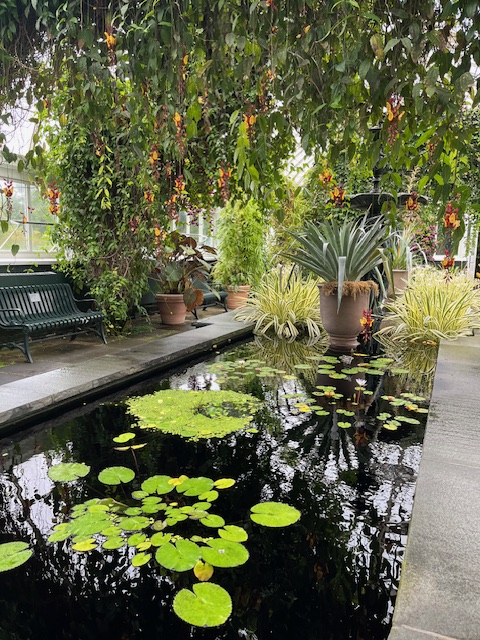
Even on a rainy day, the New York Botanical Garden is a magical place to visit. Members enjoyed touring the outside gardens as well as the Conservatory, containing plants from around the world.

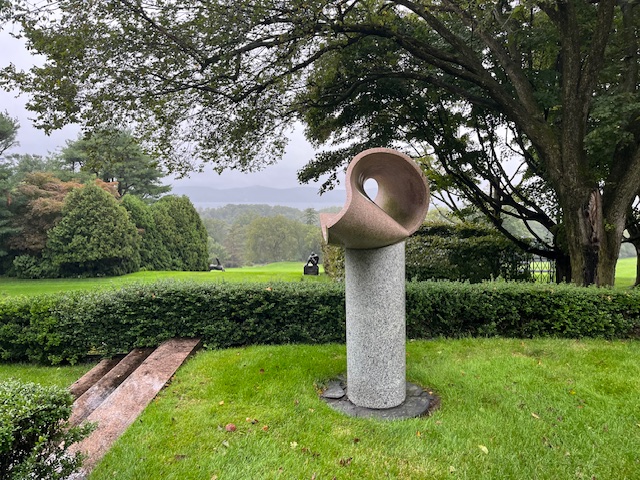
The group then visited Kykuit Estates in Sleepy Hollow. The estate, with sweeping river views, was home to four generations of Rockefellers. The gardens, stone hardscape, sculptures, and outbuildings were spectacular, and our members said they would love to return some day.