Uncategorized

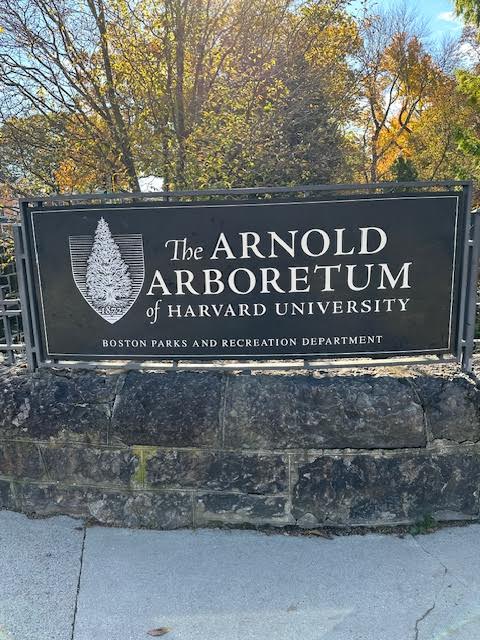
The Arnold Arboretum of Harvard University.

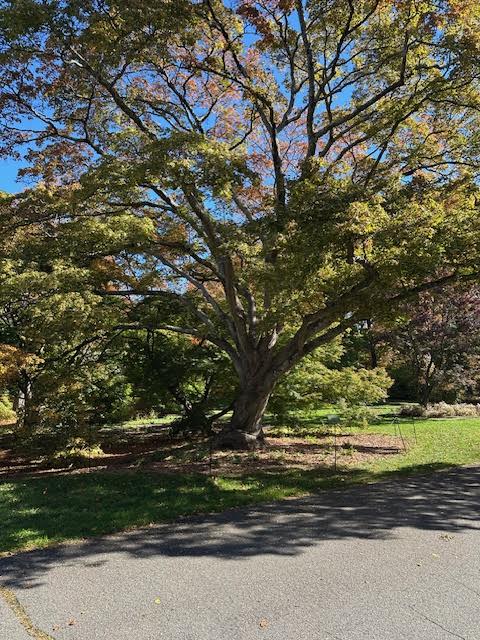
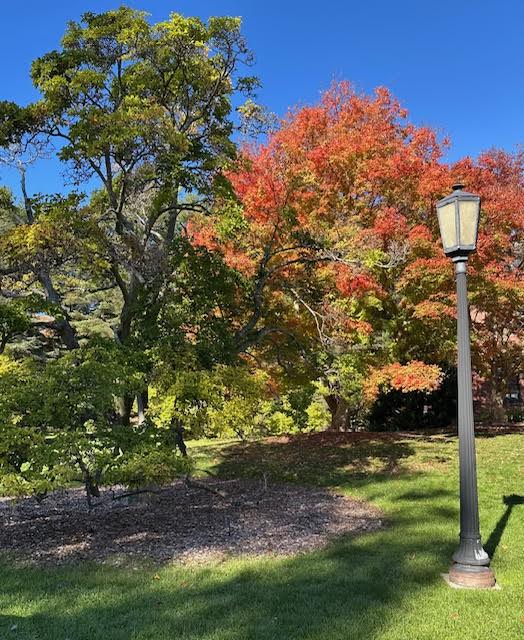
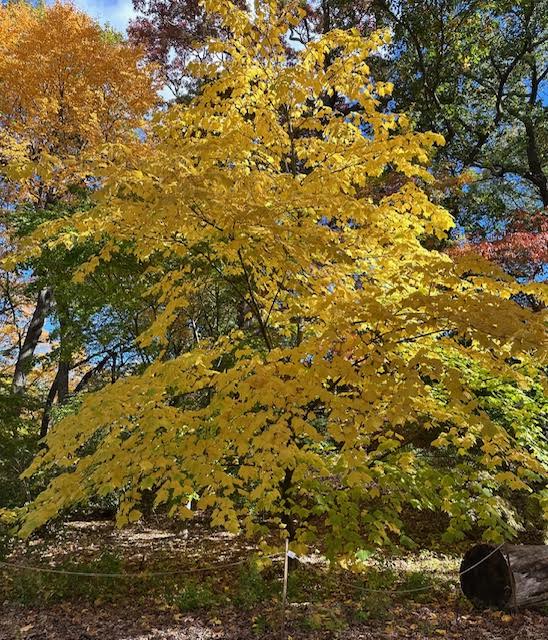
It was a perfect fall day for members of the Driftwood Garden Club to embark on a field trip. Our destination: The Arnold Arboretum in the Jamaica Plain neighborhood of Boston. The air was crisp, the sun was shining, and the leaves on the trees had turned beautiful shades of yellow, gold, orange, and red. While waiting for our group to assemble, we viewed a wood turners’ exhibit inside the Hunnewell Visitor Center. Some of the wood bowls exhibited were turned from wood that had come from trees within the Arboretum. We learned that each year around 400 trees are removed from the collection due to disease, damage, or managing the collection with a goal of creating opportunities for new plants to be introduced. If possible, that wood is repurposed in several different ways.

We met our very knowledgeable and friendly guide, Brad, outside of the building to begin our walking tour of the trees. He first gave us a little history of the Arboretum. It began in the mid-1800’s when two men made gifts to Harvard College: Benjamin Bussey, a wealthy Boston merchant, left land (about 300 acres) to the school in 1842; and James Arnold, a New Bedford whaling merchant, left a financial bequest ($100,000) in 1868 with the purpose of creating a public arboretum. Together, The Arnold Arboretum was founded in March 1872. The first director was Charles Sprague Sargent who partnered with Frederick Law Olmsted on the landscape layout. The two men formed a partnership with the city of Boston: Harvard gave the land to the city and then leased it back for $1/year, on a thousand year lease, with a renewal option. The Arnold Arboretum was born, and with that knowledge, we were ready to see some trees!

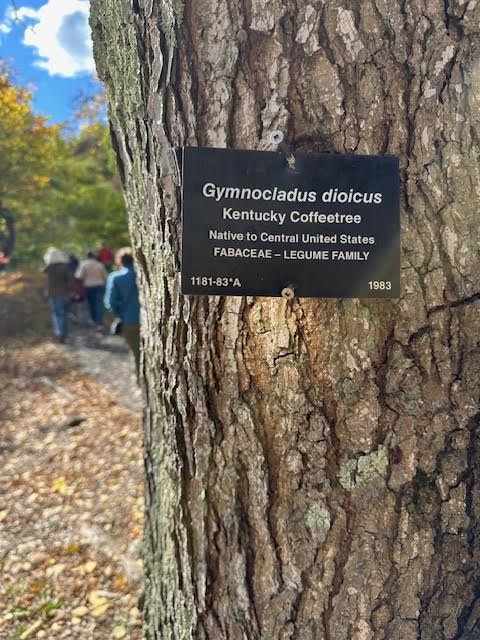
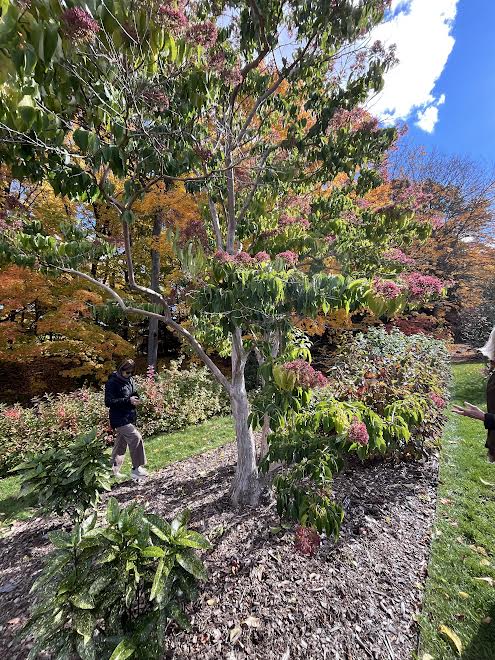
Brad explained that, just like an art museum that has rooms with particular periods of art, the arboretum is organized by types of trees. We saw linden trees, cork trees, tulip trees, and horse chestnuts, stopping along the way so Brad could tell us about a particular tree. He was a wealth of knowledge! There are over 16,000 plants (trees, vines and shrubs) within the arboretum. The Arboretum’s mission is to cultivate and care for all of the woody plants that can survive in Boston’s climate, so these are not just native trees. Some plants come from right around the corner (Mr. Sargent, the first director, took a red maple from his neighbor’s yard to plant here); and some plants come from around the world. Remember that The Arnold Arboretum, as part of Harvard University, is also a research institution, and the arboretum itself is a laboratory for students and professors alike. Each tree in the Arboretum has a tag with its common and scientific names, family, and origin, and we found ourselves stopping to investigate various name tags.

Many people who visit the Arboretum come especially for Lilac Sunday, that time in May when the lilacs are in full bloom and their scent fills the air. It is one of the busiest times at the Arboretum. Brad informed us that, although it was a beautiful event at the Arboretum, he was really not a fan of lilacs. Why? He thought that the flower did not give enough bang for the buck; it had a very short bloom time, and there were other plants that did a better job, if a longer bloom is what you wanted.

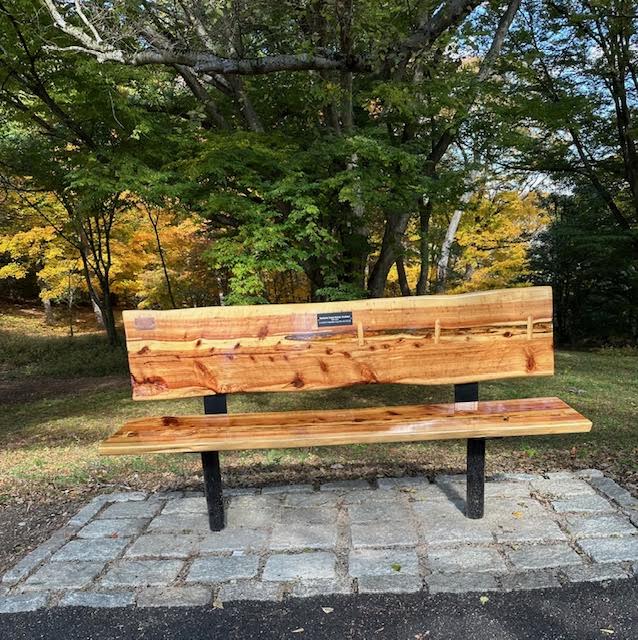
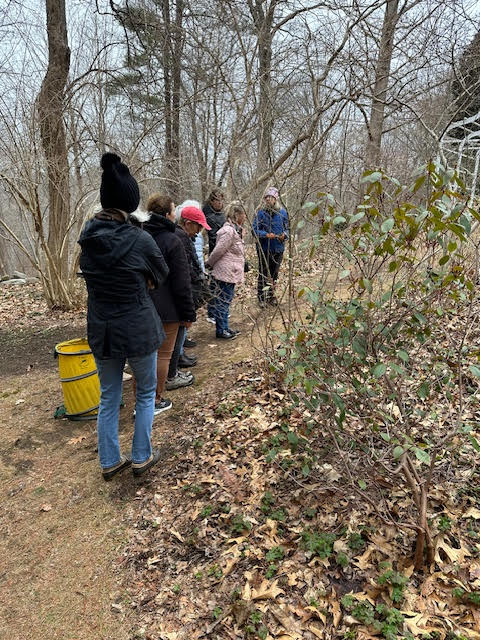
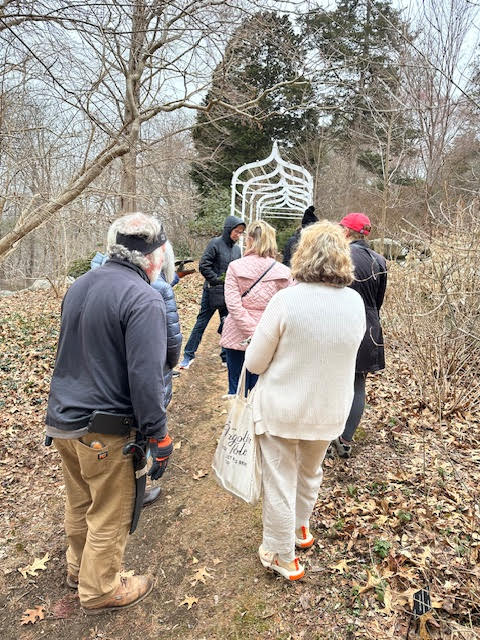
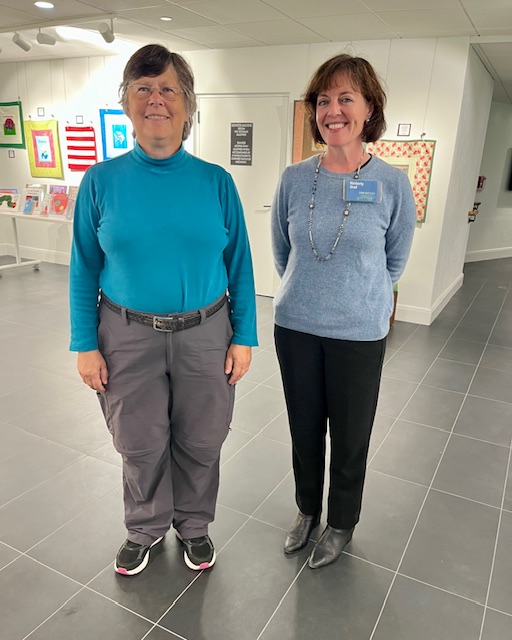
As we made our way along the lilacs path, we stopped to admire a backdrop of golden leaves behind a wooden bench. We asked to stop for a photo op, and of course, Brad obliged by taking our group picture. The bench was made of wood from a tree that had been taken down and repurposed, and there was a dedication and name on the bench. Brad explained that for $1,000 a year, you could buy a bench in honor or memory of someone. At the end of 10 years (that’s $10,000), you could renew your bench. We all had the same thought: “What a great idea!”

Returning to our starting point, a park ranger on horseback passed us on his patrol around the arboretum. We thanked Brad for a wonderful and information-filled tour and headed to our next destination: lunch!

Uncategorized

Pruning Workshop at Long Hill

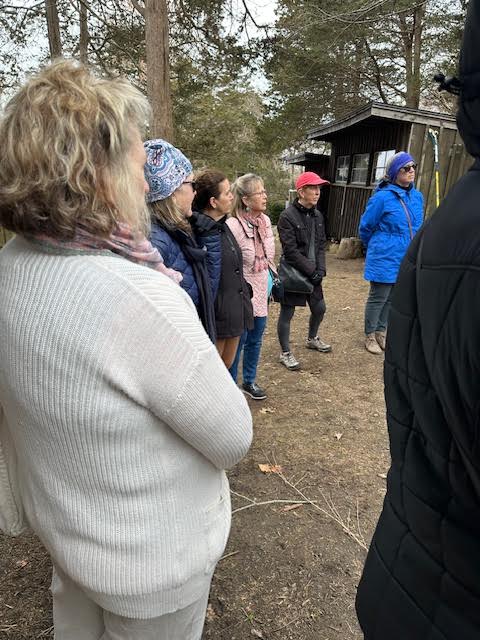
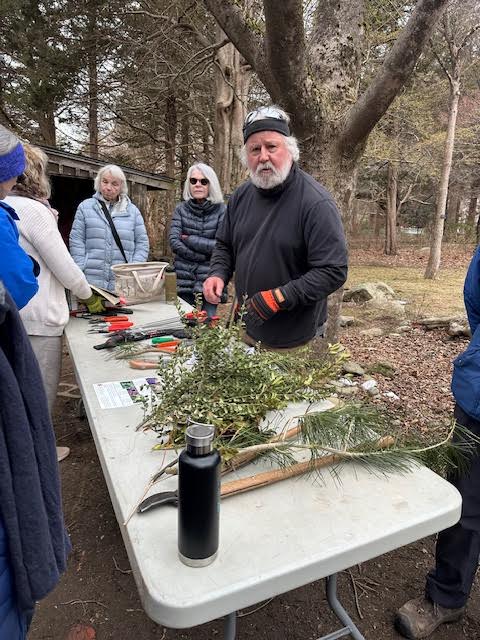
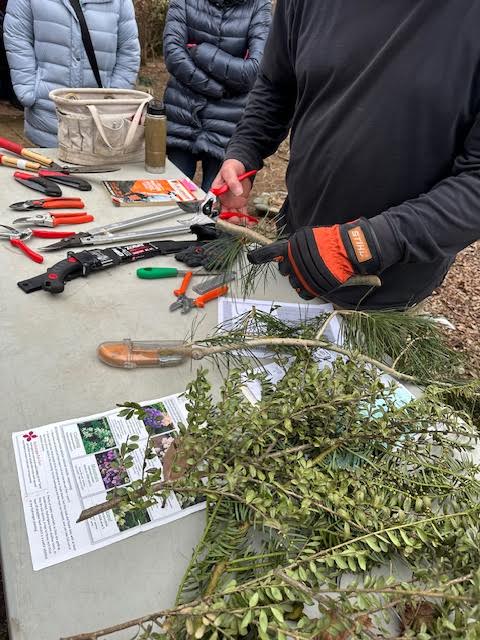
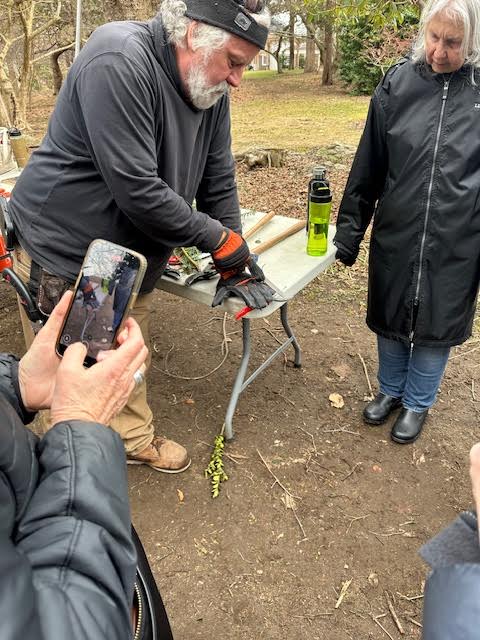
It was a chilly, overcast afternoon when our group of gardeners from the Driftwood Garden Club arrived at Long Hill Reservation in Beverly to participate in a pruning workshop. Dan and Melissa, who care for the Long Hill property year round, were our friendly and knowledgeable instructors for the afternoon. They greeted us outside at a work table laid out with various pruning tools.

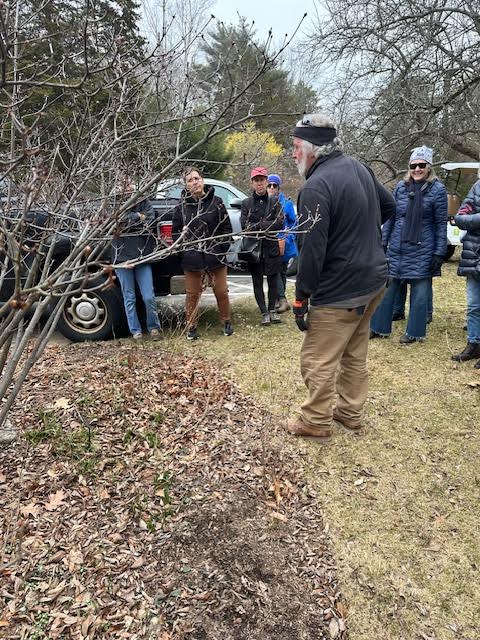
After an introduction, Dan began his talk with why and when we prune our trees and shrubs. He said to follow the four D’s: if a branch is dead, diseased, damaged, or dysfunctional (a branch might cross over another branch or grow in an awkward position), it is time to be pruned. Then he and Melissa talked in length about appropriate tools and how to use them.

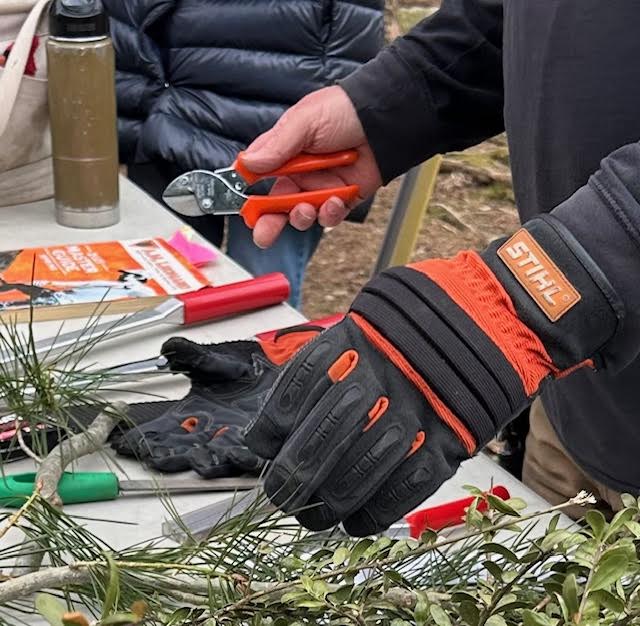
Beginning with an ordinary pair of pruning shears (the blade can be curved or straight), Dan said that gardeners often attempt to cut too large a branch with these small shears, and they can injure the tree by crushing the remaining edge of the branch. He said that trees heal themselves after pruning, but that a crushed edge can impede the healing and even invite bacteria into the tree. Their advice was to not cut anything larger than your pinky finger with the handheld pruner. In fact, he said, trimming flowers and stems of a rose bush is what these pruners should be used for.

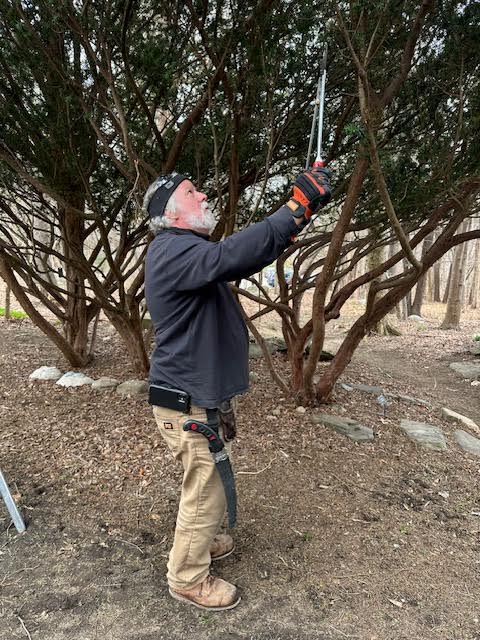
The lopper, everyone’s favorite, is another misused pruning tool. Again, gardeners attempt to cut a branch that is either too high overhead (not allowing you to get a good clean cut) or by cutting something too big, thus damaging the remaining branch. Need to cut a larger branch? Use a small pruning saw which can be folded and stored in your garden tool bag. There is even a pocket-sized pruning saw which is very convenient and very sharp. Dan and Melissa also demonstrated how, with a small file, we could sharpen our own bladed tools if we wanted to. Just be careful, and slowly follow the edge of the blade with the file.

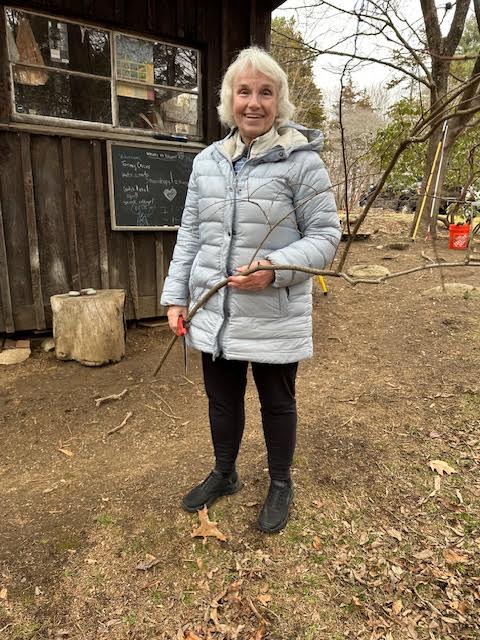
The group then followed Dan and Melissa to a large viburnum bush in need of some care. We looked for the four D’s and pointed out some of the branches that could be taken out. Several of our members demonstrated their pruning skills on the viburnum, and it looked much better after being pruned.

We made our way to the lower gardens, taking pruning shears with us, and spent the remainder of our time pruning roses and other small bushes in the gardens. We all learned some new things, refreshed our knowledge of others, and had a wonderful afternoon at Long Hill.

Uncategorized

A Begonia for Every Season

Have you ever received a beautiful begonia plant as a gift, enjoyed its beautiful blooms, and then had difficulty keeping the plant alive and thriving? Was it in the wrong light? Did it get too much water? Was it in a room that was too hot, too cold, or too dry?

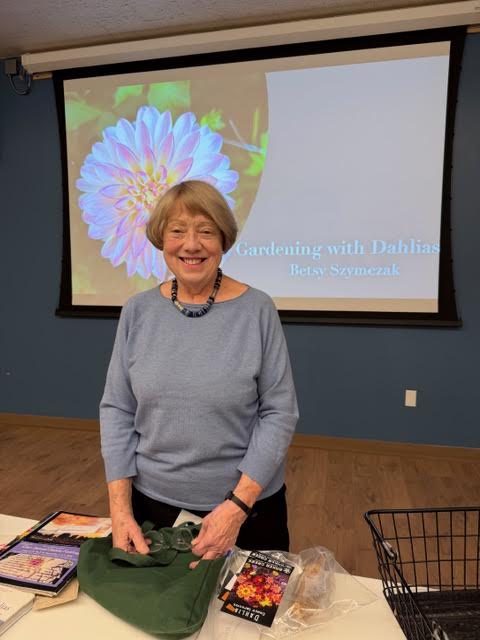
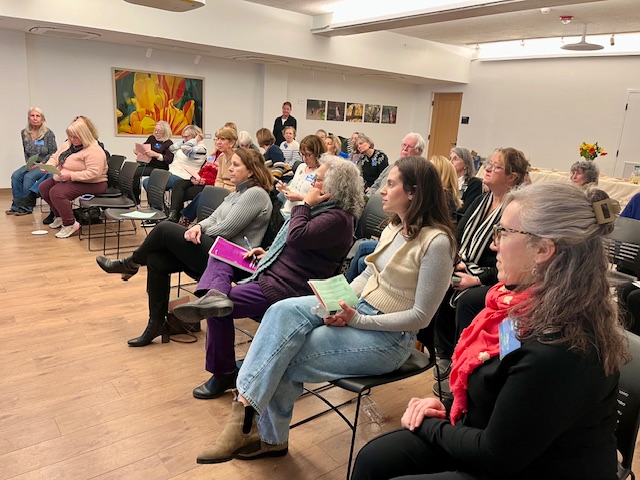
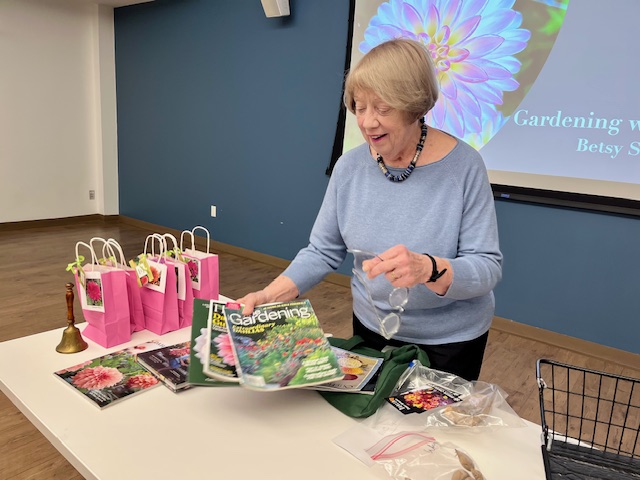
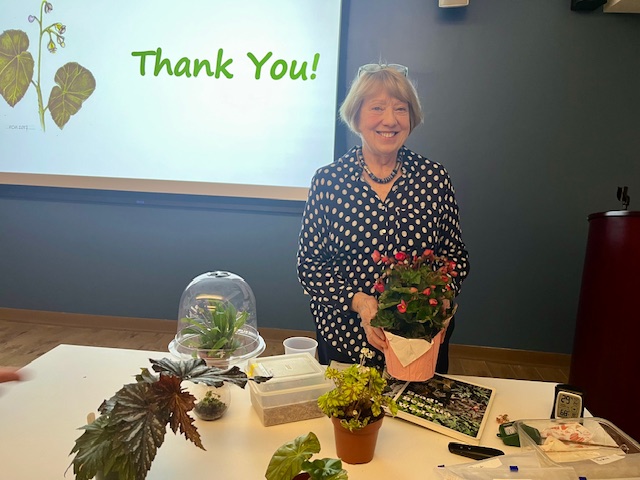
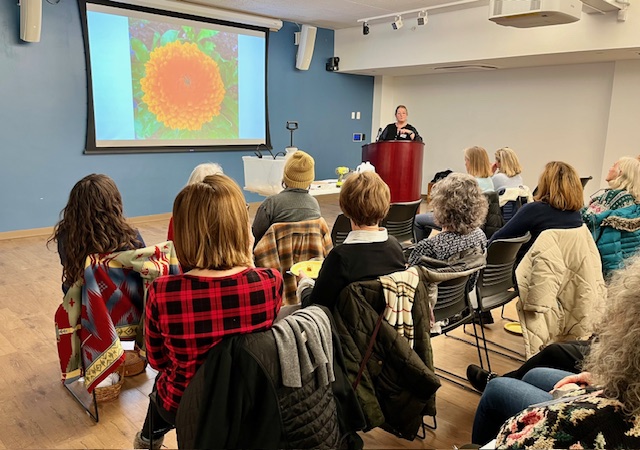
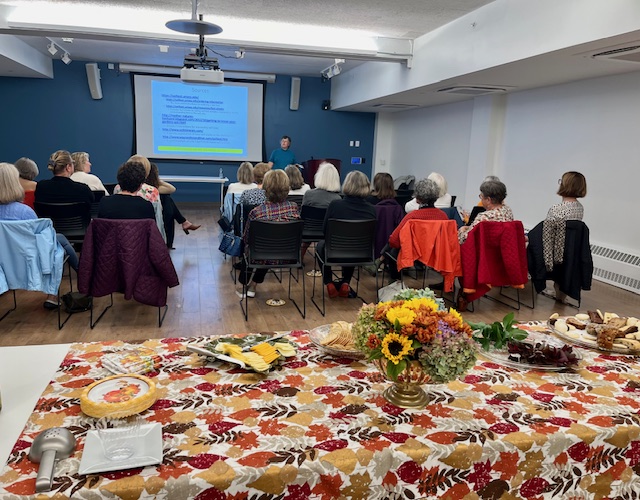
Well, all of these questions and more were answered at our February program, “A Begonia for Every Season.” Betsy Szymczak, our speaker, is a retired college professor of clinical microbiology, a past president of the Buxton Branch of the American Begonia Society, and an ABS certified begonia judge. She is also an avid gardener, with a particular interest in growing and propagating begonias.

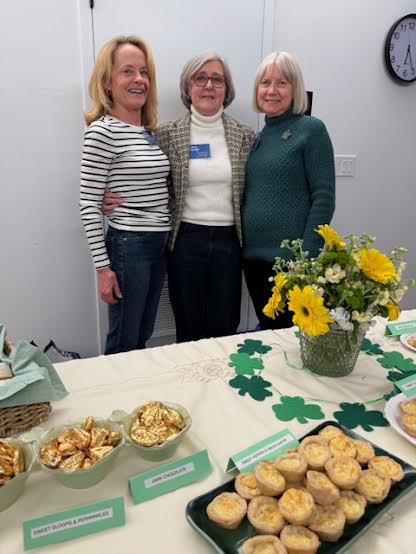
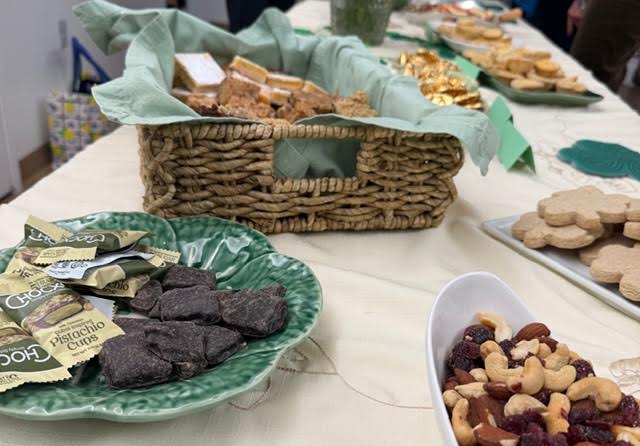
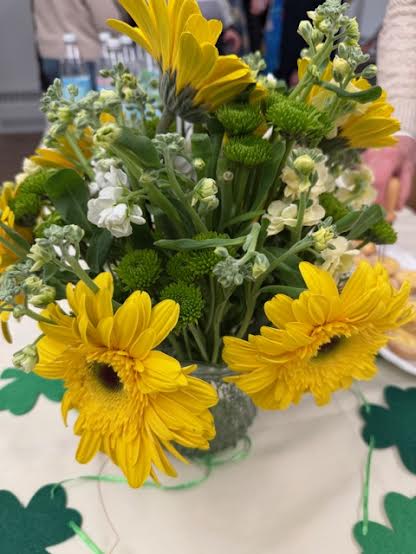
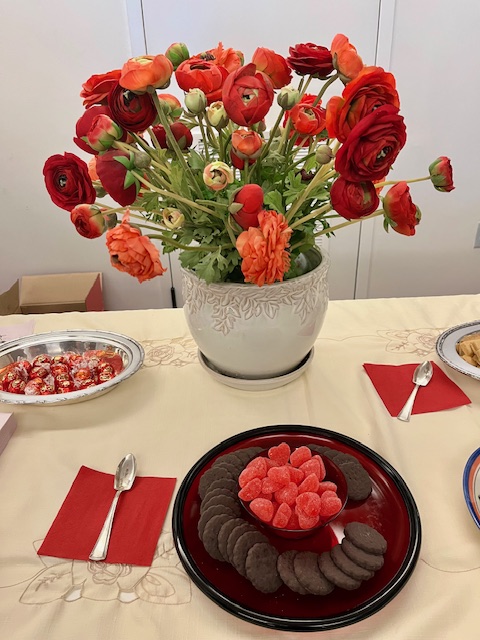
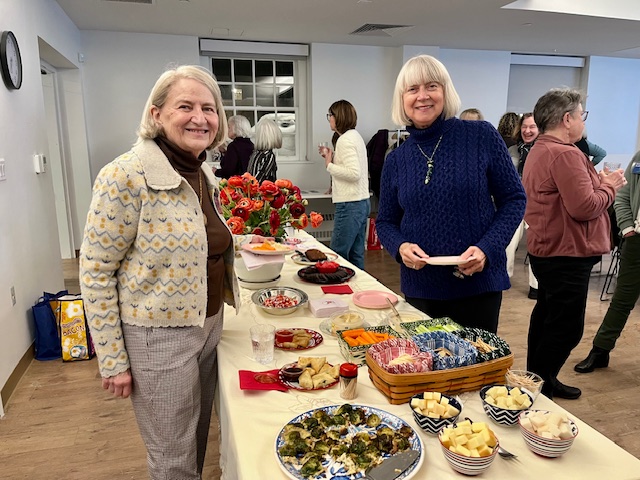
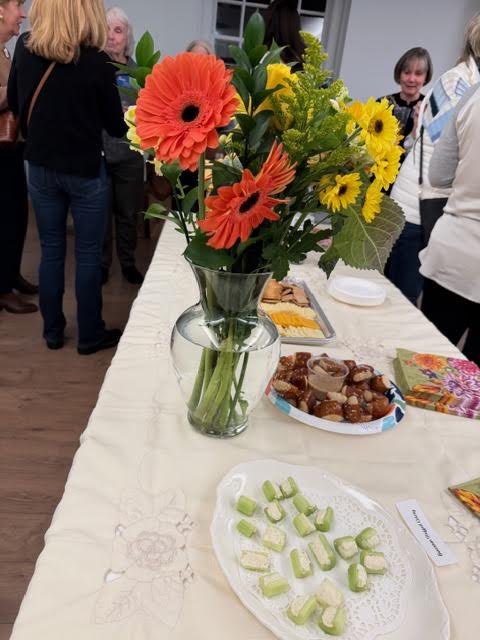
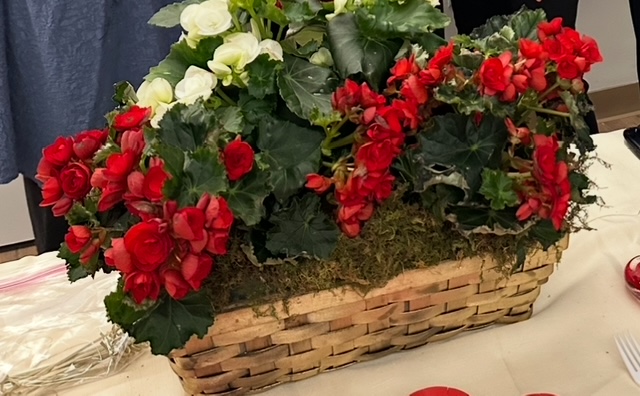
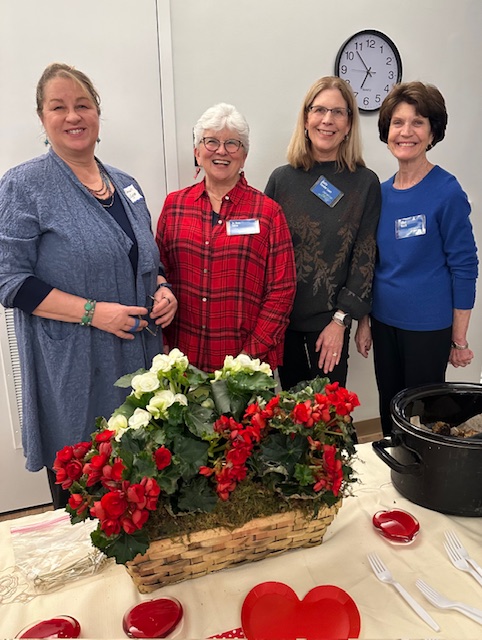
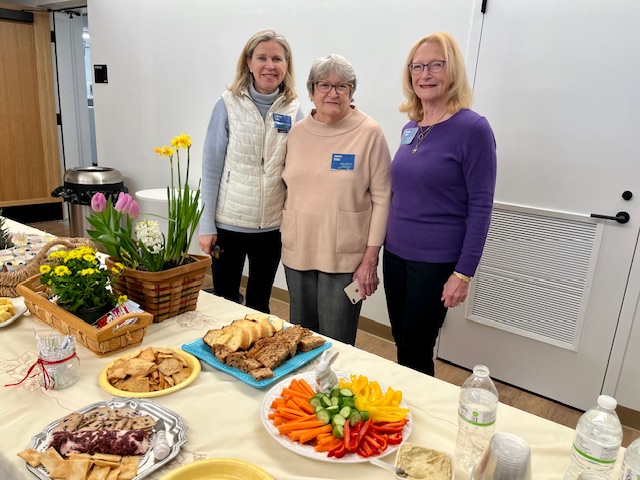
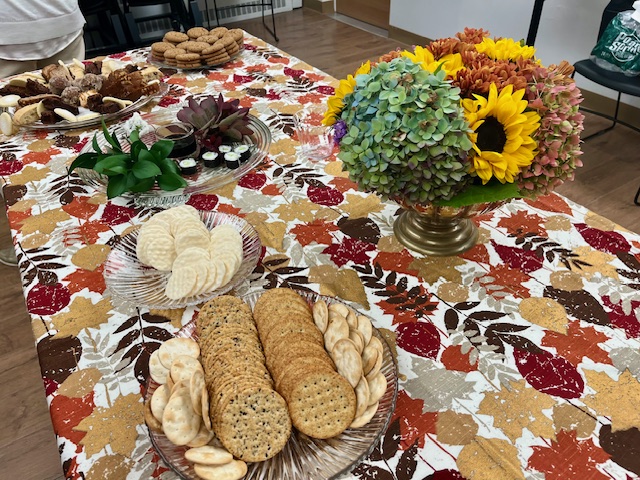
A warm thank you to our wonderful hostesses for the evening. They presented a beautiful table of sweet and savory treats, along with a gorgeous basket of red and white begonias as a centerpiece. It was a perfect tribute to our presentation on begonias, as well as Valentine’s Day, only a few days away.

Betsy’s presentation began with the biology of the begonia plant and its structure. We learned that male and female parts are on the same plant. The male makes the pollen, the female is where the seeds are produced. Begonias are pan tropical, meaning they are native to regions below the equator, although with the right conditions and care, they can be grown almost anywhere. We also learned that the French botanist, Charlies Plumier sailed on board an explorer ship to the West Indies in the early 1700s, discovered the plant genus “begonia,” and named it after Michel Begon, the governor of Haiti, as a tribute to Begon. 

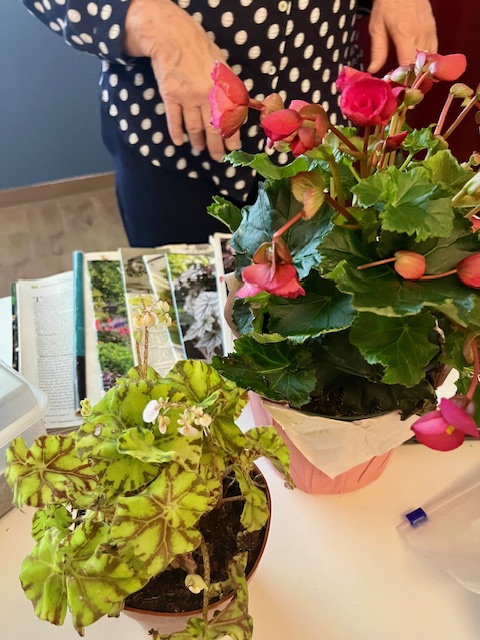
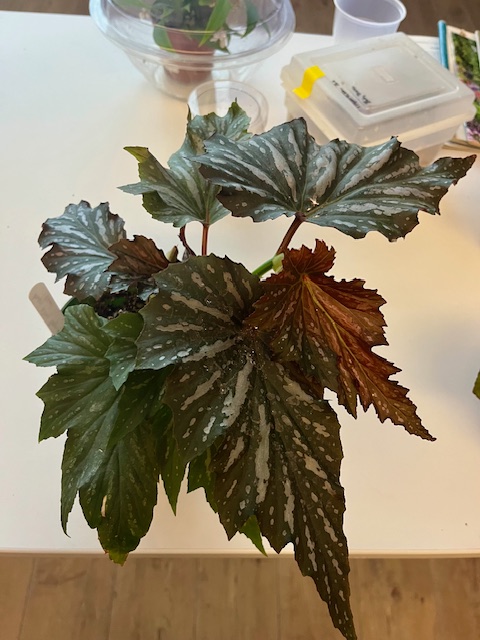
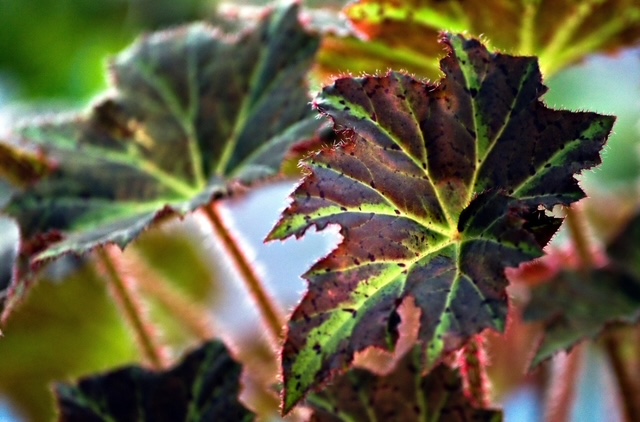
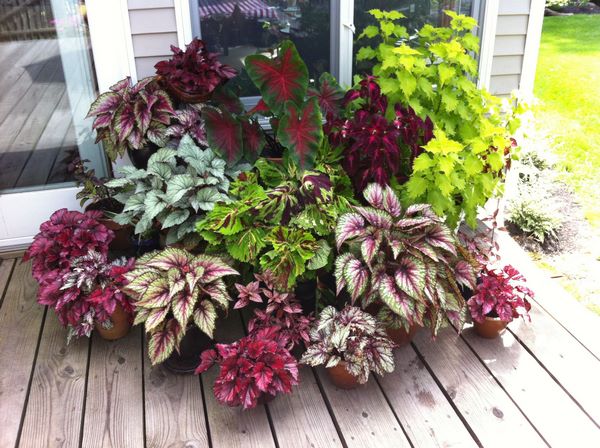
We think of begonias as a summertime plant because we see so many wax begonias used in landscaping, perhaps at your local mall, or in a hanging basket. Their blooms are magnificent, but there are also many begonias used for their beautiful foliage in planters or borders. The light, water, temperature and moisture (humidity) are the keys to the success of growing begonias. Outdoors, begonias need shade, never direct sunlight, and not too much watering.

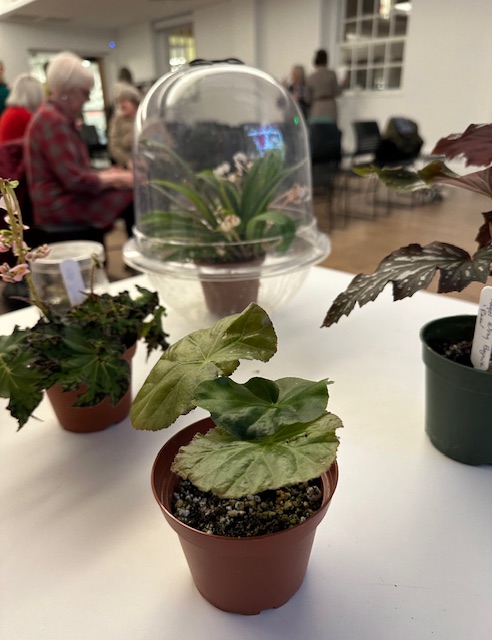
In the fall, begonias can be brought indoors. Again, the light they receive is important. East and west windows are best, and remember that overwatering can be a problem. Make sure the soil is dry before watering, or use a simple soil moisture meter (hygrometer) to help. Most begonias will tolerate temperatures between 55 and 75 degrees,  and some require more humidity than others. Betsy demonstrated how a delicate begonia could be placed under a plastic dome to retain the humidity. Fall is also the time you might try to propagate your begonia, and we learned several methods, including leaf cuttings, stem cuttings and division of tubers.

During the winter, with the right conditions, begonias can thrive inside. Begonia Kellermanii and Begonia Vitafolia are called “The Survivors” because they typically do well inside over the winter. Begonia Grandis, a tuber begonia, grows well in New England, and Rieger begonia blooms in winter with bright, indirect sunlight.

When spring comes, enjoy the flower shows in your area, while you wait for the weather to warm up, and you can bring your begonias outside again.

Uncategorized

Winter Seed Sowing!

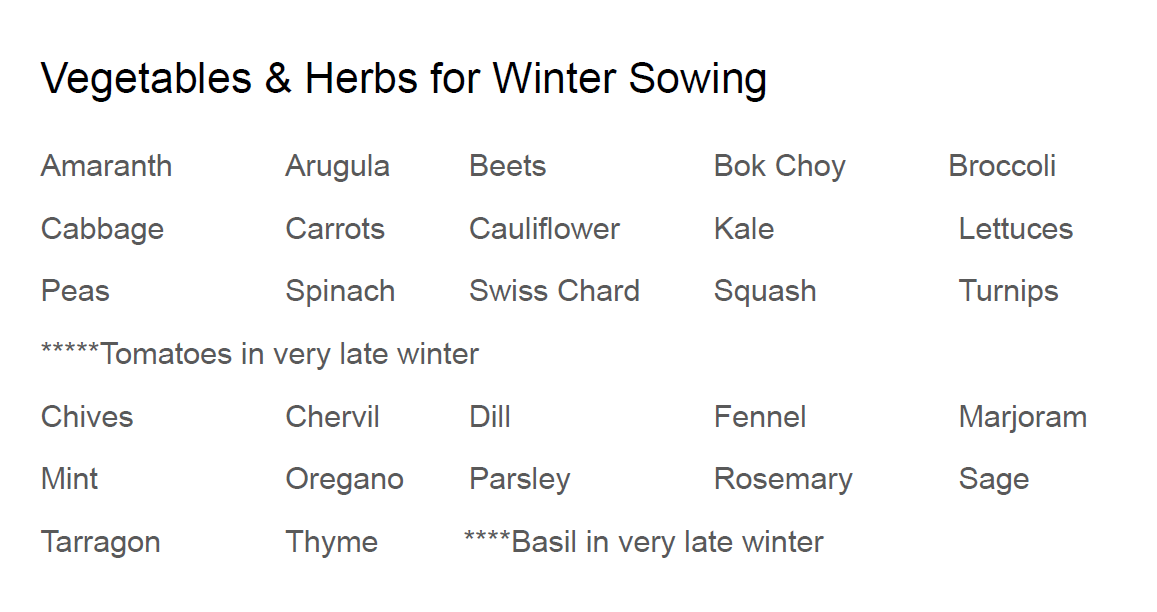
On a cold January night, members of the Driftwood Garden Club of Marblehead were treated to a “Winter Sowing in Coastal New England” presentation by DGC member Dawn LiVigne.

Dawn, an avid winter sower, said her inspiration for winter sowing was the desire to have fresh food all year long. She says there is a wealth of information online and hundreds of instructional videos on YouTube highlighting many techniques of seed sowing. Plants she has the most success with are hardy perennials, annuals, and herbs.

Proper jug preparation is important. Our instructions included drilling holes in the plastic jug containers, filling them with moist potting soil, spreading seeds, and dusting with more soil. Depending on the winter conditions, plant containers are ready to go outside in mid-to-late February. Just set them on the ground in a protected spot and forget them!

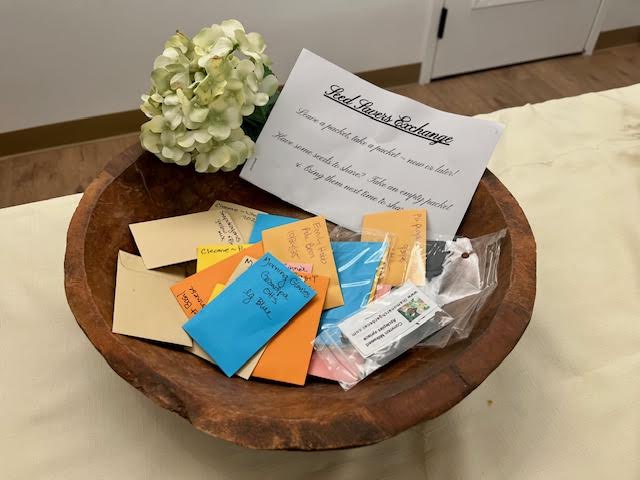
We ended our evening with a seed swap. Dawn and many members shared seeds harvested from their own gardens. We hope to enjoy a plentiful harvest of winter-sown vegetables and flowers over the coming spring and summer…with more seeds to share next year!

Uncategorized

Soil Preparation!
The Driftwood Garden Club’s October 2024 educational meeting was presented by Gretel Anspach, a Lifetime Master Gardener and Member of the Massachusetts Master Gardener Association. Gretel, a repeat presenter for DGC, is a retired engineer who knows the science of good soil.

Members learned the importance of soil that holds the right amount of water and has the right available nutrients. We learned plants like ‘fluffy’ soil and the steps to remediate soil compaction.

Our lecture included some ‘mulch math’ to determine the quantity of material to cover the square footage in compost. And we also learned about the Nitrogen – Phosphorus – Potassium (always listed in that order) ratio to amend soil.

Most of all, Ms. Anspach recommends soil testing in several areas of your yard to accurately determine the soil composition. UMass Extension Testing Laboratory forms and instructions are available online at 

https://ag.umass.edu/services/soil-plant-nutrient-testing-laboratory/ordering-information-forms

We were reminded to leave plant and leaf matter in the garden beds to decompose over the winter for organic nutrients to enhance our soil.  Your plants will thank you in the spring!

Uncategorized

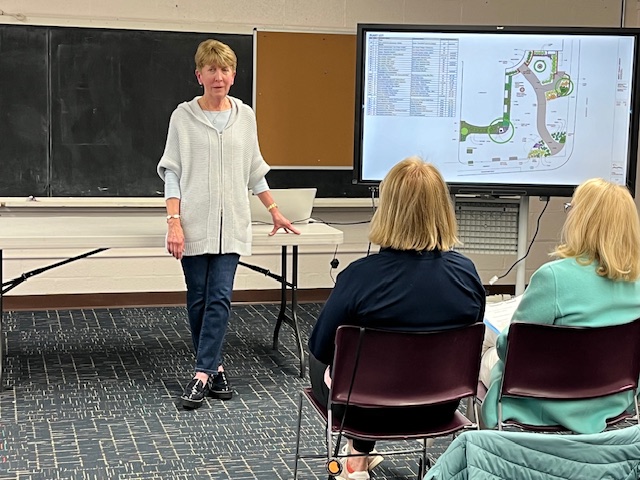
Plant Sale Proceeds Help Fund Renovated Library Landscape!

The Driftwood Garden Club of Marblehead’s most recent meeting was all about getting ready for the Annual Plant Sale to be held at the Masonic Hall on Saturday, May 11, 2024. It is no small feat to organize a successful sale and many members on several committees were thanked for their contributions.

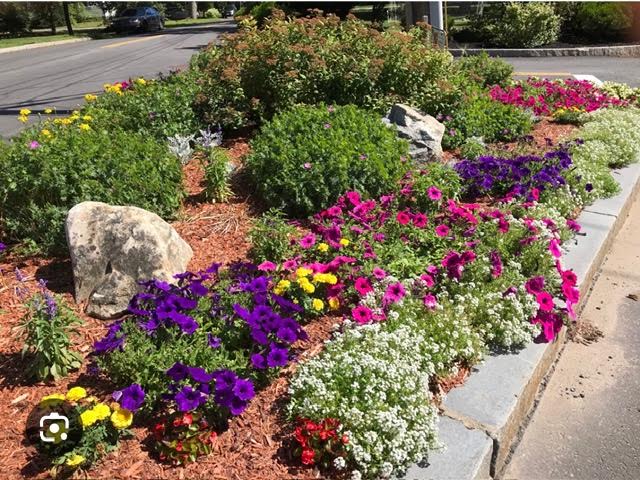
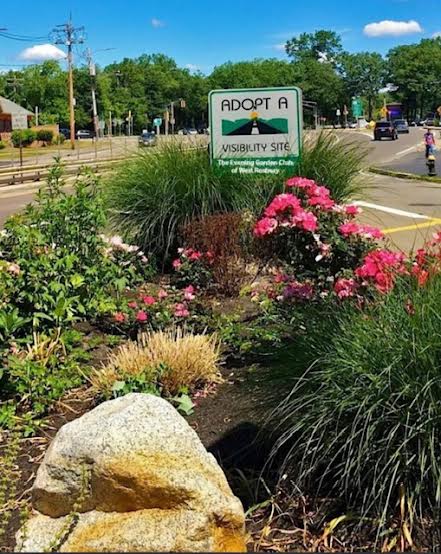
The Plant Sale on 5/11 is Driftwood’s sole fundraiser. As a club with civic responsibilities, the DGC supports and maintains the landscapes at the Abbot Public Library as well as Farrell Court in Marblehead. Renovations at the library at 235 Pleasant Street are on schedule to be completed in June.

The Driftwood Garden Club is proud to financially contribute to the landscape design, and we hope for a successful plant sale to raise funds to support this effort.

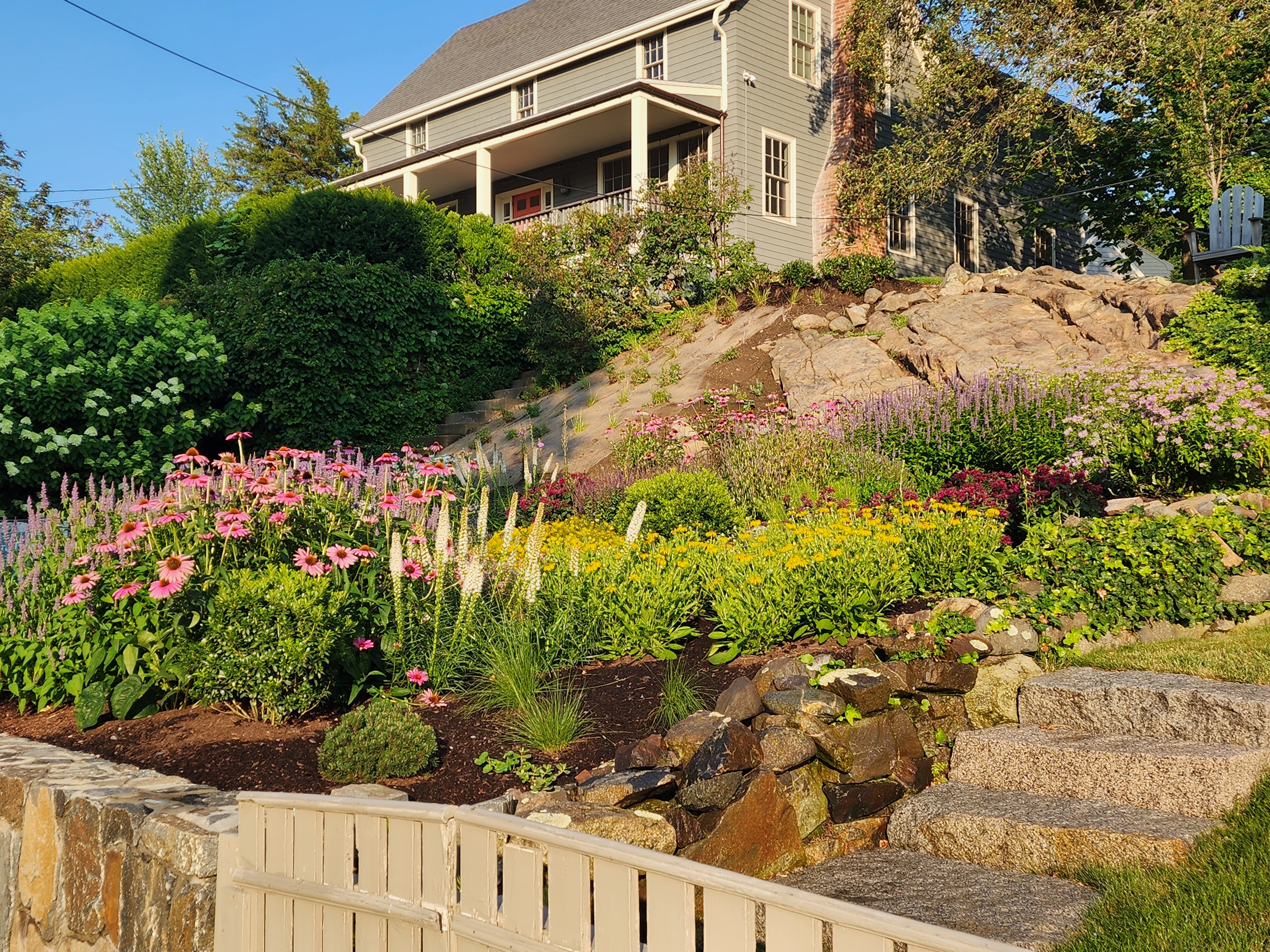
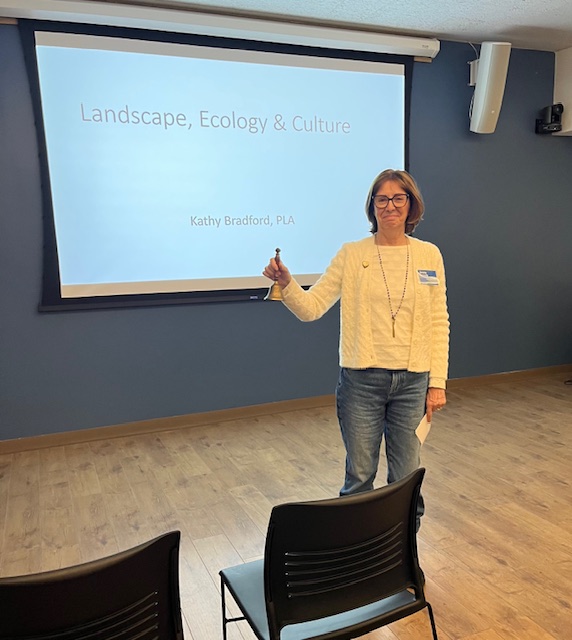
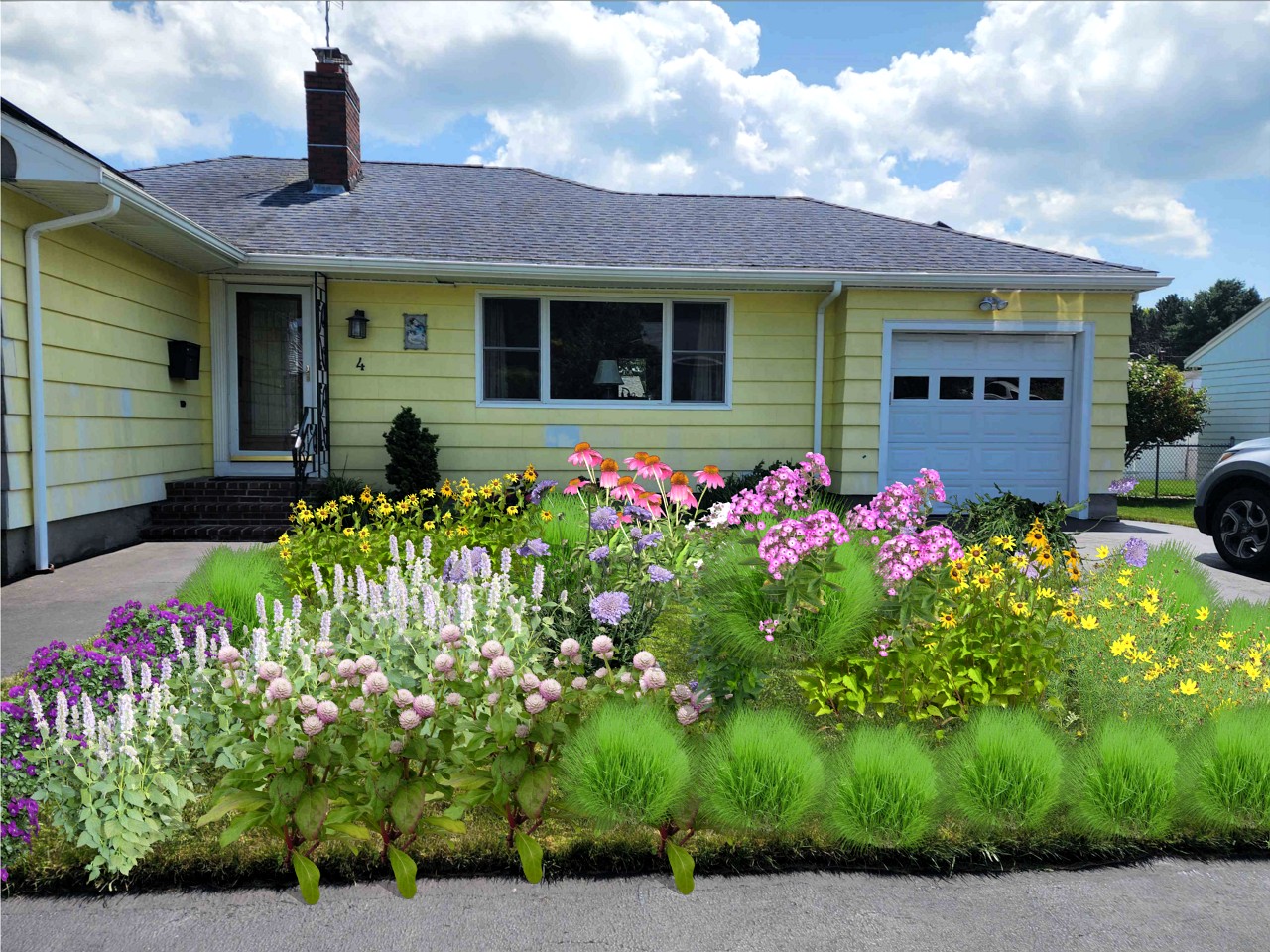
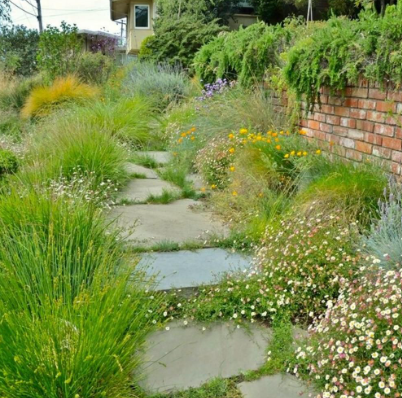
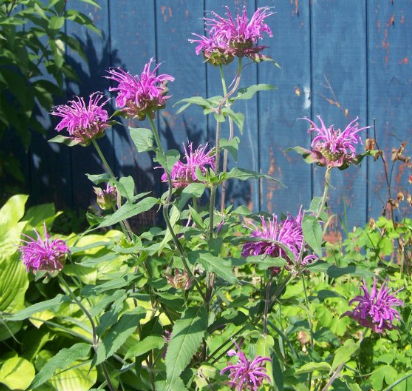
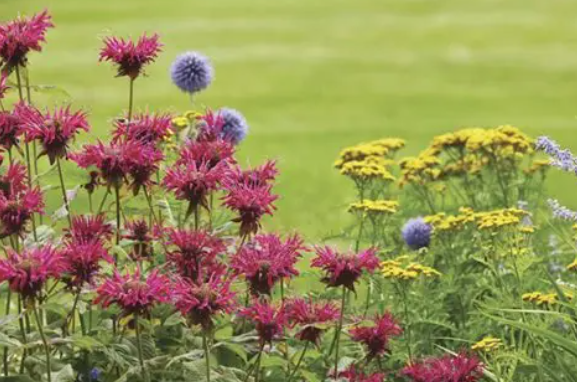
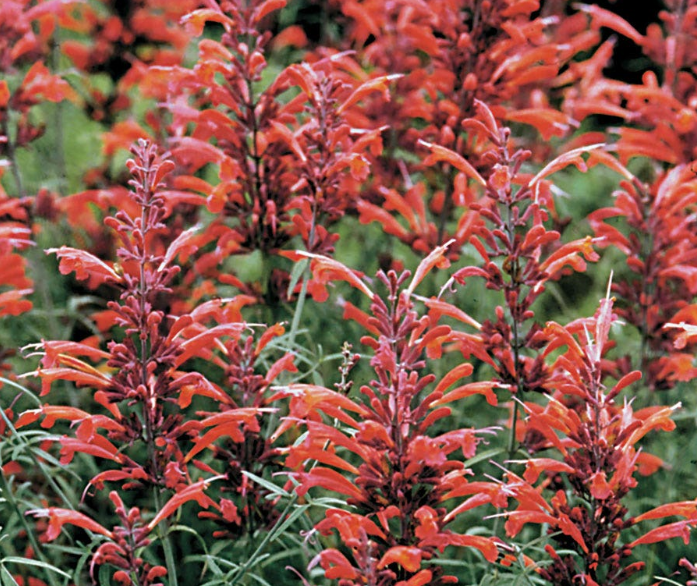
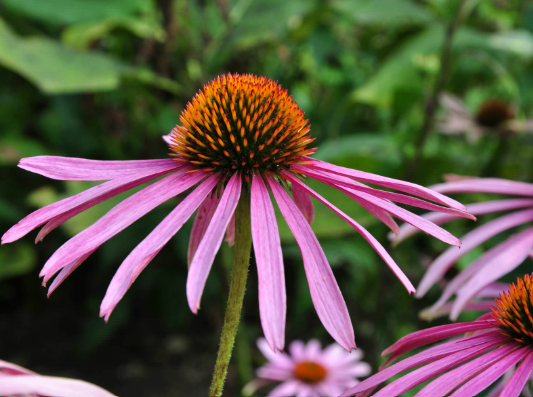
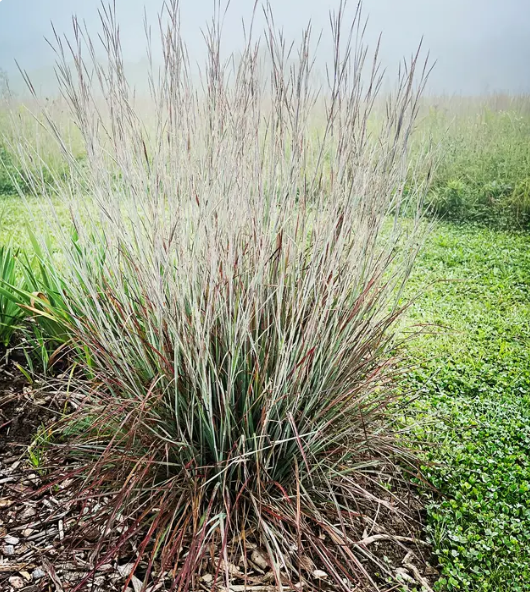
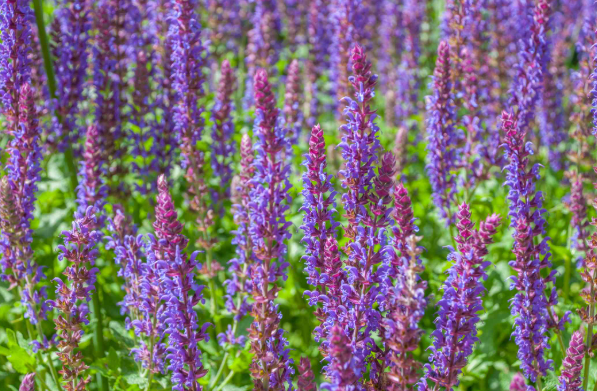
Kudos to Kathy Bradford of Bradford Design Associates for creating the fabulous landscape plan for the renovated library. According to Kathy, “The design responds to the building architecture and the desire for resiliency. We need gardens that can adjust to the effects of climate change. A resilient garden is a garden that will thrive in spite of changing weather patterns. Drought tolerant and native plants are used in many locations to reduce water consumption. Plants adjacent to the building are traditional and architectural in style and placement. The beds located away from the building are looser, more contemporary, more native, and designed to attract pollinators. Flowering shrubs, perennials, and spring bulbs are white, blue, and shades of lavender. The color scheme for the plants is complimentary and does not compete with the red brick of the building.”

The plant list contains diverse and low-maintenance plants in a timeless, elegant design for all to enjoy in the future.

The Driftwood Garden Club hopes to see you at the Plant Sale on Saturday. May 11th!

Uncategorized

Lawns and Lawn Alternatives

Members of the Driftwood Garden Club of Marblehead gathered recently for an informative lecture on Lawns and Lawn Alternatives presented by Master Gardener Gretel Anspach. Ms. Anspach is a Trustee of the Massachusetts Horticultural Society, a Lifetime Master Gardener with the Massachusetts Master Gardener Association, and a retired systems engineer for Raytheon. Her primary focus is on the science behind horticulture.

Ms. Anspach shared many references on best practices for sound lawn care, including replanting, supplementing, and maintaining the site. Expert soil testing is vital to determine the pH and composition to properly supplement with the macro nutrients Nitrogen, Phosphorus, and Potassium. Online forms for soil tests are available from UMass Amherst, Soil & Plant Nutrient Testing Laboratory, https://ag.umass.edu.

Your site assessment should focus on light, moisture, nutrients, soil compaction and thatch buildup. Depending on the results of your soil test, amend your soil with compost or sand, and aerate if compacted. Ms. Anspach noted that lawns like evenly moist soil. Water approximately one inch per week.

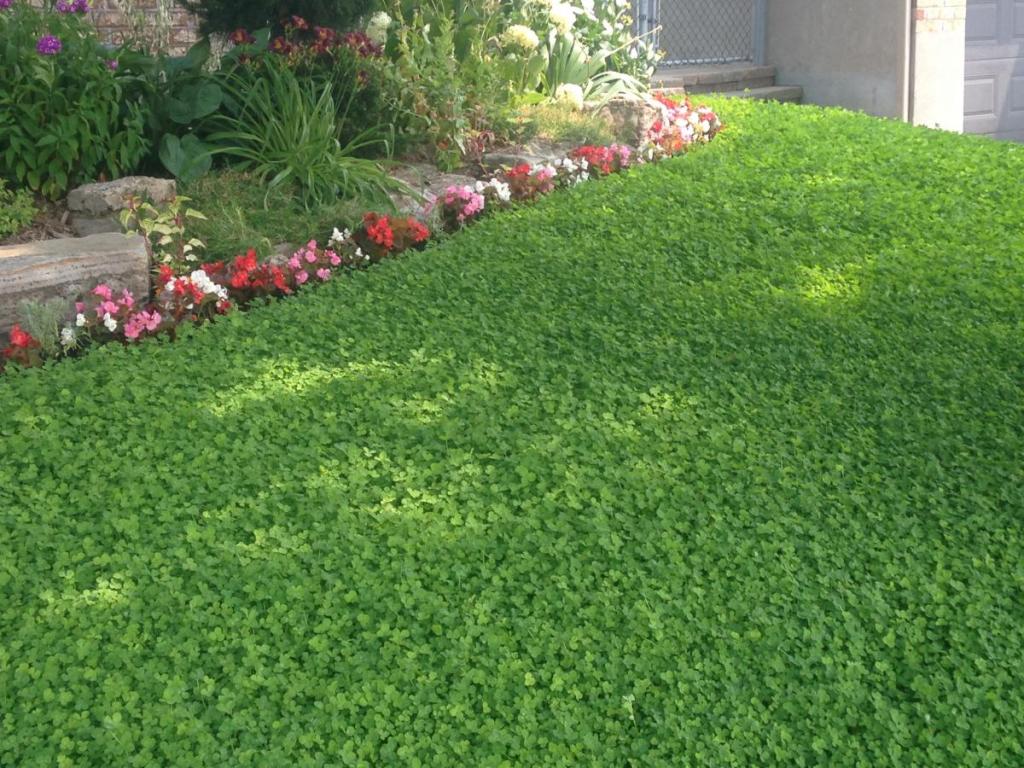
Picture-perfect turf lawns need full sun! We learned of many turf alternatives, including clovers, that support pollinators and will tolerate shade.

According to Gretel, a healthy lawn is fairly disease resistant and allows a few annual weeds (yes, dandelions!) to grow. Use a mulching mower and don’t mow when the lawn is wet. Turf grass in Massachusetts is considered ‘cool season grass’ so fall is the best time to reseed or overseed to enjoy your green lawn.