Uncategorized

Rethinking Uses for Annuals.

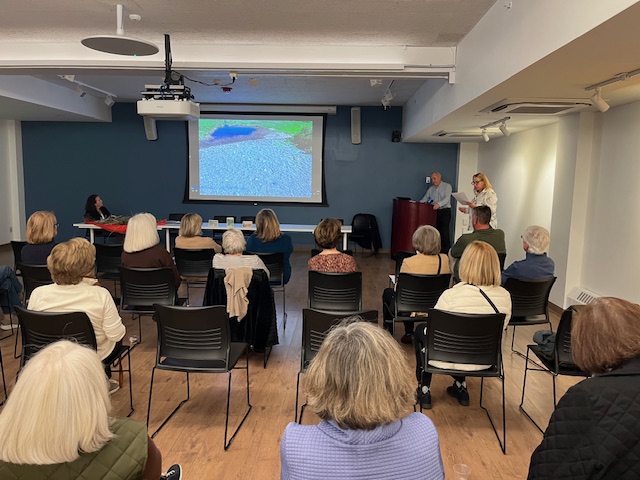
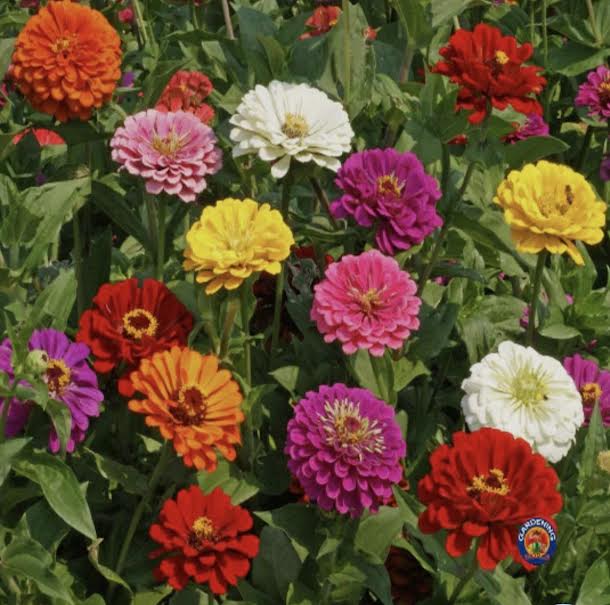
Most gardeners are well-aware of the importance of perennials in our gardens (especially native perennials), but our March speaker was here to remind us of the importance and various uses of annual plants. Sally McGuire Muspratt holds a graduate certificate in Landscape Design from Radcliffe College and has spent her career designing gardens that showcase both. As she told us, “The definition of a perennial is a plant that, if it had lived, would have come back every year,” which made us all laugh. There is definitely a need for both annuals and perennials in a garden!Rethinking Uses for Annuals.

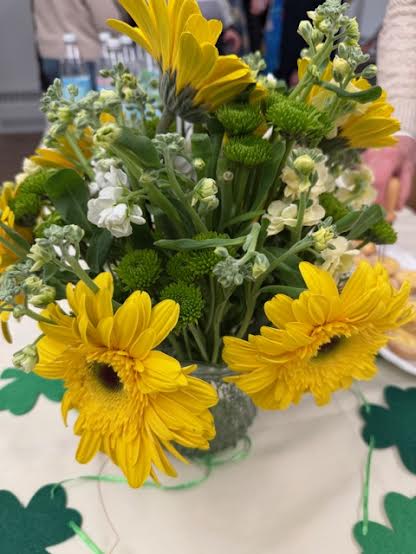
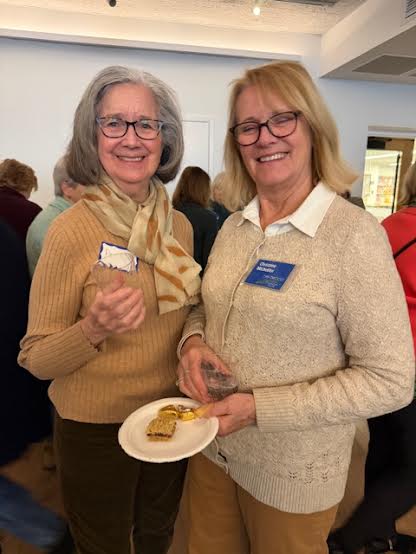
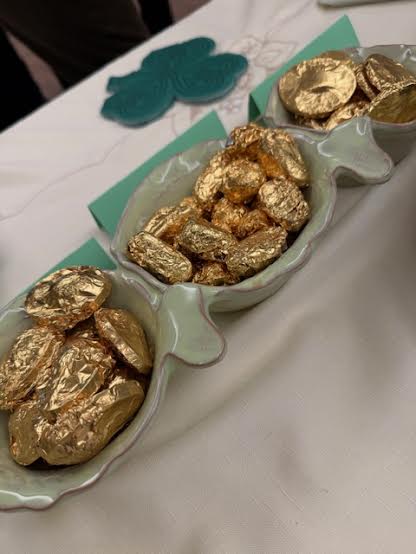
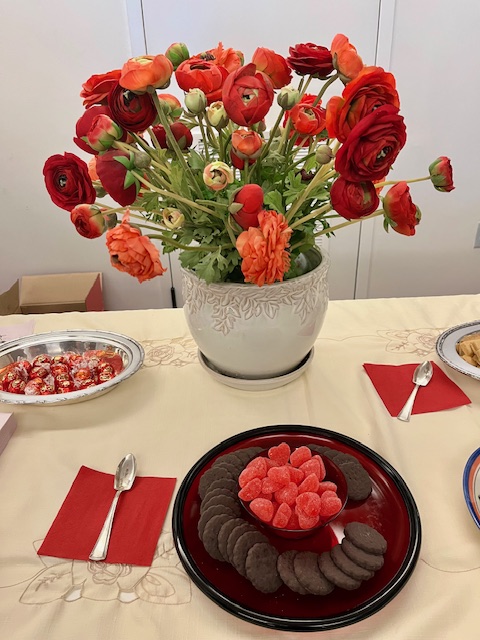
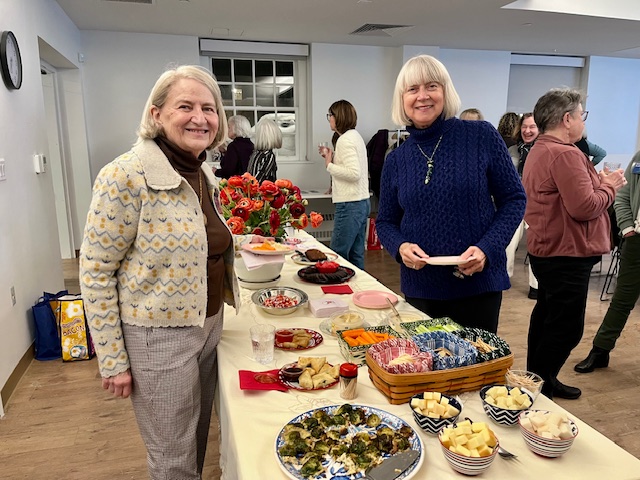
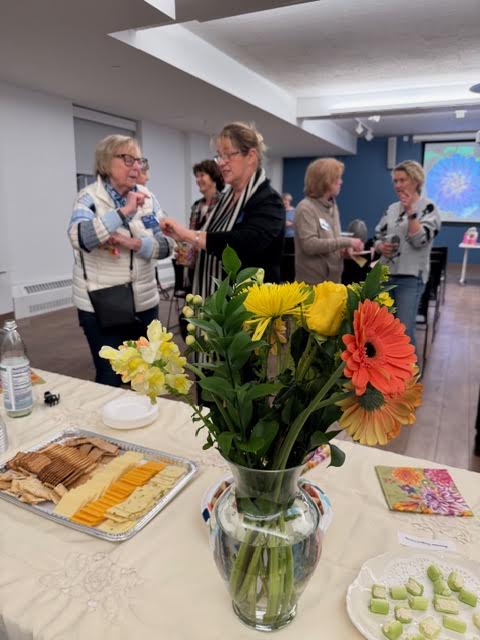
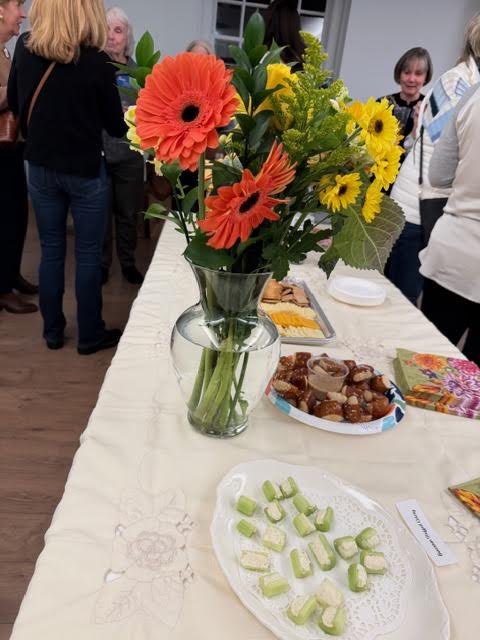
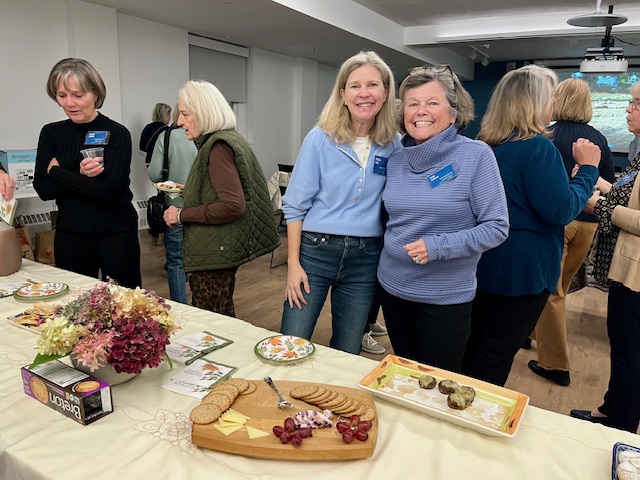
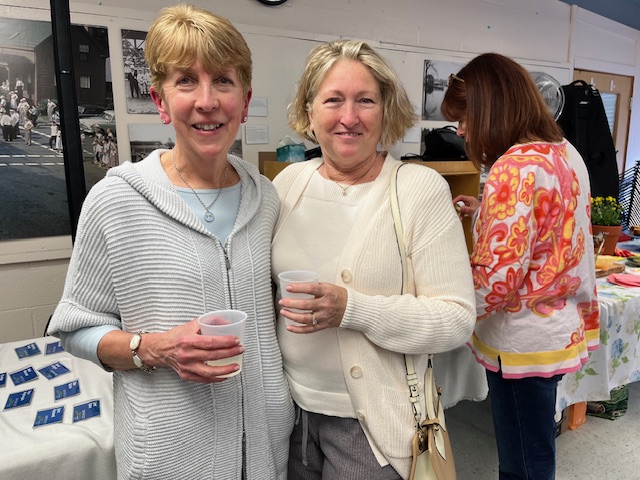
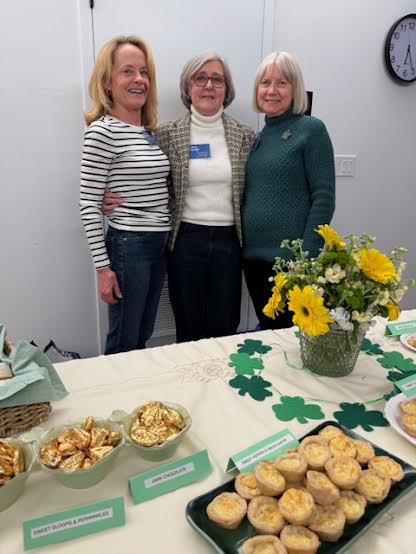
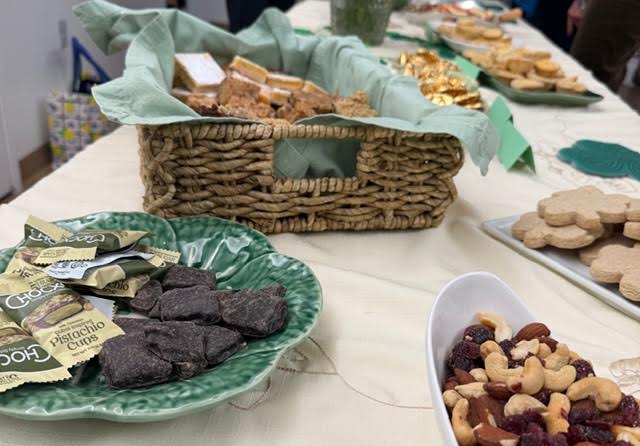
Thank you to our hosts for bringing the luck of the Irish to our table this month! With a bright yellow centerpiece of gerbera daisies, and many delicious snacks, including little pots of gold from Harbor Sweets, we chatted with old friends and new before our program began. I think we all felt spring is just around the corner!
Sally began her program with some history of the explorations in the 19th century to South America and South Africa. Exotic plants were brought back to home countries, and those wealthy enough built greenhouses to sustain the plants. Eventually, these gardens and greenhouses were opened to the public. Examples from this period are The Crystal Palace, Longwood Gardens, and the Isabella Stewart Gardner Museum. In the1800s, public gardens began to emerge as places for people to spend time in nature, surrounded by trees, perennials, and seasonal displays of annual plants. Public gardens also provided year-round jobs for many workers in maintaining the grounds.
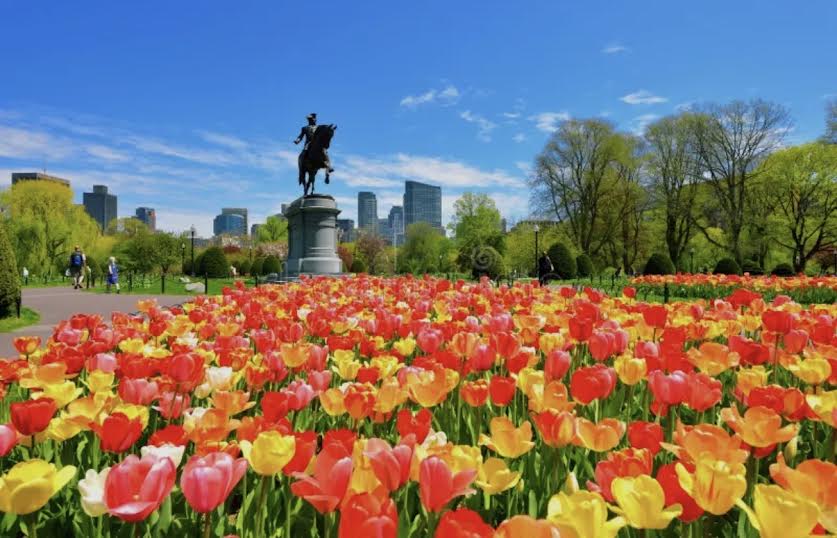
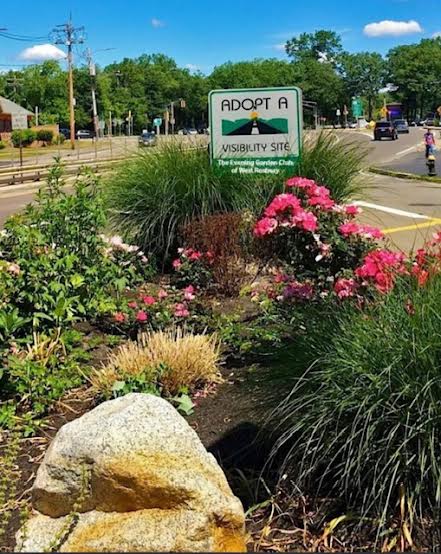
As a landscape designer, Sally developed an interest in overcoming difficult growing conditions such as those in traffic islands. She became a cheerleader for garden clubs that took on the challenge of creating a beautiful spot of living color in the middle of moving traffic and hot pavement. Her advice for success with annuals to those taking on a traffic island or gardeners designing a section of their own garden or a container:

SECRET #1: Supply soil appropriate to the plants, gypsum if the soil is salty, enough water for the plants, and good drainage.

SECRET #2: Include three or four levels of plantings (vary the heights). Some of Sally’s favorites:

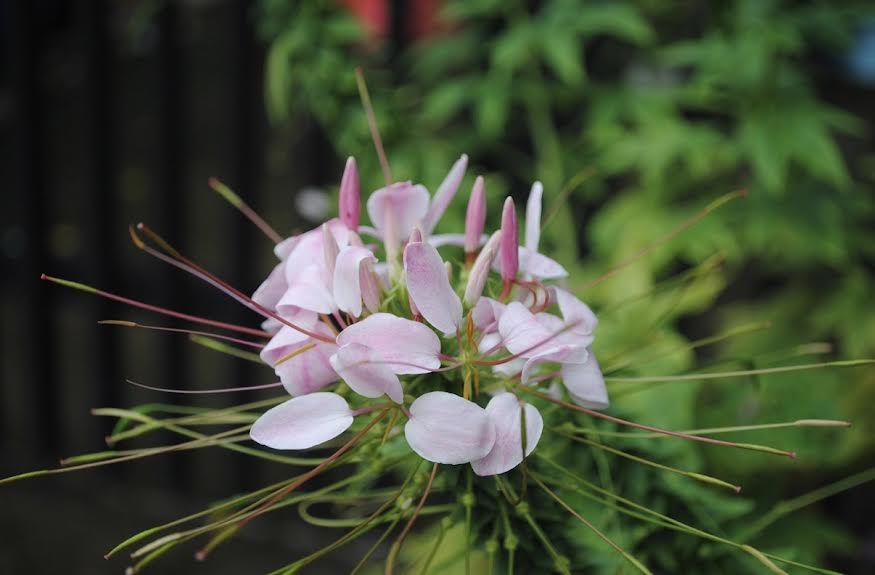
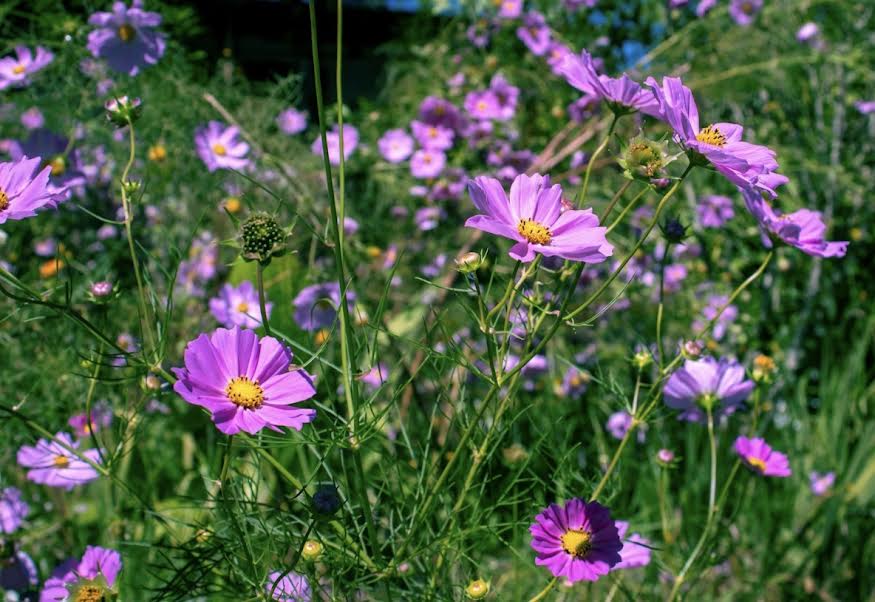
High: cleome, cosmos, verbena, giant zinnias, and grasses.

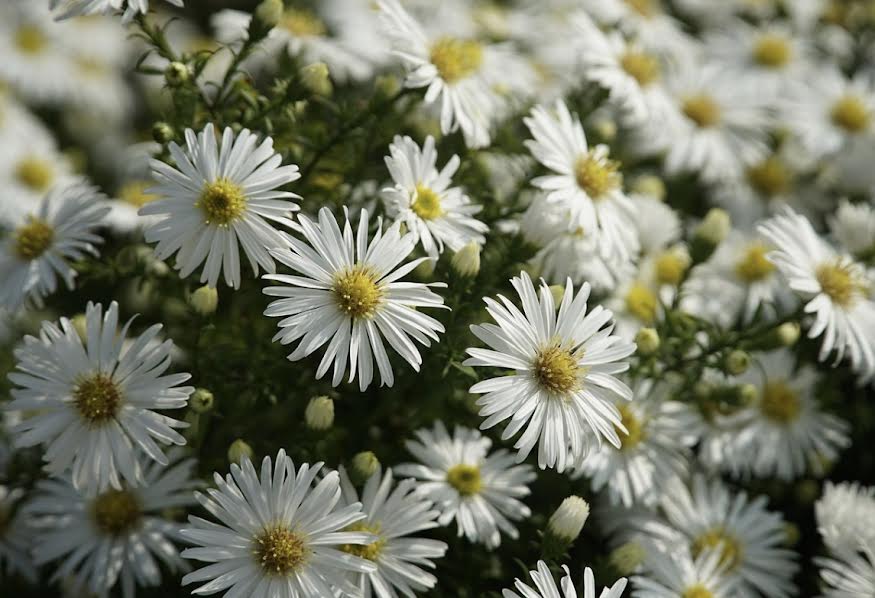
Medium or rounded: asters, chrysanthemums, coleus, lantana, sedum.

Short: ageratum, alyssum, impatiens, lobelia.

Dripping: dichondra Silver Falls, ivy, black or lime sweet potato vine.

 SECRET #3: Acquiring annuals. When acquiring annuals, remember that seeds and six-packs are more affordable than full grown plants.
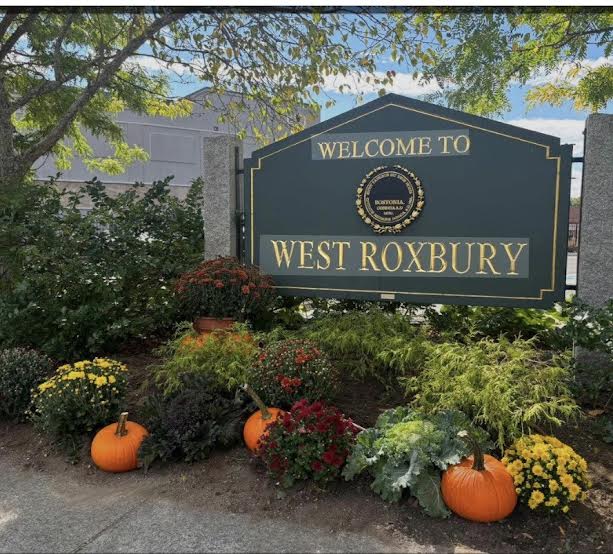
She showed several slides of traffic islands, including one of her own design. She wrote and was awarded a grant from her hometown of West Roxbury to restructure a traffic island which is the first thing people see when entering the town. As a result of this project, she was named Volunteer of the Year by West Roxbury Main Streets.
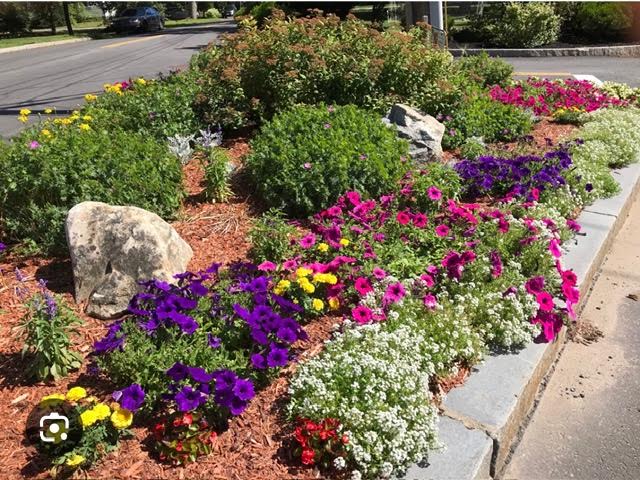
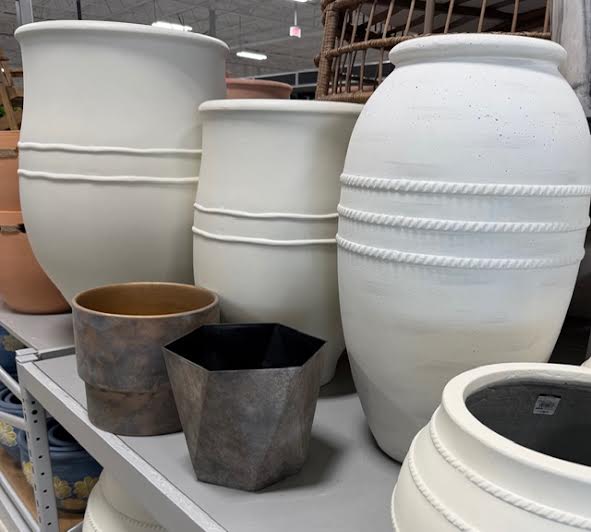
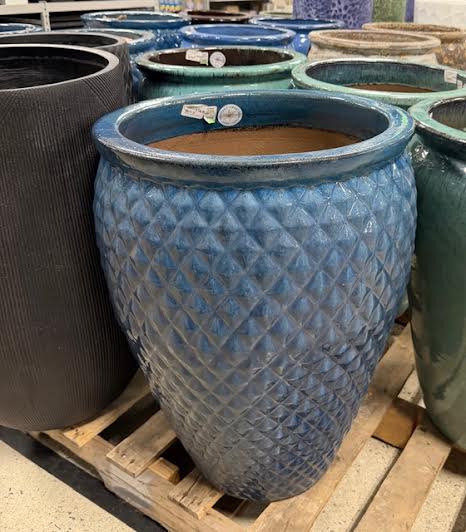
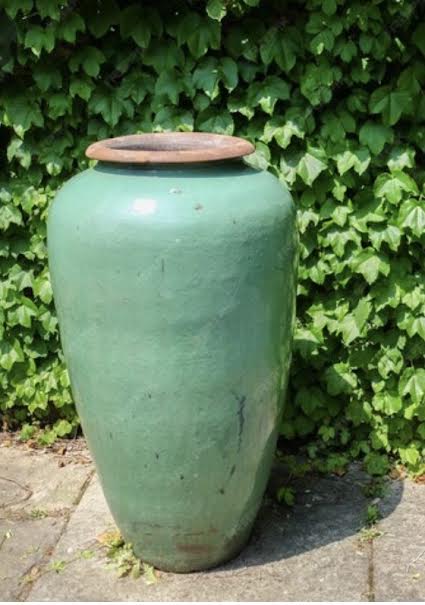
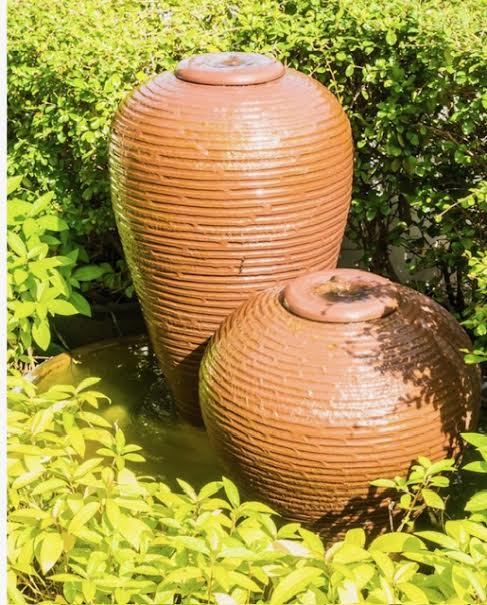
In our own gardens, we can use annuals to add color to different areas, to try something new, or even create an inexpensive rough draft for a future perennial garden by using annuals. And, of course, using planters and pots, whether beautiful handmade ceramic, or lightweight fiberglass that look like concrete, can be welcome additions to our gardens, patios and doorways. Sally’s suggestion was to browse catalogs, make lists of what looks interesting, think of colors that you would like in your garden, heights of the annual, the soil conditions it grows best in, and the plant’s needs for light — then just begin!
Uncategorized

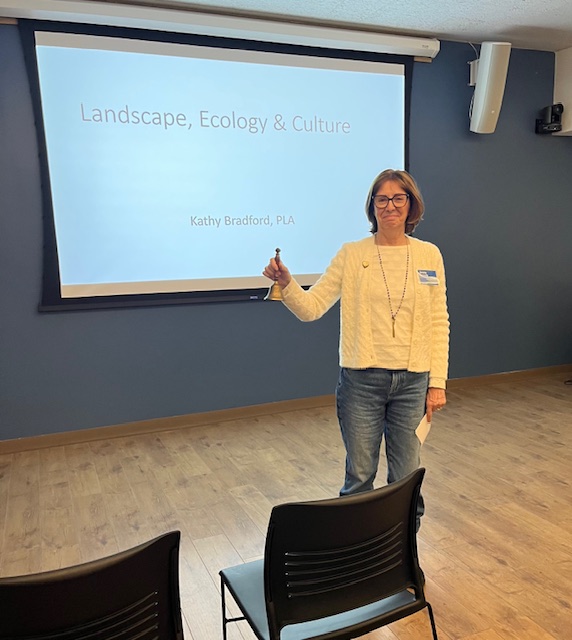
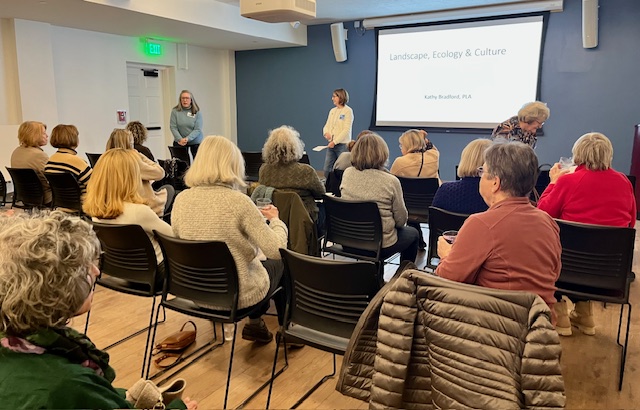
Landscape, Ecology, and Culture!
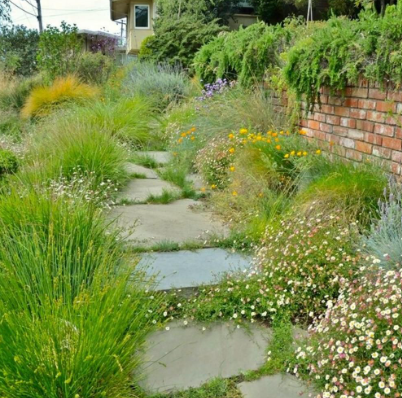
On an icy winter night, members of the Driftwood Garden Club were treated to an information-filled presentation by Kathy Bradford, principal of Bradford Design Associates. Kathy, also a past-president and long-time member of Driftwood Garden Club, follows an ecologic and science-based approach in her landscape designs. She strives for natural landscapes that provide habitat for wildlife, insect pollinators, and other beneficial creatures.

Benefits of Ecological Design:

  • Resilient plantings thrive with minimum care.
  • Provide environment for animals, birds, and insects.
  • Relates and compliments the environment around location.
  • Complex system modeled after nature, not a duplicate of wild nature.

We learned that Ecological Design is a holistic approach that minimizes negative impacts by optimizing long-term environmental health.

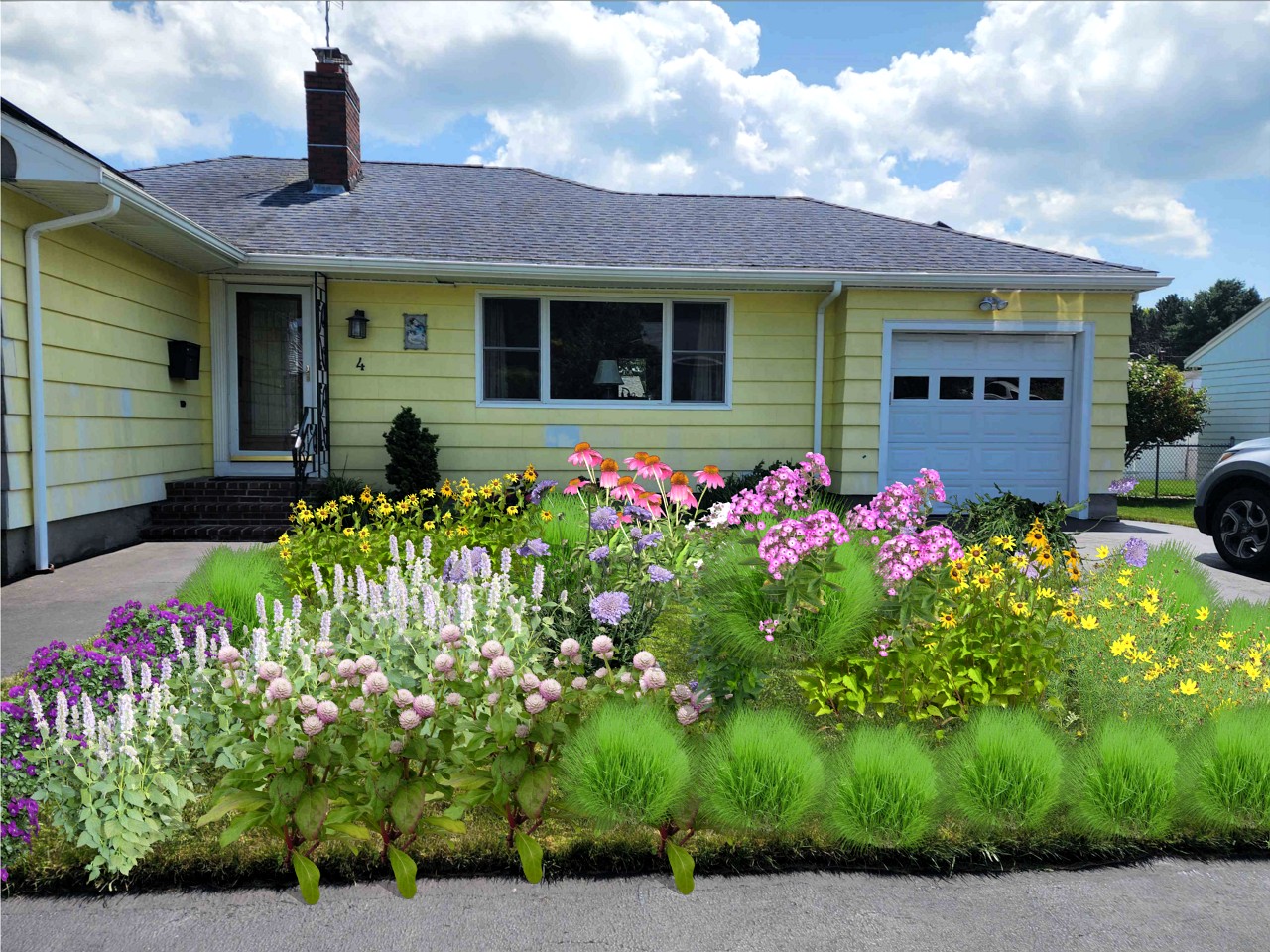
Ms. Bradford is a proponent of plant diversity for stability and resilience. She encourages minimizing lawn areas which require water, chemicals, and weekly mowing to keep them green and healthy.

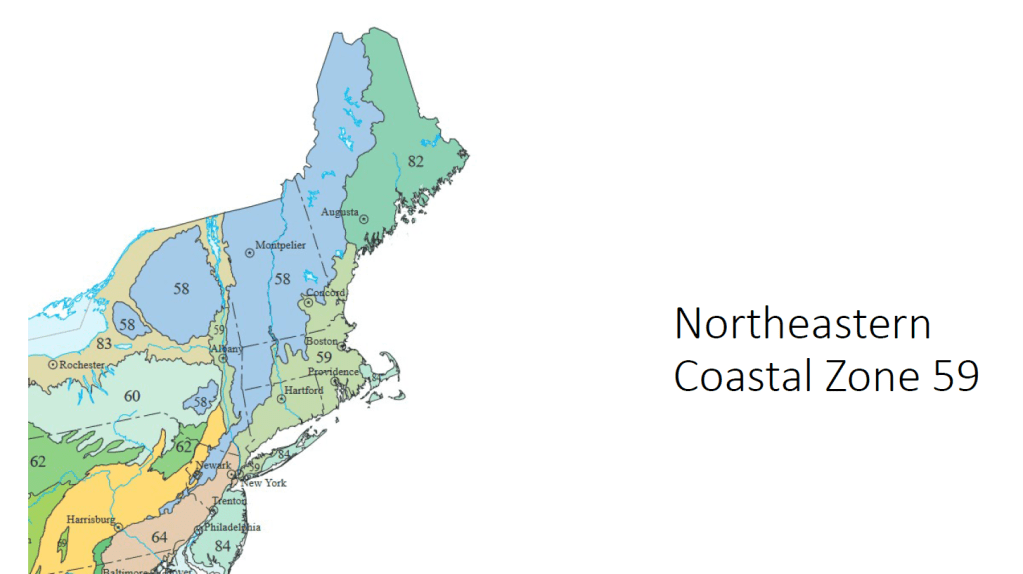
Driftwood Garden Club members plant in Ecoregion 59, known as the Northeastern Coastal Zone, which spans parts of Rhode Island, Connecticut, Massachusetts, and southern Maine and New Hampshire. This region is characterized by nutrient-poor soils, oak-pine forests, and continental glacial lakes. The terrain consists of irregular plains and high hills, with a humid continental climate that features warm summers and severe winters.

Companion plants in our Northeastern Coastal Zone 59 Ecoregion

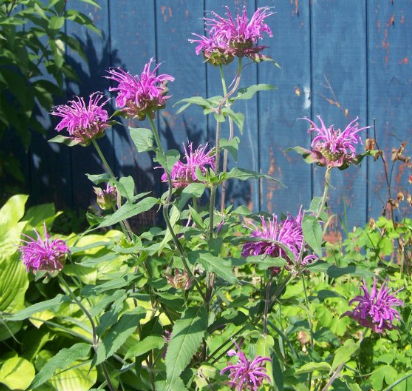
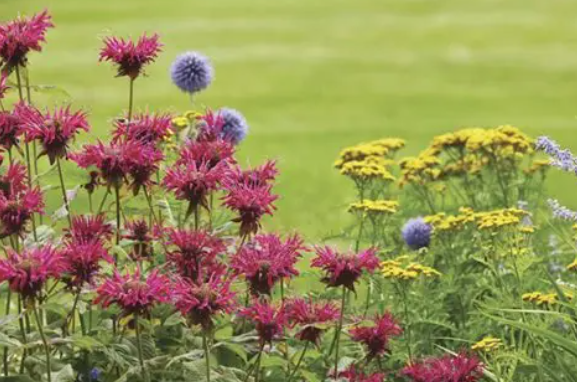
  • Bee Balm: highly attractive to bees, butterflies, and hummingbirds.
  • Yarrow: a ‘bee magnet’ that attracts predatory wasps.
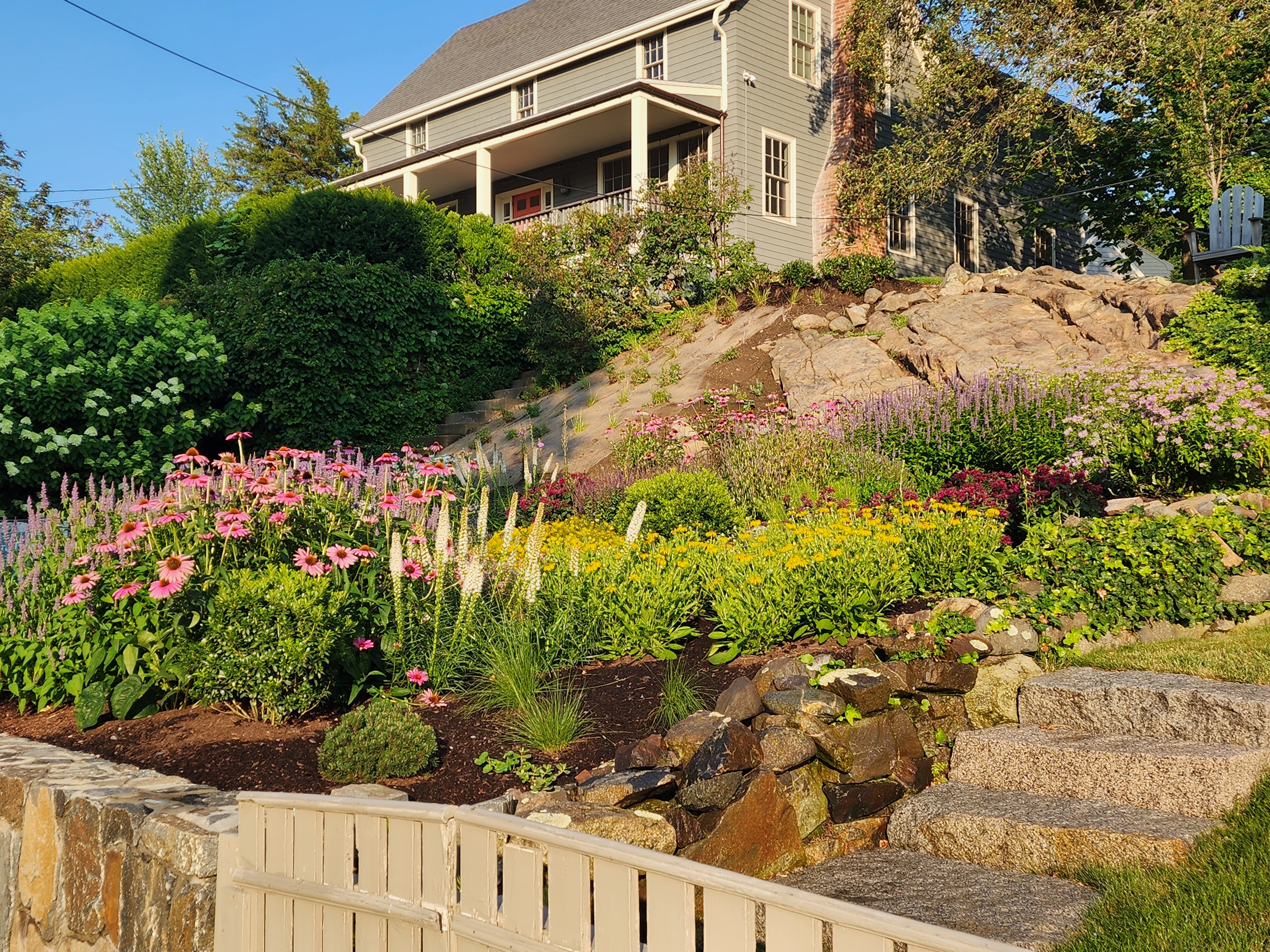
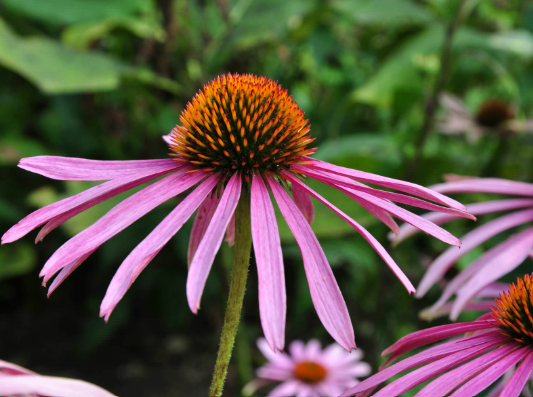
  • Purple Coneflower: excellent for attracting butterflies and bees.
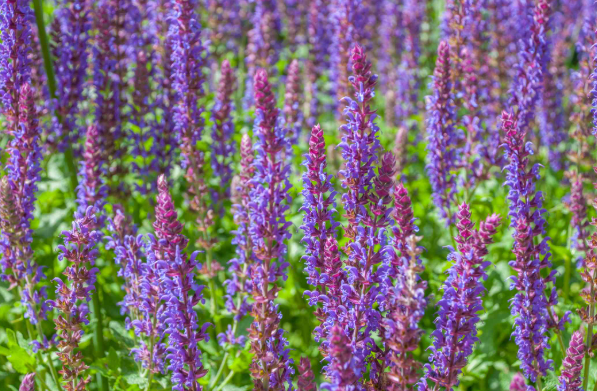
  • Salvia: a strong pollinator attractant that deters deer and rabbits.
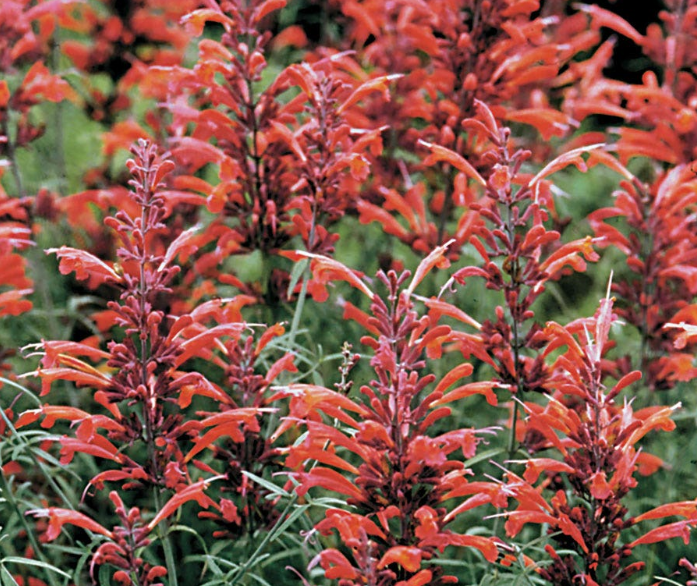
  • Hyssop: lures beneficial insects and pollinators, particularly hummingbirds.
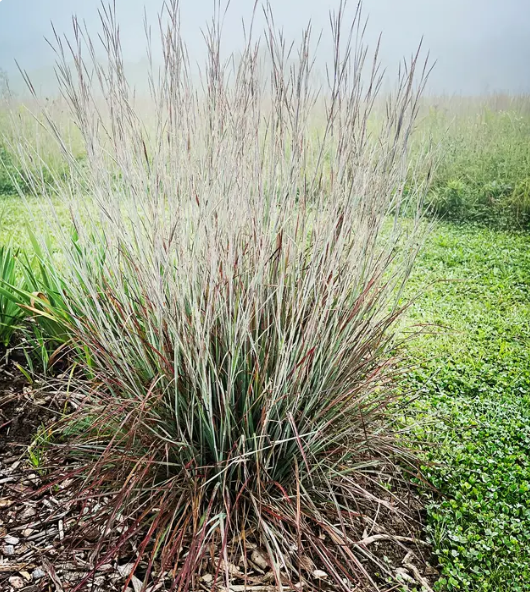
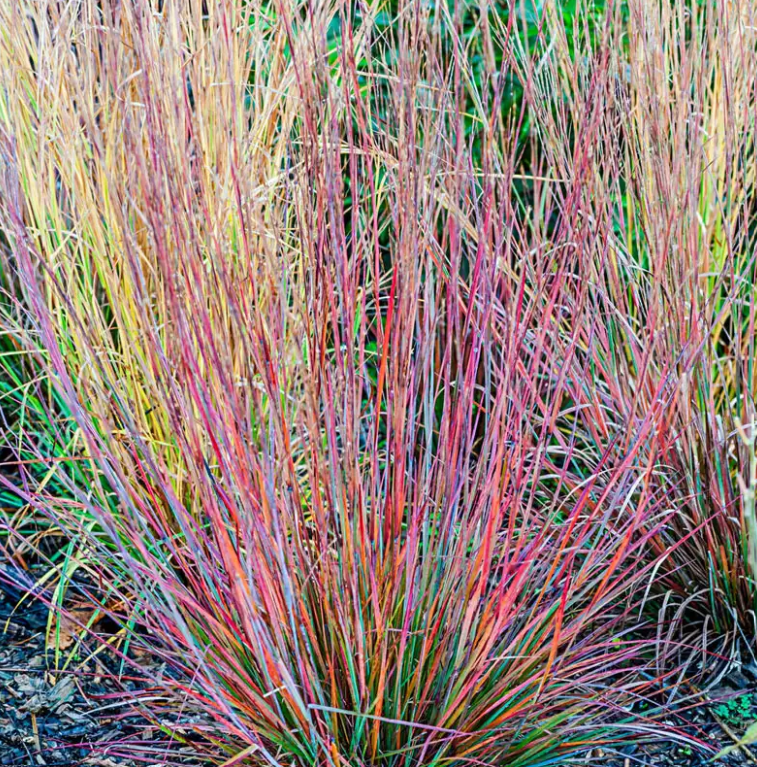
  • Upright Little Bluestem: provides food for birds in the fall and winter.

Ecological Approach: **Right Plant, Right Place**

  • Select plants according to USDA Ecoregion maps to ensure plants will thrive in chosen location.
  • Select plants based on their mature size and proposed location to reduce pruning and maintenance.
  • Consider the microclimate – amount of sun/shade, salt air, groundwater.
  • Consider deer and rabbit resistance.

Thanks to our speaker Kathy Bradford and all members who attended. This meeting was inspirational as well as informative as we look forward to planning our spring gardening projects.

Notes on Landscape, Ecology, and Culture

Uncategorized

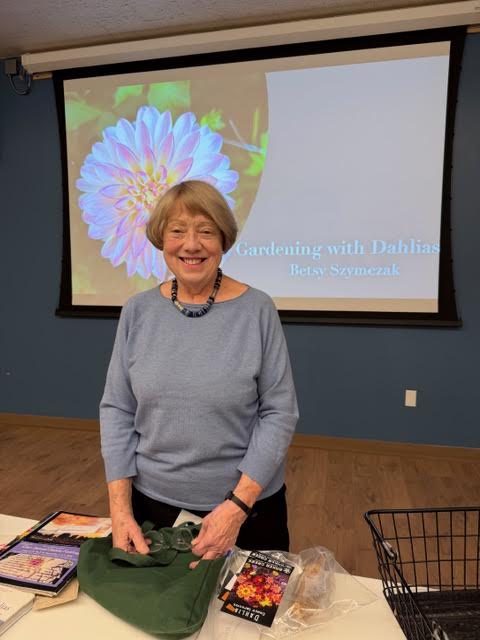
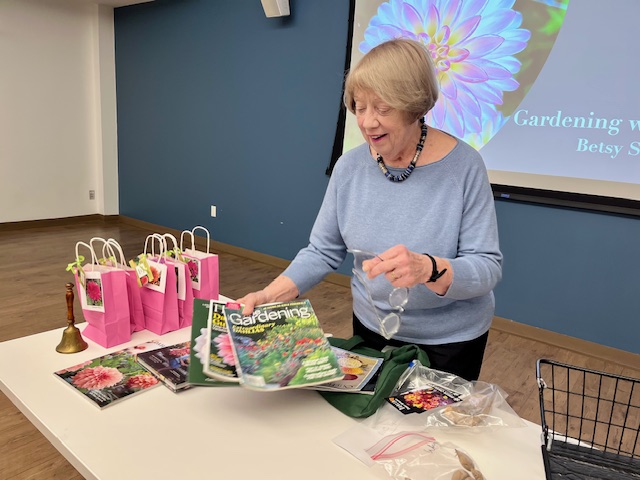
Gardening with Dahlias.

If you can grow tomatoes, you can grow dahlias. Betsy Szymczak

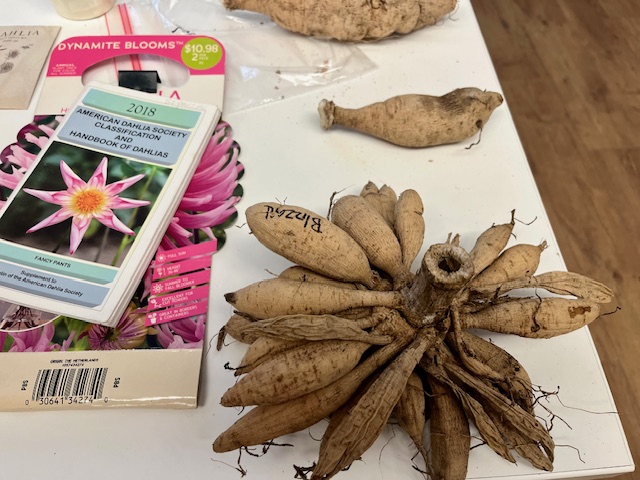
The above quote is from our guest speaker, Betsy Szymczak, who is not only passionate about growing dahlias, but also passionate about educating and encouraging other gardeners to grow these magnificent flowers. Growing dahlias seems a bit tricky for most of us: planting at the correct time, patiently waiting for the blooms, digging up the tubers in the fall, and carefully storing them for the winter. It takes a little work, but by the end of the evening, Betsy made everything sound easy and very much worth the effort.

Thank you once again to our wonderful hosts who set a beautiful table and supplied us with tasty treats. This social hour lets us reconnect with old friends and introduce ourselves to new members before our program begins.

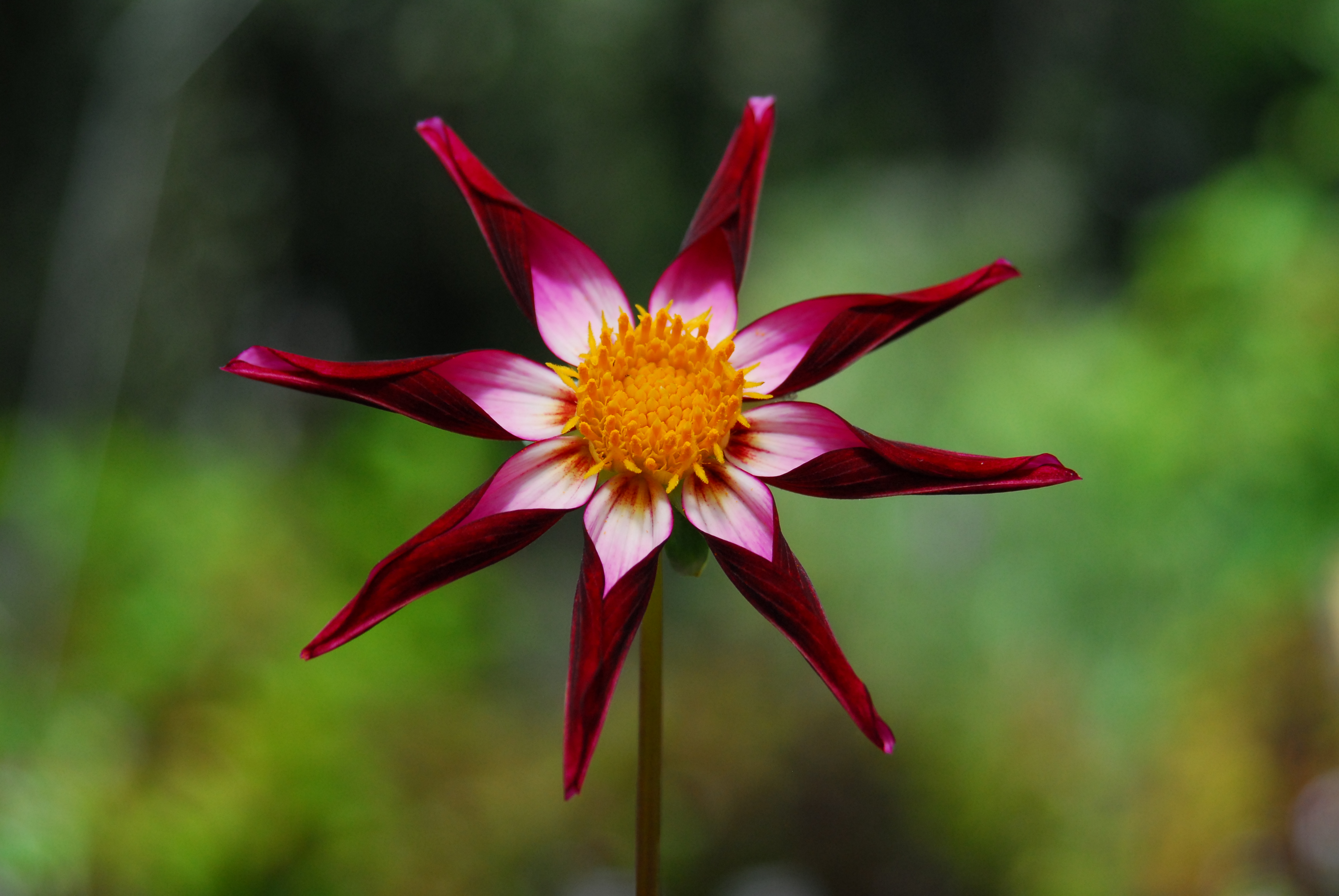
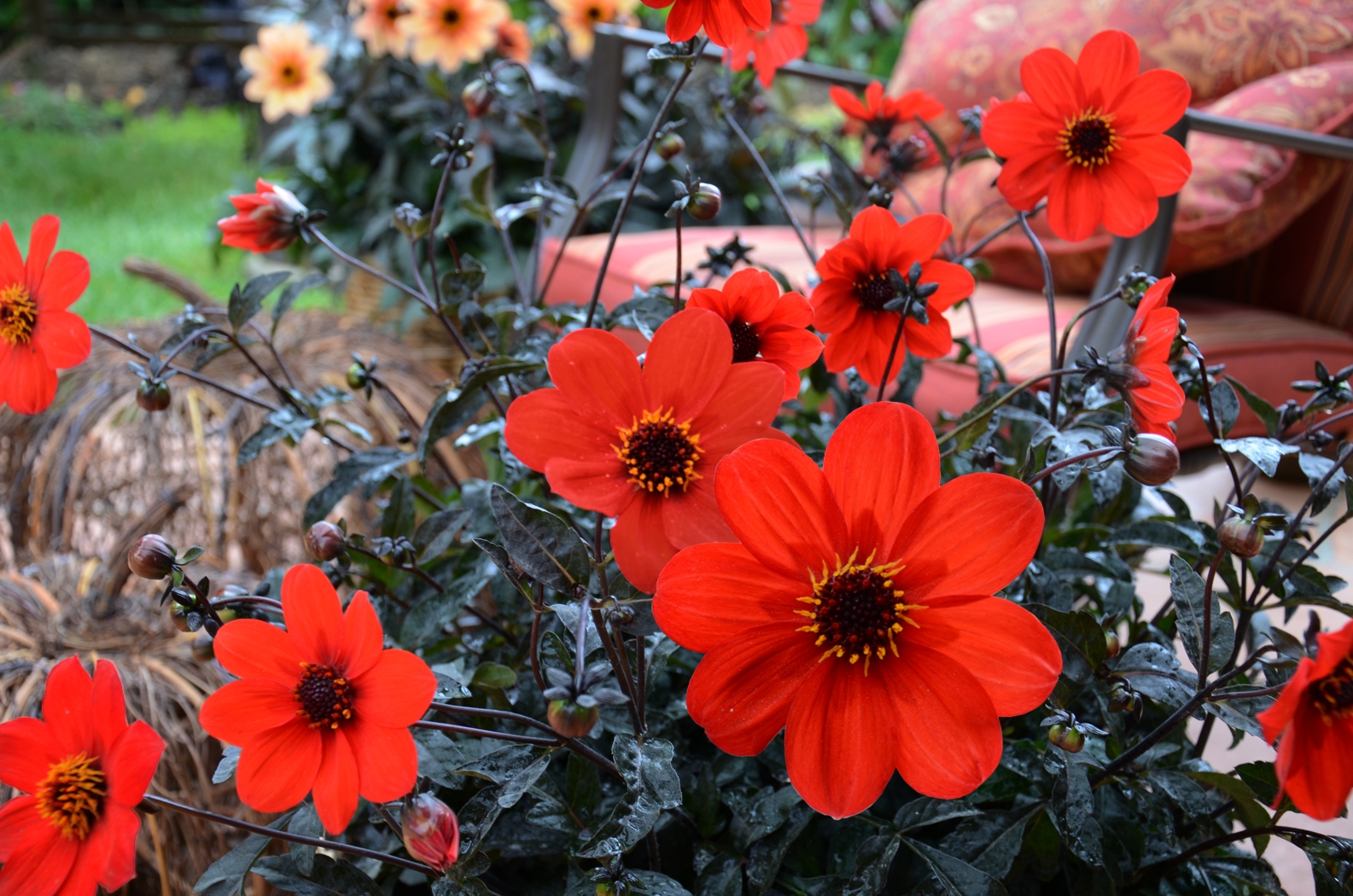
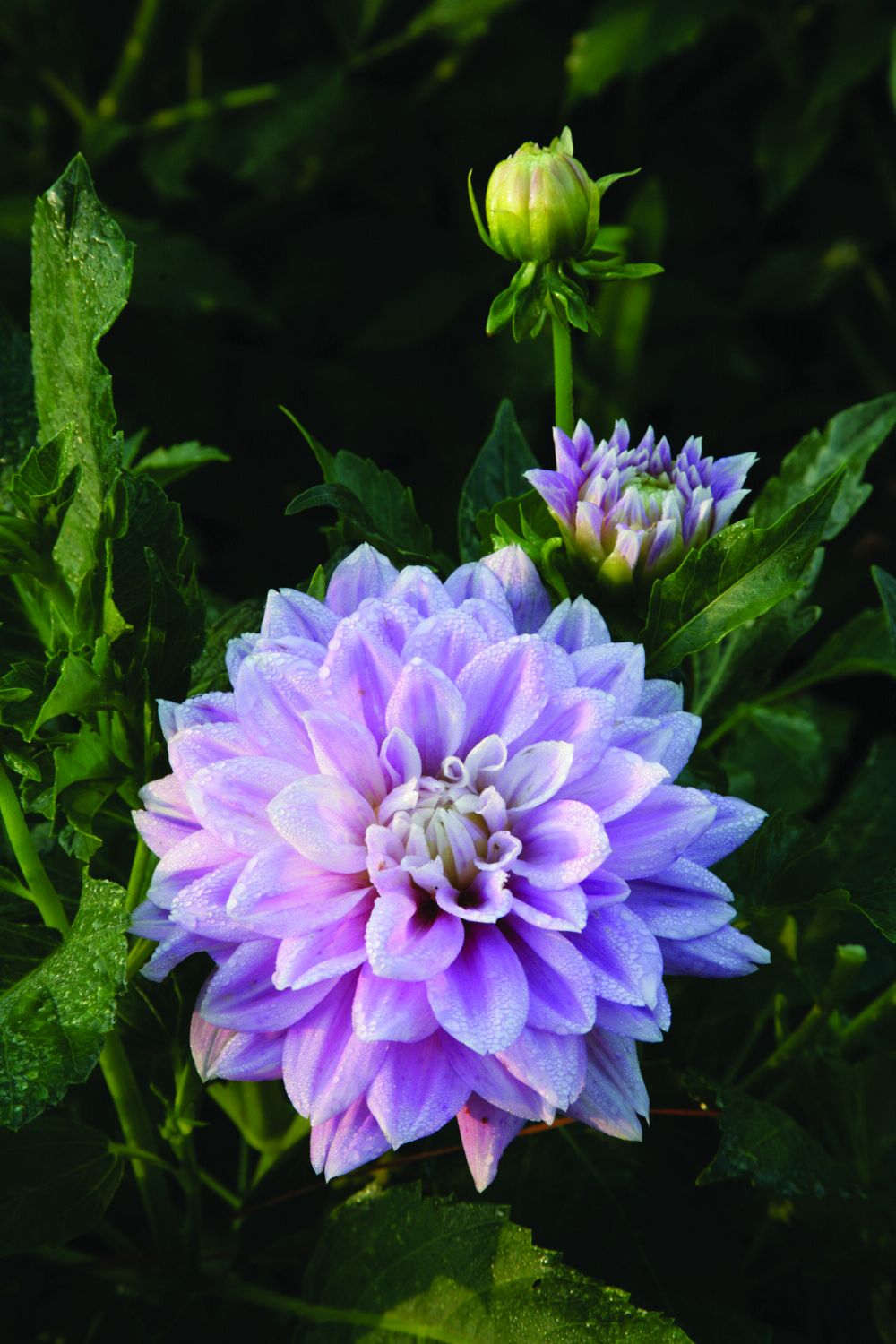
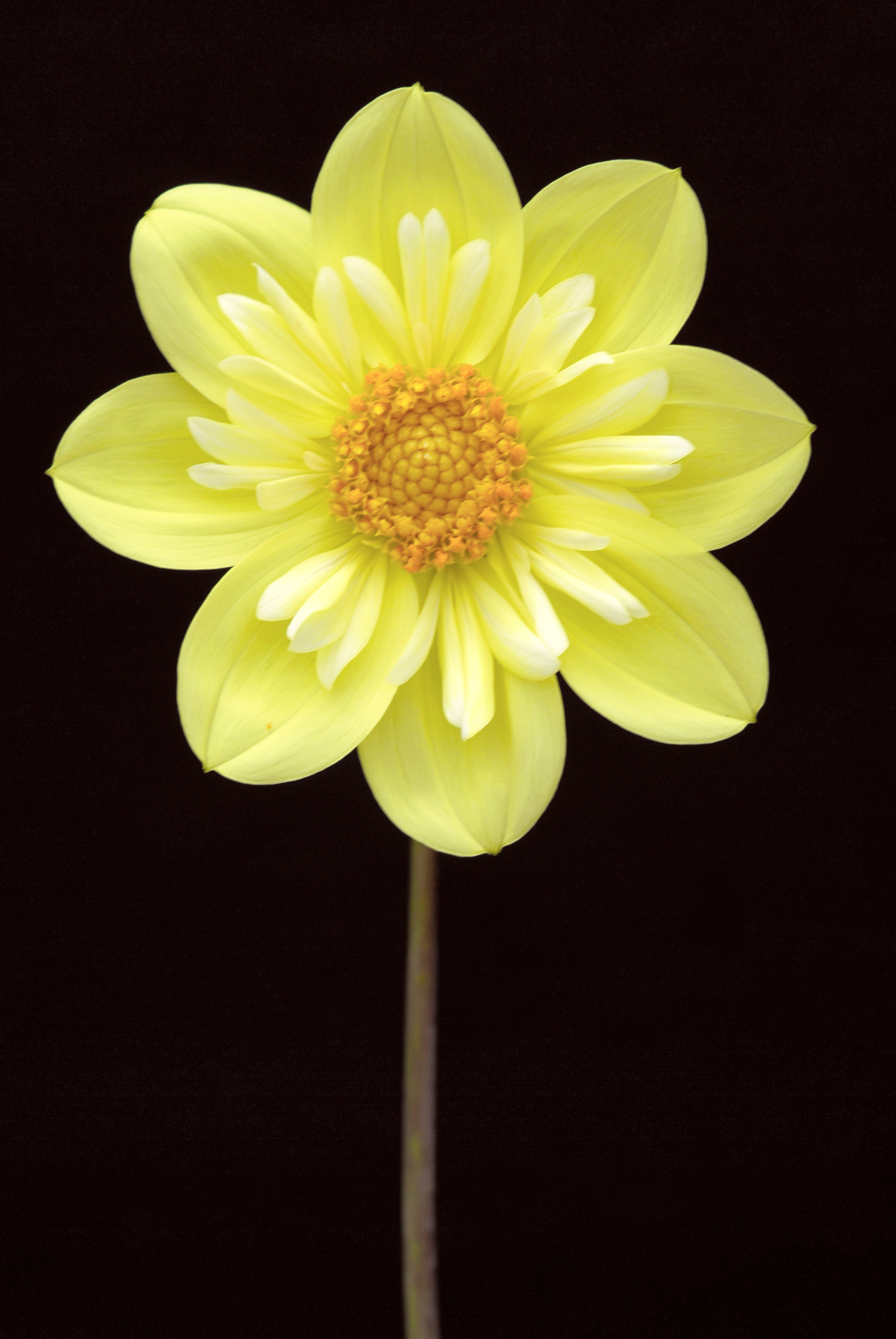
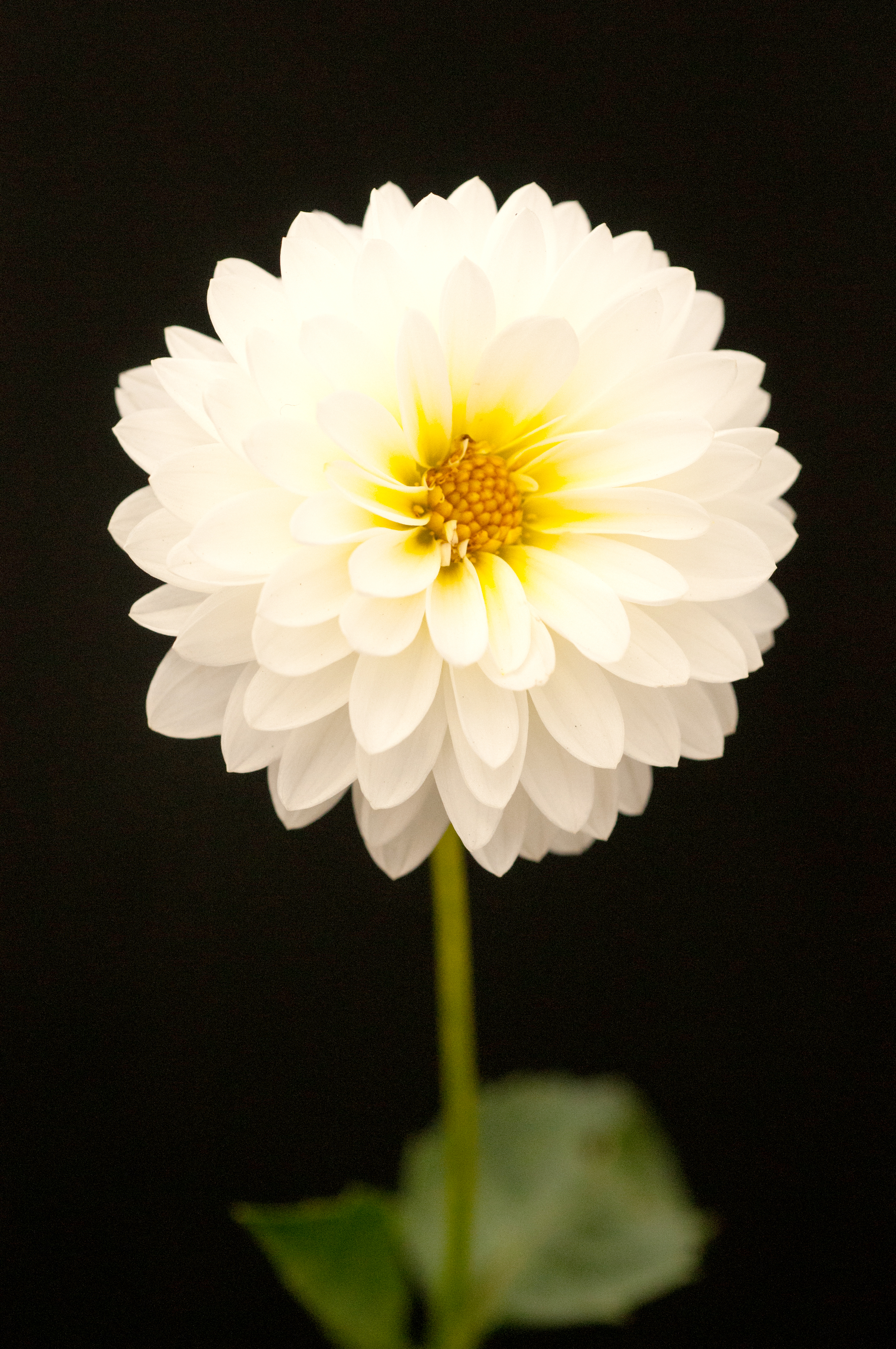
Betsy began her talk with a bit of history and description of dahlias. The dahlia is native to Mexico and is Mexico’s national flower. Although dahlias are not native to our area, they do attract pollinators and that is one reason there may be so many varieties of dahlias. The basic dahlia has eight petals, with either an open center or a closed center. Between humans hybridizing and bees pollinating, there are now about 55,000 varieties of dahlias. One of the many striking characteristics of dahlias, of course, is the vibrant color of each variety. Comparing the colors to the Pantone Color of the year, Betsy showed us pictures of dahlias in Living Coral, Illuminating Yellow, Vivid Magenta, Peach Fuzz, Mocha Mousse and Cloud Dancer (white!).

Most gardeners know that dahlias grow from tubers which store their food and energy. The tuber should have three parts (the tuber, the neck and the crown) in order to grow. Dahlia tubers should not be planted in the ground until the ground reaches 60 degrees. The soil should be well-drained, in an open sunny location (six hours of sun, afternoon shade), and slightly acidic. Plant the tuber 4-6” deep with eyes up. Cover with soil and do not water directly after planting. Wait until after the sprouts have appeared. After the dahlias are established, water with a soaker hose two to three times a week. You will be rewarded well into October for all of your careful tending with magnificent dahlia blooms to use for arrangements or just to enjoy in your garden. About two weeks after a killing frost, the plants will turn brown. Tubers dug too early are still “green” and will not store. Wash dirt from the roots, and allow to air dry 24 hours. Mark your tubers with their name and color and store in plastic or cardboard boxes and vermiculite. Store in a cool dry area (40-50 degrees) until spring.

Betsy left us information for web resources, how and where to purchase dahlia tubers, and contact information for dahlia societies. If you become a real dahlia connoisseur, there is also this website: www.dahliaaddict.com. Good luck and happy gardening!

NEW TO OUR MONTHLY PROGRAMS:

There are two new additions to the DGC monthly program meetings:

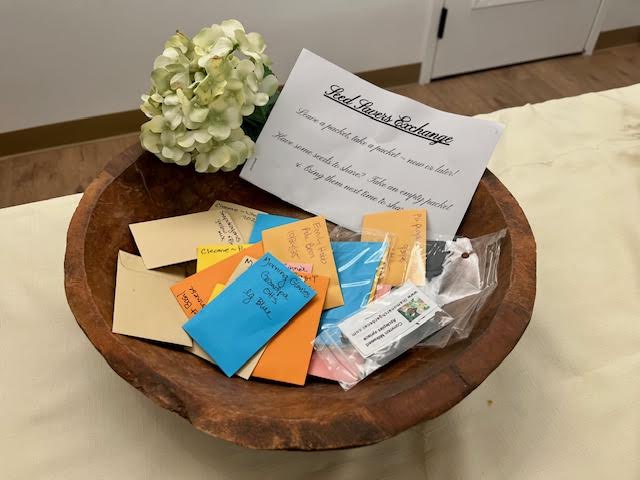
— A seed sharing program. Bring seeds to exchange with other members each month

–Donations to the food banks of Marblehead and Swampscott

Uncategorized

Goldthwait Reservation in Marblehead!

Members of the Driftwood Garden Club recently attended an interesting and educational presentation on the Goldthwait Reservation in Marblehead. DGC member & Goldthwait Board of Director member Brigitte Fortin, along with Geoffrey Lubbock, Trustee & Director Fiona Lubbock, and Vice President Tim Geraghty presented a fascinating overview on the history, present challenges, and future direction of the private, non-profit land trust.

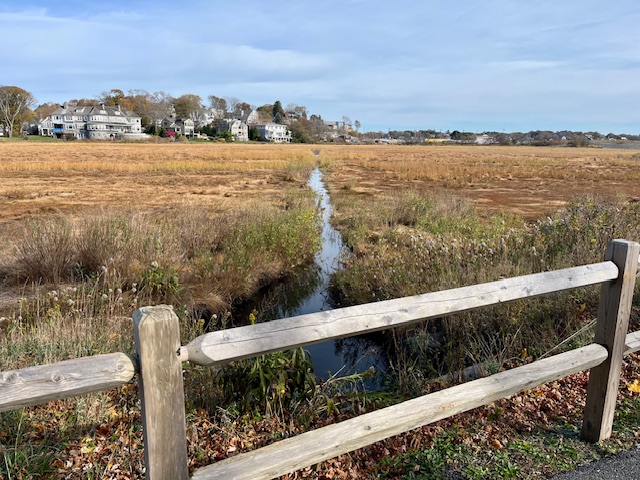
The Goldthwait Reservation was established in 1947 when Dr. Joel Goldthwait, a world-renowned orthopedic surgeon, took action to preserve the 12-acre land and salt marsh rather than develop the property. As a registered 501(c)3 organization, the reservation is not subsidized or maintained by the Town of Marblehead and relies on dedicated local volunteers, fundraising events, and donors to support the property. Today the property is maintained by these hard-working volunteer teams and supplemented by environmental professionals as needed.

A perpetual problem is dealing with the invasive growth of Japanese knotweed and phragmite reeds which choke out the canal system necessary for proper salt-water flow and block sunlight from beneficial native plants. The invasive plants spread quickly by underground rhizomes and are painstakingly removed by hand. This annual maintenance encourages the health of the salt marsh and reduces the fire hazard to nearby residences.

Flood tides from storms and the fresh water introduced from storm drains disrupt the delicate ecology of the wetland. Infiltration of fresh water dilutes the saline conditions of the marsh and allows non-native invasives plant species to spread.

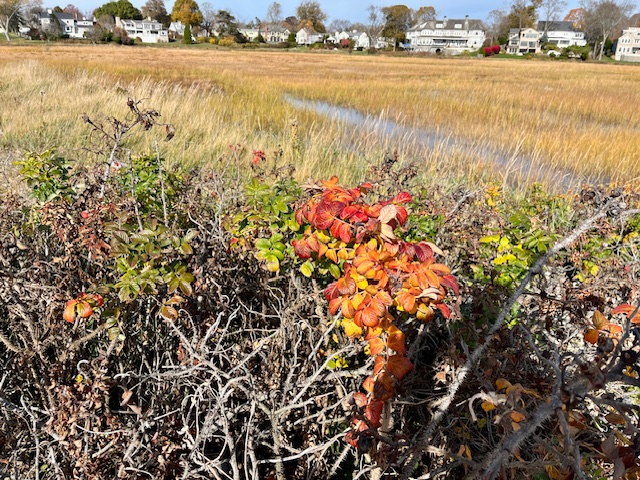
Goldthwait Reservation Trustees have intentionally and carefully introduced native shrubs, grasses and perennials to protect the resources of the salt marsh. They have created some buffer meadows to protect the marsh from storms and provide habitat and food resources for wildlife. Blueberry bushes, serviceberries, rosa rugosa, and native beach plums are planted along the fire-pit gathering area for members to enjoy.

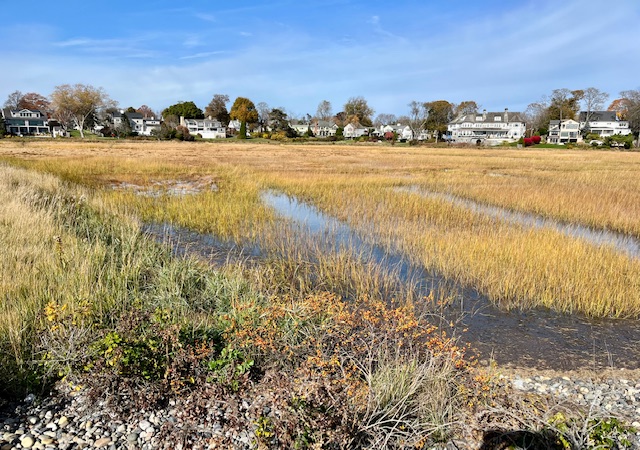
Goldthwait Reservation has a beautiful beach which has sandy tidal flats at low tide. The cobble dune acts as a barrier and protects the salt marsh from storm surges. A well-constructed boardwalk provides access over the rocks to the beach below.

Many thanks to the presenters from the Goldthwait Reservation. We are grateful for their dedication and ongoing support of this gem of coastal property in Marblehead!

Uncategorized

The Arnold Arboretum of Harvard University.

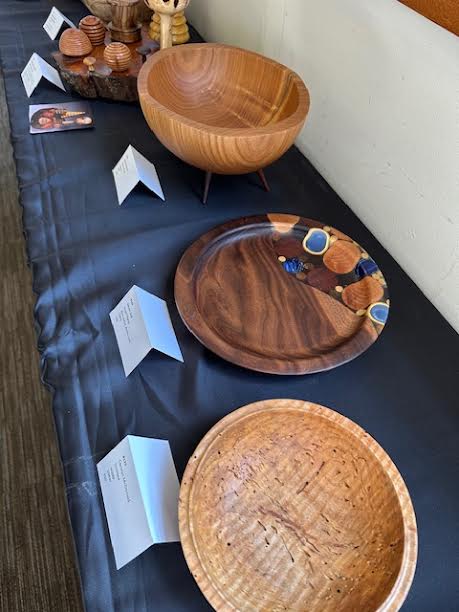
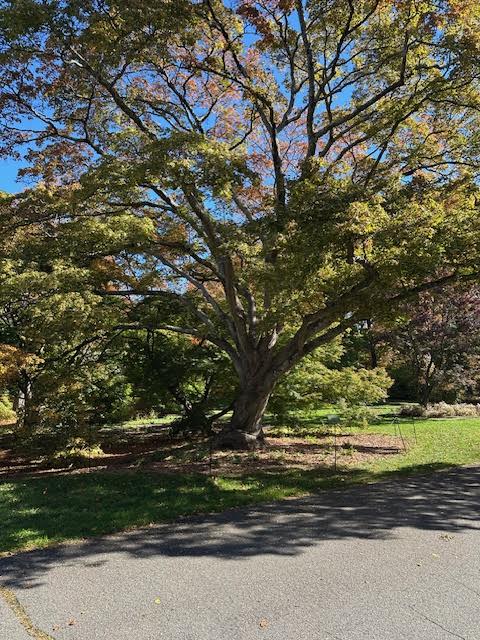
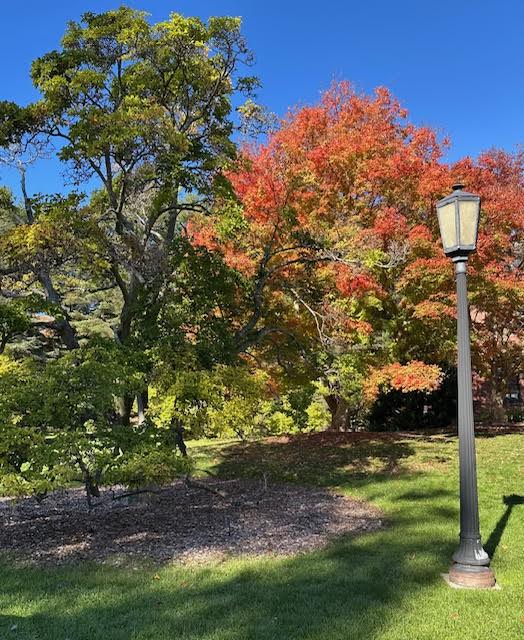
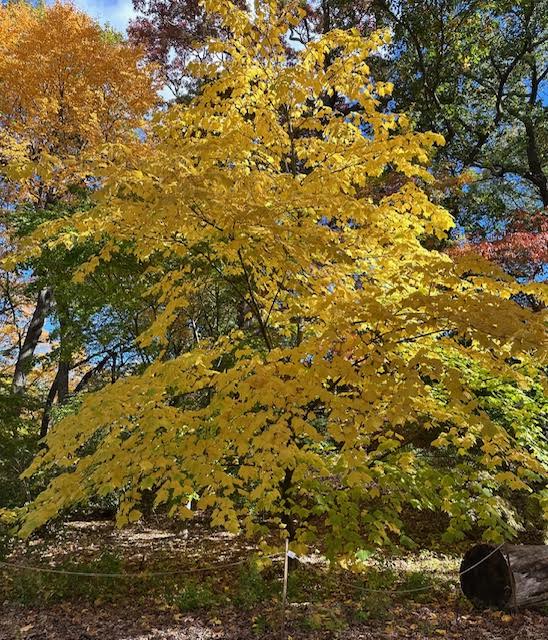
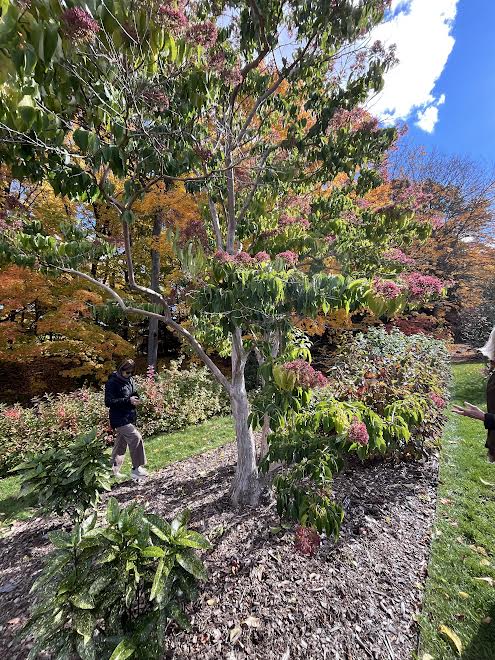
It was a perfect fall day for members of the Driftwood Garden Club to embark on a field trip. Our destination: The Arnold Arboretum in the Jamaica Plain neighborhood of Boston. The air was crisp, the sun was shining, and the leaves on the trees had turned beautiful shades of yellow, gold, orange, and red. While waiting for our group to assemble, we viewed a wood turners’ exhibit inside the Hunnewell Visitor Center. Some of the wood bowls exhibited were turned from wood that had come from trees within the Arboretum. We learned that each year around 400 trees are removed from the collection due to disease, damage, or managing the collection with a goal of creating opportunities for new plants to be introduced. If possible, that wood is repurposed in several different ways.

We met our very knowledgeable and friendly guide, Brad, outside of the building to begin our walking tour of the trees. He first gave us a little history of the Arboretum. It began in the mid-1800’s when two men made gifts to Harvard College: Benjamin Bussey, a wealthy Boston merchant, left land (about 300 acres) to the school in 1842; and James Arnold, a New Bedford whaling merchant, left a financial bequest ($100,000) in 1868 with the purpose of creating a public arboretum. Together, The Arnold Arboretum was founded in March 1872. The first director was Charles Sprague Sargent who partnered with Frederick Law Olmsted on the landscape layout. The two men formed a partnership with the city of Boston: Harvard gave the land to the city and then leased it back for $1/year, on a thousand year lease, with a renewal option. The Arnold Arboretum was born, and with that knowledge, we were ready to see some trees!

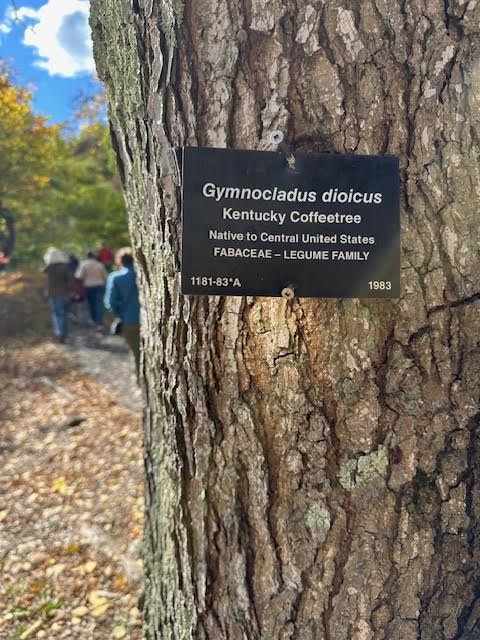
Brad explained that, just like an art museum that has rooms with particular periods of art, the arboretum is organized by types of trees. We saw linden trees, cork trees, tulip trees, and horse chestnuts, stopping along the way so Brad could tell us about a particular tree. He was a wealth of knowledge! There are over 16,000 plants (trees, vines and shrubs) within the arboretum. The Arboretum’s mission is to cultivate and care for all of the woody plants that can survive in Boston’s climate, so these are not just native trees. Some plants come from right around the corner (Mr. Sargent, the first director, took a red maple from his neighbor’s yard to plant here); and some plants come from around the world. Remember that The Arnold Arboretum, as part of Harvard University, is also a research institution, and the arboretum itself is a laboratory for students and professors alike. Each tree in the Arboretum has a tag with its common and scientific names, family, and origin, and we found ourselves stopping to investigate various name tags.

Many people who visit the Arboretum come especially for Lilac Sunday, that time in May when the lilacs are in full bloom and their scent fills the air. It is one of the busiest times at the Arboretum. Brad informed us that, although it was a beautiful event at the Arboretum, he was really not a fan of lilacs. Why? He thought that the flower did not give enough bang for the buck; it had a very short bloom time, and there were other plants that did a better job, if a longer bloom is what you wanted.

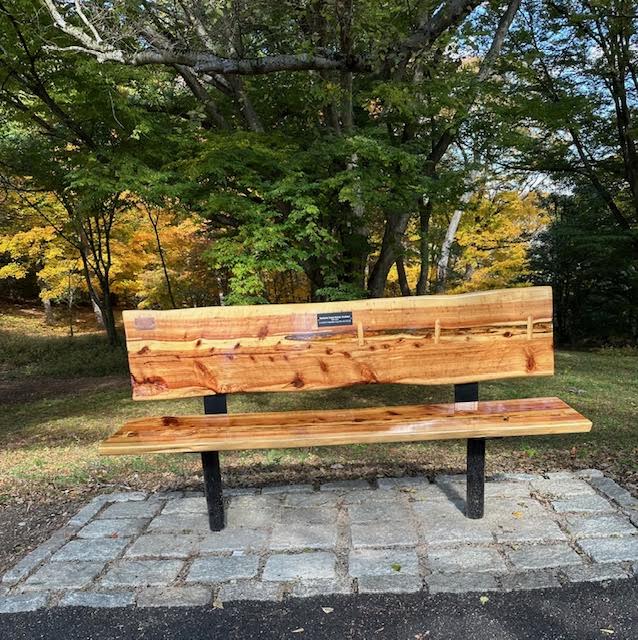
As we made our way along the lilacs path, we stopped to admire a backdrop of golden leaves behind a wooden bench. We asked to stop for a photo op, and of course, Brad obliged by taking our group picture. The bench was made of wood from a tree that had been taken down and repurposed, and there was a dedication and name on the bench. Brad explained that for $1,000 a year, you could buy a bench in honor or memory of someone. At the end of 10 years (that’s $10,000), you could renew your bench. We all had the same thought: “What a great idea!”

Returning to our starting point, a park ranger on horseback passed us on his patrol around the arboretum. We thanked Brad for a wonderful and information-filled tour and headed to our next destination: lunch!

Uncategorized

Plant Sale Proceeds Help Fund Renovated Library Landscape!

The Driftwood Garden Club of Marblehead’s most recent meeting was all about getting ready for the Annual Plant Sale to be held at the Masonic Hall on Saturday, May 11, 2024. It is no small feat to organize a successful sale and many members on several committees were thanked for their contributions.

The Plant Sale on 5/11 is Driftwood’s sole fundraiser. As a club with civic responsibilities, the DGC supports and maintains the landscapes at the Abbot Public Library as well as Farrell Court in Marblehead. Renovations at the library at 235 Pleasant Street are on schedule to be completed in June.

The Driftwood Garden Club is proud to financially contribute to the landscape design, and we hope for a successful plant sale to raise funds to support this effort.

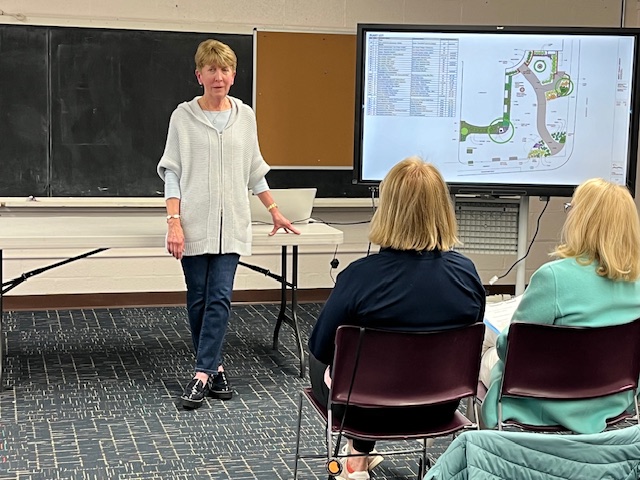
Kudos to Kathy Bradford of Bradford Design Associates for creating the fabulous landscape plan for the renovated library. According to Kathy, “The design responds to the building architecture and the desire for resiliency. We need gardens that can adjust to the effects of climate change. A resilient garden is a garden that will thrive in spite of changing weather patterns. Drought tolerant and native plants are used in many locations to reduce water consumption. Plants adjacent to the building are traditional and architectural in style and placement. The beds located away from the building are looser, more contemporary, more native, and designed to attract pollinators. Flowering shrubs, perennials, and spring bulbs are white, blue, and shades of lavender. The color scheme for the plants is complimentary and does not compete with the red brick of the building.”

The plant list contains diverse and low-maintenance plants in a timeless, elegant design for all to enjoy in the future.

The Driftwood Garden Club hopes to see you at the Plant Sale on Saturday. May 11th!