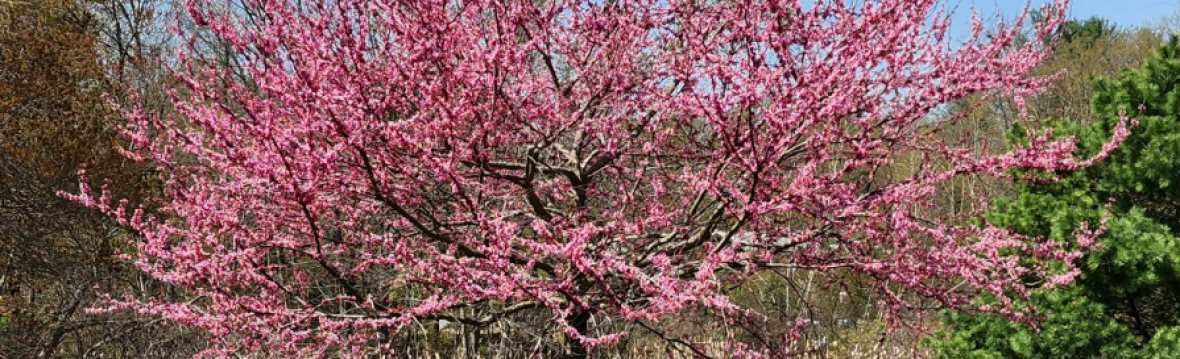
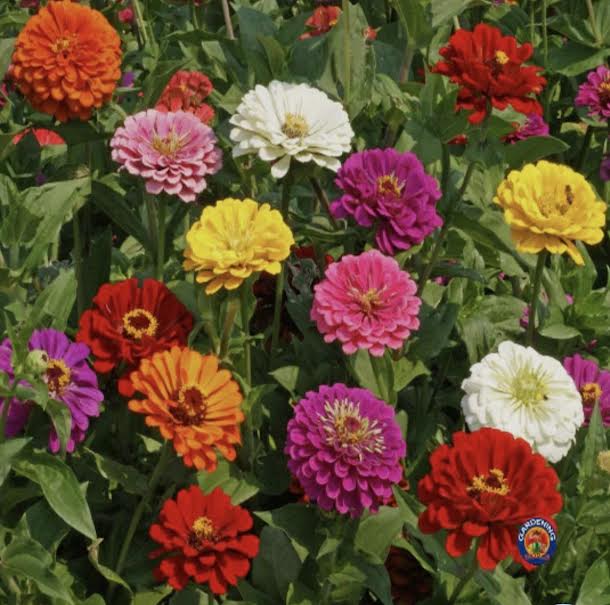
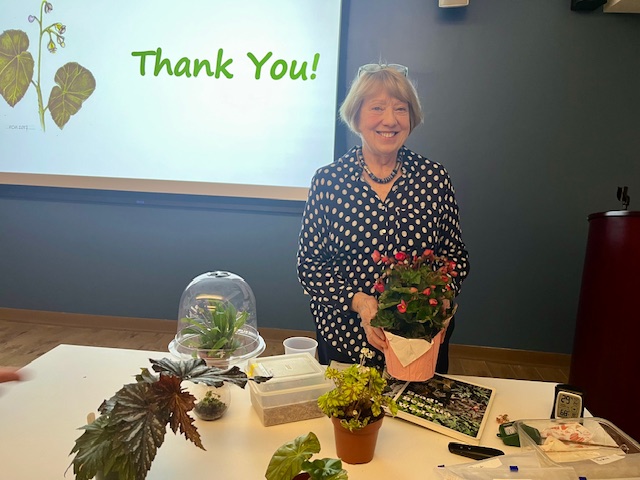
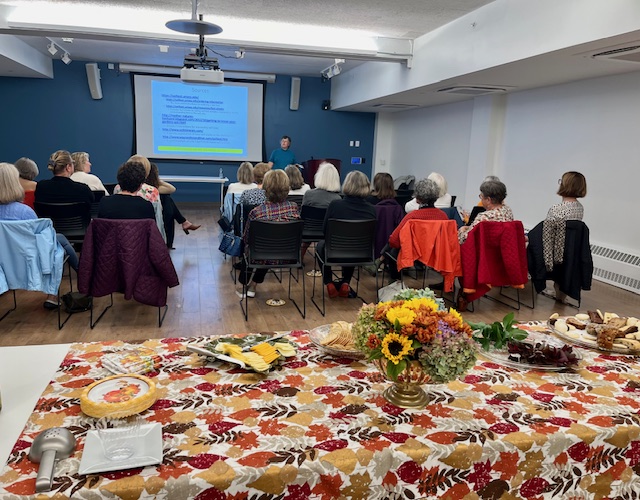
Most gardeners are well-aware of the importance of perennials in our gardens (especially native perennials), but our March speaker was here to remind us of the importance and various uses of annual plants. Sally McGuire Muspratt holds a graduate certificate in Landscape Design from Radcliffe College and has spent her career designing gardens that showcase both. As she told us, “The definition of a perennial is a plant that, if it had lived, would have come back every year,” which made us all laugh. There is definitely a need for both annuals and perennials in a garden!Rethinking Uses for Annuals.
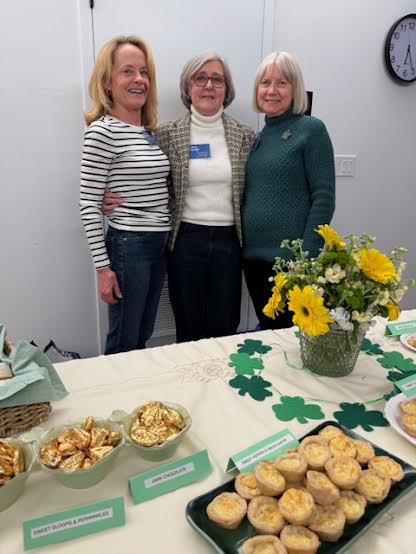
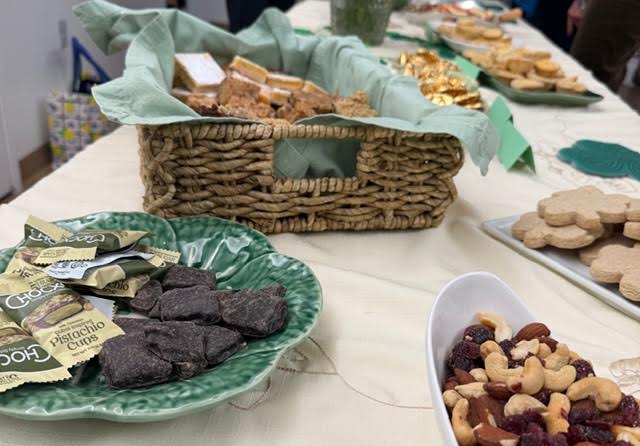
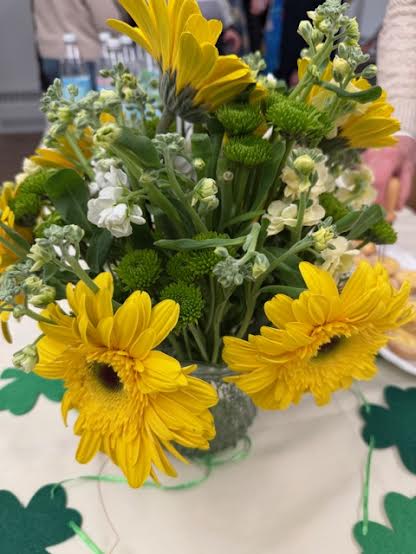
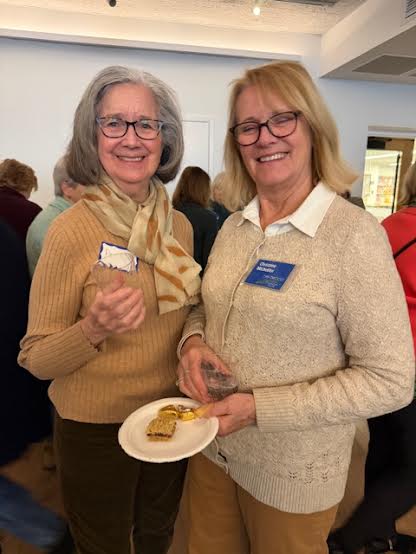
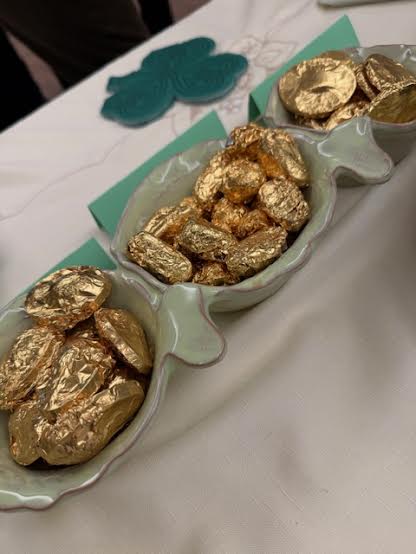
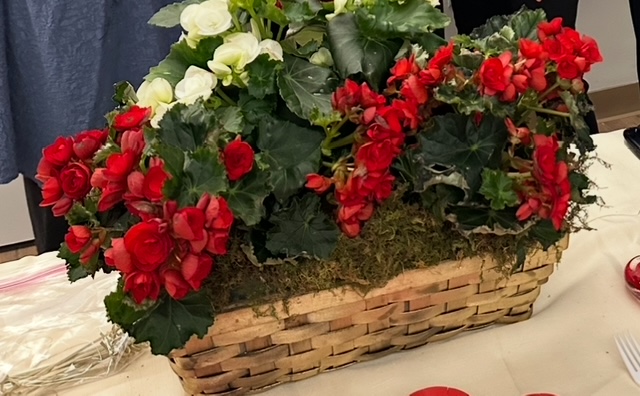
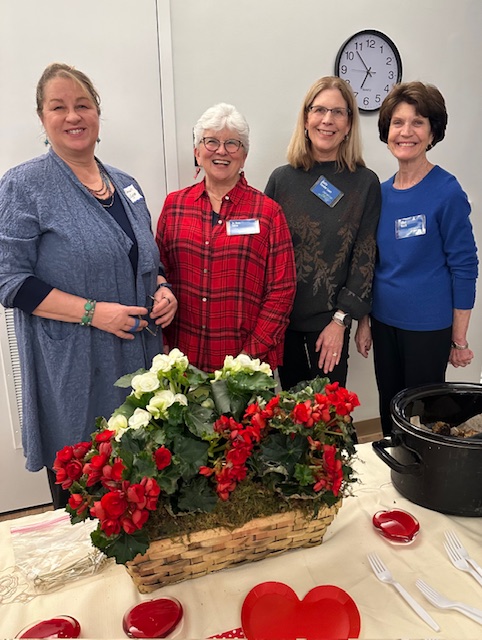
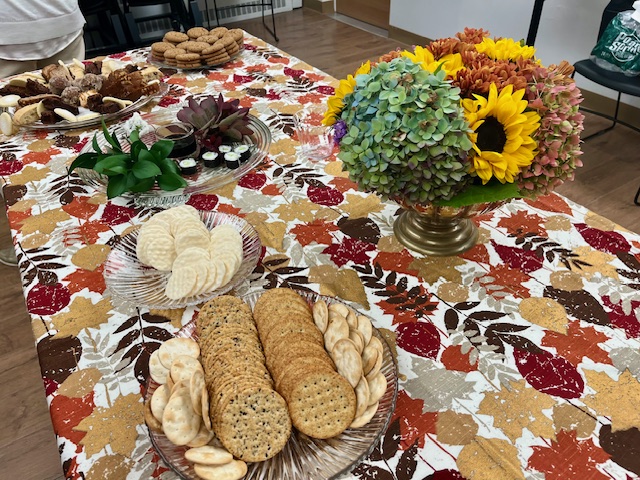
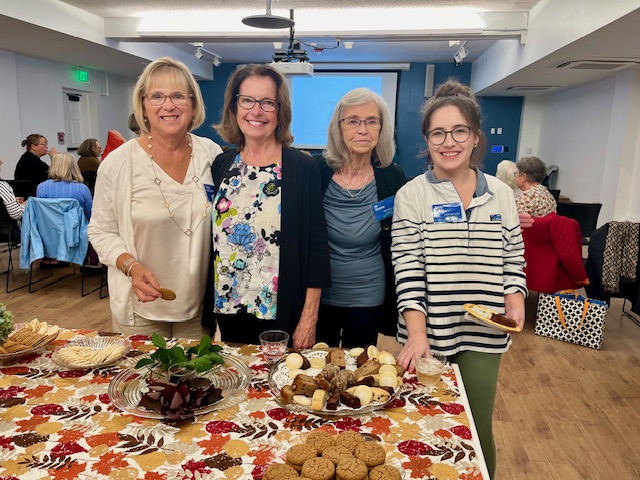
Thank you to our hosts for bringing the luck of the Irish to our table this month! With a bright yellow centerpiece of gerbera daisies, and many delicious snacks, including little pots of gold from Harbor Sweets, we chatted with old friends and new before our program began. I think we all felt spring is just around the corner!
Sally began her program with some history of the explorations in the 19th century to South America and South Africa. Exotic plants were brought back to home countries, and those wealthy enough built greenhouses to sustain the plants. Eventually, these gardens and greenhouses were opened to the public. Examples from this period are The Crystal Palace, Longwood Gardens, and the Isabella Stewart Gardner Museum. In the1800s, public gardens began to emerge as places for people to spend time in nature, surrounded by trees, perennials, and seasonal displays of annual plants. Public gardens also provided year-round jobs for many workers in maintaining the grounds.
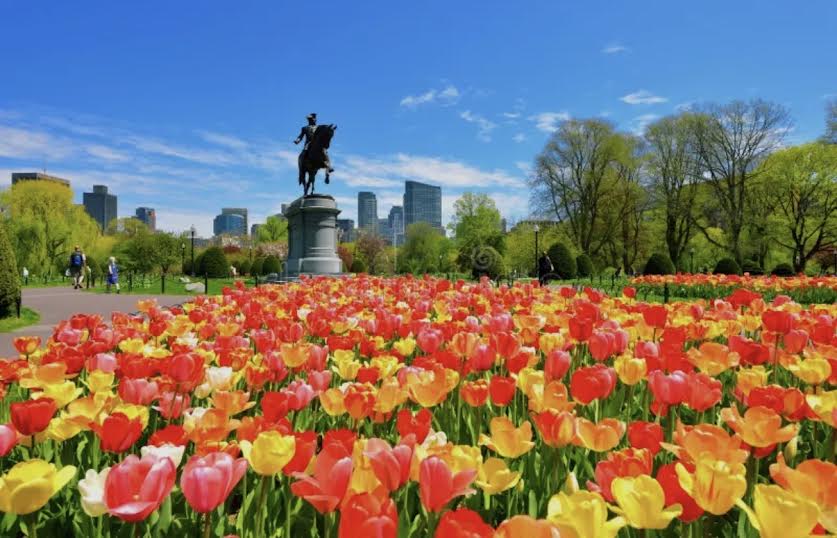
As a landscape designer, Sally developed an interest in overcoming difficult growing conditions such as those in traffic islands. She became a cheerleader for garden clubs that took on the challenge of creating a beautiful spot of living color in the middle of moving traffic and hot pavement. Her advice for success with annuals to those taking on a traffic island or gardeners designing a section of their own garden or a container:
SECRET #1: Supply soil appropriate to the plants, gypsum if the soil is salty, enough water for the plants, and good drainage.
SECRET #2: Include three or four levels of plantings (vary the heights). Some of Sally’s favorites:
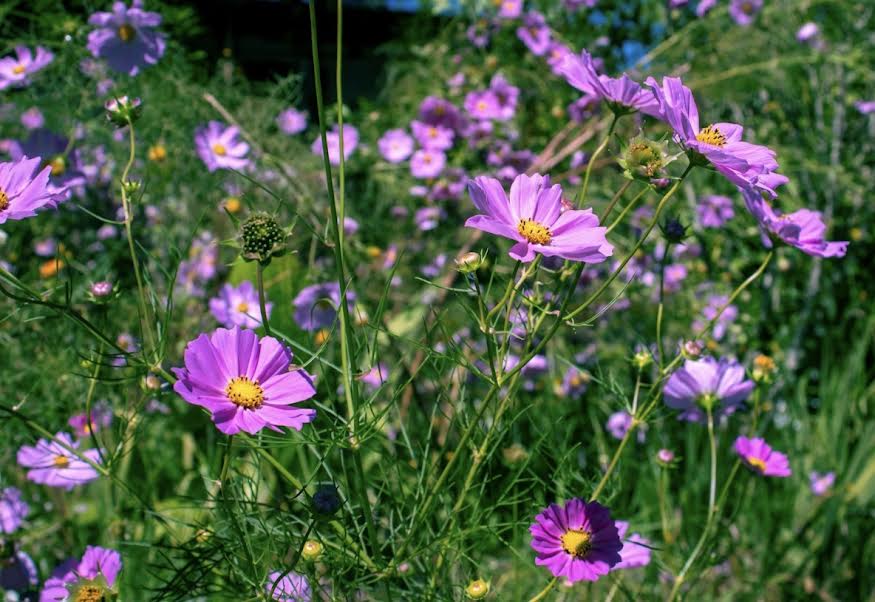
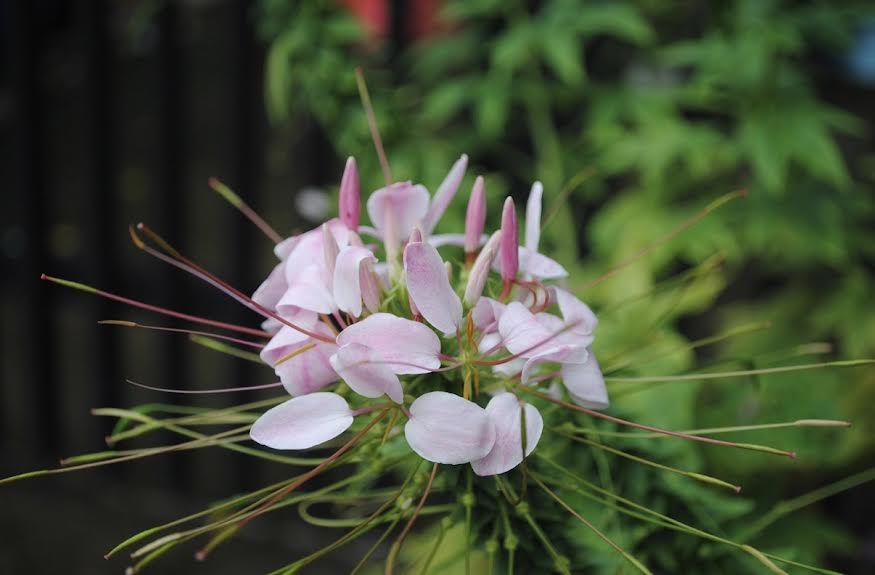
–High: cleome, cosmos, verbena, giant zinnias, and grasses.
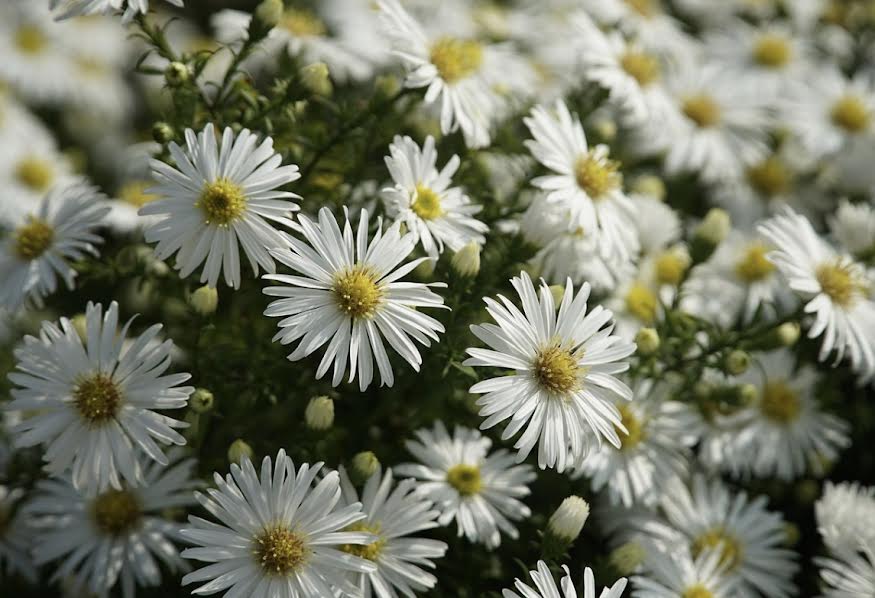
–Medium or rounded: asters, chrysanthemums, coleus, lantana, sedum.
–Short: ageratum, alyssum, impatiens, lobelia.
–Dripping: dichondra Silver Falls, ivy, black or lime sweet potato vine.
SECRET #3: Acquiring annuals. When acquiring annuals, remember that seeds and six-packs are more affordable than full grown plants.
She showed several slides of traffic islands, including one of her own design. She wrote and was awarded a grant from her hometown of West Roxbury to restructure a traffic island which is the first thing people see when entering the town. As a result of this project, she was named Volunteer of the Year by West Roxbury Main Streets.
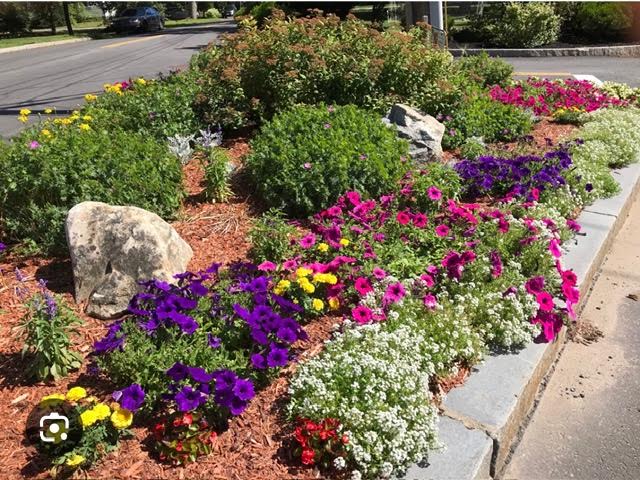
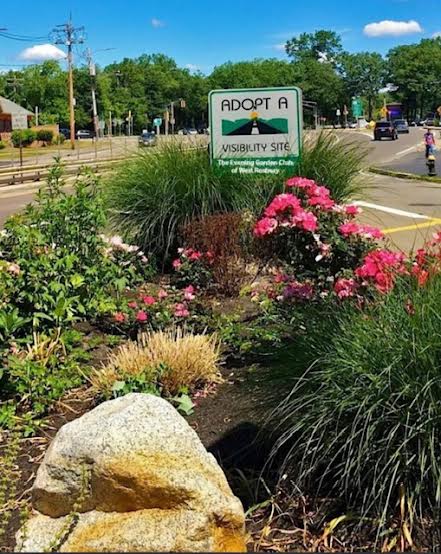
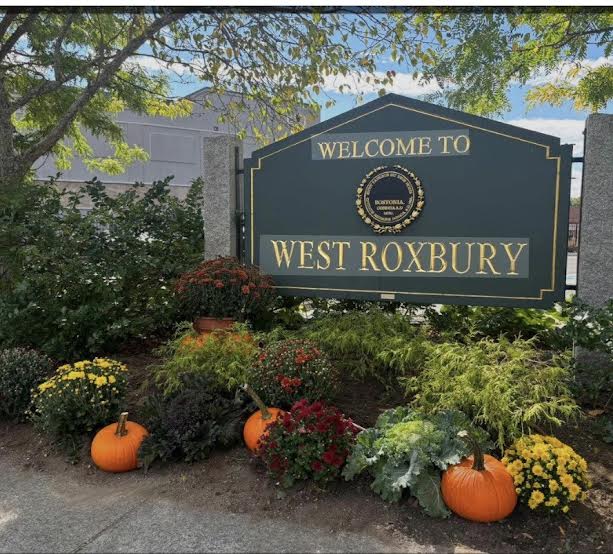
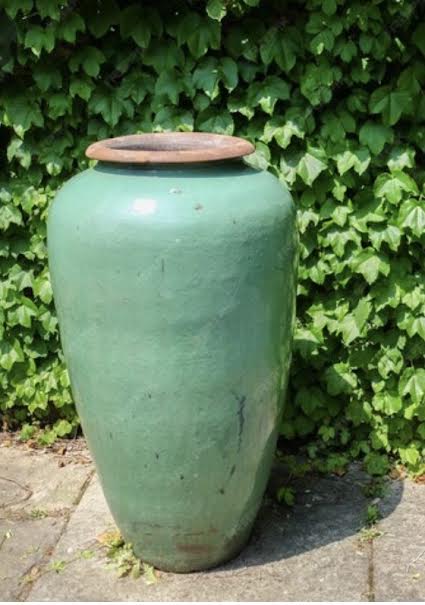
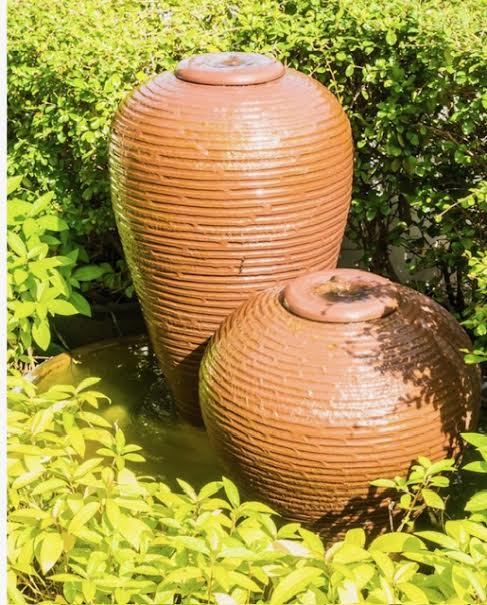
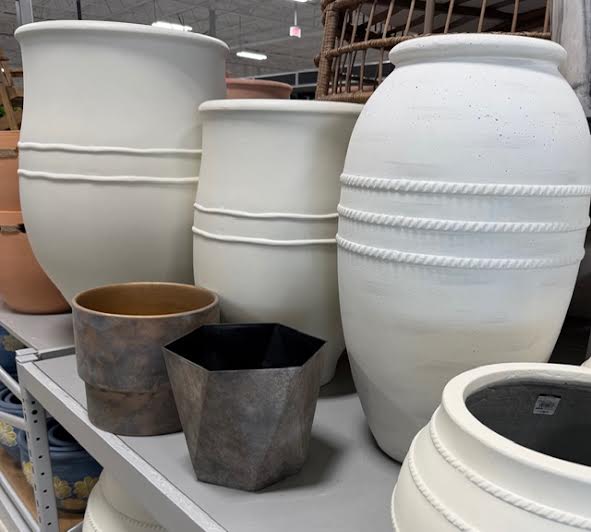
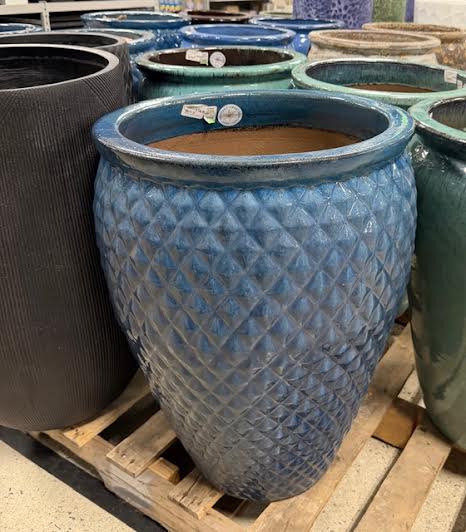
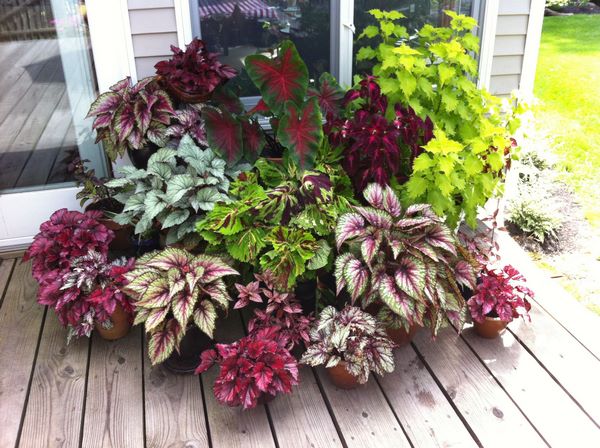
In our own gardens, we can use annuals to add color to different areas, to try something new, or even create an inexpensive rough draft for a future perennial garden by using annuals. And, of course, using planters and pots, whether beautiful handmade ceramic, or lightweight fiberglass that look like concrete, can be welcome additions to our gardens, patios and doorways. Sally’s suggestion was to browse catalogs, make lists of what looks interesting, think of colors that you would like in your garden, heights of the annual, the soil conditions it grows best in, and the plant’s needs for light — then just begin!




















 Driftwood Garden Club